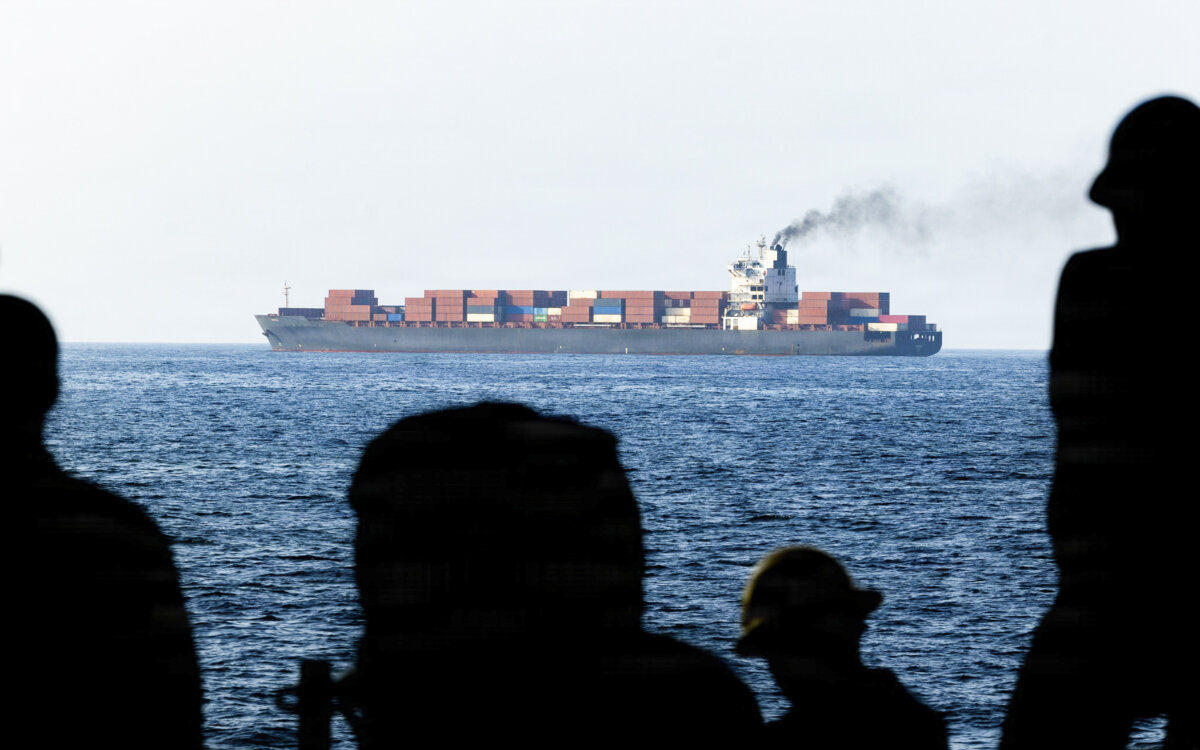

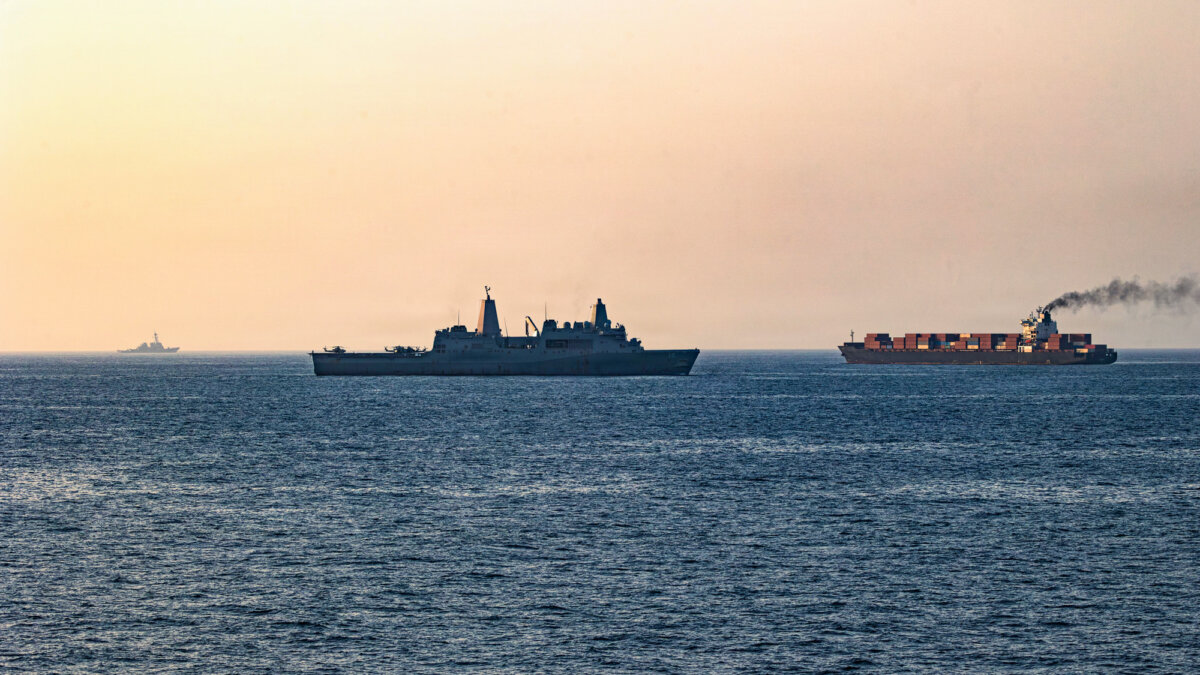
U.S. Central Command said on May 21 that American forces have redirected 94 commercial vessels and disabled four ships while enforcing a naval blockade targeting Iranian ports amid escalating tensions in the Strait of Hormuz.
Iran has largely restricted commercial transit through the strategic waterway to vessels linked to its own trade network since the U.S.–Israeli military campaign began in February.
The United States responded last month by launching a blockade “to prevent the flow of commerce into and out of Iranian ports,” according to Central Command.
U.S. forces released multiple updates on May 20 describing ongoing maritime interdiction operations in the Gulf of Oman and surrounding waters.
The command said U.S. Marines from the 31st Marine Expeditionary Unit boarded an Iranian-flagged oil tanker, the M/T Celestial Sea, in the Gulf of Oman earlier in the day after the vessel was suspected of attempting to violate the blockade by sailing toward an Iranian port.
U.S. forces searched the vessel before directing the crew to alter course and releasing the ship, Central Command said.
The U.S. military separately released images on May 20 showing an AH-1Z Viper attack helicopter patrolling near commercial shipping lanes as blockade enforcement continued.
Additional images released by Central Command in a May 22 post on X showed fighter jets launching from the aircraft carrier USS Abraham Lincoln in the Arabian Sea as part of operations supporting the blockade.
Central Command said on May 7 that U.S. naval forces intercepted Iranian missiles, drones, and small boats during the transit of three U.S. destroyers through the Strait of Hormuz.
The military said it later carried out strikes on Iranian missile launch sites, drone facilities, and command centers after what it described as “unprovoked Iranian attacks.”
Supply Crisis
The Strait of Hormuz is a crucial waterway used to transport one-fifth of the world’s oil and gas.
Energy officials warned this week that the continuing disruption in the Strait of Hormuz could trigger a broader global energy crisis during the summer months.
International Energy Agency Executive Director Fatih Birol said on May 21 that oil markets could enter a “red zone” by July or August if shipping disruptions continue and Middle East energy supplies remain constrained.
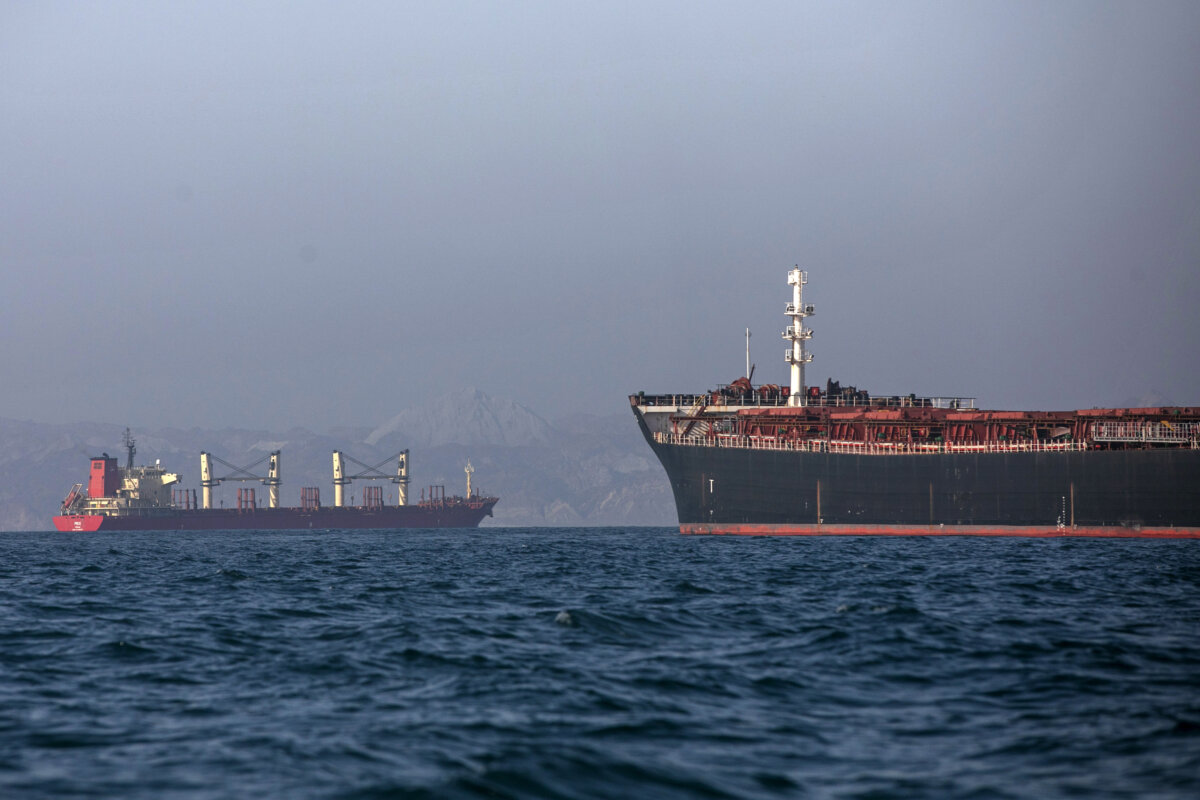
Birol said more than 14 million barrels of oil per day had been removed from the market due to infrastructure damage and restrictions tied to the Strait of Hormuz.
Birol said the current disruption exceeds the market impact of the 1973 Arab oil embargo, the 1979 Iranian revolution energy crisis, and the 2022 Russia–Ukraine energy shock.
US, Iran Trade Warnings
The maritime standoff unfolds as Washington and Tehran continue exchanging warnings over Iran’s nuclear program and the possibility of renewed military operations.
U.S. President Donald Trump and Vice President JD Vance have repeatedly said Iran cannot be allowed to obtain a nuclear weapon.
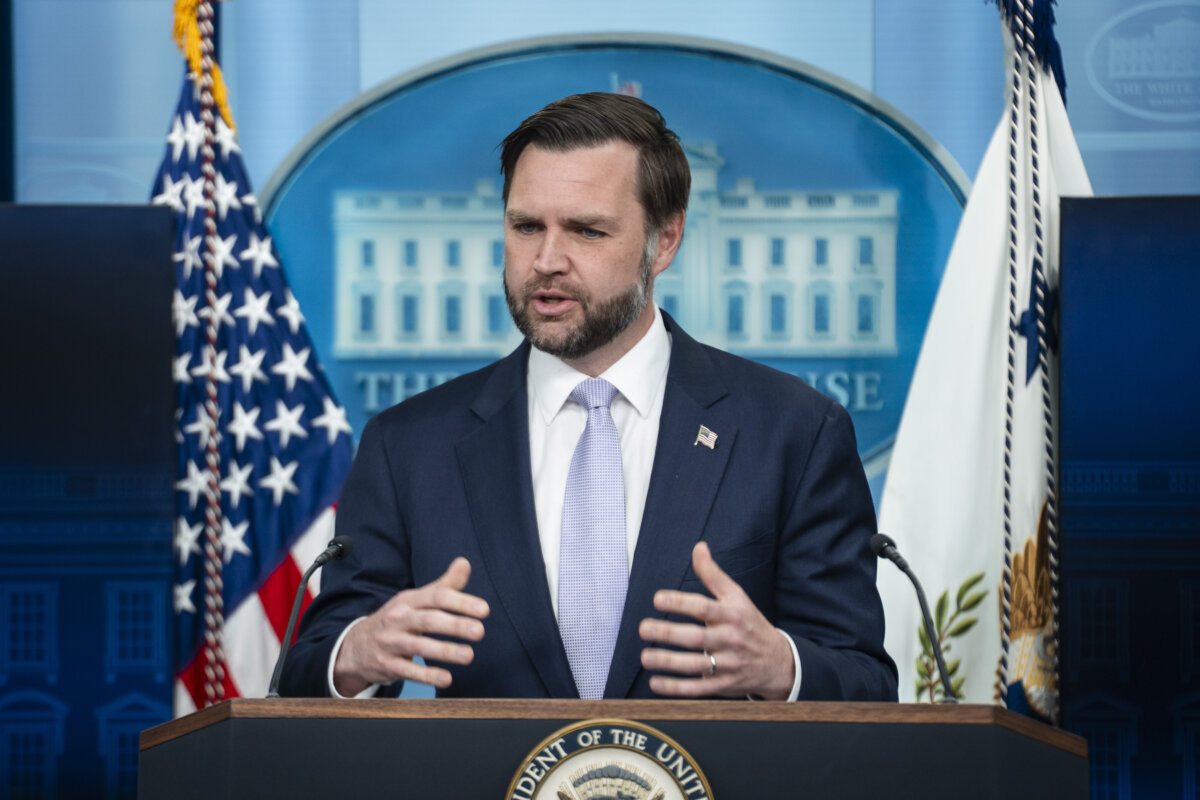
Vance recently told reporters that Iran must work with the United States “on a process” guaranteeing Tehran would not pursue nuclear weapons capabilities in the future.
Iranian officials have rejected those demands while warning that further military strikes could trigger a wider regional conflict.
Iran’s Islamic Revolutionary Guard Corps said earlier this week that any renewed U.S.–Israeli attacks would expand the war beyond the Middle East.
The conflict has also intensified diplomatic tensions surrounding maritime access to the Strait of Hormuz.
Control of Hormuz
In May, Iran announced the creation of the Persian Gulf Strait Authority (PGSA), a new body tasked with overseeing maritime transit through the waterway and coordinating shipping permissions within Iranian-designated control zones.
The PGSA said in a May 20 post on X that Iran had defined a maritime supervision zone stretching from Kuh Mobarak in southeastern Iran to the southern coast of Fujairah in the United Arab Emirates on the eastern side of the strait, and from Qeshm Island to Umm al-Quwain in the UAE on the western side.
It also said vessels operating within that zone must coordinate with the PGSA and obtain permits from Iranian authorities before passing through the waterway.
Iranian Ambassador to France Mohammad Amin-Nejad said in an interview with Bloomberg in Paris on May 20 that Tehran and Oman are discussing a permanent tolling system for the Strait of Hormuz as Iran moves to formalize oversight of maritime traffic through the waterway.
U.S. Secretary of State Marco Rubio said on May 21 that a tolling system in the Strait of Hormuz “would make a diplomatic deal unfeasible,” highlighting how Iran’s demands over the strait remain a major obstacle in negotiations between Washington and Tehran.
“No one in the world is in favor of the tolling system. It can’t happen. It would be unacceptable. It would make a diplomatic deal unfeasible if they were to continue to pursue that,” Rubio said. “So it’s a threat to the world if they were trying to do that, and it’s completely illegal.”
Reuters contributed to this report.
 Friends Read Free
Copy
Facebook
Tweet
Friends Read Free
Copy
Facebook
Tweet