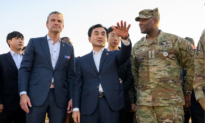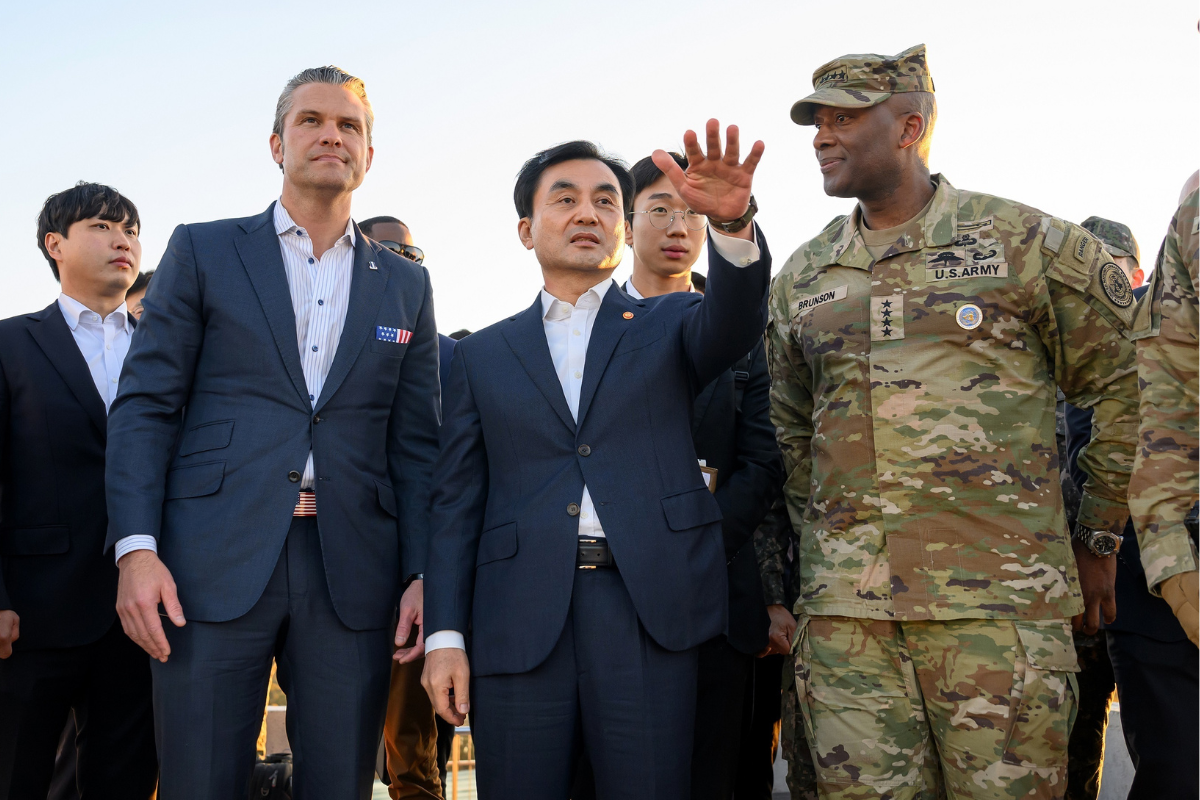

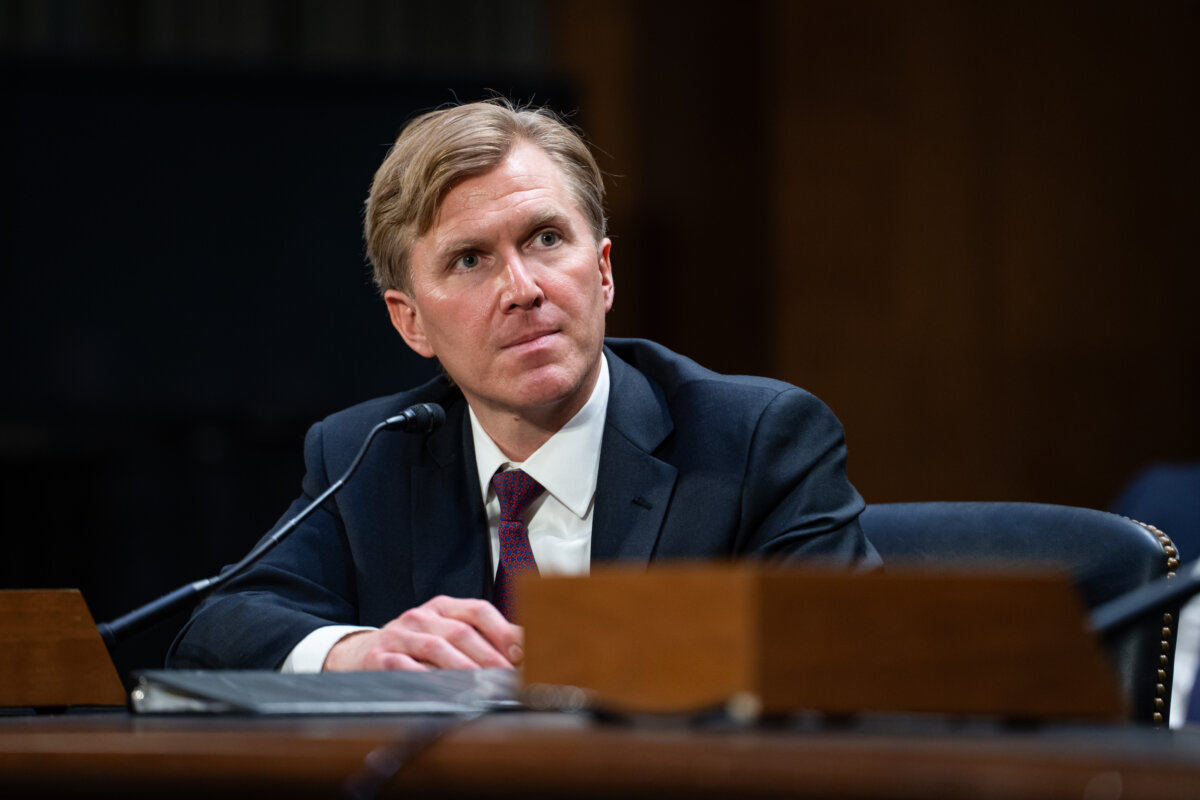
South Korea’s defense ministry said on Jan. 26 that U.S. Undersecretary of War Elbridge Colby and South Korean Defense Minister Ahn Gyu-back agreed to closely cooperate on South Korea’s pursuit of nuclear-powered submarines.
The South Korean Ministry of Defense said in a statement that Ahn and Colby met in Seoul to discuss the alliance, including the security situation on the Korean Peninsula and strengthening national defense capabilities.
“Both sides agreed that cooperation in building South Korea’s nuclear-powered submarines will strengthen South Korea’s military-led defense capabilities in the defense of the Korean Peninsula and serve as an important milestone in further elevating the ROK–US military alliance, and agreed to closely cooperate,” the defense ministry said in a statement.
ROK refers to the Republic of Korea, South Korea’s official name.
Colby, on his first international trip as undersecretary of war and policy, wrote on X that South Korea is a “model ally.”
He also praised the ROK for committing to meet the global standard of spending 3.5 percent of gross domestic product on defense, and for taking “greater responsibility for its own defense in the context of our alliance, in line with the National Defense Strategy.”
“I look forward to discussing with ROK counterparts how to modernize and advance our vital alliance,” Colby wrote.
In October 2025, U.S. President Donald Trump announced that the United States would share sensitive nuclear propulsion technology to allow South Korea to build its own nuclear-powered submarines in order to be prepared to counter regional threats.
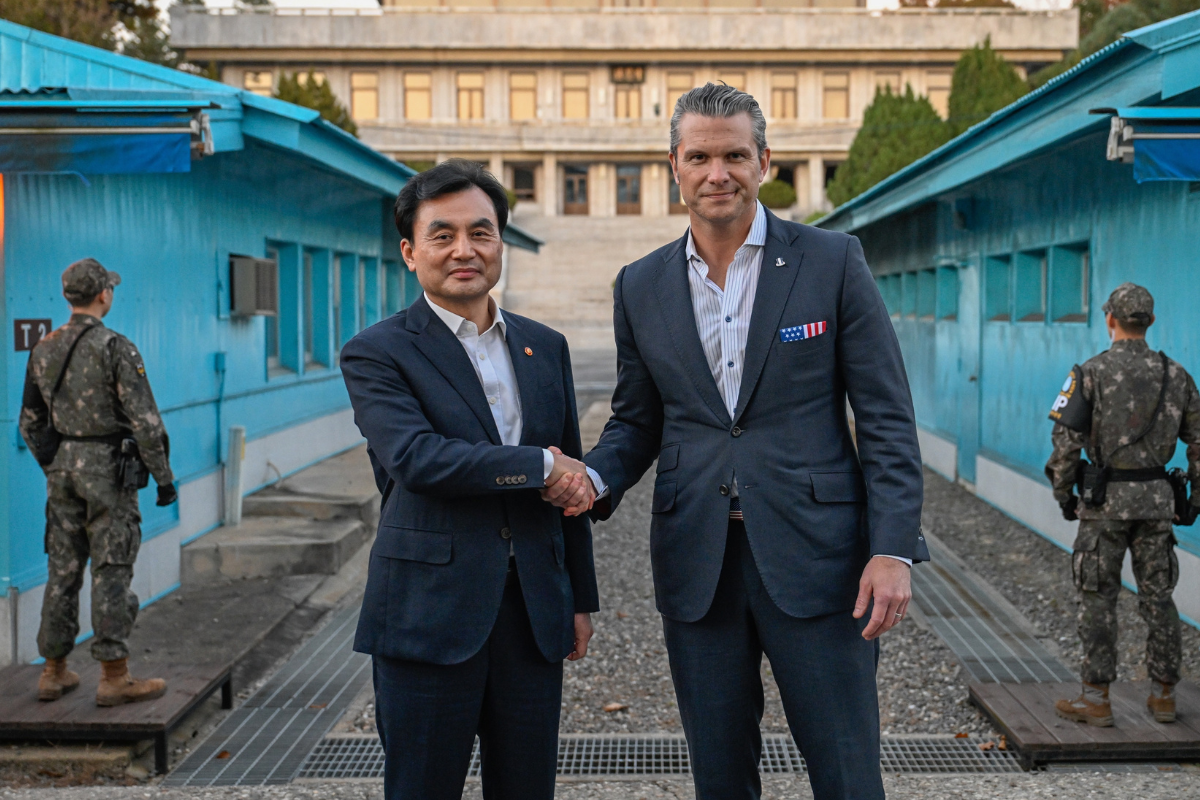
During a two-day visit to South Korea in November 2025, U.S. Secretary of War Pete Hegseth addressed the issue of nuclear-powered submarines, saying that the Pentagon would be working with the Department of Energy and the Department of State to fulfill Trump’s commitment.
Hegseth said Trump “wants allies to be strong. He wants our allies to have the best capabilities, and because Korea has been a model ally, he’s open to opportunities like that that ensure they have the best capabilities in their own defense and alongside us as allies.”
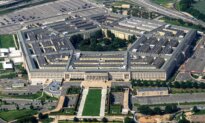
Washington has said it expects Seoul to take a leading role in deterring aggression from North Korea. In the Pentagon’s new National Defense Strategy published on Jan. 23, it said the United States would prioritize strengthening incentives for partners in Europe, the Middle East, and South Korea to take primary responsibility for their regions’ defense, “with critical but limited support from U.S. forces.”
It added that under Trump’s leadership, the United States has seen its allies “beginning to step up, especially in Europe and South Korea.”
On the ROK in particular, the document said that “South Korea is capable of taking primary responsibility for deterring North Korea with critical but more limited U.S. support. South Korea also has the will to do so, given that it faces a direct and clear threat from North Korea.”
Following the Pentagon’s release of its National Defense Strategy, South Korean President Lee Jae Myung similarly highlighted the importance of “autonomous national defense” for his country, in a post on X on Jan. 24.
Peace on the Korean Peninsula
The ROK’s Ministry of Defense also said that during the meeting with Colby, Ahn emphasized that Seoul’s North Korea policy was focused on “peaceful coexistence on the Korean Peninsula,” based on maintaining a robust defense posture.
South Korea has been seeking means to de-escalate tensions with North Korea, also known by its formal name, the Democratic People’s Republic of Korea.
On Aug. 15, in a speech marking the 80th anniversary of the end of Japanese colonial rule, Lee announced that his government would reinstate a 2018 agreement with North Korea to scale back certain military activities along the border, saying that it would help “prevent accidental clashes between the South and the North, and build military trust.”
The 2018 Comprehensive Military Agreement was a de-escalation measure that halted some military activities between the two countries. The pact included measures such as imposing no-fly zones, ending military drills near the DMZ, and maintaining hotlines.
 Friends Read Free
Copy
Facebook
Tweet
Friends Read Free
Copy
Facebook
Tweet