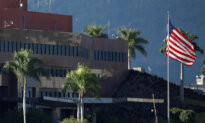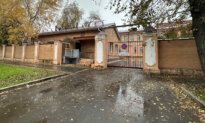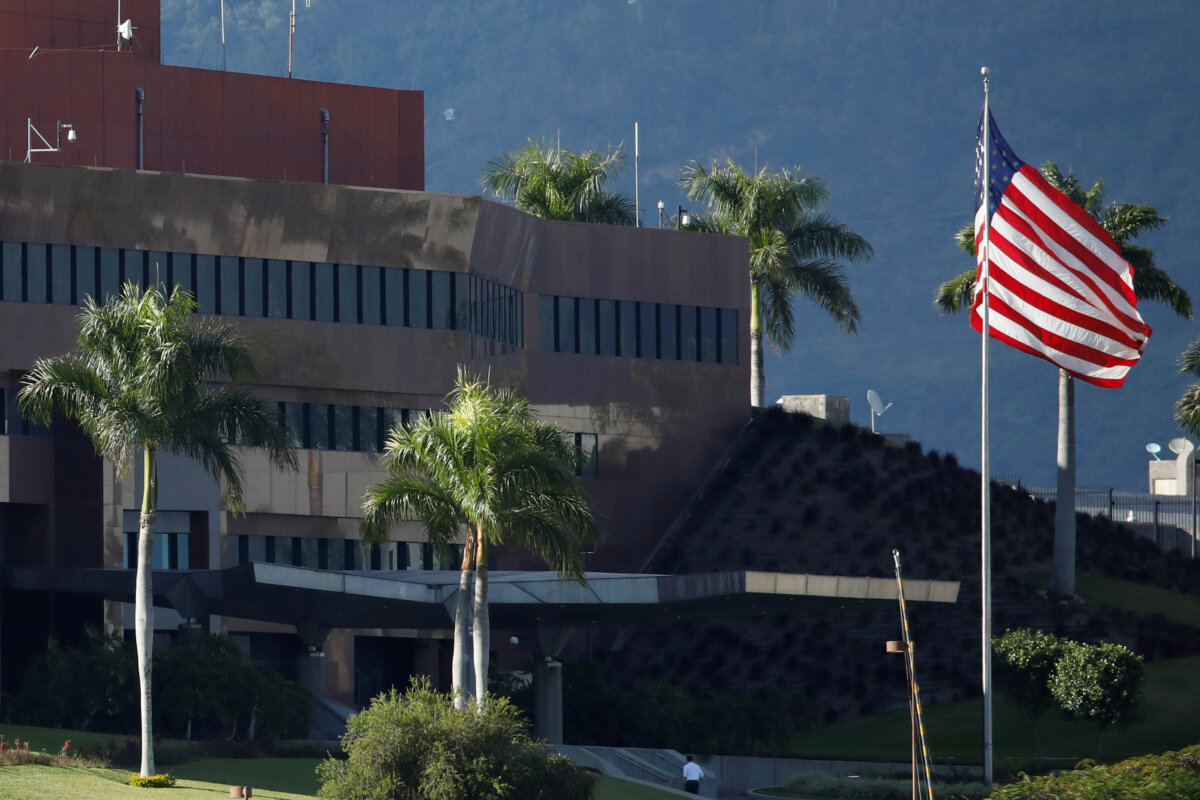

Venezuelan leader Nicolas Maduro said on Oct. 6 that security forces have been deployed to the shuttered U.S. embassy in Caracas following a potential threat posed by what he described as a right-wing extremist plot to conduct a false flag operation at the site.
The leader of the socialist regime said that he believed the alleged plot was intended to pin the blame on his government and escalate tensions between Venezuela and the United States.
A false flag operation is an act carried out with the intent to make it appear as though the other party was responsible.
Maduro made the claims in a televised interview, stating that his government had been alerted to the potential threat by two reliable sources, which he did not identify, and that investigations were underway to identify those involved.
“This was backed by a person who will be known soon and asked for by a person who will be known soon, but this is all ongoing,” he said.
Maduro’s comments came a day after Venezuelan National Assembly President Jorge Rodriguez said the “false flag” threat came from alleged extremist factions of a local right-wing group who attempted to plant “lethal explosives” at the U.S. embassy.
Rodriguez said that Caracas has informed Washington of the threat through multiple communication channels and also notified a European embassy to relay the information to U.S. diplomatic personnel.
The embassy, which is currently closed, maintains a staff responsible for security and maintenance of the premises. Its large embassy compound has also been guarded since its closure by patrols conducted by Venezuelan police in the surrounding area.
The White House did not respond to a request for comment by publication time.
Venezuela Ends Diplomatic Ties With US
In 2020, the United States, the European Union, and more than a dozen Latin American countries said that they did not recognise the results of the parliamentary election, which saw allies of Maduro win a majority.
Venezuela had already severed relations with the United States in 2019 during President Donald Trump’s first term, after the United States said it wouldn’t recognize the results of the presidential election, and that it recognized Venezuelan opposition leader Juan Guaido instead of Maduro.
The U.S. embassy in Caracas suspended operations in March 2019, and American diplomatic personnel left the country that same year. The facility remains staffed by local personnel who are responsible for its security and maintenance.
The alleged threat to the U.S. embassy comes as Venezuela recently accused the United States of provocation after five U.S. fighter jets were allegedly detected near the country’s coastline.
Trump has said that the military buildup in the Caribbean was aimed at combating drug trafficking into the United States. He has accused Maduro of involvement in drug trafficking, which Maduro and Venezuela’s ruling regime have rejected.
On Sept. 6, Maduro sent a letter to the U.S. president proposing to engage in dialogue to address the controversies in U.S.–Venezuela relations, particularly accusations that his regime is tied to drug trafficking gangs.
The Venezuelan leader called on Trump to engage in “constructive dialogue” to promote peace and build “mutual understanding throughout the hemisphere.”
The White House said on Sept. 22 that it has reviewed Maduro’s letter. However, White House press secretary Karoline Leavitt said the Trump administration’s stance on Venezuela remains unchanged.
“We view the Maduro regime as illegitimate, and the president has clearly shown that he’s willing to use any and all means necessary to stop the illegal trafficking of deadly drugs from the Venezuelan regime into the United States,” Leavitt told reporters.
Reuters and The Associated Press contributed to this report.
 Friends Read Free
Copy
Facebook
Tweet
Friends Read Free
Copy
Facebook
Tweet