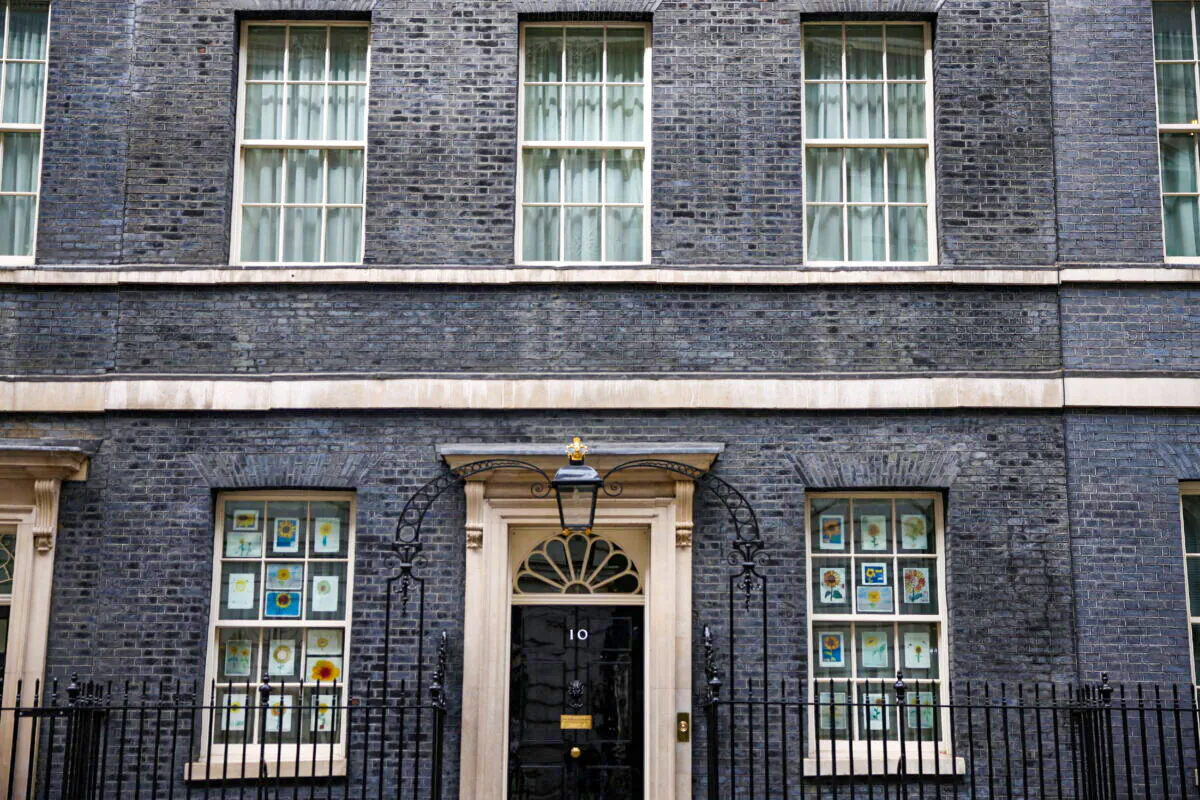

Boris Johnson has announced his resignation as leader of the UK’s ruling Conservative Party. There will now begin a leadership contest for a new Conservative leader, who will become Britain’s next prime minister.
Here are some of the potential frontrunners to replace Johnson as prime minister.
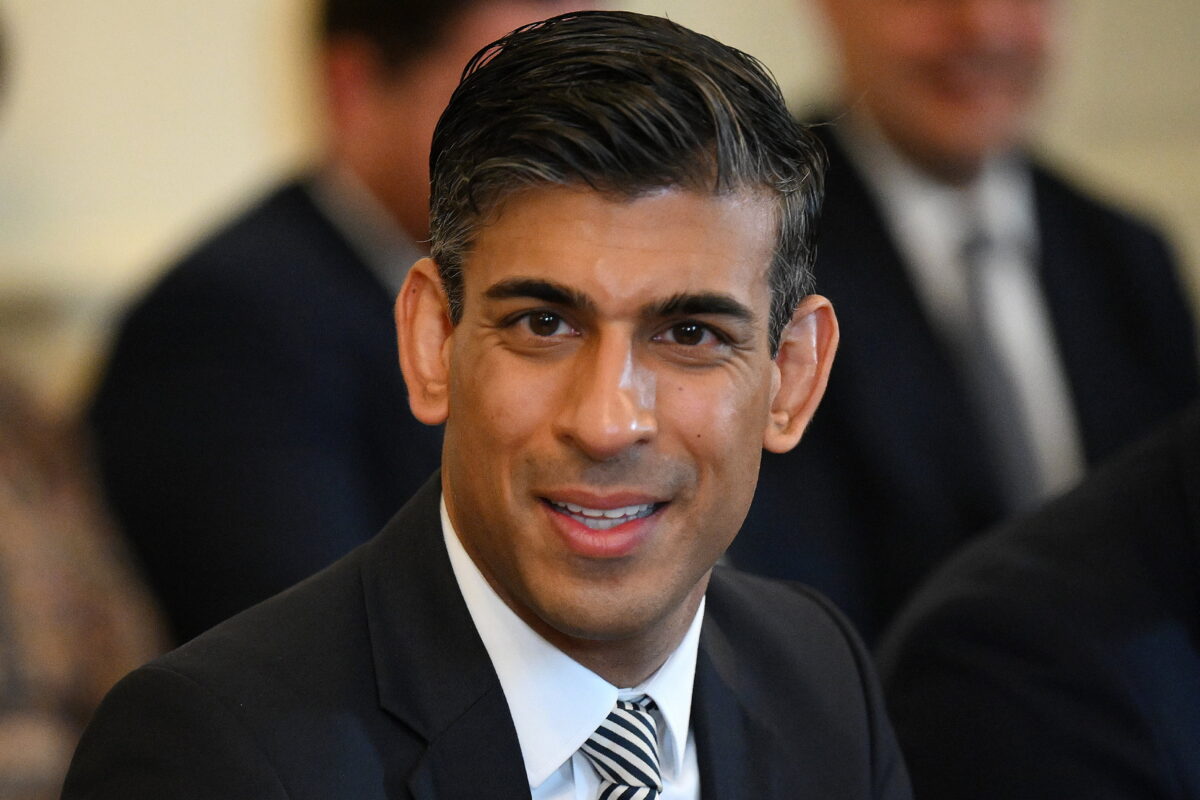
Rishi Sunak
Rishi Sunak served as chancellor of the exchequer, or finance minister, from February 2020 until he resigned on July 5, citing differences between himself and Boris Johnson.
Almost immediately after becoming chancellor, Sunak was confronted with the enormous economic challenge posed by the CCP (Chinese Communist Party) virus pandemic. He spent huge amounts of money trying to keep the economy afloat during the COVID-19 lockdowns. Though it went against his instinct as a low-tax Thatcherite Conservative, it did boost his popularity.
But his reputation was dented in recent months following disclosures that his wife Akshata Murty, who is the daughter of an Indian billionaire, had non-domiciled status for tax purposes.
Sunak was also fined by the Metropolitan Police for attending a birthday party for Boris Johnson which was held in violation of COVID-19 lockdown regulations.
Sajid Javid
The son of first-generation Pakistani immigrants, Sajid Javid has risen from humble beginnings to the top of British politics. He has held ministerial roles in housing, business, culture, the Treasury, and health.
Javid made it to the final four in the contest to replace Theresa May as Tory leader in 2019, but dropped out and subsequently endorsed Johnson.
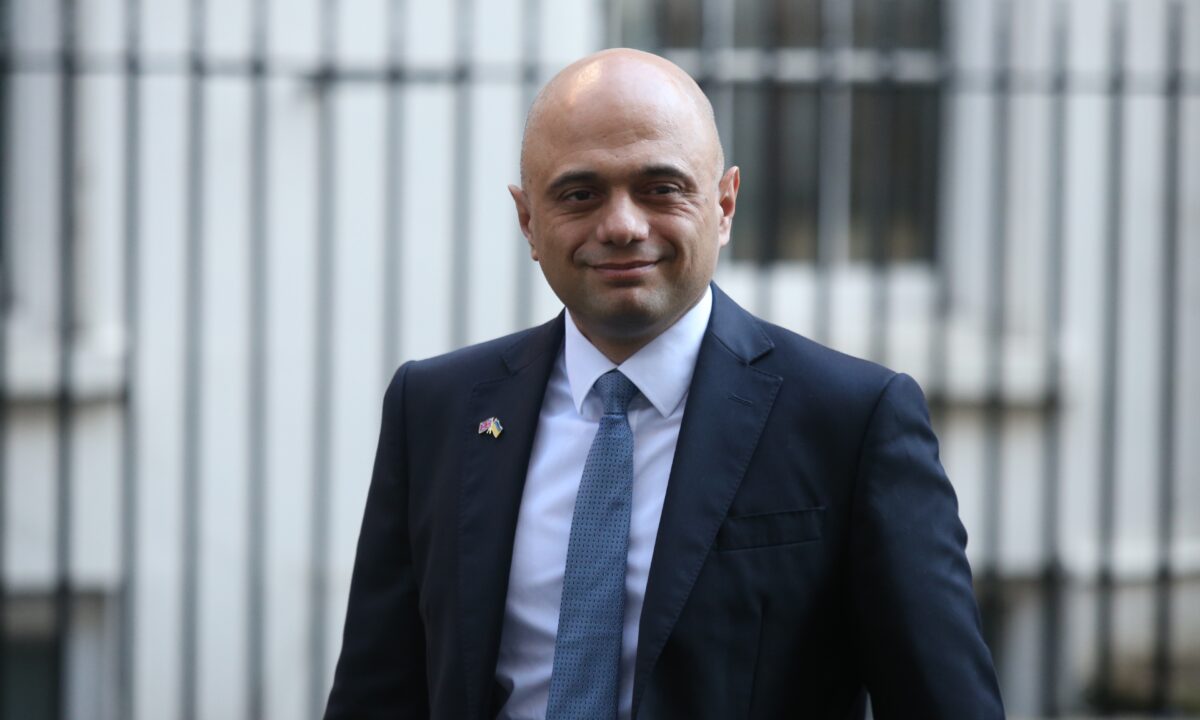
He was made chancellor of the exchequer in the Johnson government, but quit after six months in a row over his advisers. However, he came back into government as health secretary in 2021 after his predecessor resigned over a scandal.
Javid served as health secretary until he resigned on July 5, setting off the wave of resignations that eventually forced Johnson to resign.
Liz Truss
Liz Truss has remained as foreign secretary despite the mass ministerial resignations in the past two days. Her declaration of support for the prime minister after the departure of Sunak and Javid has boosted her popularity among Johnson loyalists.
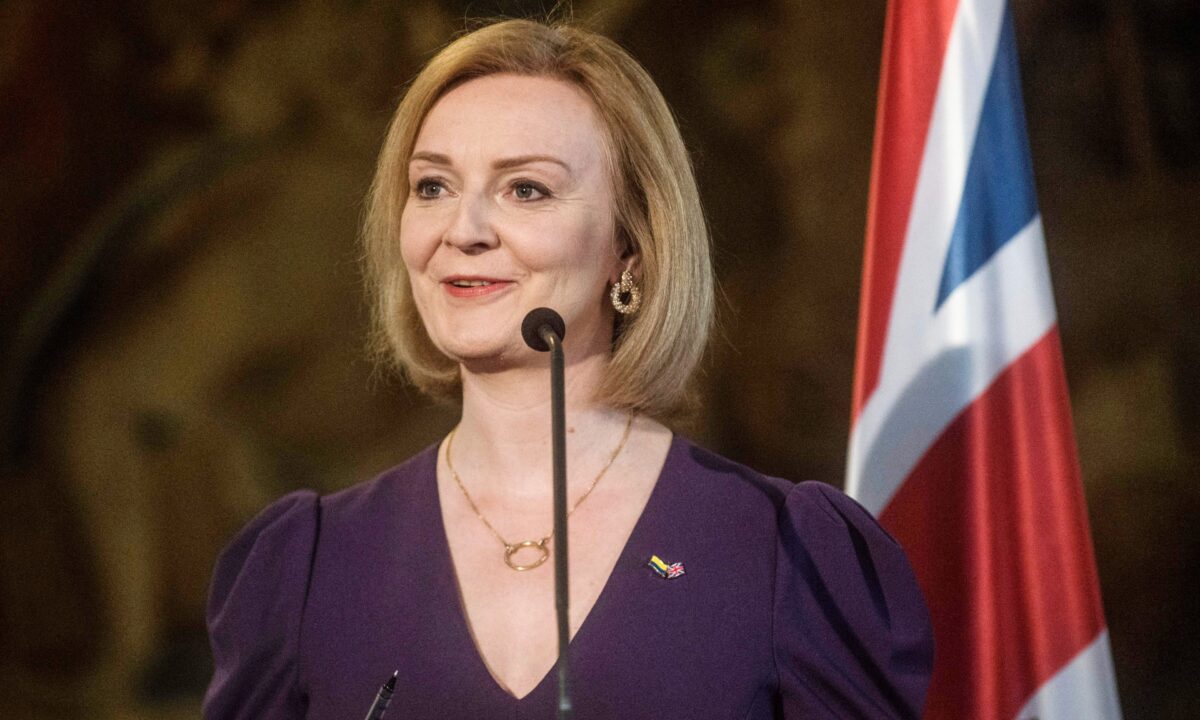
Before becoming the first female Conservative foreign secretary in 2021, Truss served as the secretary for international trade, negotiating post-Brexit trade deals with countries including Japan.
Her hard line on Ukraine, insisting Russian forces must be driven from the country, and threats to tear up the Northern Ireland Protocol with the EU, play well with sections of the Conservative Party.
Michael Gove
Michael Gove was the levelling up secretary until Boris Johnson fired him for alleged disloyalty on July 6. The former journalist was one of the longer-serving ministers in the Cabinet, having served previously as education secretary, chief whip, justice secretary, and environment secretary.
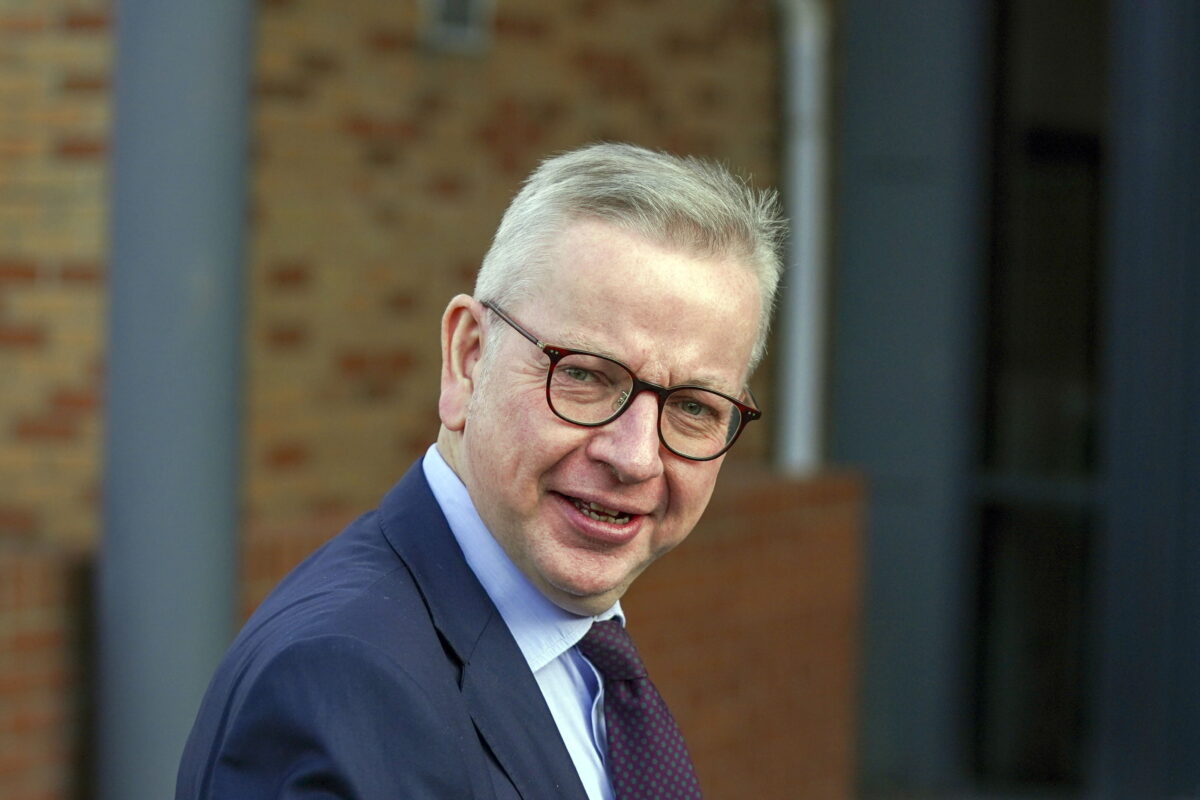
Along with Johnson, Gove was one of the top champions for Brexit during the 2016 referendum campaign. But in the Conservative leadership contest later that year, having originally backed Johnson, he sensationally withdrew support, saying that Johnson could not “provide the leadership or build the team for the task ahead.”
He ran again for leadership in 2019 following Theresa May’s resignation, and came third to Boris Johnson and Jeremy Hunt. Despite Gove’s 2016 defection, Johnson appointed him to the Cabinet, where he served as chancellor of the Duchy of Lancaster, minister for the Cabinet Office, and then levelling up secretary. He lost his job after asking Johnson to resign.
Ben Wallace
The defence secretary has seen his popularity rise as a result of his response to the war in Ukraine.
According to the results of a new snap YouGov poll among Conservative Party members, Wallace is the clear favourite to replace Boris Johnson as party leader and prime minister.
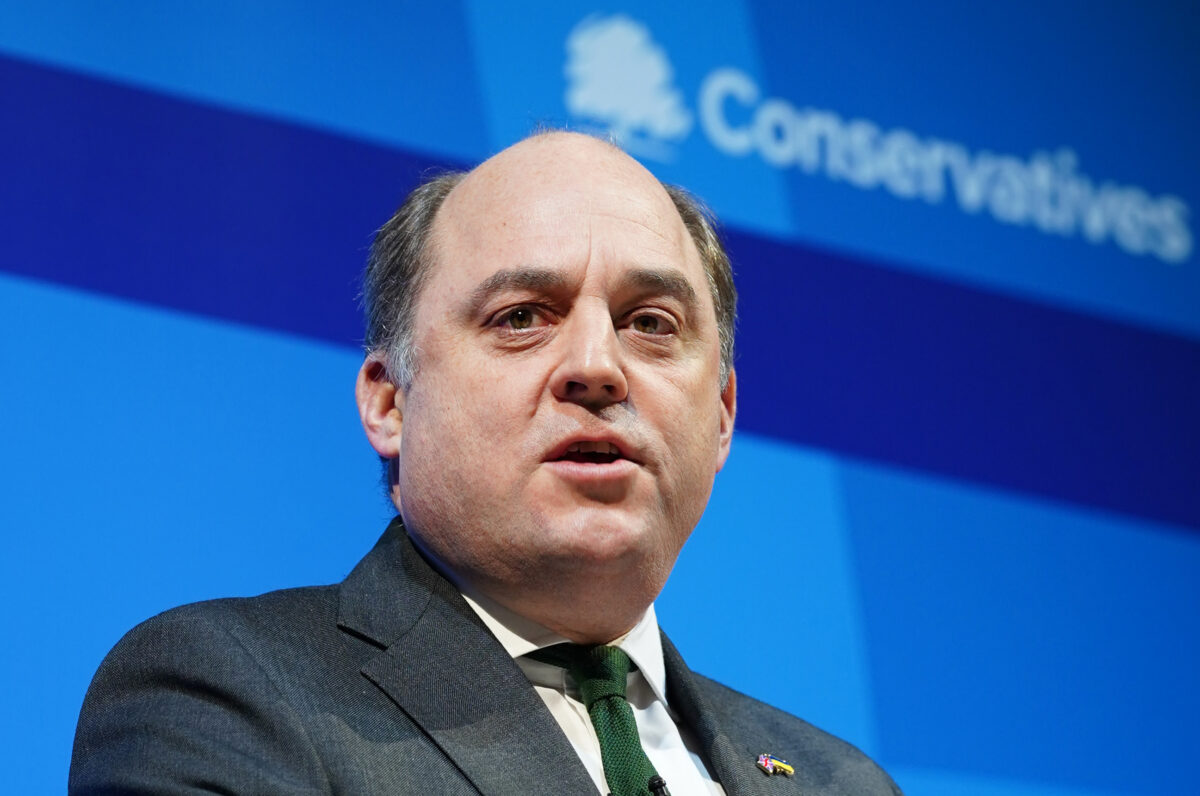
He has consistently supported Johnson, but has pressed the case for increased defence spending.
Amid the mass ministerial resignations, he said he will remain in post, writing on Twitter, “A number of us have an obligation to keep this country safe, no matter who is PM.”
Tom Tugendhat
Tom Tugendhat, a former soldier, is currently the chairman of the Foreign Affairs Committee in the House of Commons.
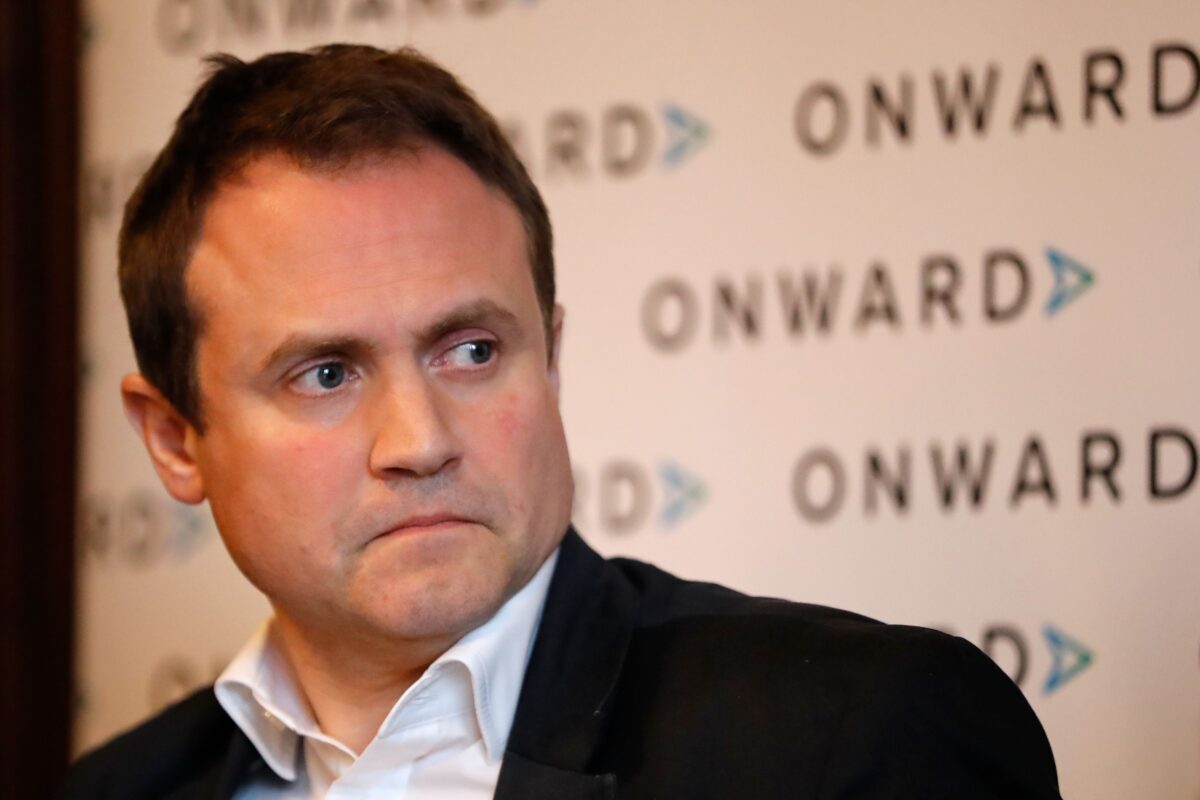
Tugendhat is considered by some to be a China hawk in Parliament. In April 2020, he founded the China Research Group of Conservative MPs alongside fellow Conservative MP Neil O’Brien. The group has been critical of Huawei’s role in the UK’s 5G network, the Chinese regime’s COVID-19 disinformation campaign, and its foreign policy.
He was critical of the UK government’s response to the Taliban takeover of Afghanistan. In the wake of the fall of Kabul in August 2021, he described the event as Britain’s “biggest foreign policy disaster since Suez.”
Nadhim Zahawi
The former education secretary was appointed the new chancellor of the exchequer after Rishi Sunak resigned on July 5.
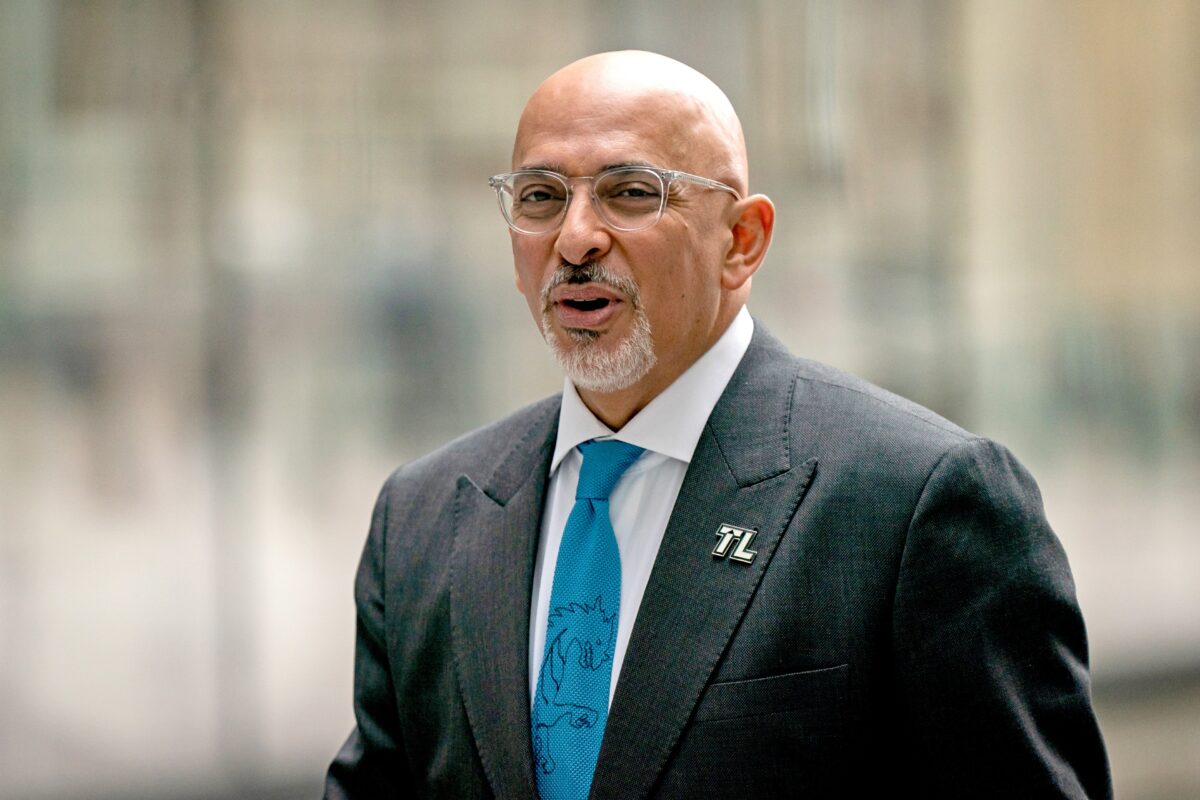
Zahawi, who was born in Iraq in 1967 and grew up in Britain, was a successful businessman before entering politics.
He was appointed as vaccines minister during the COVID-19 pandemic and played a key part in the rollout of the vaccines.
Jeremy Hunt
The former foreign secretary and ex-health secretary has been a persistent backbench critic of Boris Johnson and has called on the prime minister to quit.
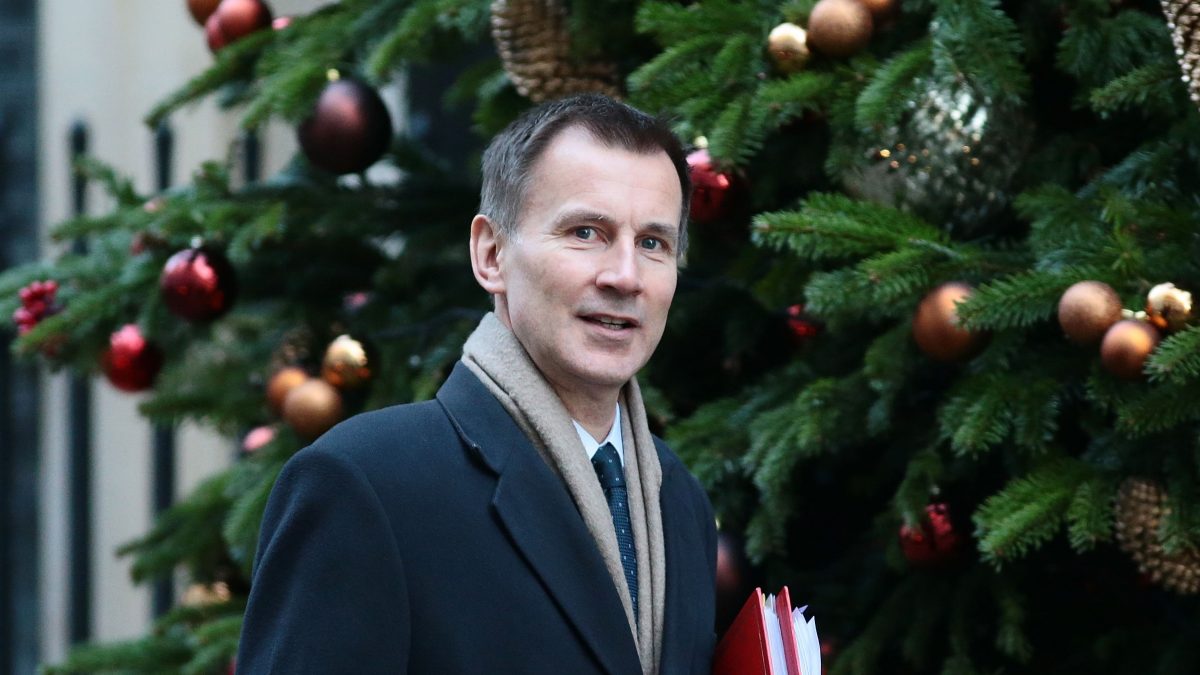
Hunt is widely expected to make a fresh bid for the Tory leadership, having been runner-up to Johnson in 2019.
As chairman of the Health and Social Care Select Committee in the House of Commons, he has used his position to make a number of critical interventions on the government’s handling of the pandemic, although his strong support for lockdown measures will not have pleased all Tory MPs.
Penny Mordaunt
Penny Mordaunt made waves in 2019 as the UK’s first female defence secretary before being fired by Boris Johnson shortly after becoming prime minister.

Mordaunt played a prominent role in the Leave campaign in the 2016 Brexit referendum, and has previously reportedly enjoyed the backing of Dame Andrea Leadsom among others.
PA Media contributed to this report.
 Friends Read Free
Copy
Facebook
Tweet
Friends Read Free
Copy
Facebook
Tweet