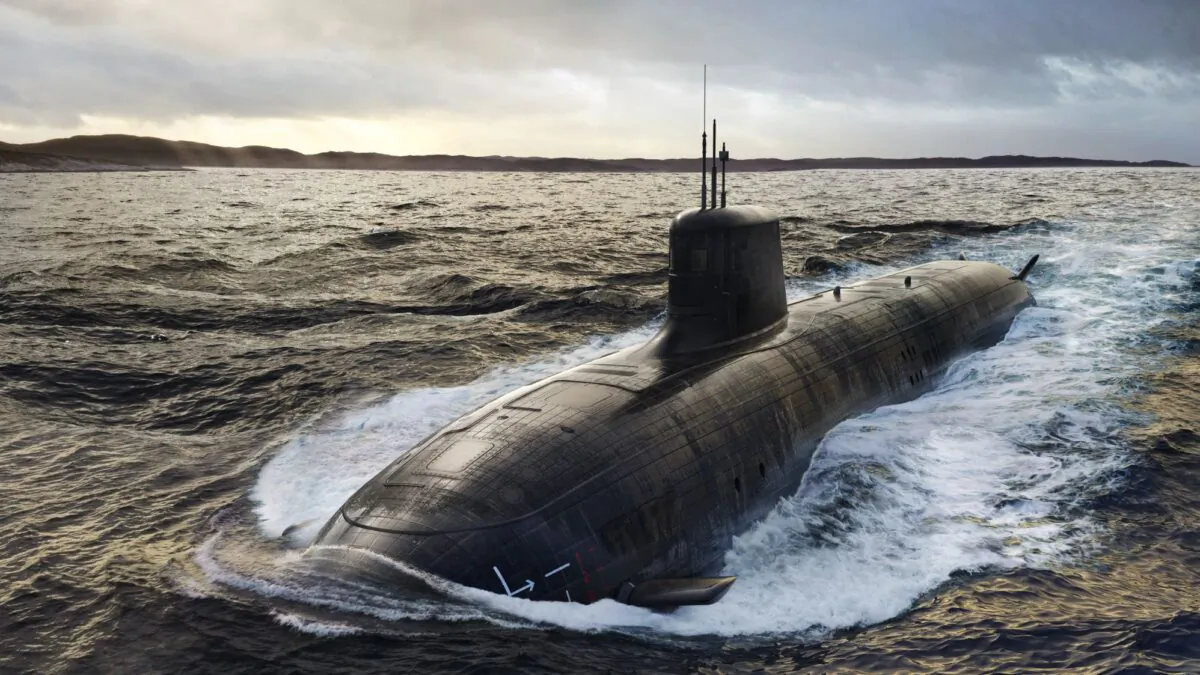

Australia’s Foreign Minister Penny Wong has emerged from her meeting with U.S. Secretary of State Marco Rubio in Washington with some degree of reassurance about the future of the AUKUS submarine project.
Australia has already made payments totalling $800 million ($526 million) toward the approximately $350 billion ($230 billion) project, which would provide the country with nuclear-powered attack submarines.
The pair met as part of the Quad foreign leaders’ summit, the second time in six months.
AUKUS is currently subject to review by the Pentagon, led U.S. Undersecretary of Defense Elbridge Colby, and is being considered as to whether it fulfil’s President Donald Trump’s “America First” stance.
Wong said there was “a good discussion about AUKUS and a very good discussion about the positive benefits of AUKUS” but there was yet any firm guarantee about whether the pact would be impacted by the review.
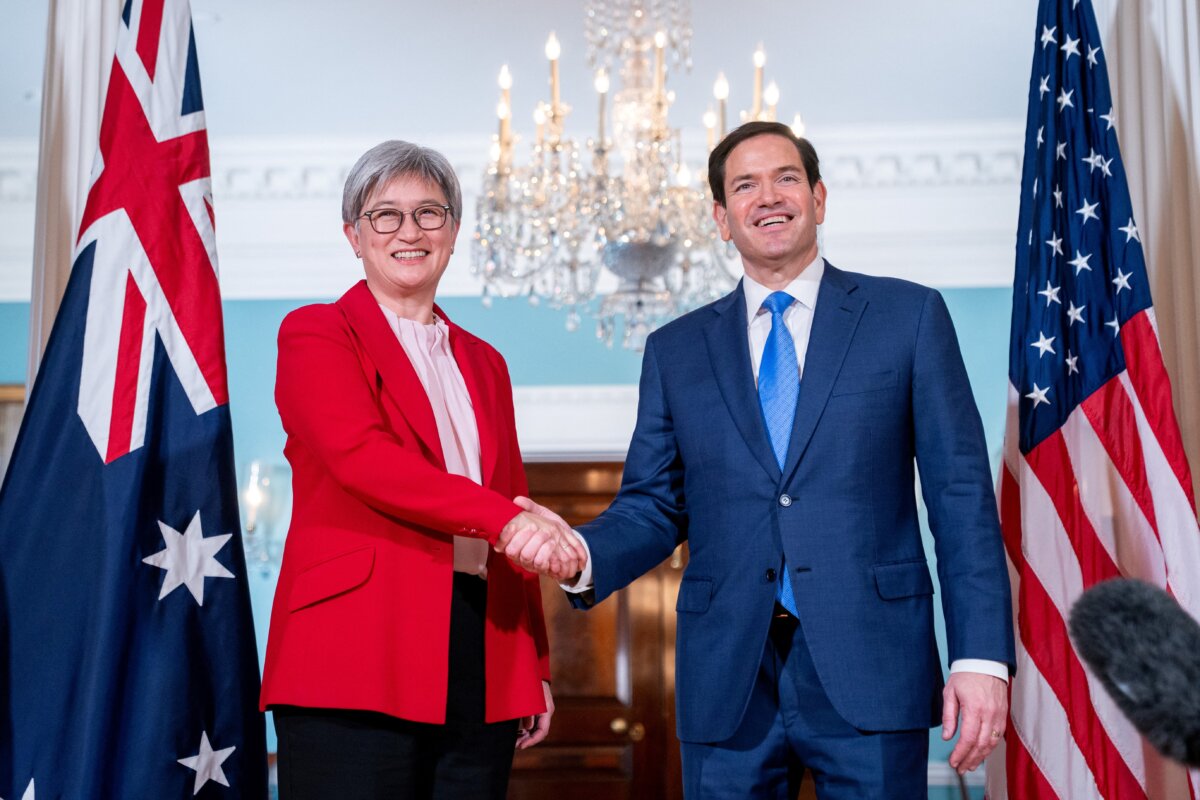
However, the additional capability it would bring to the Indo-Pacific region “is well understood here in Washington, and certainly something the [U.S.] secretary well understood,” she said.
“We understand the new administration is going to engage in a review; that is not surprising, the United Kingdom [also] did so,” Wong said.
“This is a multi-decade partnership; it will take governments and administrations of both political persuasions many years to deliver. We will continue to work with the United States and the United Kingdom on delivering it.”
Australia would provide information to the review “as and when requested,” she said.
Opposition Applies Pressure on Tariff Talks
Opposition defence spokesperson Angus Taylor said AUKUS was “absolutely crucial” to Australia’s prosperity and security, but said “we are still no clearer about where this review is heading, what’s expected of us, and how we jointly make the most of the AUKUS arrangements.”
He claimed Wong was returning to Australia “empty-handed.”
“No real progress on tariff barriers, no progress on setting up a meeting—it’s anyone’s guess as to when that’s going to happen.”
In turn, the foreign minister said she had advocated “strongly” for the removal of the recently introduced baseline tariff of 10 percent on all Australian goods sent to the United States, and a 50 percent tariff on steel and aluminium.
While Wong has met Rubio on several occasions, Prime Minister Anthony Albanese has been under pressure to secure a meeting with Trump to negotiate an exemption from the tariffs.
The two leaders were scheduled to speak on the sidelines of the G7 summit in June in Canada, but the meeting was abruptly cancelled when the president departed early due to instability in the Middle East.
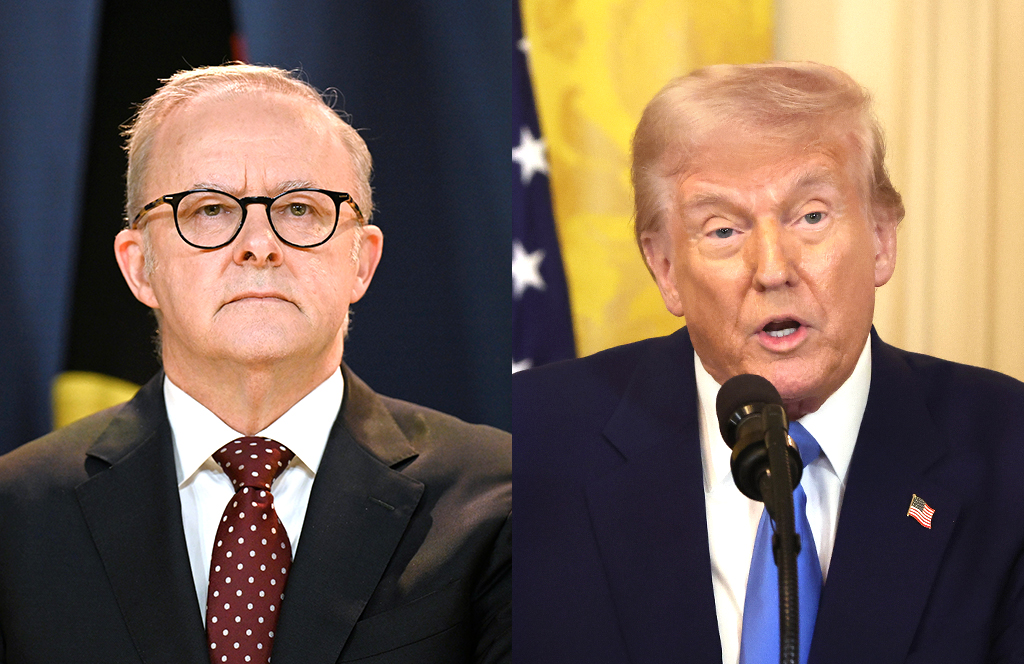
Senator Wong said Rubio expressed regret about the missed opportunity and stated that Trump was “keen” to meet Albanese, although a date had yet to be set. One possibility could be after the U.N. General Assembly in New York in September.
Both Trump and the U.S. Defense Secretary Pete Hegseth are pushing Labor to lift Australia’s defence spending to 3.5 percent of GDP, but the federal government is resisting.
However, Wong said that was not raised in the recent visit.
Australia plans to increase its defence budget from about $53 billion a year, or about 2 percent of GDP, to an estimated $100 billion, or 2.4 percent of GDP, by 2033/34.
“What we did discuss is the number of areas of cooperation that we want to see more concrete outcomes in. Critical minerals is one of them, maritime security is another,” she said.
The United States wants to diversify global supplies and processing of critical minerals, with Rubio saying it “just one example of many” on which the two countries “can focus on and build upon and achieve some real progress on.”
Other Quad countries, including Japan and India, are also keen to fortify their supply chains against Chinese dominance.
Wong said progress on critical minerals was part of efforts to secure “concrete outcomes” leading to a stable and peaceful Indo-Pacific region.
“Australia has, I think, 36 of the 50 critical minerals. We certainly have a capacity to do more … to secure those supply chains,” she said.
 Friends Read Free
Copy
Facebook
Tweet
Friends Read Free
Copy
Facebook
Tweet