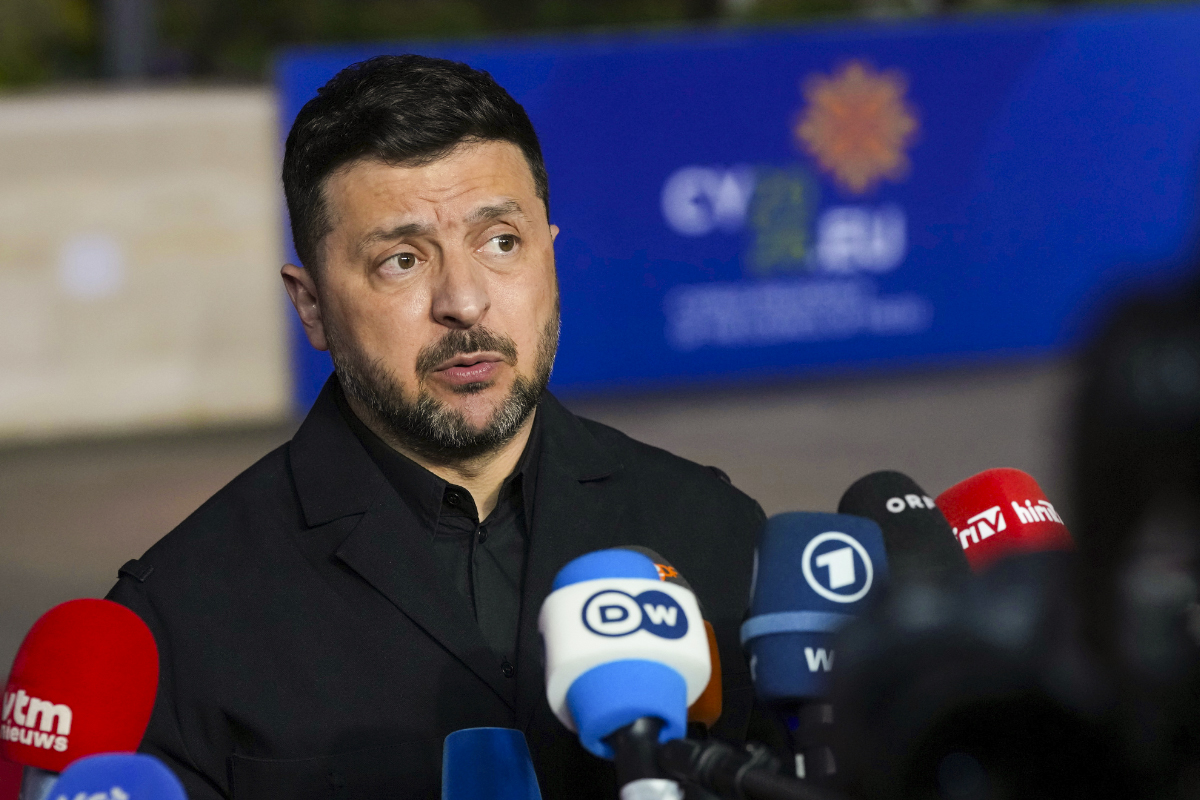
Ukrainian President Volodymyr Zelenskyy published an open letter to Russian President Vladimir Putin on June 4 proposing that the two leaders meet to agree an end to more than four years of war.
In the letter, posted on Ukraine’s official presidential website, Zelenskyy said that with the United States focused on the conflict in Iran, he was proposing a meeting because “it would be wrong to simply wait until the war in Europe returns to the center of its attention.”
“The front line today is the line from which diplomacy must begin,” he wrote, adding that Ukraine is “ready for a full ceasefire for the duration of the negotiations. This is standard practice.”
He said the United States “has the capability to monitor a ceasefire along the line where hostilities stop.”
Zelenskyy proposed setting a date for a meeting and said several countries had “traditionally hosted leaders to resolve issues of war and peace,” citing Switzerland, Turkey, and “countries of the Arab world.”
He said that neither should meet in each other’s countries.
“Everyone heard your representatives, smiling, say that I could supposedly come to Moscow. But after these 26 years, there is nothing for a Ukrainian leader to do in your capital — just as there is nothing for a Russian leader to do in Kyiv,” he said.
He said that if Putin does not conclude that it is time to end this war, “Ukraine will continue fighting for its existence.”
The Kremlin said it had seen Zelenskyy’s letter and that Putin would be briefed on it.
Ukrainian Foreign Minister Andrii Sybiha said in a post on X that the letter would also be sent officially through diplomatic channels.
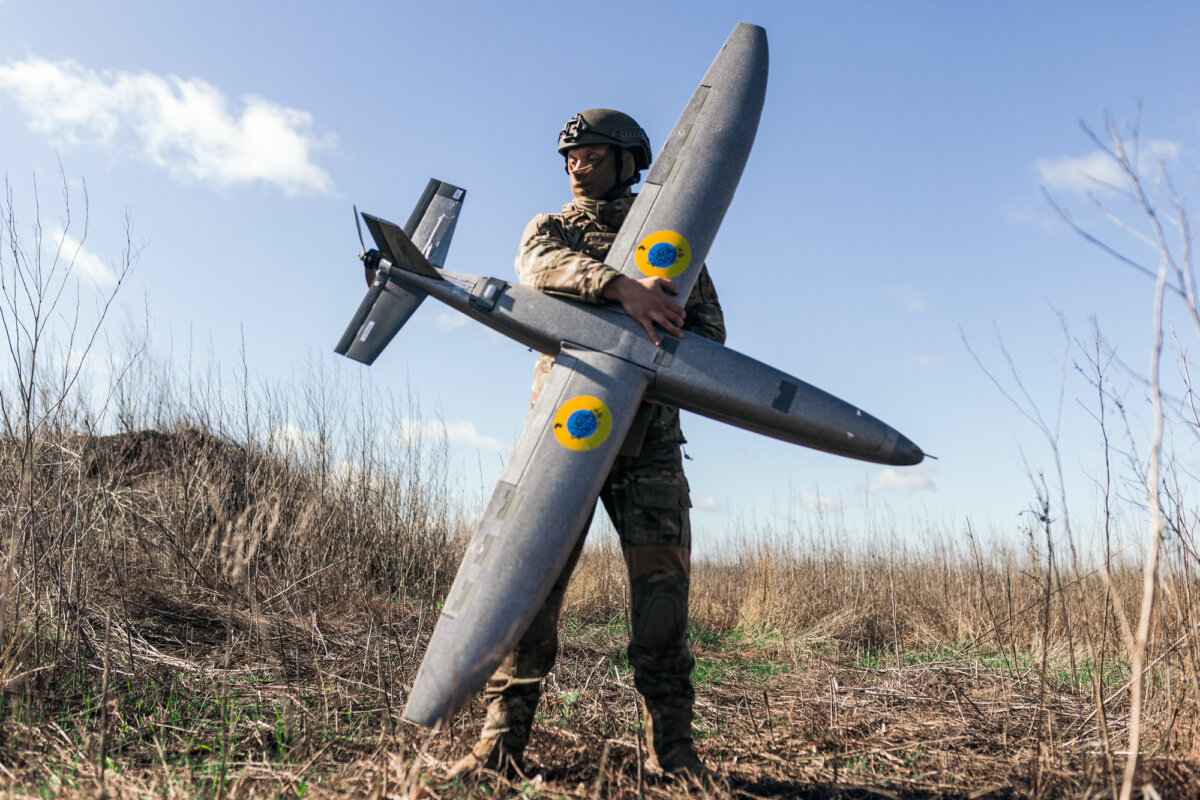
“This open letter is a serious and meaningful proposal to end the war. Directly from President of Ukraine — to the President of the Russian Federation,” Sybiha wrote. “With clear, doable steps and an invitation for a personal meeting. We expect a meaningful response to this proposal. It’s time to end this war. It’s time to choose peace.”
For the first time in several years, a delegation from the United States is attending the St. Petersburg International Economic Forum (SPIEF), often described as the Kremlin’s equivalent of the World Economic Forum.
The event began on June 3 and runs until June 6.
Putin is scheduled to speak at the event on June 5 and will not meet with any members of the American contingent.
The Kremlin’s presidential press secretary, Dmitry Peskov, said that there are “no plans” for Putin to meet or speak with the U.S. delegation, Russia’s state-owned news agency TASS reported on June 4.
Russian Foreign Minister Sergey Lavrov said in an interview with Russian newspaper Izvestia on the sidelines of the SPIEF, as reported by TASS on June 5, that there had been no progress in resolving matters related to Ukraine since last year’s August Anchorage summit.
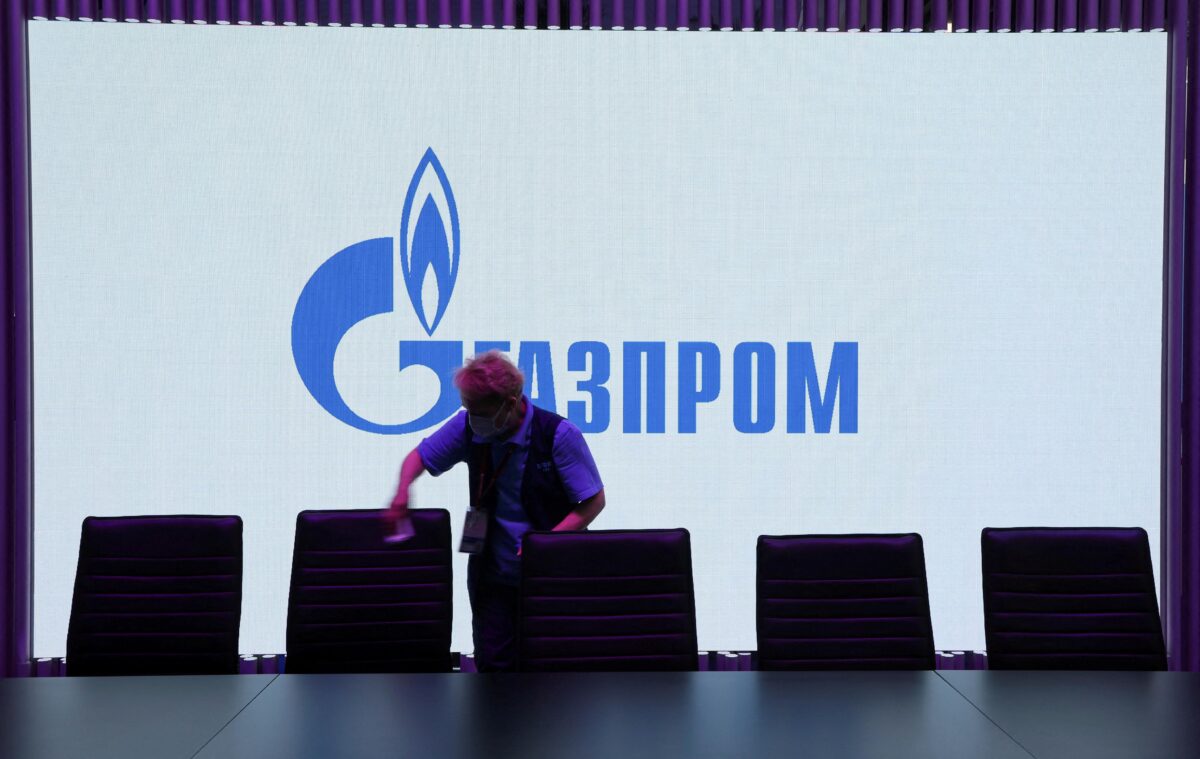
“On August 15, it will be one year since the Alaska summit was held to consider American proposals on Ukraine. The Russian leadership accepted these proposals. And since then, we have not seen any progress, no desire to convince Ukraine to accept these American proposals,” he said.
“The Pentagon’s budget includes an article in this area to ensure assistance to Ukraine’s security for the period up to 2029. In other words, this is no longer the Biden legacy, this is the decision of the current administration.”
On June 4, the U.S. House of Representatives passed legislation that would aid Ukraine and sanction key segments of the Russian economy. Lawmakers voted 226–195 to pass the Democrat-led bill, dubbed the Ukraine Support Act.
The legislation seeks to cement U.S. assistance for Ukraine by providing more than $1 billion in security and reconstruction aid. It would make another $8 billion available for Ukraine’s defense through loans.
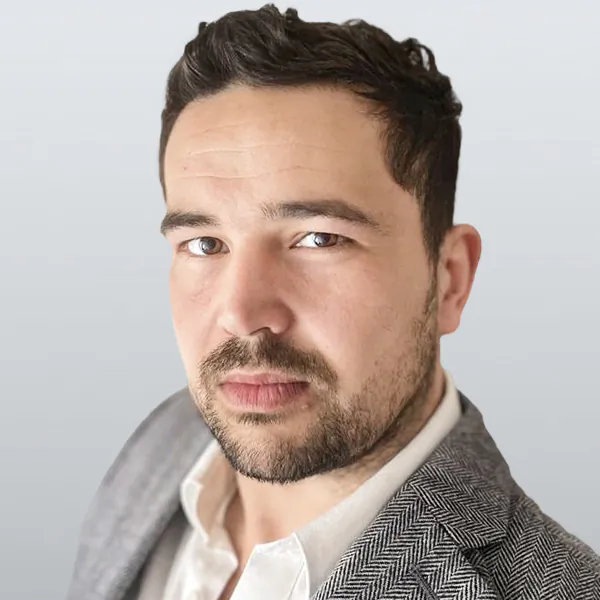
Guy Birchall, Reuters, and The Associated Press contributed to this report.
 Friends Read Free
Copy
Facebook
Tweet
Friends Read Free
Copy
Facebook
Tweet