



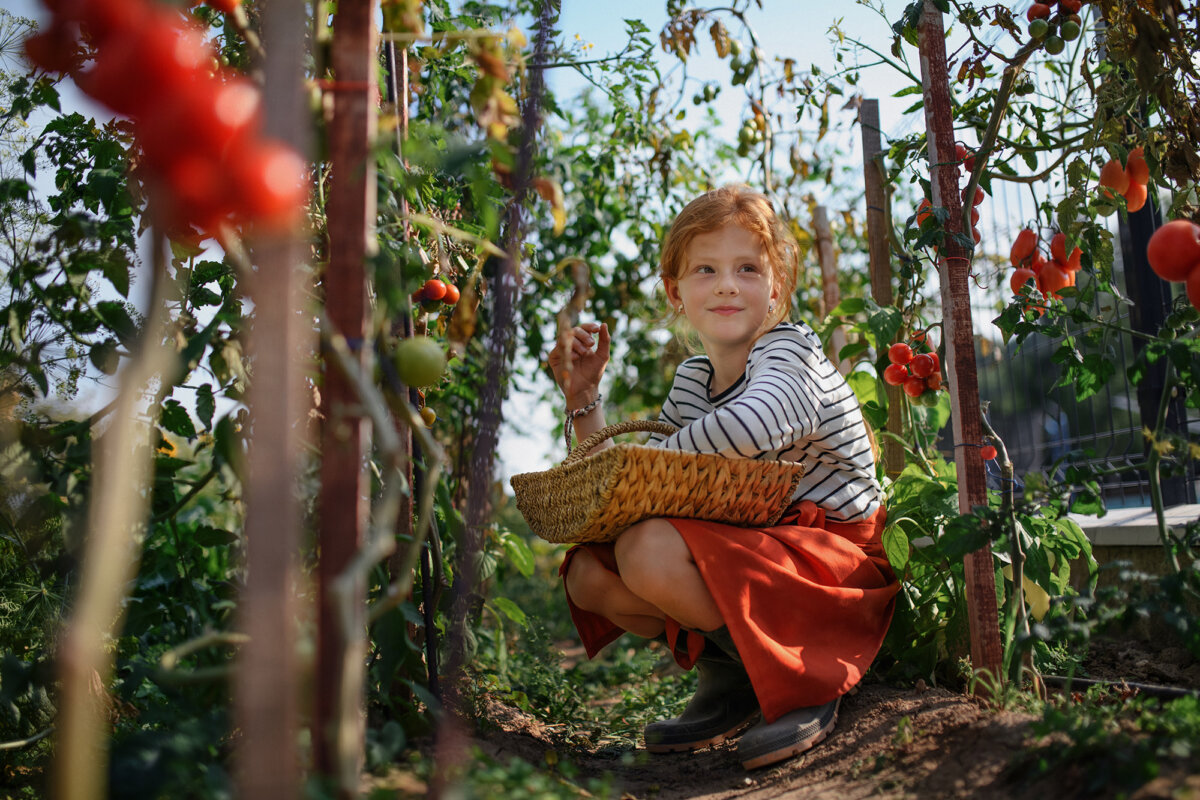
Don’t toss that cheap summer kiddie pool just yet. Drill some holes in the bottom and fill it with some yard soil to create a separate raised bed for the young ‘uns where they can experiment to their hearts’ content.
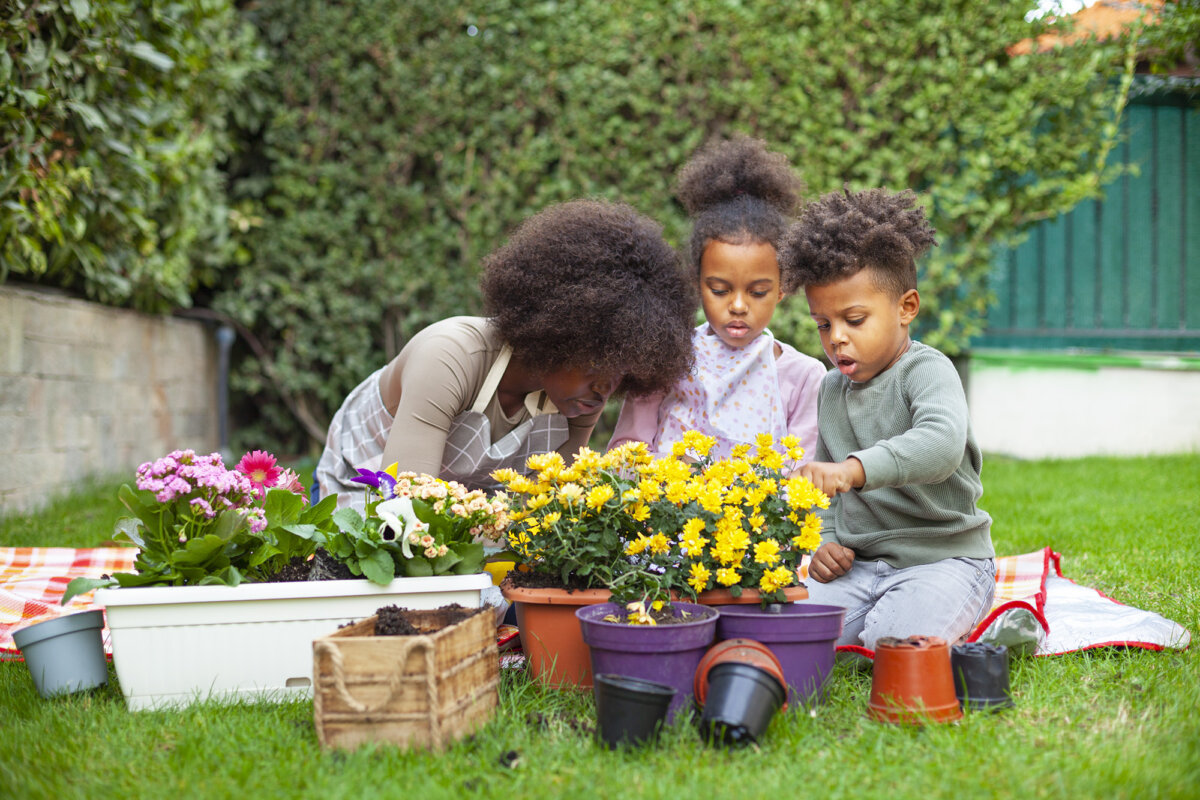
No kiddie pool? No problem. Pots and planters will work equally well, particularly for apartment dwellers and those in colder climates with shorter fall growing seasons, where some plants may need to be moved to protect them from frost. Or simply give the next generation of gardeners their own small section in the garden.
The goal is to get them growing in a manageable space that is encouraging, not overwhelming.
Sized Right
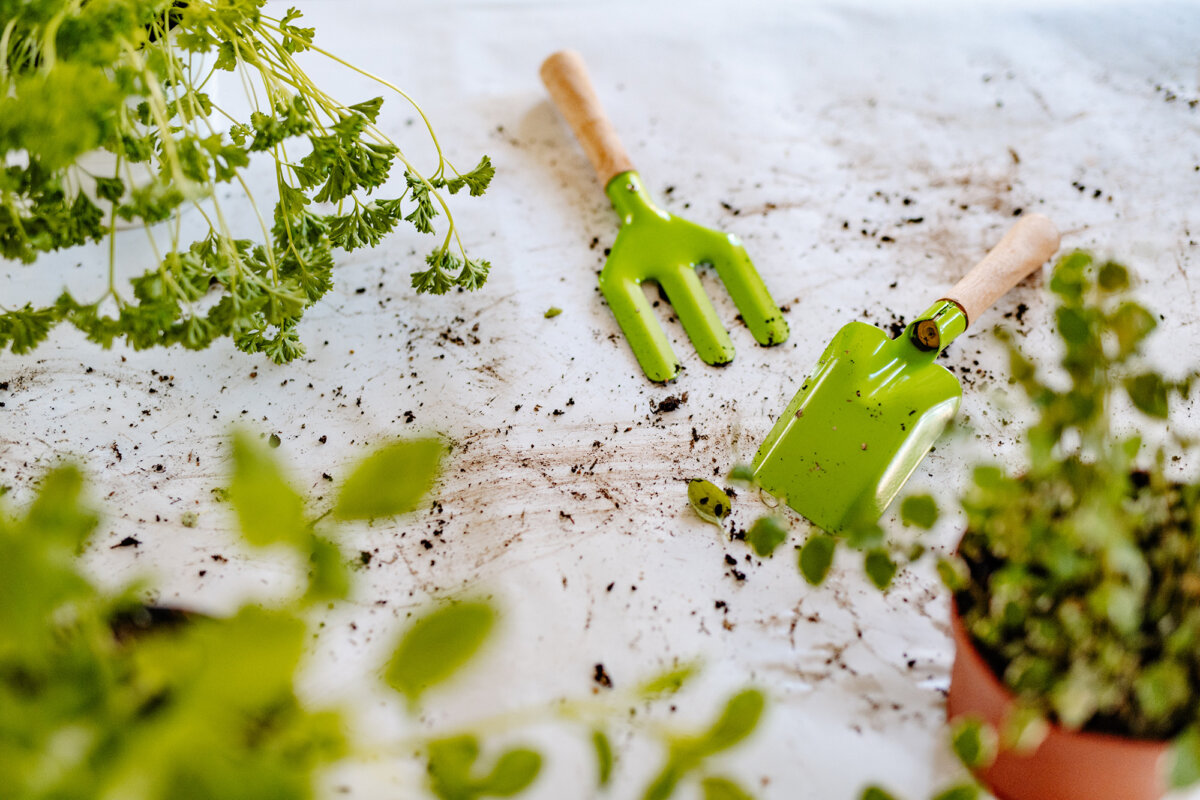
While the size of the garden can be somewhat flexible, the size of the tools shouldn’t be. For both comfort and safety, it’s important to get youngsters an age-appropriate set of kid-sized garden tools. Make sure they’re genuine tools—sturdy steel heads, real wood handles, or quality plastic equivalents—instead of toys, which may easily break and are more suited to playtime in a sandbox or at the beach.
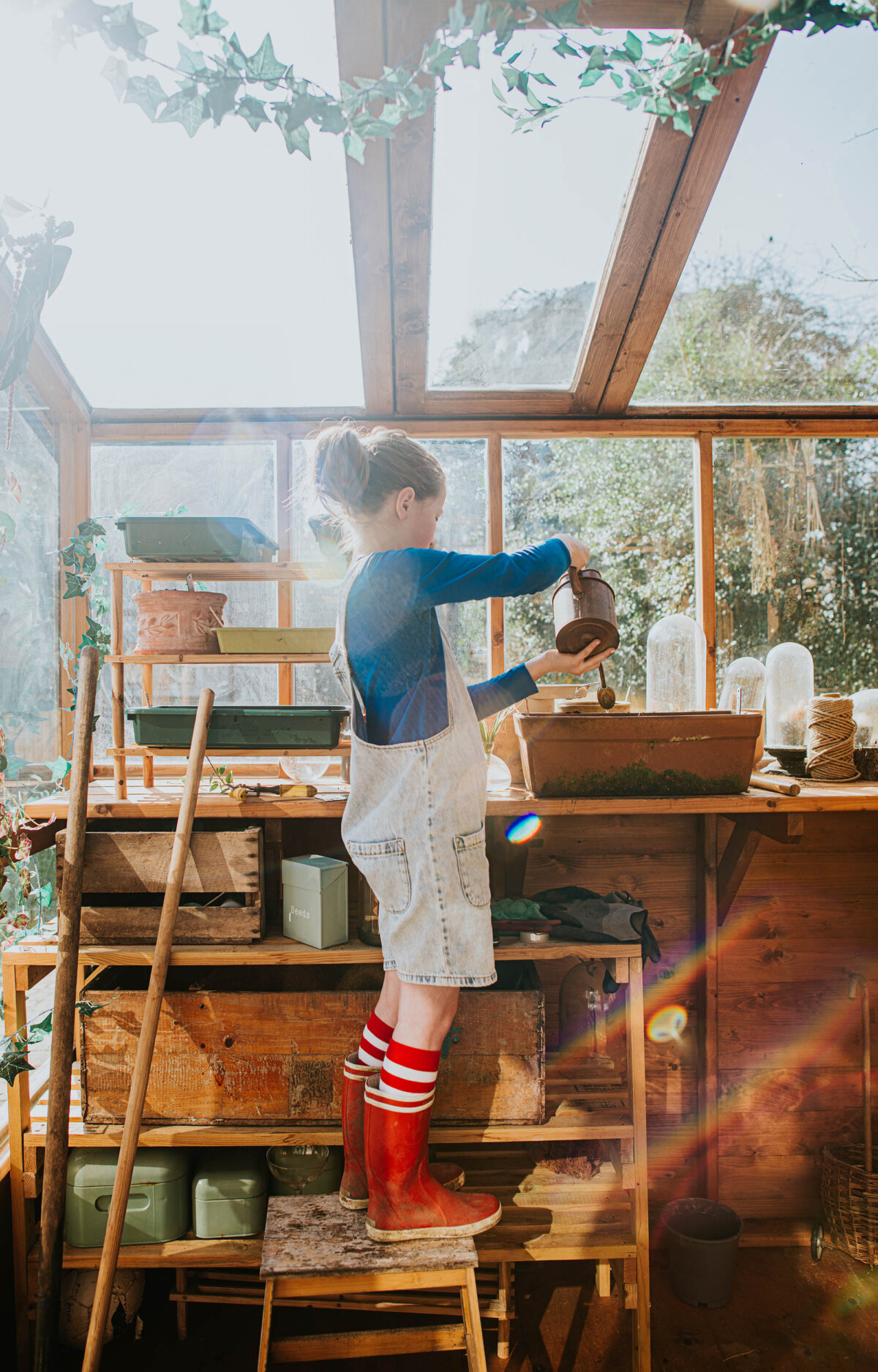
Don’t forget to add a kid’s watering can, which is easier to lift. It should feature a nozzle with small holes so that the water flows gently and evenly and doesn’t harm plants if the kids get a bit enthusiastic with the water.
Toss in a canvas garden tote or garden wagon to make things even more fun. Create an element of “adventure” about the entire project. and be understanding about mistakes.
Easy Choices
Plants that grow quickly are always a hit, which places beans and peas at the top of the list. Some beans can be nibbled on while they grow, adding another layer of fast satisfaction, and have large seeds, which are easier for young hands to handle. Build a structure—perhaps a teepee of fall-trimmed tree branches—for a charming Jack and the Beanstalk élan.
Plant some easy-to-grow pumpkins and squash, which also feature oversized seeds, to sprawl dramatically around the garden. They take a bit longer to mature, making them best utilized as fall planting in more southern climes. Opt for a fast-maturing variety to beat the first frost and give the kids results sooner.
Cherry tomatoes provide a delicious and brightly colored ongoing harvest; plant them in a container if they’ll need to be brought indoors.
Quick-harvest carrots and radishes are a great choice for impatient young growers. And one can’t go wrong with leaf lettuces, particularly the colorful varieties. Resist rainbow Swiss chard—it’s beautiful, but youngsters may not have the sophisticated palate for it.
Tasty and Aromatic
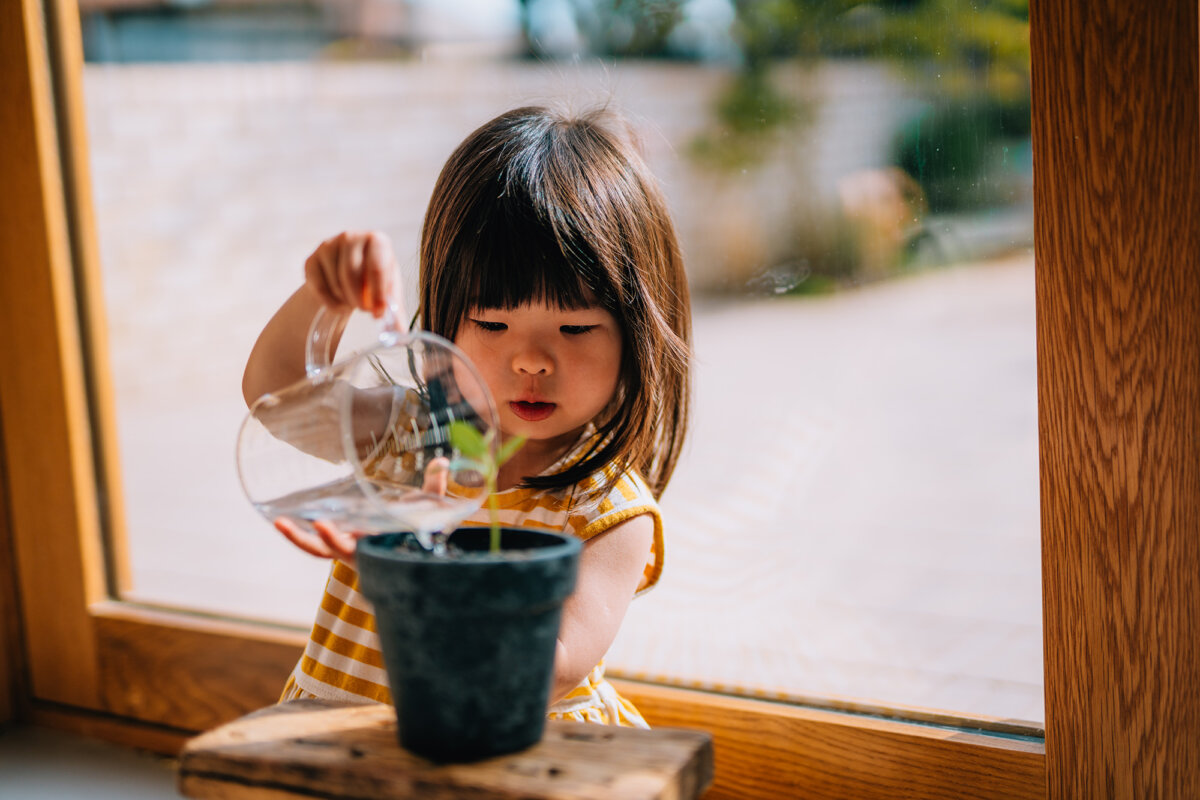
Got a budding young chef? Herbs are easy to grow and can be started in pots now and then be grown indoors all winter long. Children are very sensory individuals, which is another reason fragrant herbs are a wonderful starter choice.
Mint and basil, in particular, sprout easily from seeds or cuttings and come in a wide range of scents, including spearmint, chocolate mint, apple mint, orange mint, sweet basil, purple basil, cinnamon basil, lemon basil, and much more.
One of the easiest ways to intrigue toddlers is to put some cuttings in a jar of water on a windowsill and watch their amazement as the roots soon appear.
Floral Adventures
Zinnias grow readily from seed, producing a wide variety of colors, bloom sizes, and petal patterns for a wealth of “oohs and aahs” from a single variety packet. Have the little ones cut the flowers to make indoor arrangements, and they’ll keep producing until the first frost, because cutting encourages more blooms.
Marigolds are another child-friendly choice, providing quick and ongoing blooms and an opportunity to teach kids about plants that help keep pests and disease out of the garden.
Dahlias are a late-summer-into-fall favorite with their huge flowers, and they provide an opportunity to teach children how to stake plants as they grow. Nasturtiums and calendula (often called “pot marigold”) add another layer of science: an introduction to the world of edible flowers.
Those in a frost-free zone can even go for the always-outstanding sunflower experience. In addition to the single-flower giants, there are multi-flower, fast-growing varieties for those less patient kids. The rest of the country, unfortunately, will have to wait until next spring.
Proper Oversight
Let the young gardeners choose what to plant, even if they’re not plants that are normally grouped together. It’s about giving them dominion over their soil. The exception is if the planting combination will impede another plant’s growth, reducing their chance of a successful outcome. You can check online before planting.
Despite all your best efforts, some plants may not make it, and that’s OK. The home garden is an opportunity for children to safely experience plant success and failure and to build the skills and knowledge they’ll need to plan a better outcome next time.
_________________
Parent Pro Tips
A little bit of clandestine adult assistance or outright help won’t go amiss. The idea is to keep the garden a happy place. Don’t let it become a chore.
Relaxed Attitude
Be prepared to go where the child’s enthusiasm leads. A colorful butterfly may cause them to momentarily lose interest in their plants. That’s OK—this is an opportunity to teach them about pollinators.
Beyond Plants
Let the young DaVincis paint pots and rocks and make their own personalized plant markers. Older kids may enjoy making garden ornaments out of mosaics. Hand them a camera, and let them snap away. Have fun!
Young Scientists
Are they fascinated with worms in the soil? Fall is a good time to start a compost bin (get them a compost thermometer!) or worm farm (vermicompost). For the latter, start small so it can be brought into the garage over winter. Or simply turn over some pots and let them explore the critters accumulated beneath.
