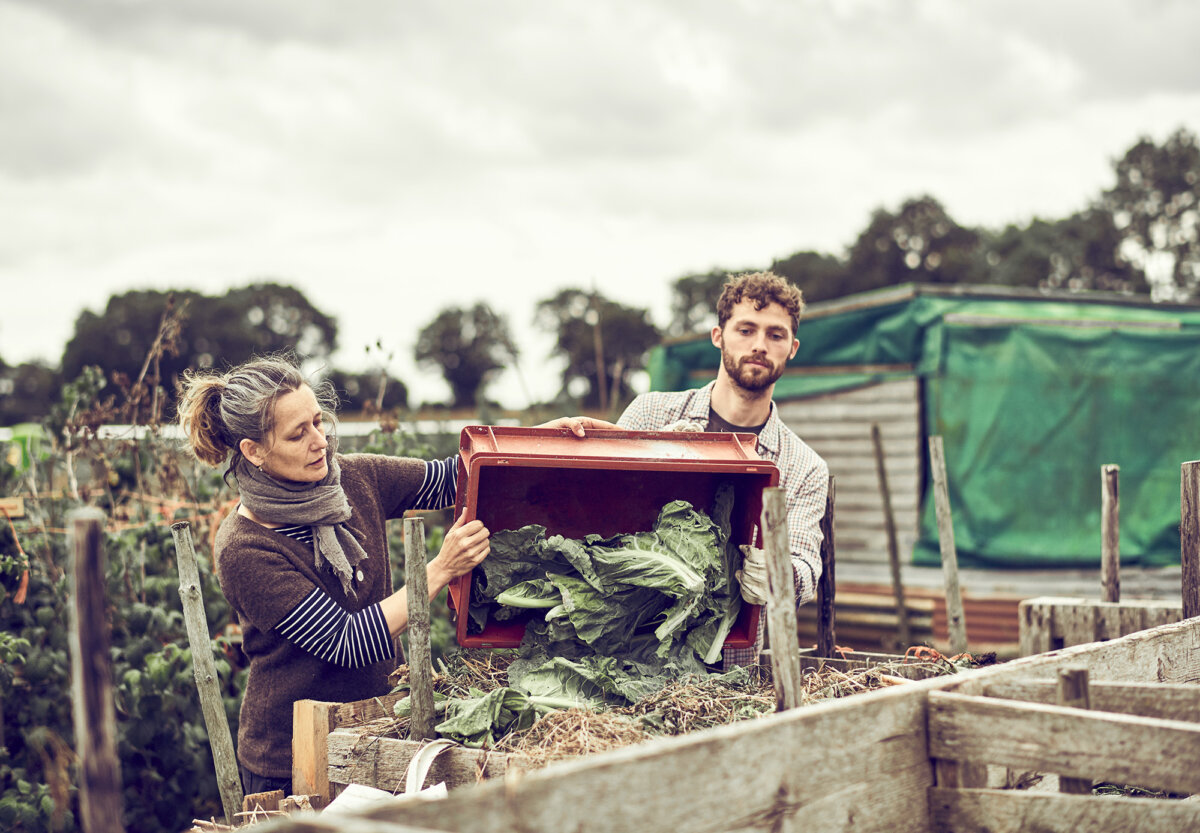
Composting diverts organic waste from landfills, reduces gas emissions, and creates nutrient-rich soil. That’s why many gardeners love composting. But what happens to your compost pile in the winter?
Although the weather has both positive and negative impacts on outdoor composting, freezing temperatures and excessive precipitation create challenging conditions. But your composting doesn’t have to stop in the winter. It’s all in how you prepare and maintain your pile.
Finished Compost
Before you start, harvest any finished compost to make room for winter additions. Compost piles up quickly in the winter because decomposition is slow. Harvesting is critical if you are working with small bins or tumblers.
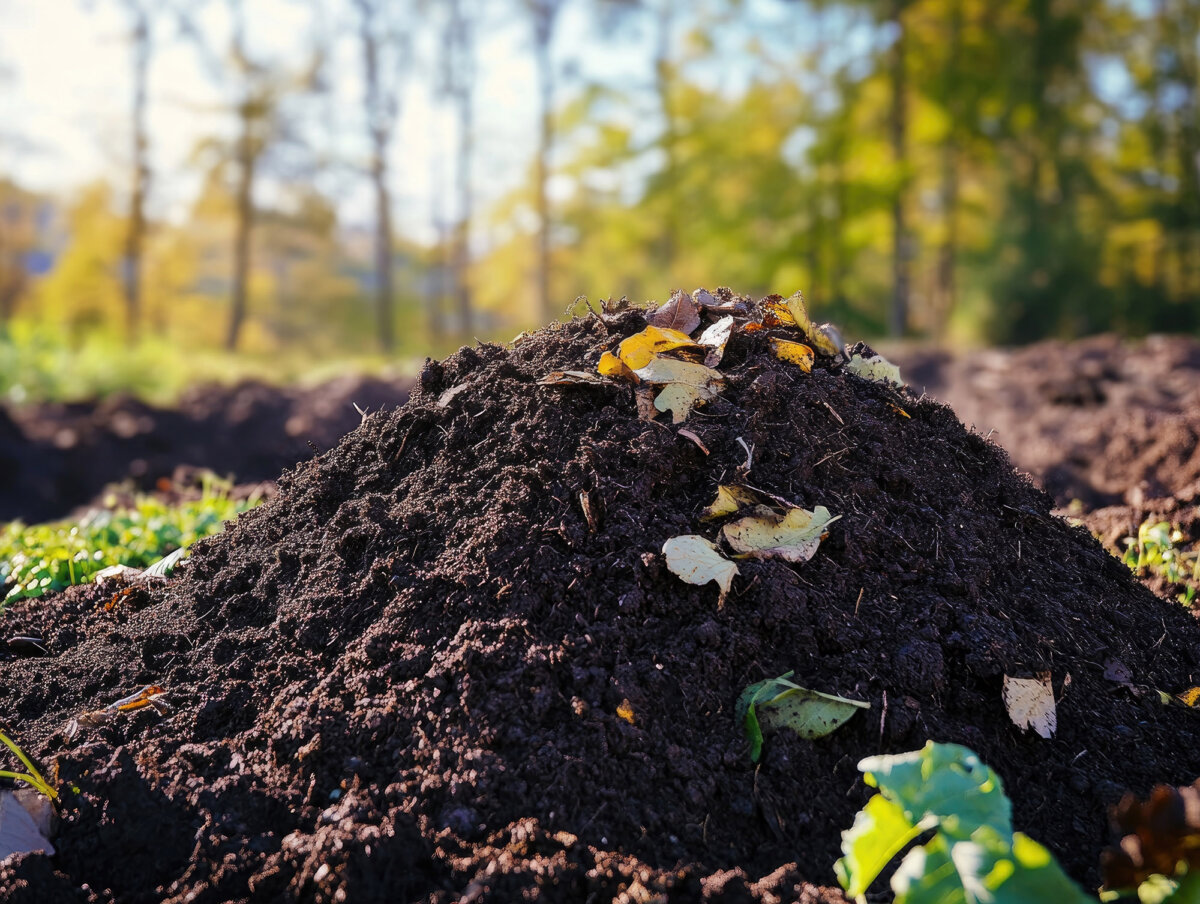
Compost is ready to use if the original organic materials are no longer recognizable. It must also be dark and crumbly and have an earthy odor. You can either spread it in the garden or save it for spring. To store it, keep it in lidded bins or cover it with a tarp to prevent it from becoming soggy.
Insulating Your Compost Pile
Steve Corcoran, CEO of Lawn Love, told The Epoch Times: “To winterize your compost pile, you need to insulate it. Compost needs a little bit of heat in order to work.”
Cold temperatures don’t halt composting, but they do slow it down. Active composting is dominated by thermophilic (heat-loving) bacteria, which thrive between 113 degrees and 167 degrees F, according to the Illinois Extension. Below 68 degrees, psychrophilic (cold-tolerant) bacteria take over the decomposition process. It still works, but more slowly.
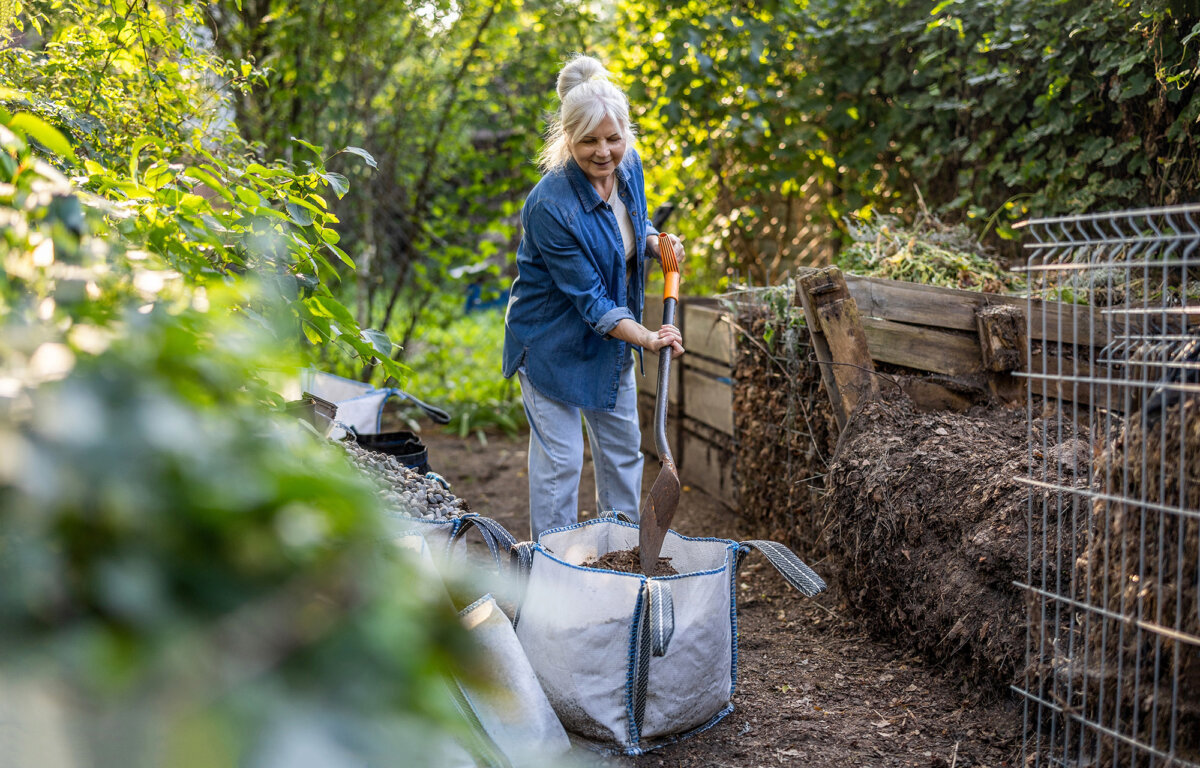
To keep the pile insulated, Corcoran suggested adding a thick layer of materials such as leaves, straw, or pine needles to the top of the pile. Then, cover it with something such as cardboard.
“Leave some space between the compost and the covering, because that will help with heat retention, too,” he said.
It can also help to improve insulation around the sides of the pile. “You can use anything from bubble wrap to old bedsheets,” Corcoran said.
A tarp can also help keep in the heat and prevent the pile from becoming soggy. Too much moisture can leach nutrients and lead to an anaerobic condition.
Layer Greens and Browns
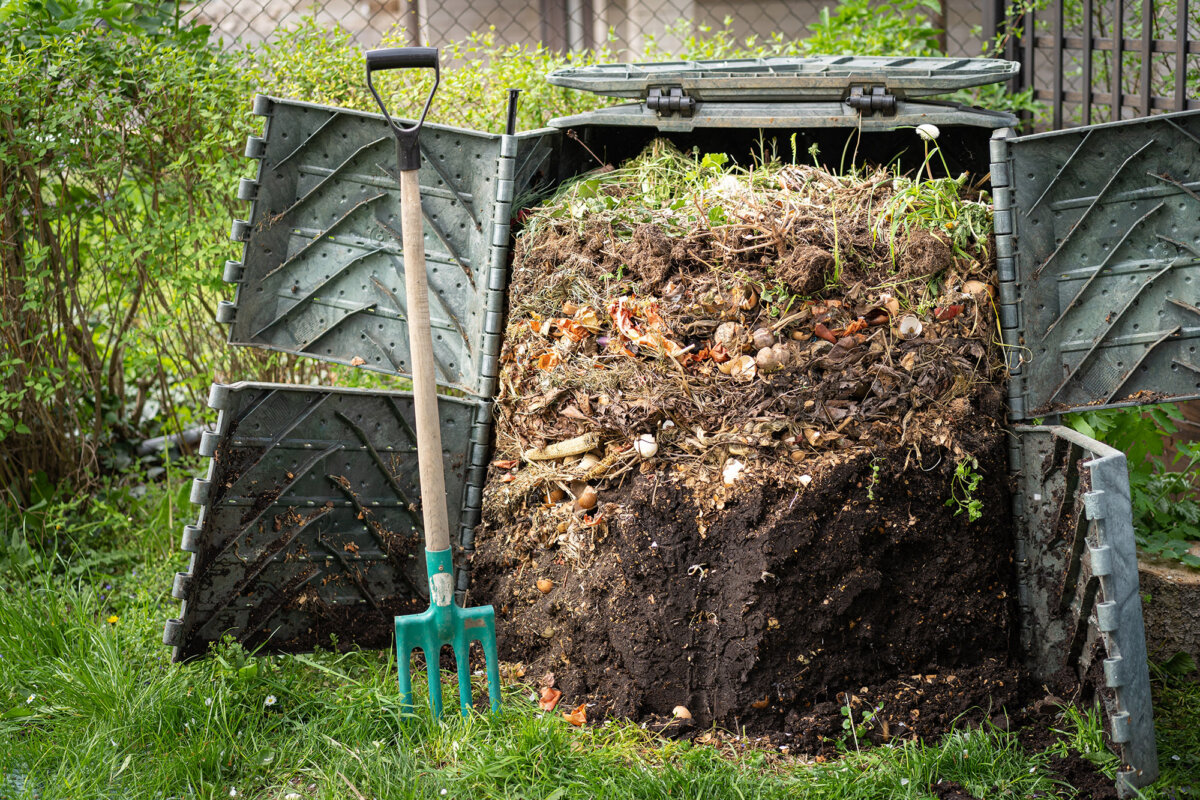
Just like you layer greens and browns in the summer, it’s important to do so in the winter. Greens are your nitrogen-rich materials such as fruit, vegetable scraps, and coffee grounds. Browns are carbon-rich materials such as dry leaves, straw, and shredded paper.
Don’t add just greens throughout the winter. If you do, you will create a stinky, wet mess in the spring thaw. Browns will improve drainage and help balance the pile’s nutrients.
Eliminate Turning Frequency
You want your pile to stay warm, but every time you uncover your pile to turn it, you are releasing heat from the interior. This slows decomposition further. There isn’t a need to turn during the winter months—wait until the pile has thawed in the spring. In the meantime, you can cut or shred both green and brown materials smaller so they will decompose faster without needing to be turned.
Avoid Invasive Plants in the Pile
Avoid adding invasive plants or their seeds to your compost pile in the fall or winter. Hot composting temperatures are needed to destroy most pathogens and weed seeds. Because decomposition temperatures are lower, these plants may not be destroyed.
Compost Pile May Steam
It is very rare for compost to catch fire, but during cold weather, it might appear to be smoking. Your compost pile stays warm in the winter, and when the heat hits, it cools. As a result, your pile may steam in the winter.
Snow may also melt off your pile throughout winter. This is a sign of a healthy, active compost pile and shouldn’t be cause for concern. According to Michigan State University, a pile would have to reach internal temperatures of 300 degrees to 400 degrees F to catch fire, and that is extremely unlikely in winter.
Avoid Wood Ashes
If you have a fireplace, you may be tempted to dispose of the wood ashes in your compost pile. But this can actually do more harm than good.
Most beneficial organisms in compost piles prefer a pH that is neutral to slightly acidic, but large amounts of wood ash raise the pH above the optimum range. As a result, microbial activity declines.
What If Compost Freezes?
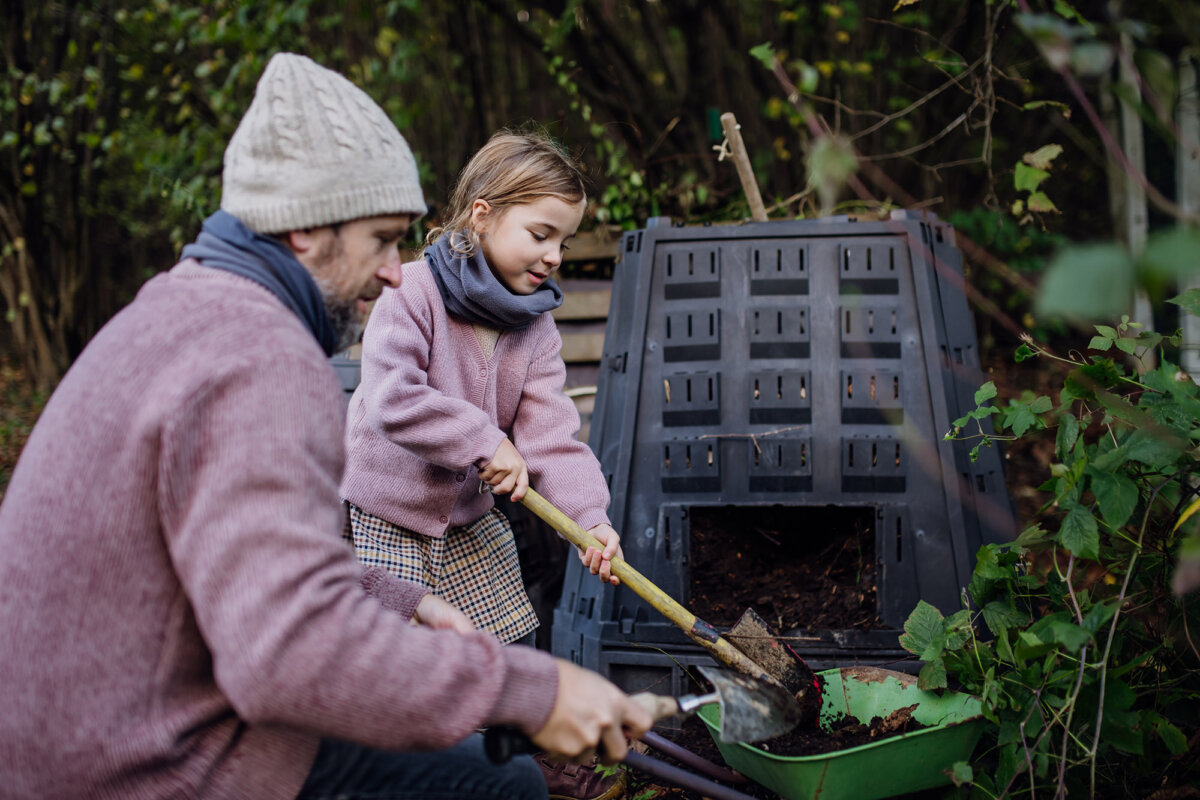
Smaller piles might freeze over, which halts the composting process completely. You can aid the thawing process by adding more brown material to create insulation layers. Use a rake or shovel to break up the frozen material and add the brown material. Don’t fret too much, though—the microbes aren’t killed even if the pile freezes solid. Instead, they will go dormant until the temperatures rise again.
Composting Year-Round
Just because old man winter has come to town doesn’t mean you have to stop composting. You can still add to your pile, even if it’s frozen. The breakdown process will start accelerating again as the temperatures rise.
If you take care of your pile this winter, you’ll have plenty of compost come spring.