Fresh flowers every day, every month.
Cut in the morning, arranged in my tall handmade Peruvian vase, poised showily on the dining room table for all to admire.
The fantasies home gardeners indulge in!
A bouquet a day is my goal with my flower garden, and with diligence, care, and discriminating plant selection, I come astoundingly close. Almost anyone can, except gardeners in the far north. From crocus in February to chrysanthemums in November, with extra-bonus blooms in December and January, every vase-full is a free treasure sent by nature.
People are often surprised that, in my quarter-acre garden and orchard, I devote almost as much space and attention to flowers as I do to vegetables. I’m a guy, what’s up? Shouldn’t I be growing ribeye steak?
Maybe, but I’ve loved flowers all my life. What gifts of life these gems are: graceful, vivid, scented, and artistic! They provide spiritual nutrition, and in our challenging world, that’s priceless. A basket of cut flowers is the perfect antidote to the morning news, and most of the flowers listed are easy to plant, propagate, and use, presented in rough order of bloom-time in most of the United States. I have personally grown all these and can vouch for all.
From March 1 to Dec. 1, diligent effort can provide home-garden bouquets to three-quarters of American kitchen counters. In the other three months, geography and weather variability might extend the season. Don’t whack down supposedly spent plants until they are truly done, the weather has unmistakably turned, and you’re packing for the Bahamas.
A word about bouquets: Place your flowers in cool water without amendments. Not warm water. No magic preservative salts. Keep them out of direct sun indoors. Check the water level every day—some flowers are astounding drinkers. Plain water’s what nature gives them outdoors, so give them the same indoors. This is somewhat opposite the prevailing gospel, but that’s for the highly engineered, chemical-laden flowers you buy at florists and grocery stores. At my farm, simplest is best.
Plus: Take pictures. Flowers like to pose. Don’t believe me? Ask them, they’ll stand tall and smile.
Spring
The start of the universal season of hope may find you shaking snow from daffodil blooms as you cut them. Three months later, the sun is high and the first real summer flowers are just opening up. What a time of change and variety!
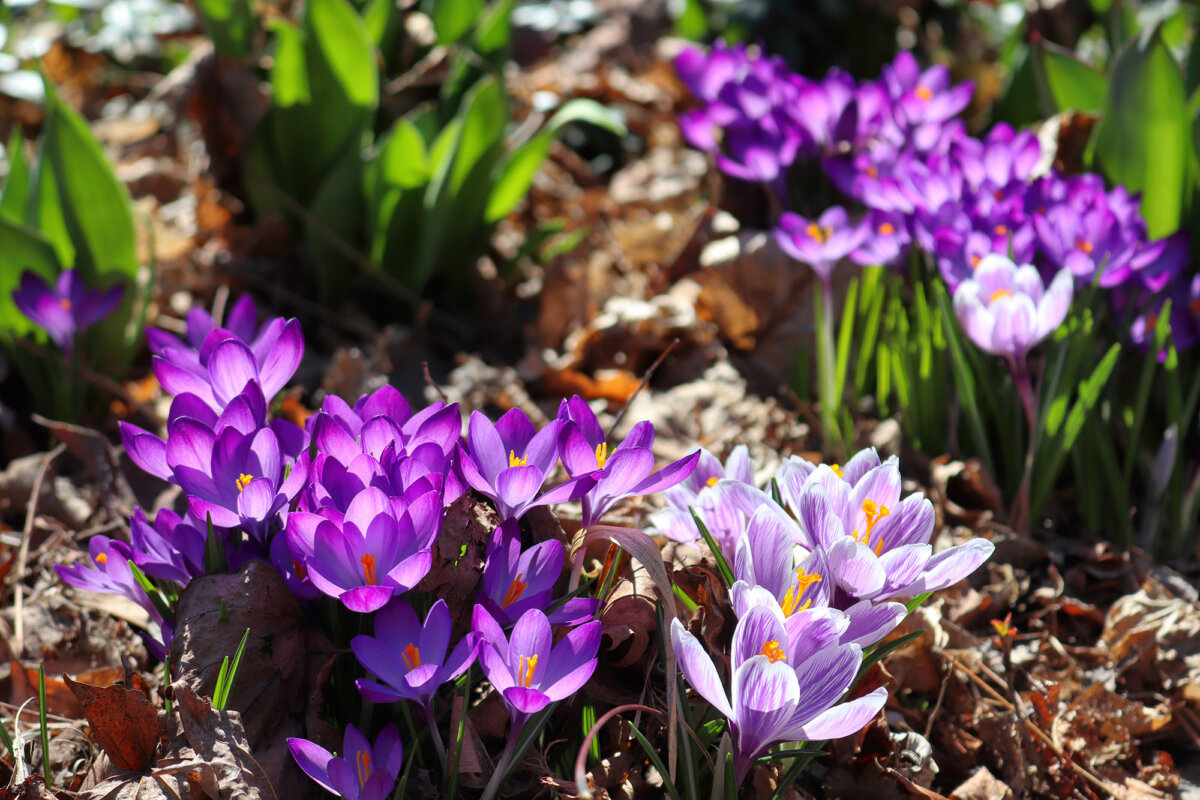
Snowdrops and Crocuses: These two most common February-March flowers have short stems but make a fine bouquet for a few days in a small vase. Snowflakes may still fly, but you’ll have blossoms on the counter. Hard to beat that!
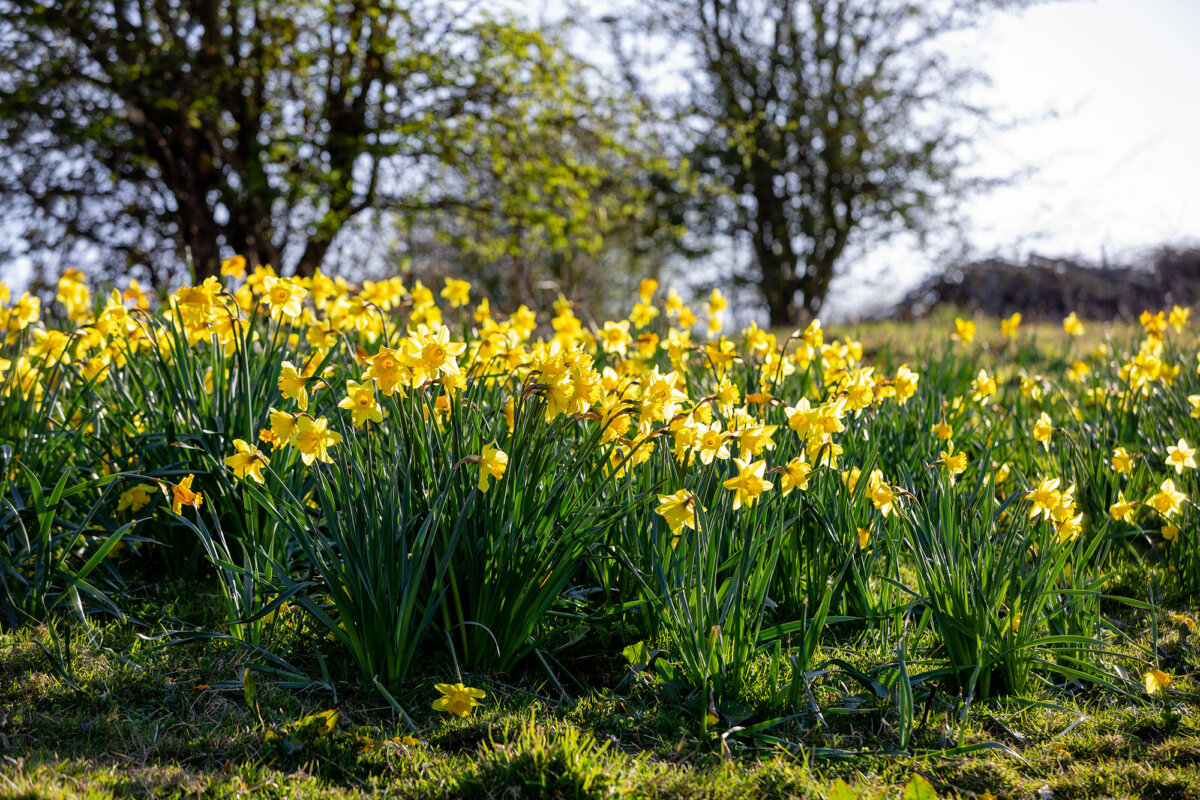
Daffodils: The first real exhibition flowers of spring pop up in March and April in a hundred shades of gold and cream. They are exceptionally easy to grow and are generally self-sustaining. I have several volunteer patches in our horse paddock, so that tells you how hardily carefree they are. The cut flowers last a week or so. Some kinds are mildly fragrant.
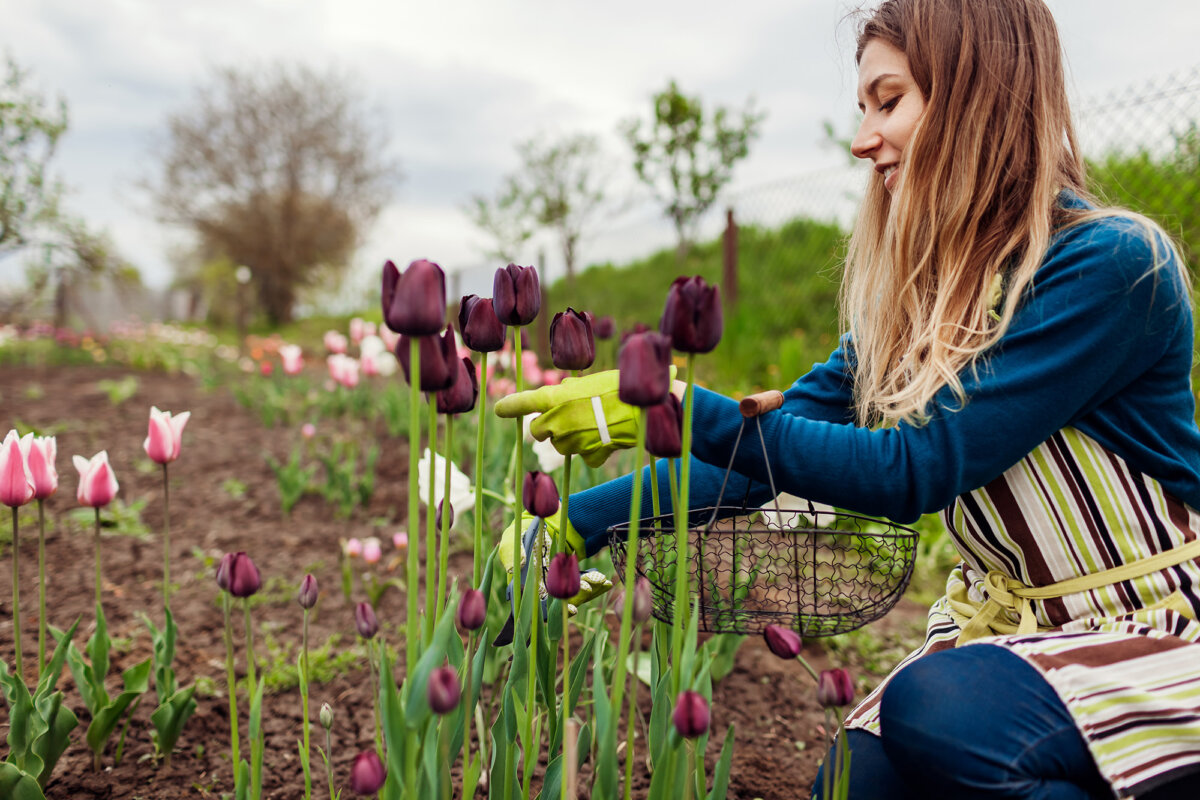
Tulips: The April-May flower everyone wants is big, bold, showy, and difficult. If you want them year after year, it’s best that you dig the bulbs in midsummer and store them dry until replanting in autumn, thereby mimicking the climate in their homelands in the foothills of Asia. I had a nice small patch but left them in the ground and … the bulbs just disappeared, never to be seen again. Tulips do last a solid week in a vase, if cut just as they open, and come right after daffodils.
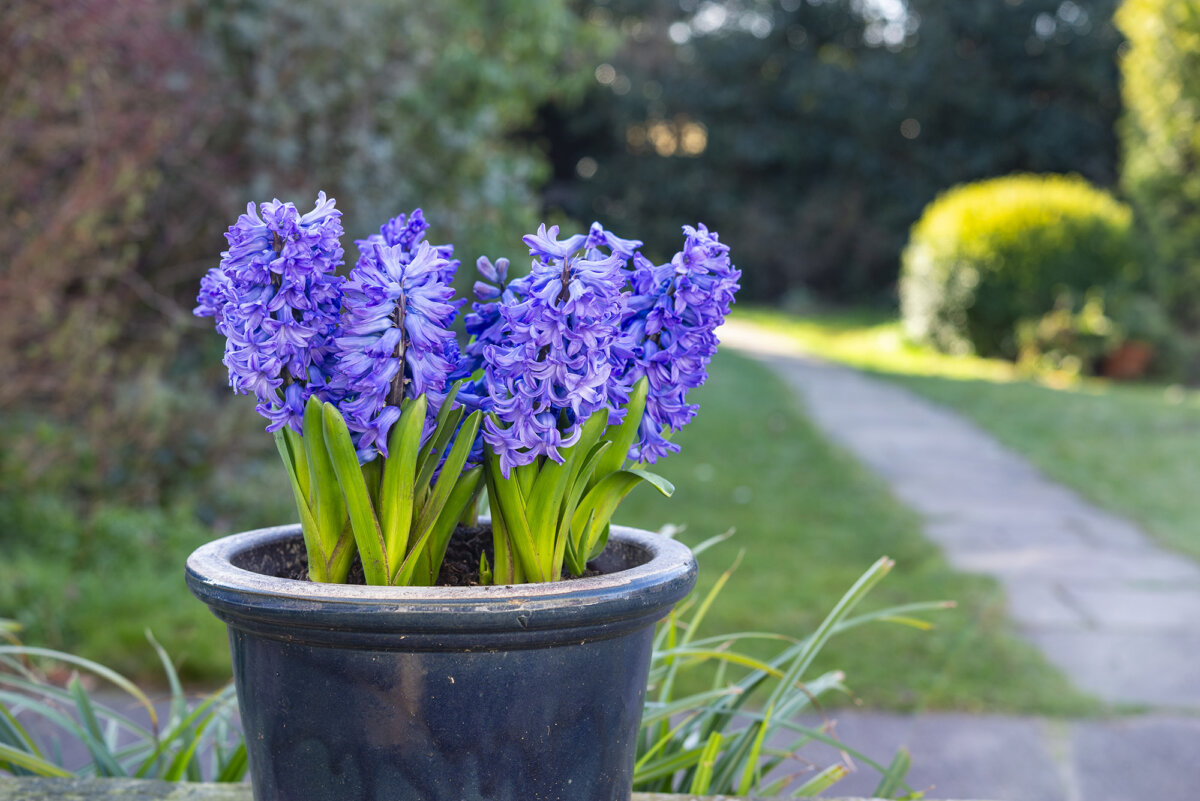
Bluebells and Hyacinths: These bulb flowers in the hyacinthoides and hyacinthus genera are among the most robust and reliable of all spring bloomers. They make wonderful 18-inch bouquets in blue, purple, white, and pink. The most common bluebell versions are called “English” and “Spanish,” and bulbs are widely available. The fragrance is light and refreshing. Rigid gardeners will tell you that they spread like wildfire, which is true. But is that a bad thing? Hyacinths have a stronger, spicy fragrance and are less prolific. Bouquets last a week to 10 days.
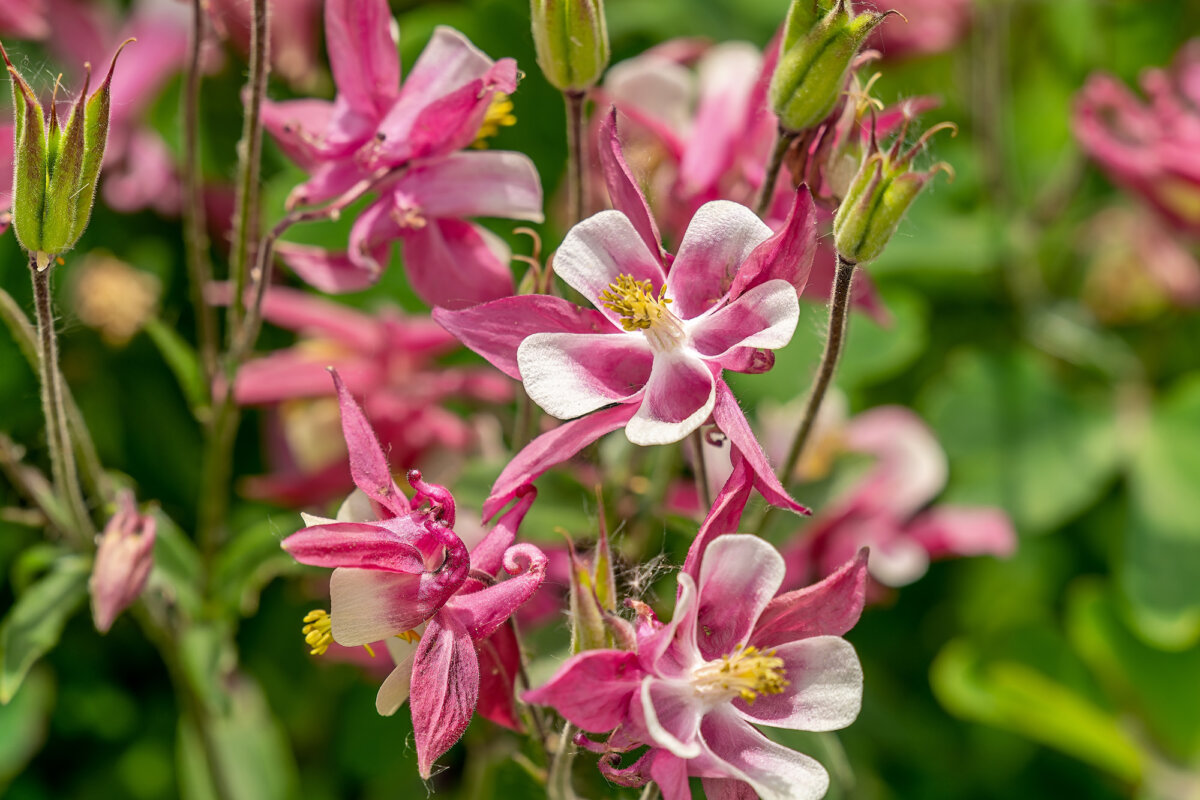
Columbines: This May standout is native to North America, but much hybridized, adapted, and bred. Vigorous and quick to cross-breed and spread, they are showy and graceful, and if you let them seed, will provide you with unique wonders. I have a deep salmon-colored hybrid rampant in my garden that’s the star of May and is like none other in any catalog. I also maintain a population of red “wild” columbines from the Rockies. The famous blue ones seem harder to grow (I’ve failed) but are undeniably lush and showy. Stems cut at the base just as the first blooms open last for about 10 days.
Other spring flowers include phacelia, the aptly nicknamed bee’s friend, which grows readily from seeds spread anywhere in garden beds and bears lovely two-foot sprays of lightly fragrant, sky blue flowers, as well as iris, reliable flowers borne on sturdy, two-foot stems and easy to grow from unfussy rhizomes whose flowers straddle spring and summer. Spring flowers include small shrubs such as peonies, a much-loved traditional May perennial whose flowers are massive and showy but quickly droop when cut, as well as lilacs, whose large, upright, fragrant flower panicles are memorably showy but whose woody stems only last two to three days in a vase.
Summer
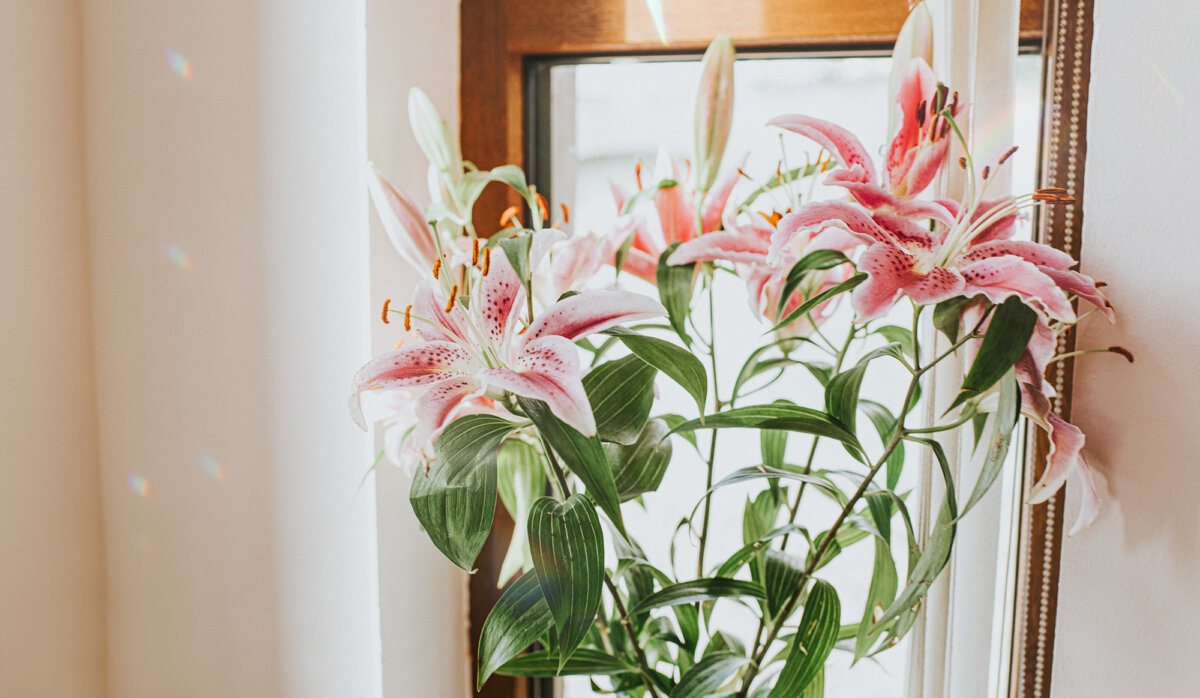
Lilies: These appear at the top of my summer flower list because they are the undisputed queens of the summer garden. No other flower offers as much in beauty, variety, and season length. On top of all that, a well-grown lily stem far outlasts any other cut flower; some of mine bloom an unbelievable three weeks in a vase if picked at the right moment, as the first bud is opening—a mesmerizing testament to the vigor of nature. Dozens of varieties are available, in many shapes and colors save blue. The bloom parade begins with Asiatic lilies in June, followed by trumpet lilies and Oriental lilies in July and August. They are easy to grow—the key requirement is that the bed must never dry out completely—reproduce readily, and amaze all who view them.
Did I mention that a full-grown stem from a mature bulb can bloom in a vase for up to three weeks? Bulbs can be planted in autumn or spring.
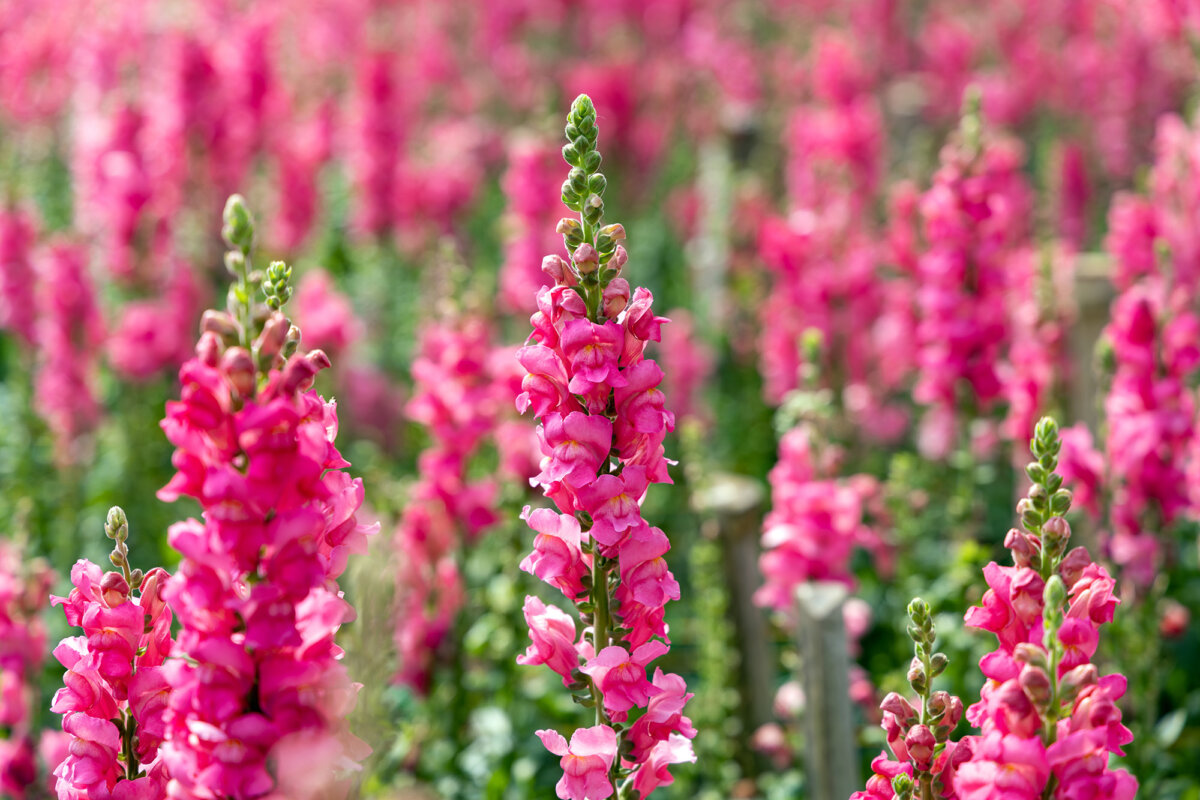
Snapdragons: Plant snapdragons once and they are yours forever, ready to cross-breed, seed, and bloom twice a year. Usually biennials, with a few exhibition stalks in year one followed by a bush of blooms the next spring, they make excellent stand-alone display bouquets. They can mix well with columbines and, in late summer, zinnias. Expect them to last seven to 10 days.
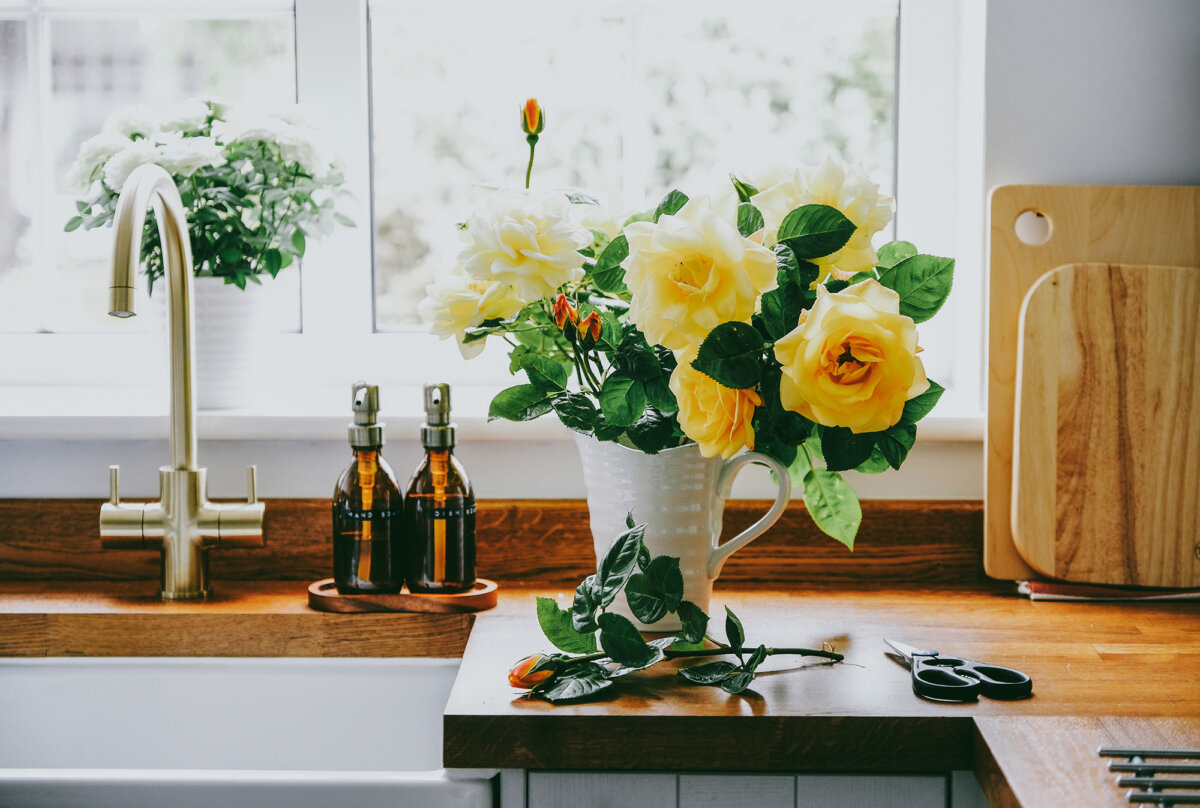
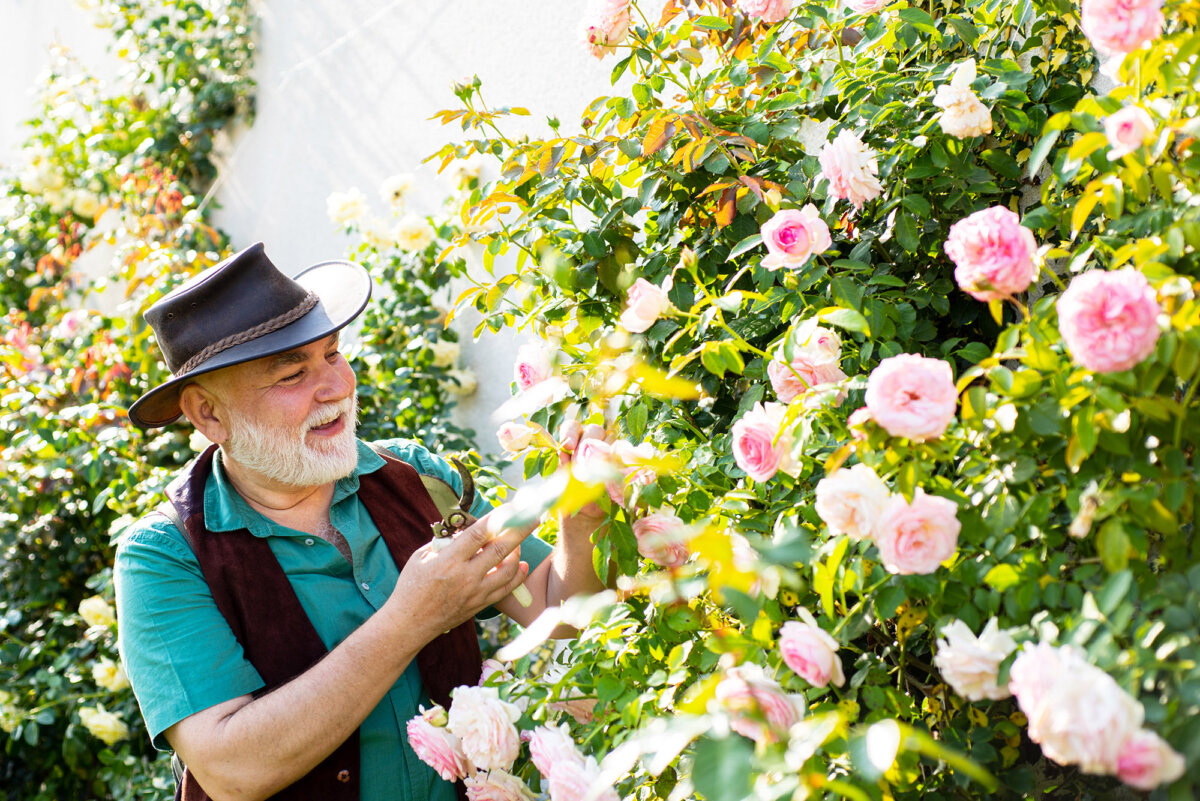
Roses: To most people, these are the premier cut flowers, fabled in literature, song, and real life alike. Thousands of varieties exist in every color but blue; plants range from 10 inches to 30 feet tall. Blossoms range from extravagantly fragrant whorls of four petals to thick cones of rich yellow, red, and white. Most roses bloom in May and June, then again in August, and then again in late autumn, prodigious cycles that can be boosted by savvy pruning. Tea roses are the type most grown for cutting, but all roses from small to large can be used in bouquets. Generally a cut rose lasts a week.
Millions of words have been written on rose care (including this compendium of expert advice), but the basics are simple: Well-drained garden soil, water once a week, full sun. Some pruning regimens are more complicated than trigonometry. I distill it all down to this: Prune when you want, once per year.
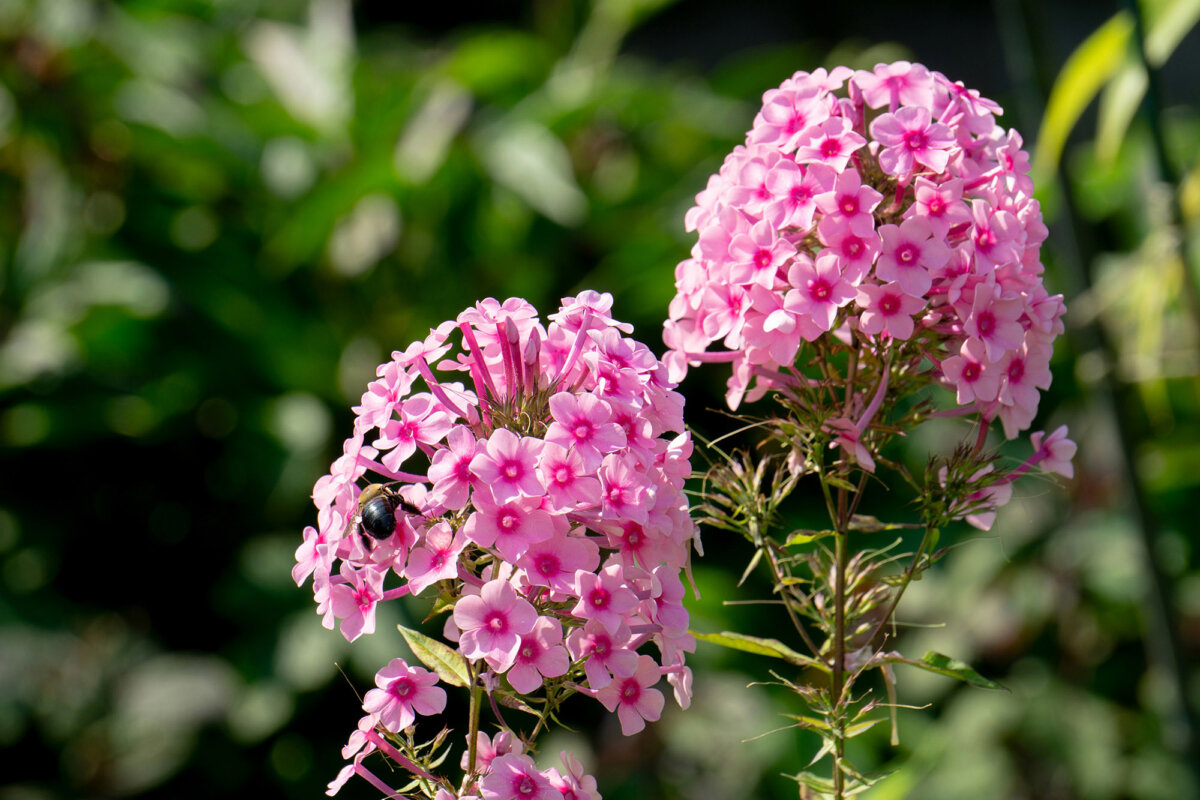
Phlox: Native to North America, this old-fashioned pioneer garden favorite is treasured for its heady scent, hardy nature, and masses of stems. The semiwoody plants bear dense panicles of blue, purple, white, and red flowers on three-foot stems. They last eight to 10 days in a vase.
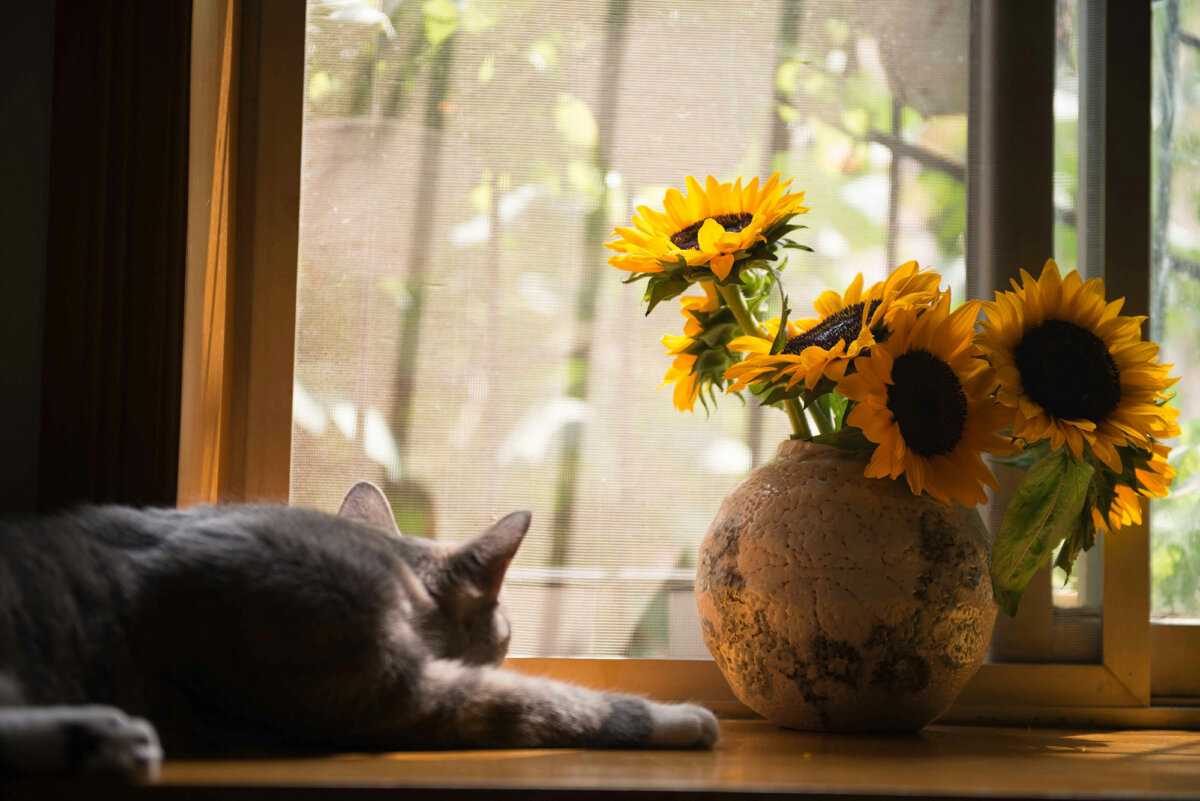
Sunflowers: Plant sunflowers, let the birds and squirrels at ’em, and they’ll populate your garden forever. Fancy varieties eventually devolve to the old, reliable, big yellow flower heads—and that’s just fine. As cut flowers, they last just a few days, but the blessed golden light they cast is priceless.
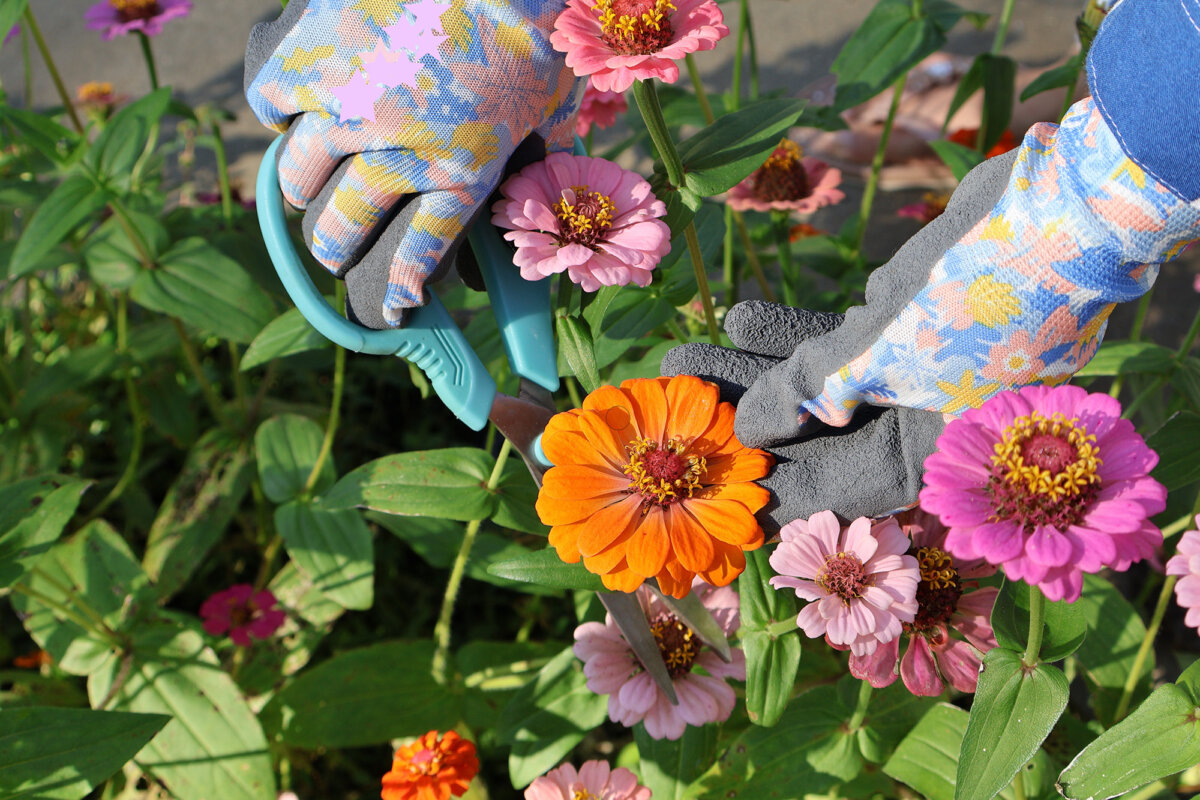
Zinnias: There’s no more cheerful August bouquet than a bunch of brightly colored zinnias standing straight in a 12-inch vase. I seed them straight to the garden in May and cut them from early August to first frost. Of the innumerable varieties, I get best results from California Giant. Last up to 10 days.
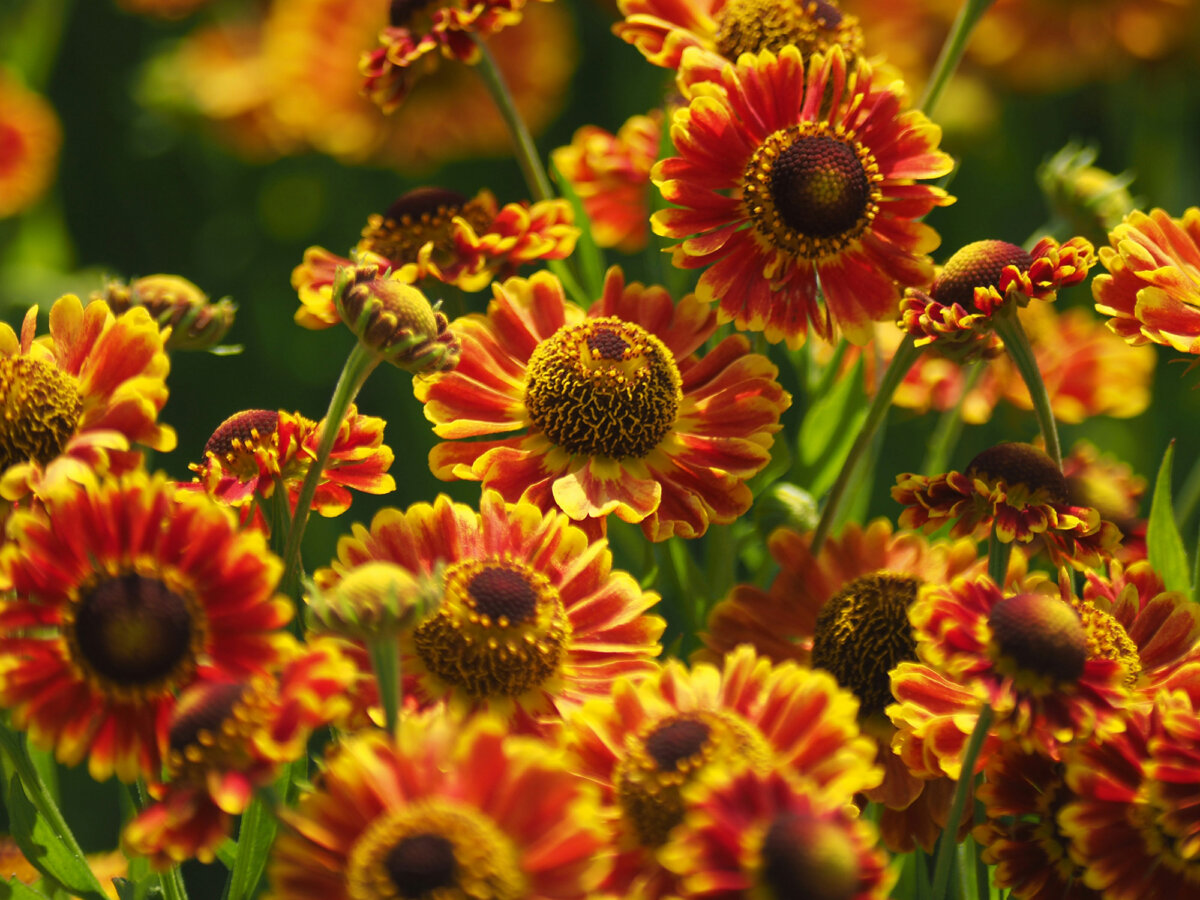
Helenium: This incredibly robust perennial produces tall spears of lovely saffron or vermilion blossom spires in August. Their height (three to four feet) makes for extravagant displays in tall vases, where they can last two weeks. They’re somewhat drought-resistant and require little care aside from staking in windy areas. Another late summer bloomer, helianthemum, looks and performs similarly.
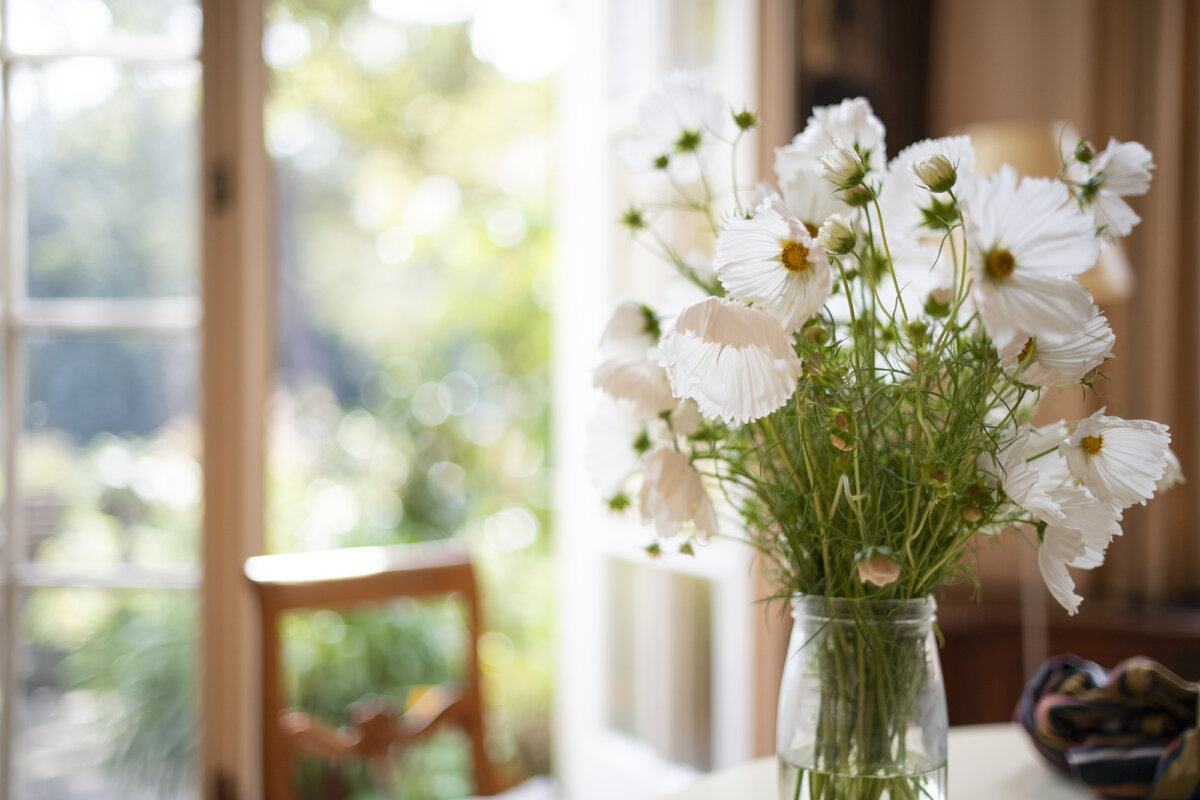
Cosmos: Pastel bells of sprightly blooms dancing in the breeze—cosmos are inherently cheery. They are better as fillers in bouquets than as centerpieces, but perform that function admirably. Bouquets last a week.
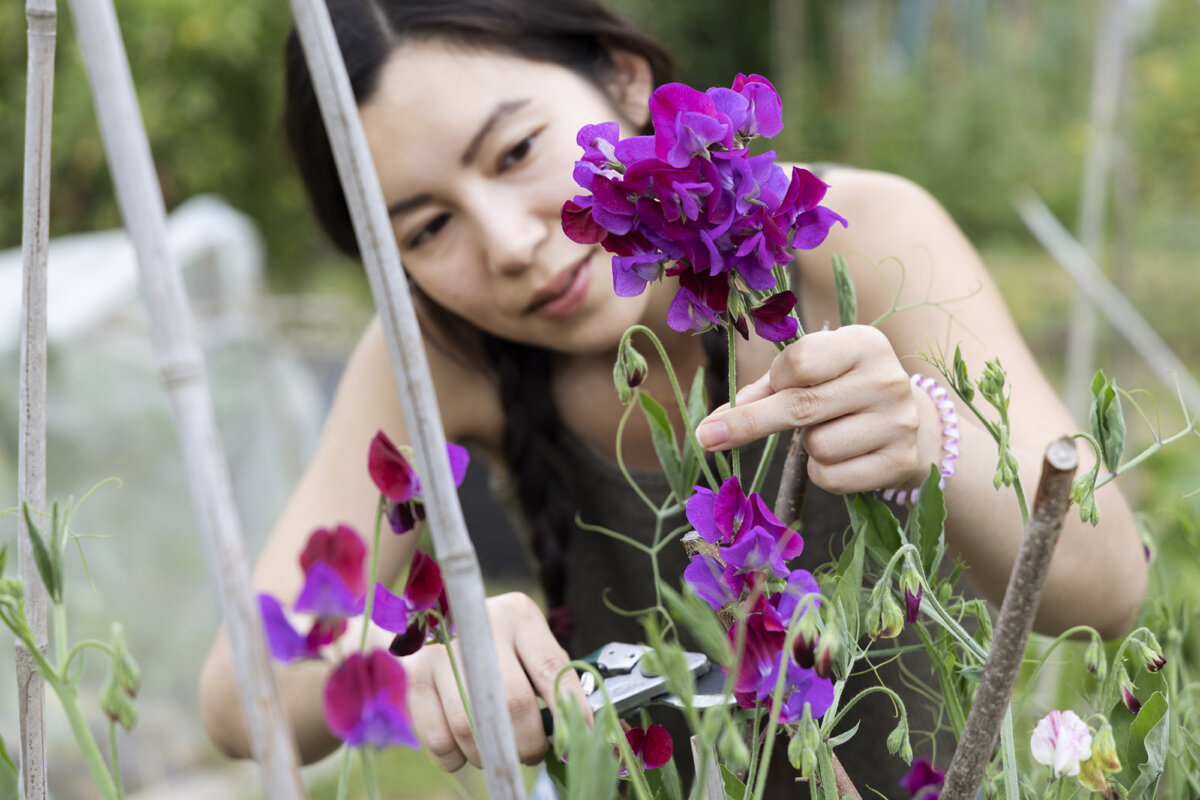
Sweet peas: Some gardeners treasure these above all other flowers, and their spicy-scent sprays of vivid colors are memorable when massed in a 12-inch vase. But I find them temperamental, like garden peas—subject to mold and mildew, wildly variable year to year, very finicky about planting times and midsummer weather.
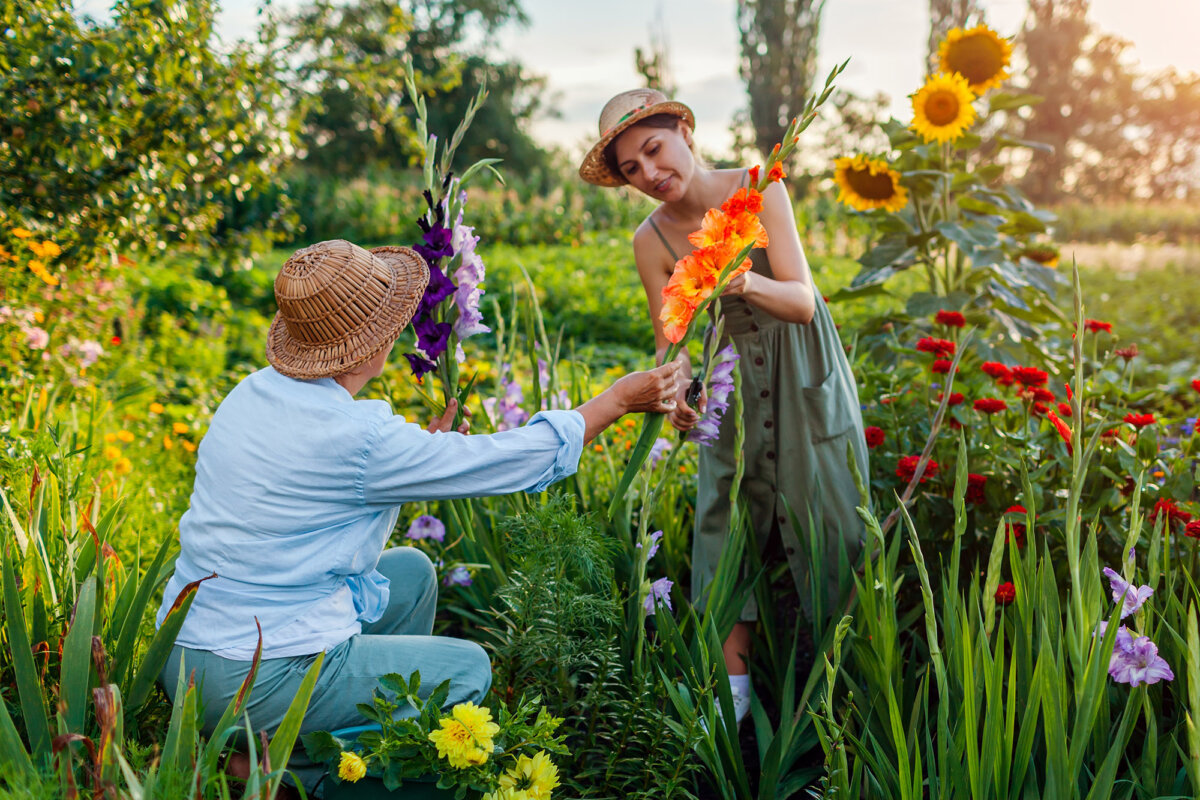
Gladiolus: The two- to three-foot stalks of these bouquet mainstays embrace every color but blue, and the graceful blossoms slowly open from bottom to top when cut, meaning that a bouquet can last up to two weeks. The easy-to-grow bulbs can be (but need not be) dug and stored dry over winter, and the tiny bulblets you’ll find in the ground can be grown to full size in a year.
Fall
Some of these bloom from Aug. 15 on, but I plant and grow them as September-October flowers because that’s when the autumn bouquet pantry gets thin.
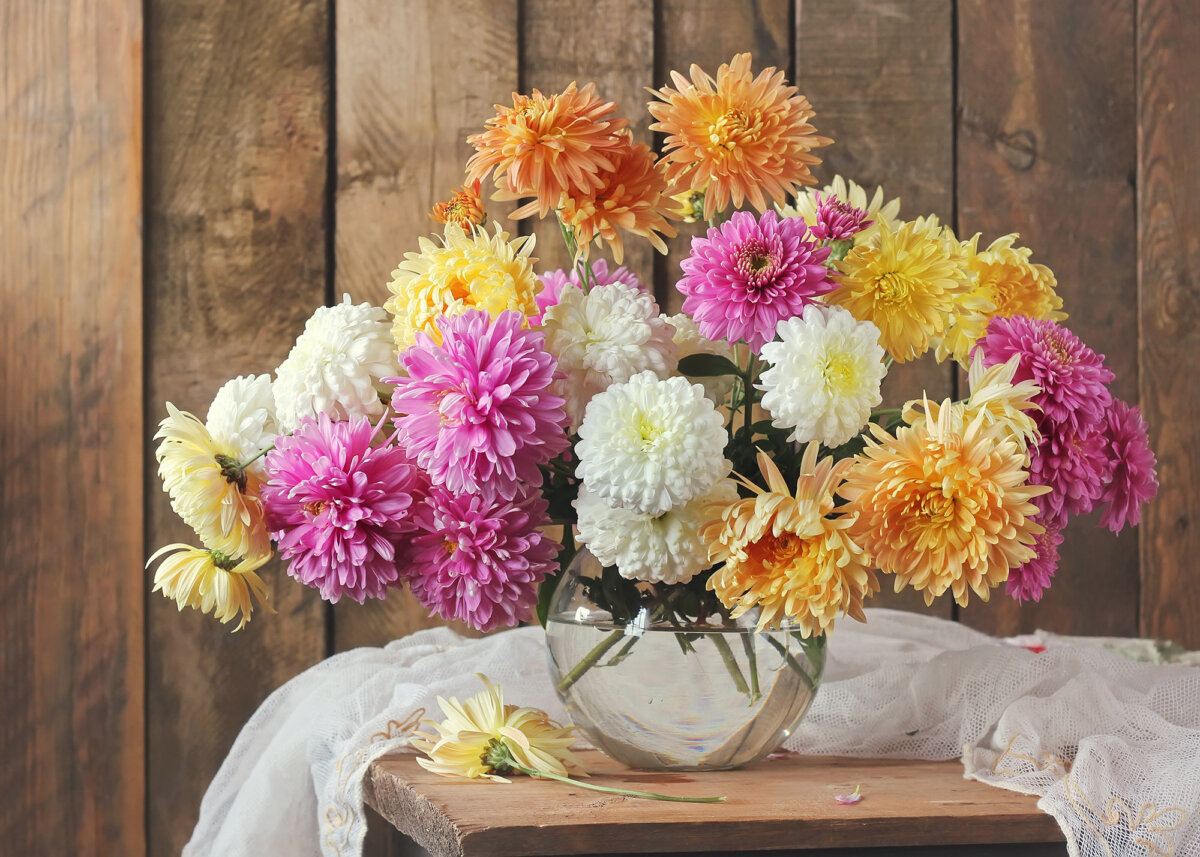
Chrysanthemums: Usually planted for the mass color effect these bush-like perennials produce in the garden, chrysanthemums can just as easily be cut for midsize bouquets. Like lilacs, they seem to bloom best in hot-summer/cold-winter climates.
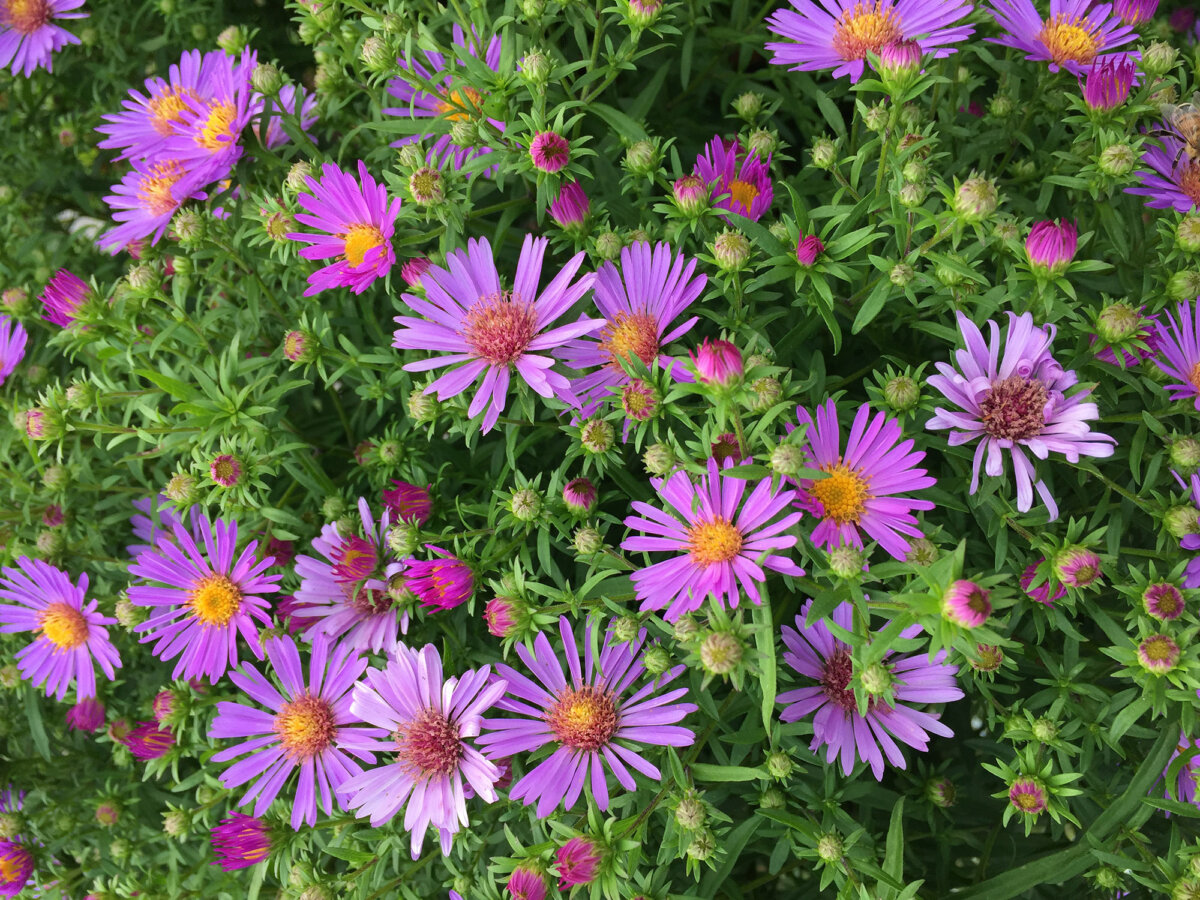
Aster: A domesticated version of common North American wildflowers, asters are ultra-hardy, robust perennials that need little water, quickly produce masses of flower-laden two-foot stems, and are bee favorites in months when most other flowers are done. Plants quickly grow large, and as they seed readily, you’ll have asters everywhere unless you practice diligent control. But they fill a niche few other flowers do, and last up to 10 days in a vase. The plant’s prolific production means that you can create mass bouquets with dozens of stems.
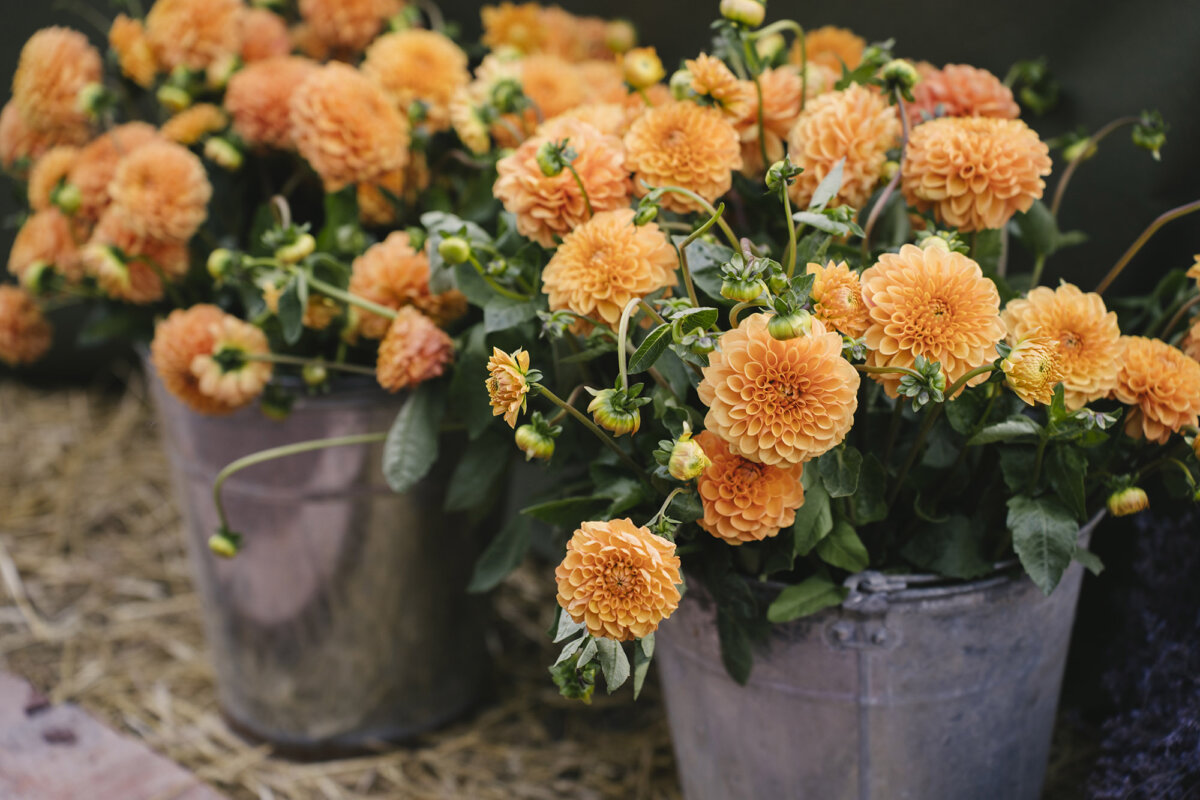
Dahlias: The garden’s crown from early August to November rests on this moderately temperamental tuber that thrives, with proper care, in most of the United States. It is high-maintenance, requiring rich high-nitrogen soil, full sun, moderate temperatures, and unfailing water. You’ll need to stake it to hold the bloom-laden stems up. Some varieties are called “dinner plate,” accurately—it’s the biggest single blossom you can grow (except sunflowers). Extravagant colors span the spectrum save blue. The greatest success year over year is achieved by digging the tubers in late fall, drying them in the garage, storing them in boxes at about 50 degrees Fahrenheit, and replanting on May 1. Strong stems last up to 10 days in a vase.
Roses (again): Gardeners in about two-thirds of the United States can often enjoy a third bloom of roses in late fall, even past Thanksgiving, if there is no hard freeze. Cutting back the bush after the initial June bloom encourages second and third bloom cycles. It’s no accident that these are the most fabled cut flowers of all. The most robust long-blooming varieties are floribundas and climbers.
I often have a few lingering golden roses on our massive climber against the south wall of the kitchen into December. Cut for bouquets, they aren’t as long-lasting as midsummer tea roses, but they are still unexpected treasures.
Winter
Winter’s options seem sparse, but any homegrown bouquet in December is an amazing treat. Your alternative is flowers flown all the way from Ecuador. Not to denigrate distant horticulture, but homegrown is always best when possible.
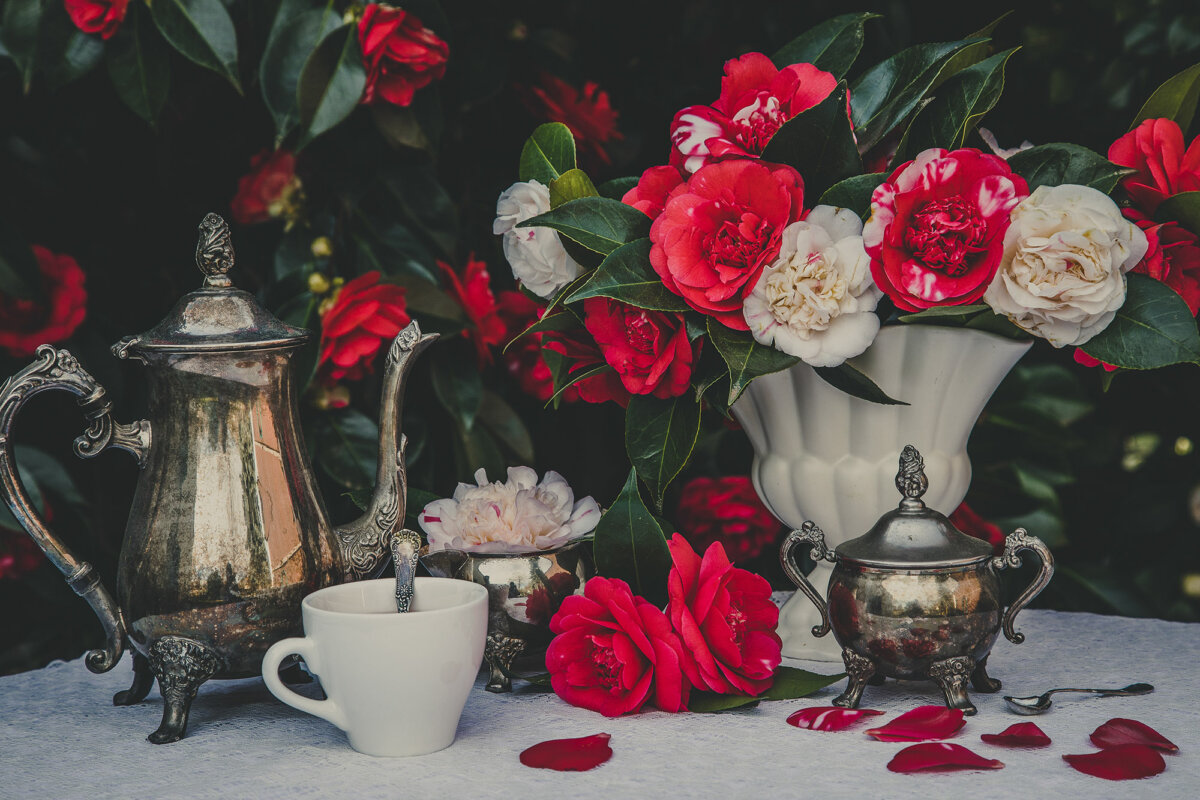
Camellia: This hardy semitropical bears buckets of showy big blooms in the depths of winter—depending on variety—anywhere that temperatures below 10 degrees are rare. Camellias grow from Washington to Vancouver, Canada, and are very vigorous once established. Hard winters push bloom time to February or March; mild ones bring flowers by Christmas. The woody stems last up to a week in a vase, but they are a bit floppy.
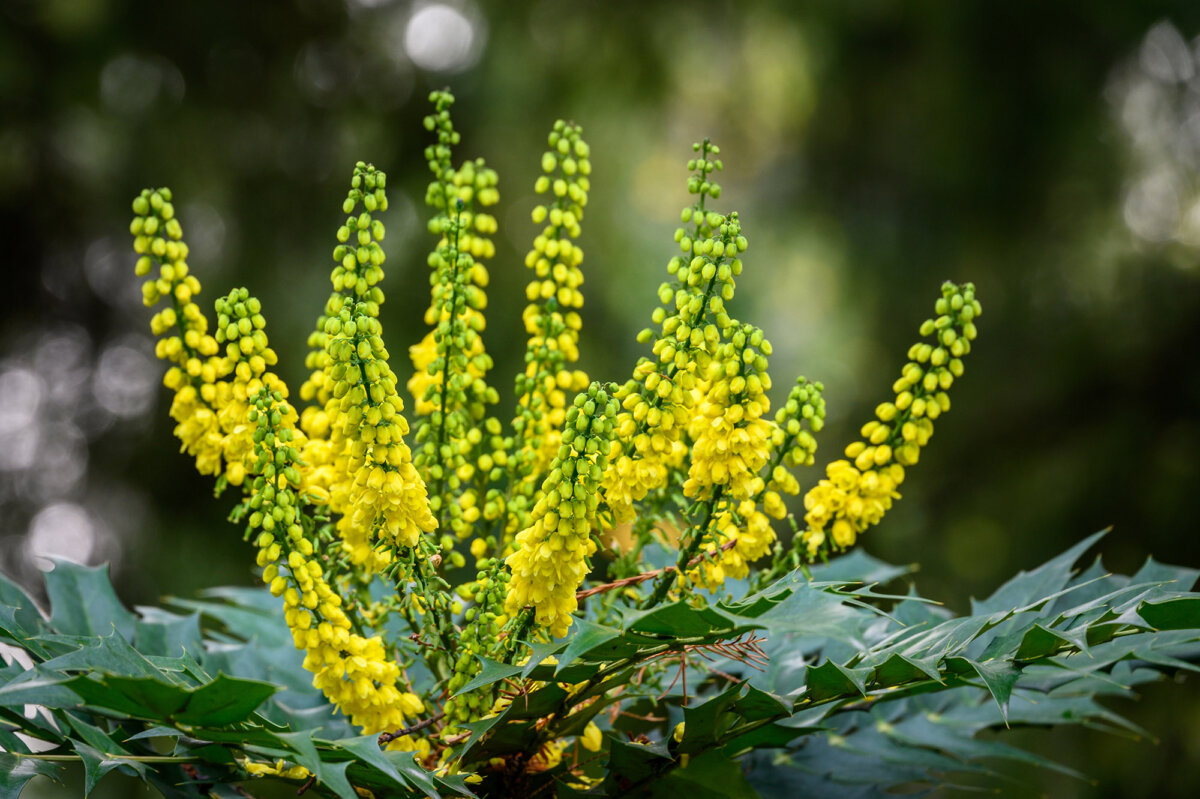
Mahonia: Native to the West Coast, this is also called Oregon grape. A small, woody shrub, mahonia has tiny yellow flowers that are borne in spires beginning around Christmas if the weather’s moderate enough. The sharp, spicy fragrance fills an entire room, but the stems last at most five days.
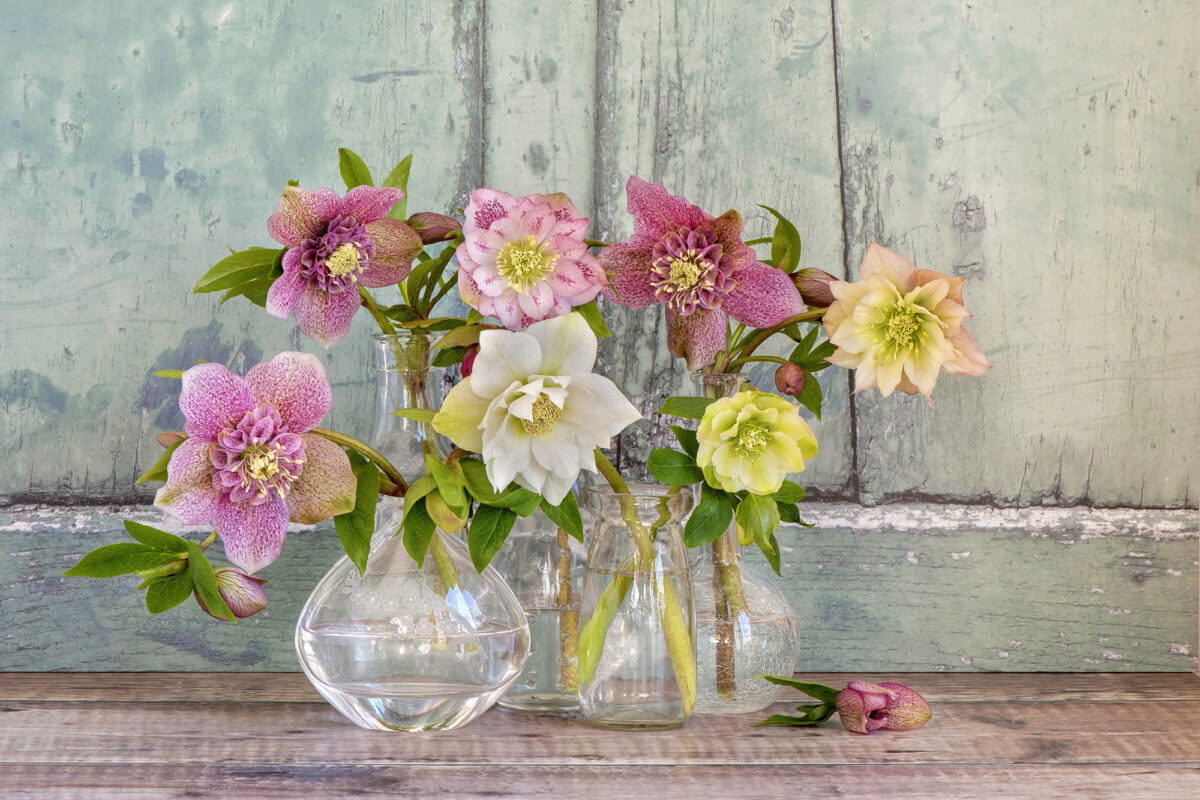
Hellebore: One of the few nonwoody winter flowers, these graceful medium stems bear blooms with unusual pastel colors that range from chartreuse to mauve. Hellebore is one of the very few herbaceous winter flowers, and a real treat.