



The usual advice often offered to travelers about the Italian capital can be summed up quite simply as “Don’t visit in summer.” The city, they say, is hot, crowded, and frustrating.
Although those things can be true, my little hike—just a few strides from the summit of the Spanish Steps—showed a whole different side of the Eternal City.
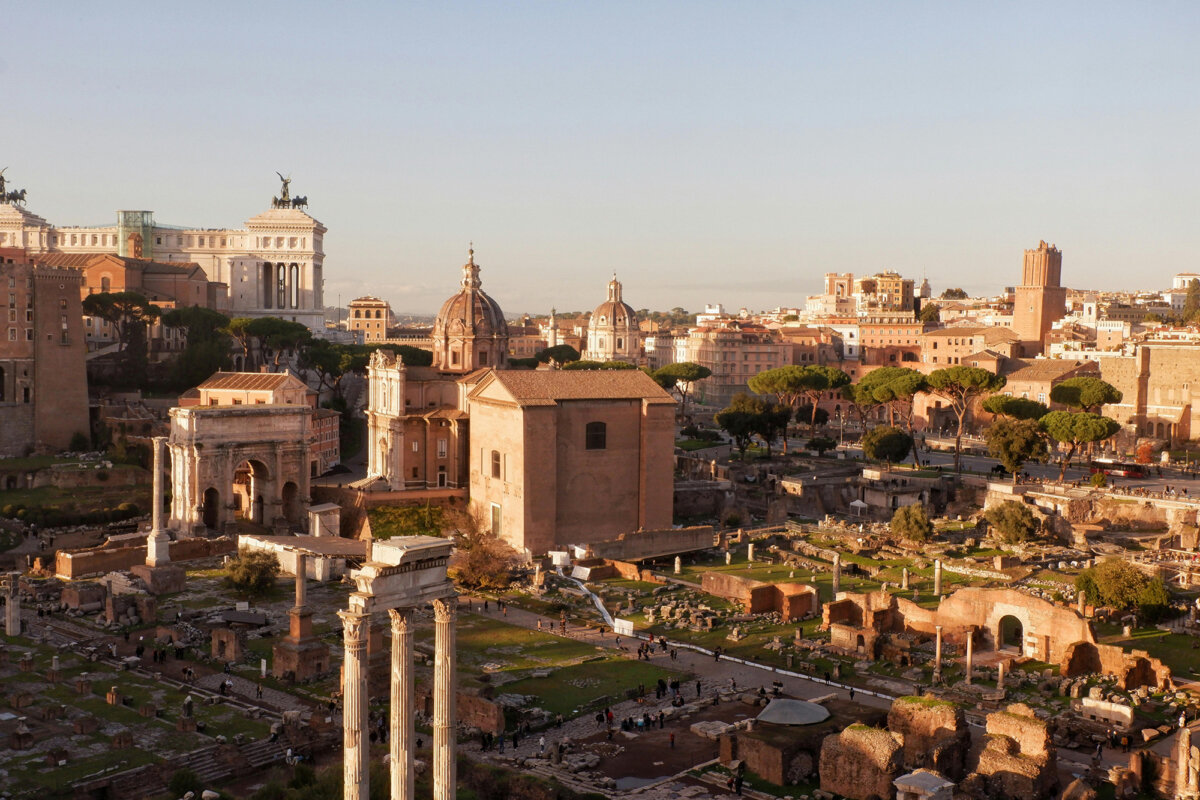
Up on a ridge, under the cool, spreading canopy of pines and oaks in a sprawling park next to Villa Medici, all of Rome was at my feet. Spires and domes, roofs and ruins, and, of course, that (in)famous hustle and bustle.
This was perhaps my 10th time in Rome. But it was my first in August—arguably the worst month to visit, when the mercury soars and levels of both international and domestic visitors are at their peak. This little walk was instructive. It taught me that despite the heat, the super pushy people at the Trevi Fountain and Sistine Chapel, and any unexpectedly closed subway stations, visitors can still enjoy Rome. You just need a few strategies and the patience to traverse those famous seven hills, one step at a time.
The Inconvenient Airport
There’s no getting around it: Rome’s Leonardo da Vinci International Airport (FCO) isn’t close to town or much fun to access. It’s often referred to as simply “Fiumicino,” the name of the coastal town where the airport is actually located. Its runways and terminals sit about 20 miles outside of the city, which can feel like a very long way, indeed, when you’re slumped over and half asleep in the back seat of a taxi, stuck in traffic, after arriving on a long trans-Atlantic flight.
Fortunately, FCO, Italy’s busiest airport and main gateway, is extremely well-connected to the rest of the world. It’s the main hub for ITA Airways, the national flag carrier, and is also served by all major North American airlines. In other words, you probably won’t need a connection to get here. Nonstop routes land from all of the usual hubs—Atlanta, Washington Dulles Airport, New York City’s John F. Kennedy Airport—as well as from a number of less-expected cities, such as Boston and Montreal.
More good news: There are plenty of options to get into town. Taking a flat-rate taxi—55 euros (about $64) to the city center—is probably the easiest option, and ride-share services are also available. You can skip the busy highway altogether by traveling by rail. Both regional trains and the Leonardo Express will spirit you from FCO to Roma Termini (Rome’s main station) in about half an hour. And in my opinion, a train ride is always more enjoyable than a taxi.
Getting the Most out of Classic Sites
There’s absolutely no way you’re going to visit Rome and skip the big highlights. On my first trip to the city, as a backpacker traveling on a Eurail Pass with my best friend almost a quarter-century ago, we walked until it felt like the soles of our shoes would fall off.
There are so many wonders, and we wanted to see them all. I mean, take the Colosseum alone. A testament to the power and wealth of the Roman Empire, construction of this travertine and tufa icon began between A.D. 70 and A.D. 72.
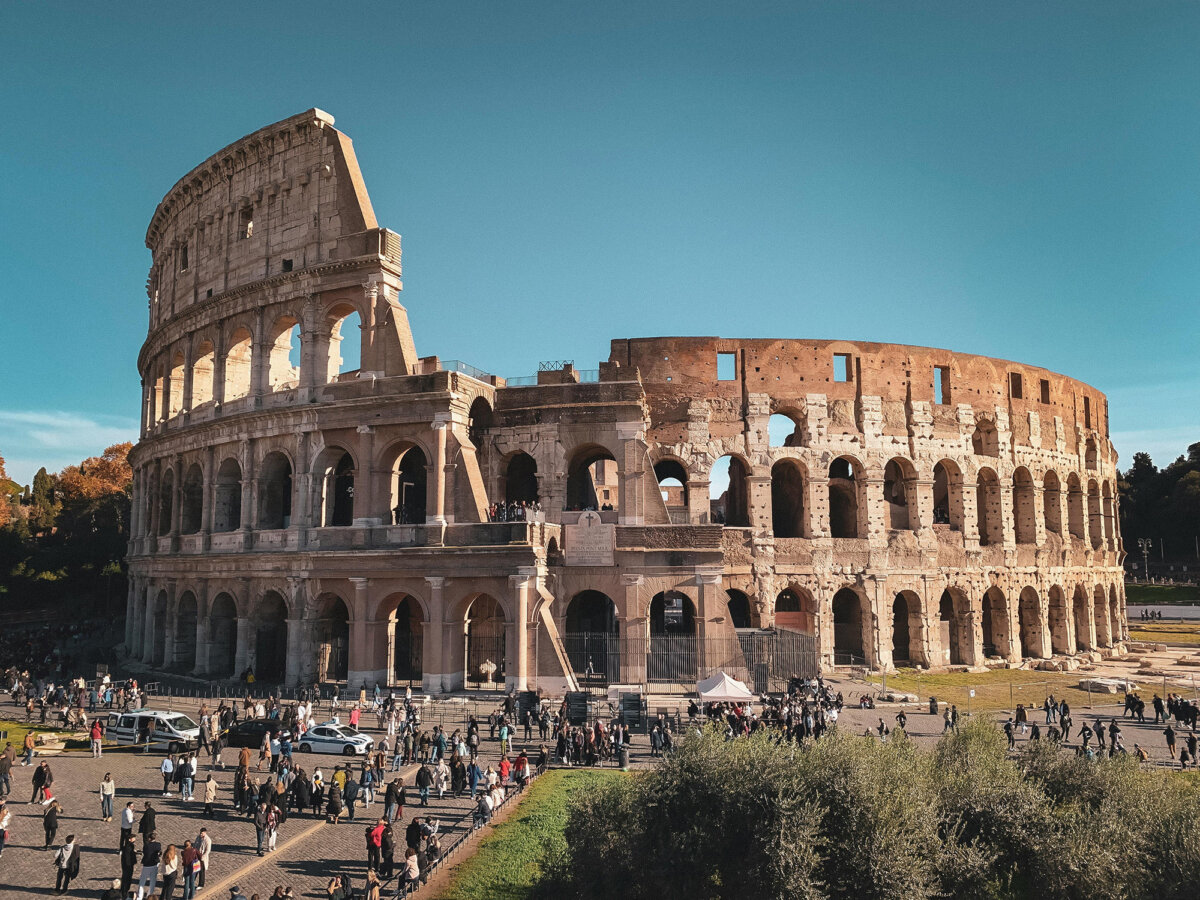
It’s a little jarring the first time you see it in person. A structure whose image is so ubiquitous—from the walls of New York City pizza joints to screensavers on computers in bland offices—you can scarcely believe it when you’re looking at the real thing with your own two eyes.
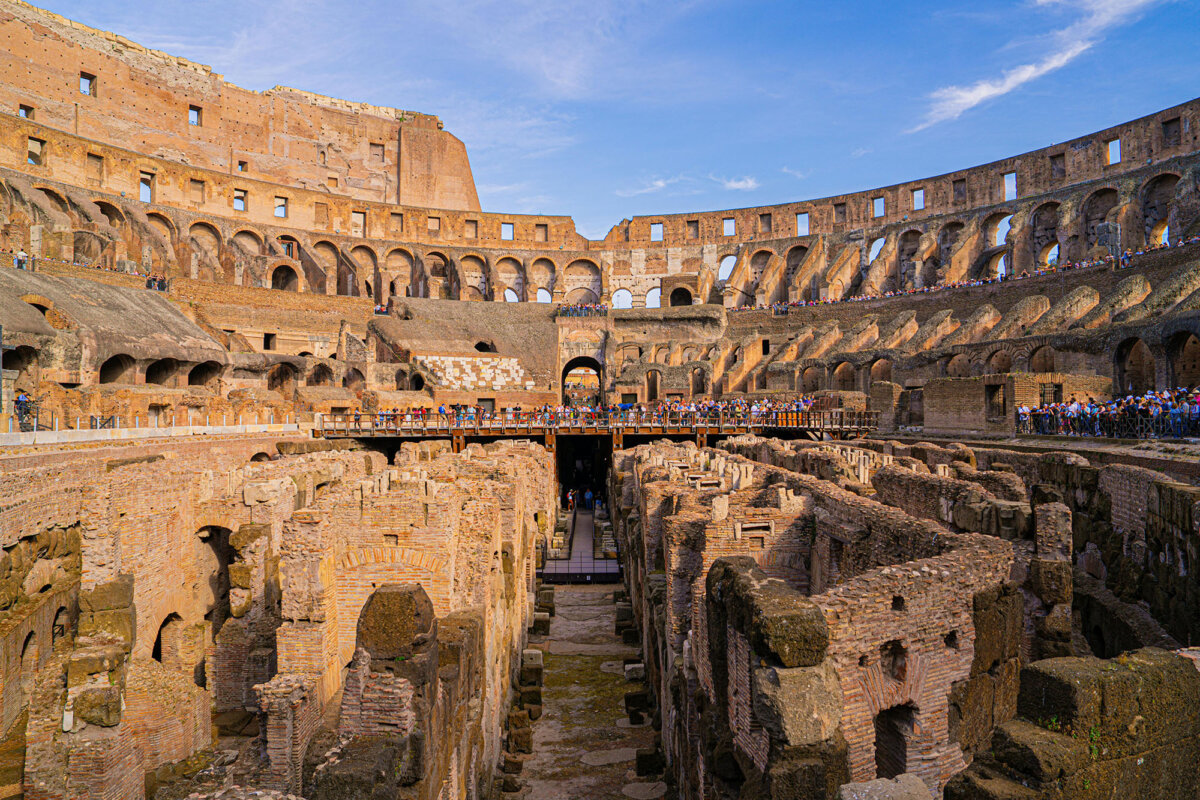
On my first visit, I sat for a very long time on one of the tiers and tried to picture the Colosseum at its peak. Sometimes it was filled with water to recreate naval battles. Other times, gladiators fought tigers and lions, surrounded by the roar of 50,000 (or more) people cheering them on.
It was that way all over Rome (and Vatican City, which is technically an independent state). In the morning you can view the ceiling of the Sistine Chapel, where Michelangelo strained on scaffolding for years, and in the evening visit the soaring dome of St. Peter’s Basilica—the tallest in the world—or the granite columns and tombs at the second-century Pantheon.
Back then, you could just walk up and buy a ticket, join a small queue, and walk inside. These days, with Italian tourism booming, it’s best (and sometimes absolutely required) to book a ticket with an allotted time slot, online and in advance.
Try to visit either early in the day or later, when the crowds tend to be thinner and the heat less intense. You’ll need a ticket to see most of the Roman Forum, once the commercial heart of ancient Rome. But on a nice evening stroll along Via dei Fori Imperiali, you can spot parts of it—the former temples and shops and courts—free of charge and complete with interpretive panels.
A River Runs Through It
On that recent August visit, all the joy and wonder were accompanied by an almost-constant sensation: thirst. It was very, very hot. And the little tourist kiosks selling cold beverages did not provide their life-giving liquids for a bargain, or even a reasonable price.
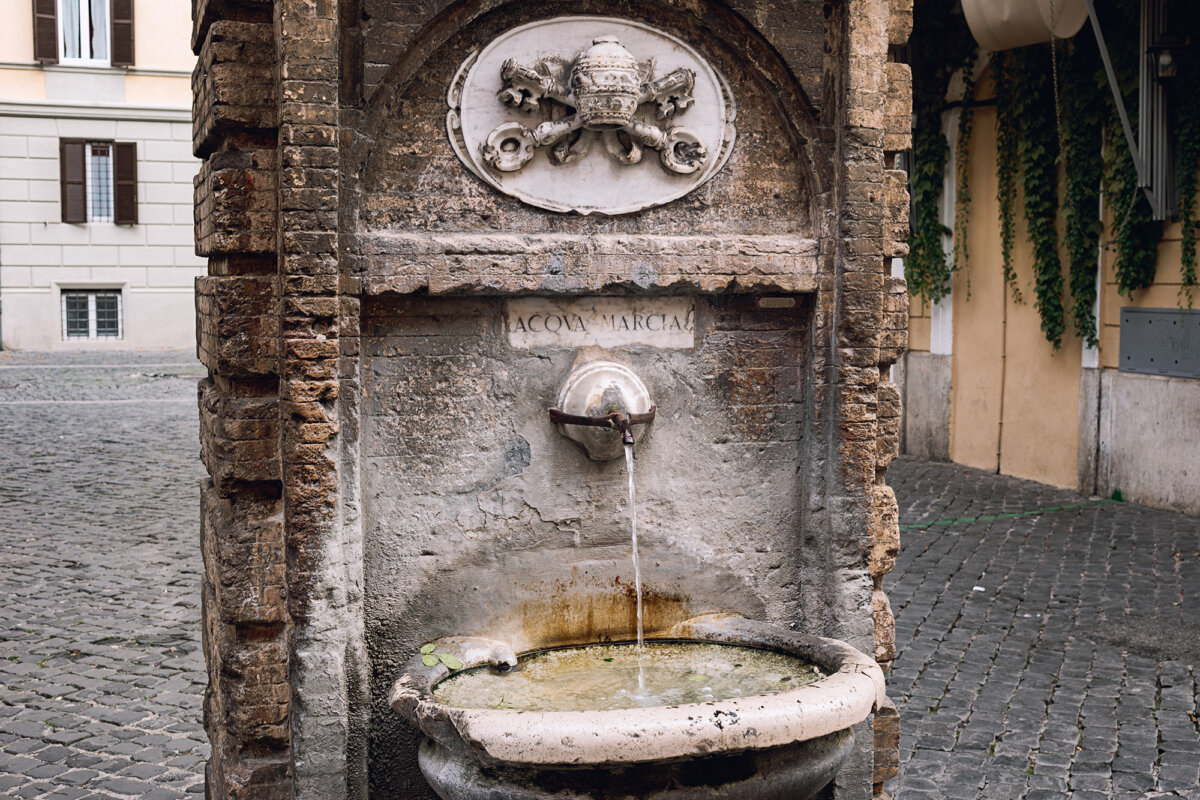
Our hydration improved substantially when we figured out one thing: The little cast-iron fountains we spotted everywhere dispensed cold, clean water from an underground source. Free, all day long. The fountains’ nickname, “nasoni,” refers to their long, curved spouts—”nasone” means “big nose” in Italian. So bring a reusable bottle and enjoy being quenched throughout your adventures.
Don’t Fully Trust Transit
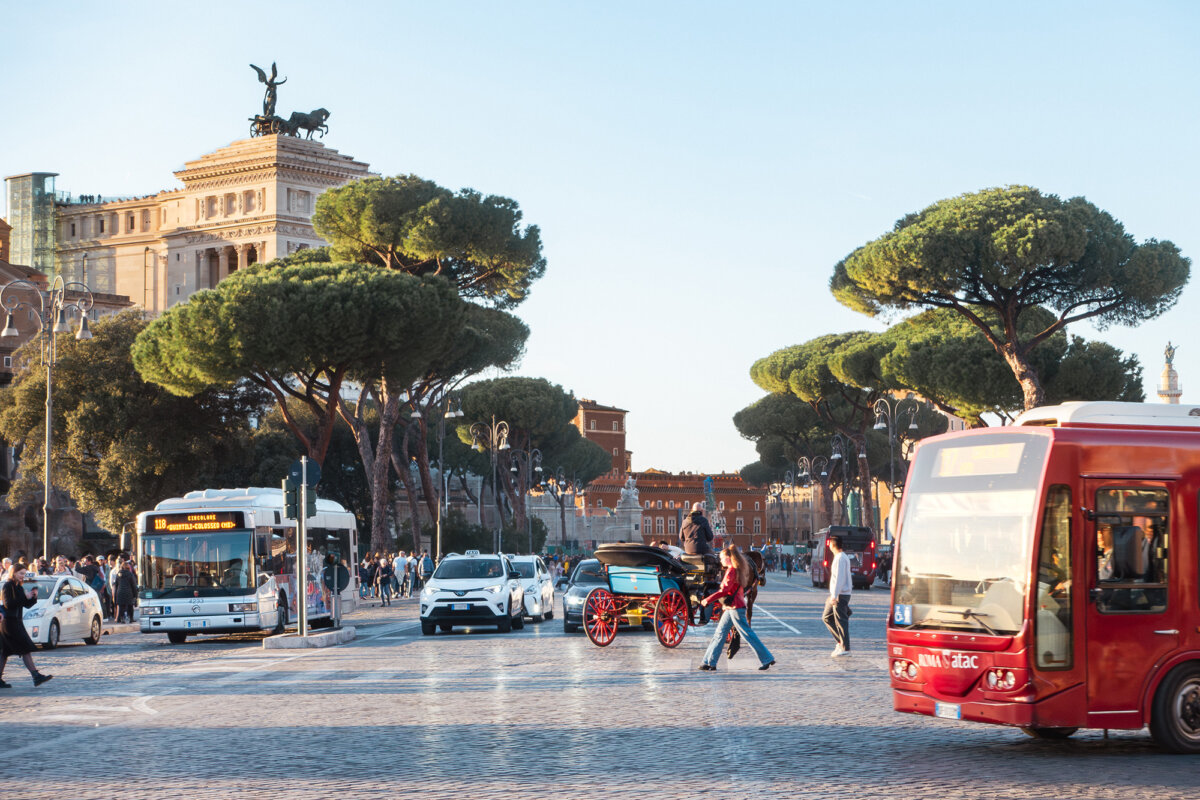
Here’s the thing: Rome has a clean, functional, safe, affordable transit system. You can ride a tram or bus or subway and reach popular spots all over town. Plunk down a couple of euros and you get a cheap tour of the city. I always love just looking out the window of a tram to see what magnificent historical attraction will roll by.
However, it doesn’t always work. Transit employees strike fairly often, with little notice. Sometimes, without explanation, a bus route just doesn’t operate. In other words, always have a backup plan to get home. On my long-ago first visit to Rome as a backpacker, my friend and I met a couple of nice young women at our youth hostel and hopped on the metro to ride over to a delicious, affordable, but faraway restaurant that happened to have live music that night.
Traveling on an extremely tight budget, we carefully planned our return for a time when the subway was still operating. Only, when we arrived at the station an hour before the posted closing time, it wasn’t.
We had to walk. For hours. Annoying at first, it became an adventure and one of my most indelible travel memories. I’ll never forget seeing the Eternal City in the wee hours, the cobblestones and ruins almost seeming to whisper their secrets as we passed them. But we were definitely tired the next day and overslept, missing a papal Mass in St. Peter’s Square.
Take a Breather
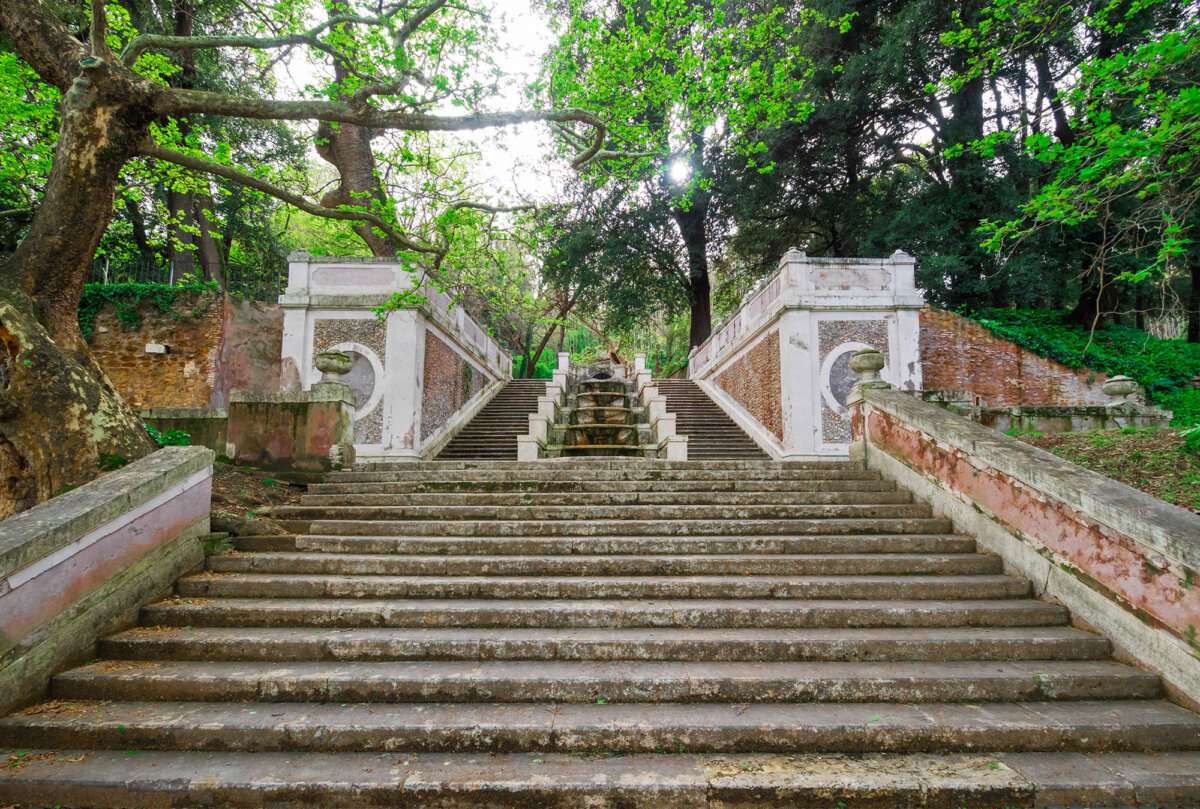
Rome is a very leafy capital. Almost one-quarter of the city is covered in green space. So when you feel a little gassed, fill up your water bottle at a nasone fountain and find a bench. I’d recommend the Botanical Garden of Rome, with its cypresses, sequoias, roses, orchids, and herbs. It’s a nice place to stop on a long walk along the way from the Vatican to trendy Trastevere.
Hidden Treasure
Once the heart of the greatest empire the world has ever seen, the jewels of Rome are manifold. There are so many impressive sites and artwork and museums that many of them—places and things that would be signature attractions in lots of other cities—are often simply overlooked. But the locals know how to find them, so ask around. Chatting up your hotel concierge or even a waiter at a restaurant can reveal magnificent things.
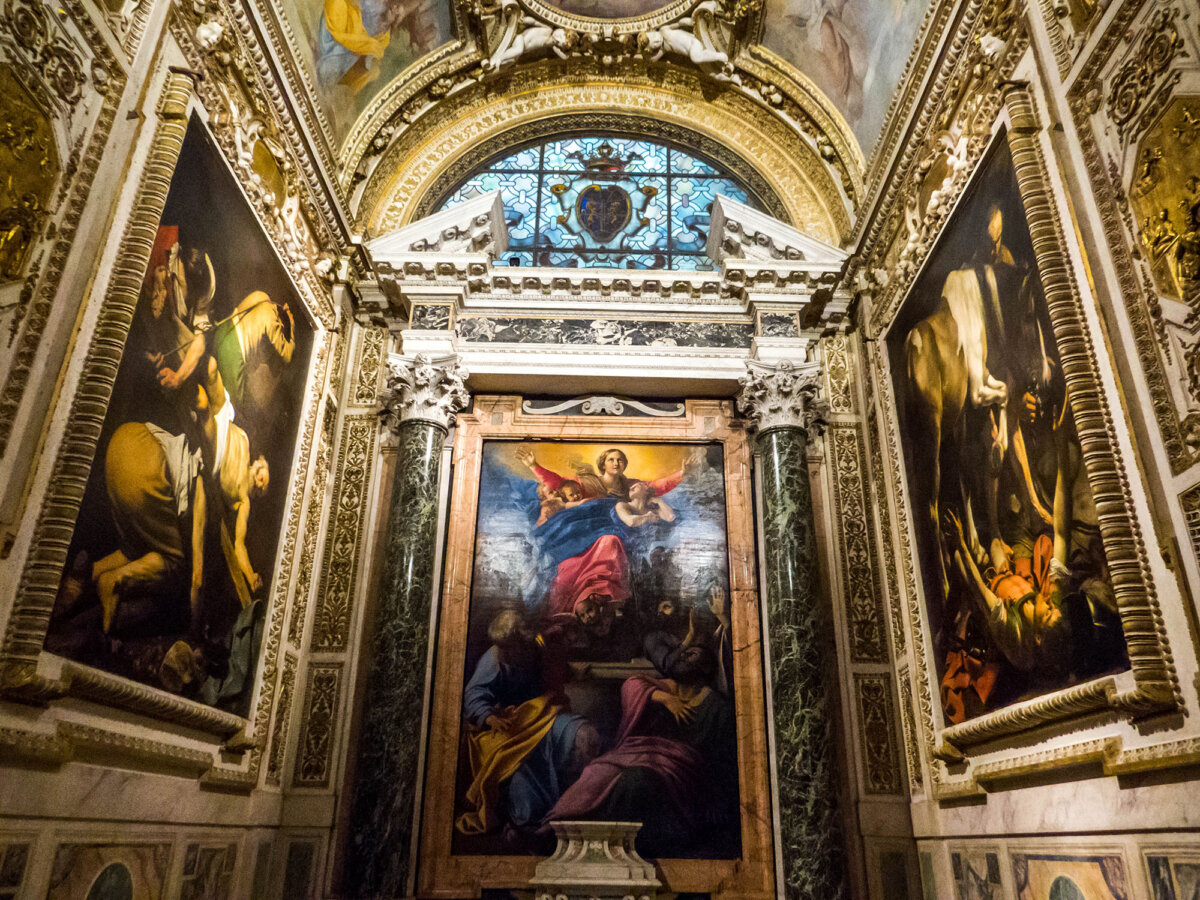
For example, on a recent trip to Rome, someone mentioned a small chapel called Santa Maria del Popolo. It’s only open during limited hours and is still used as a place of worship, but there’s no entrance fee. Hard to believe, since masterpieces by the great Caravaggio hang in one corner. All you need are a few coins to turn on the overhead lights to let you see these great paintings a little better.
Find a Rooftop
The best way to finish a long, hot, wonderful day in Rome is on a rooftop, of course. The city is filled with excellent bars and restaurants with beautiful views—and nice, cool breezes.
One of my favorites is located at the newly renovated (and world-renowned) Hotel Hassler Roma, which sits right at the top of the Spanish Steps. Ride the elevator to the 7th Floor Terrace. Order a Negroni, a classic Italian aperitivo, as the sun goes down and the lights of the city come up.
When the time is right, get the waiter to bring you a truly classic Roman pasta. Cacio e pepe, maybe, or the absolute best amatriciana I’ve ever tasted. There, while looking down upon the twilight streets below, plan out all the fine places you’ll visit tomorrow.
