



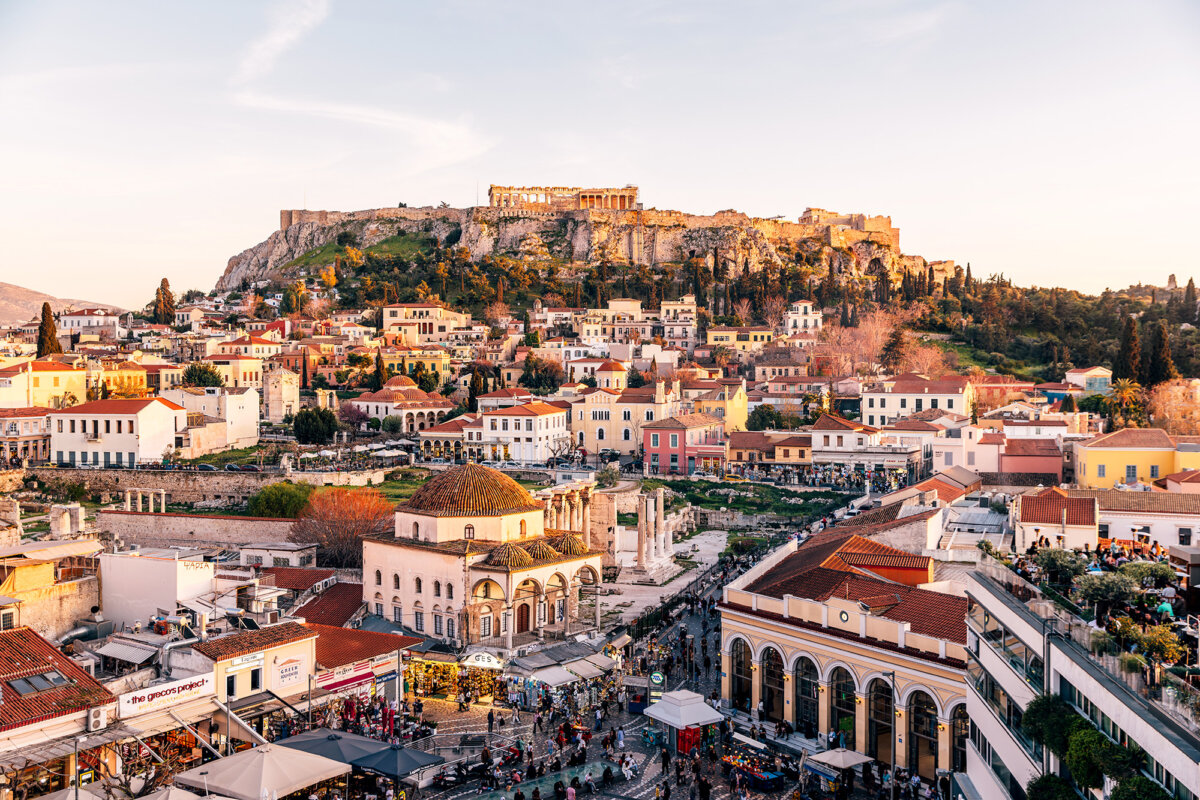
I’ll never forget my first visit to the City of Wisdom. Decades ago, after living for several months in a rainy corner of northern France, I was ready for some sun. And so, like many other travelers to Greece, I was headed for the bright, happy Aegean islands in the Cyclades and Dodecanese, which included a couple of days in Athens en route to the ferry port at Piraeus.
I arrived in this ancient city at the perfect time. Athens was on the cusp of hosting the Summer Olympics, and, in addition to restoring ruins to their finest condition, had built several new facilities. Those included a subway line to and from the airport, which, mercifully, used Latin script for the station names. Carefully, syllable by syllable, I memorized the name of the one closest to my youth hostel—Metaxourgeio. (In my mind: “meet axe organ.”)
Athens wasn’t at all what I expected, which is a common sentiment expressed by many first-time visitors. It felt busy, gritty, and not particularly friendly. However, over time and perhaps a dozen trips, I’ve grown to love the Greek capital. There’s plenty of beauty, fun, and fascination to be found here; you just need to know where to look in order to experience it all at its best.
Don’t Just Stop Over
It’s not a universal experience, but I’m going to predict: Your arrival at Athens International Airport will probably be a pleasant one. Opened just in 2001, it still feels fairly new. It’s also compact, easy to navigate, and well-connected to the city.
Taxis and ride-share companies service the terminals, as well as that subway line, which can whisk you right into the heart of town at Syntagma Square. But there is bad news. Most nonstop routes from North America run only seasonally, from May to October, so unless you’re coming during high season, your flight to Greece will likely include a connection somewhere else in Europe.
Here’s the important thing: Don’t just stop over. It is extremely common for visitors to land in Athens, spend one super-jet-lagged day walking around the Parthenon like a zombie, and then head to Piraeus Port for their ferry or cruise ship. But, believe me: Despite sometimes chaotic feel, the Greek capital is worth at least a few days of touring.
Be Smart About the Acropolis
Soaring above the surrounding streets teeming with foot and traffic, high atop an almost 500-foot-high limestone hill, the Acropolis is the absolute icon of Athens. It really is remarkable: From almost anywhere in the city, all you need to do is look up to spot the most quintessential symbol of ancient Greek civilization.
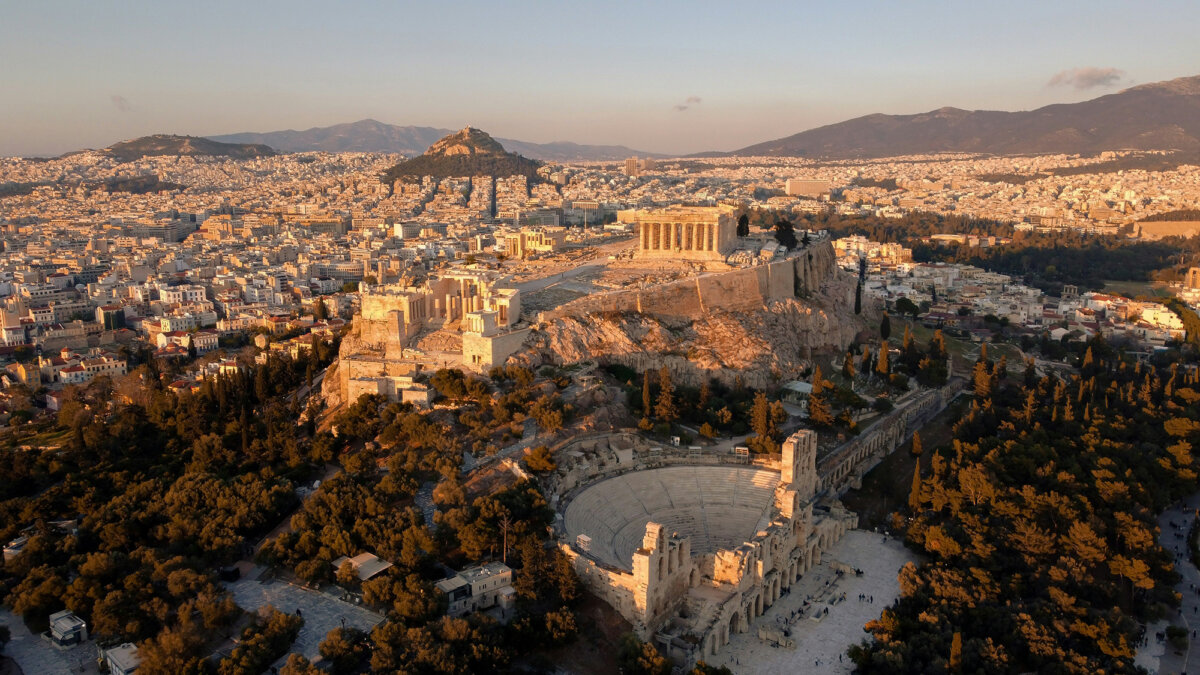
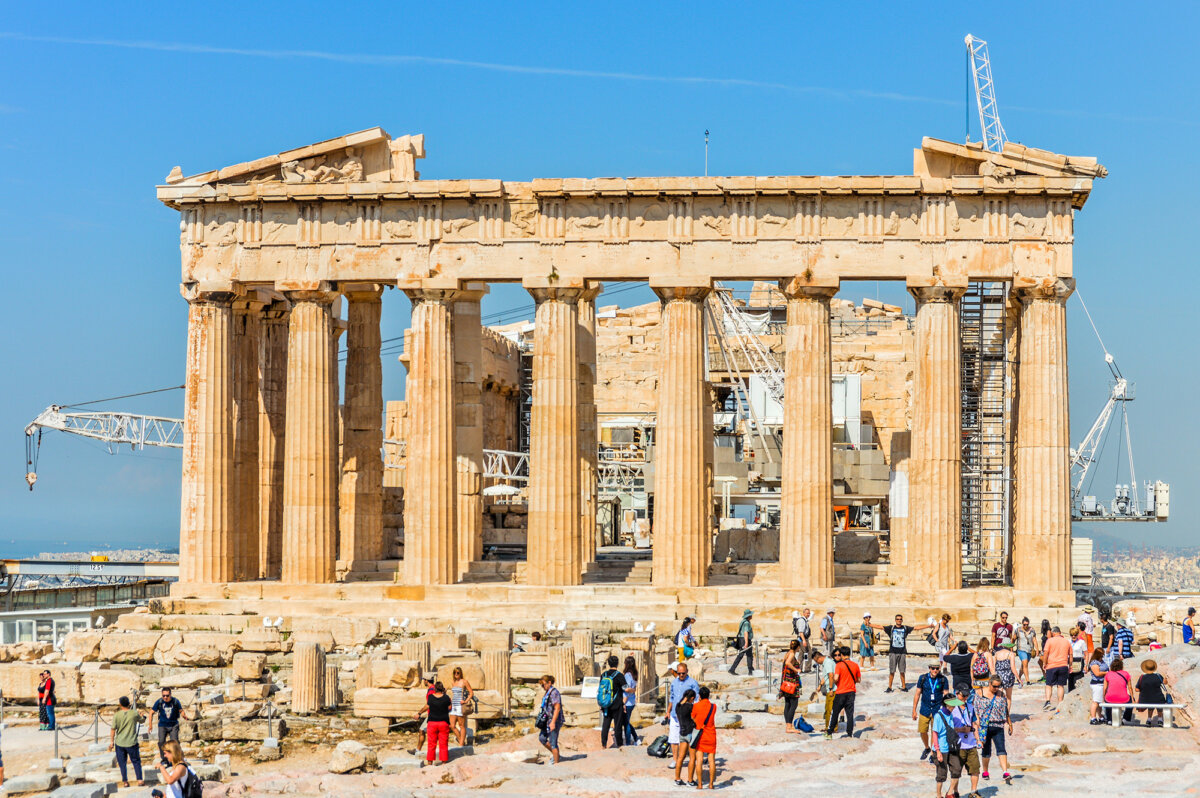
The Acropolis includes not just the Parthenon, but also the Doric Propylaea, the Erechtheion, and the Temple of Athena Nike. Initiated by the general and statesman Pericles during the Golden Age of Athens, the major monuments date back to the fifth century B.C. (Footnote: Phil Knight, the founder of the famous shoe brand, wrote in his memoir that he was inspired by a visit to the latter temple, dedicated to Nike, the goddess of victory in athletics and battle.)
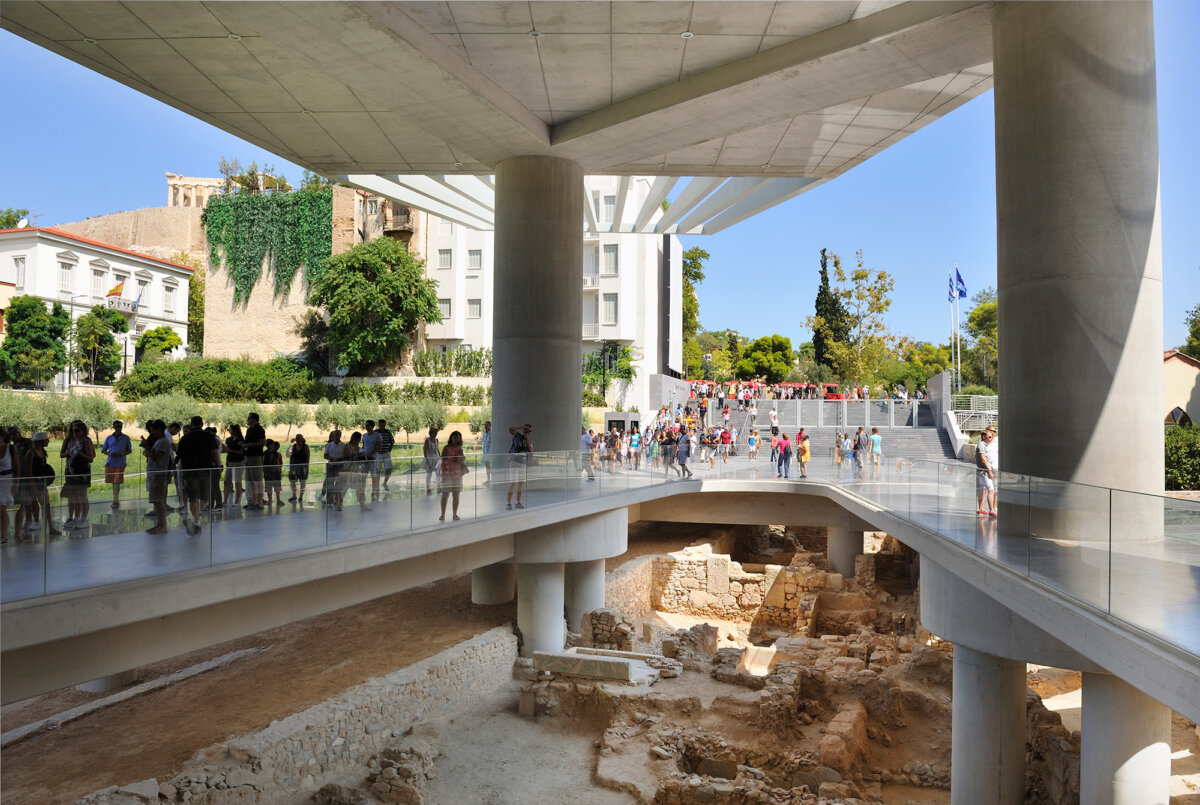
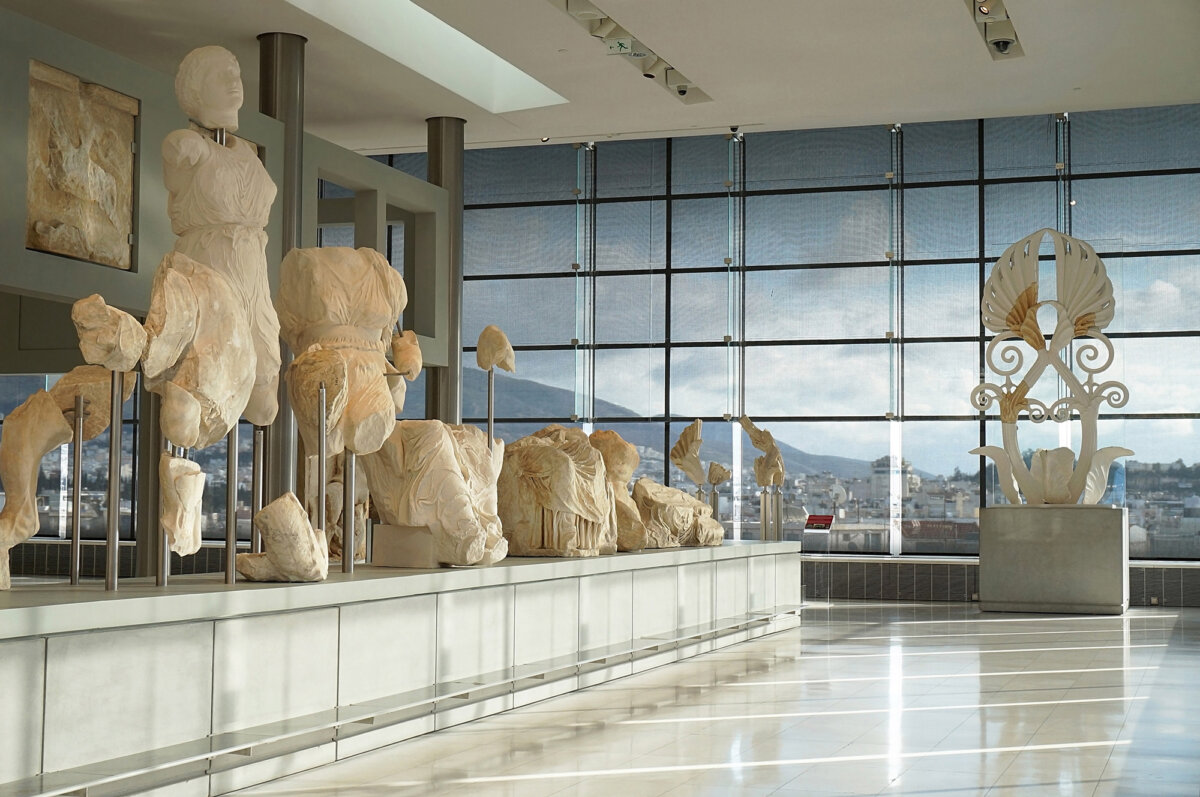
But everyone wants to visit the Acropolis. It can quickly become hot and crowded, so I have two quick tips. First, go online and book a ticket with a predetermined time slot as early in the day as possible. Second, after your visit, as you descend back down, do not miss the Acropolis Museum. You could spend a whole day at this glassy, ultra-modern museum.
Inside, it’s pure magic—bright, airy, and absolutely huge (226,000 square feet in total), with clear see-through floor panels on the upper levels that open the whole place up. A relatively new museum, it brings so many wonders of the Acropolis and other classic sites inside, carefully preserving and displaying them. Items from the Archaic, Classical, and Roman eras, including sculptures, statues, friezes, and many other artifacts, all of which are from so long ago, speak to you, weaving a narrative that stretches over thousands of years.
And if you’re looking to deepen your understanding of ancient Greece, the National Archaeological Museum is just a 10-minute drive away. The beautiful building itself is worth the visit, featuring a huge neoclassical structure. Inside, you’ll find more than 10,000 artifacts on display, and one of the most impressive collections of Greek art on earth.
The Complexities and Perplexities of Plaka
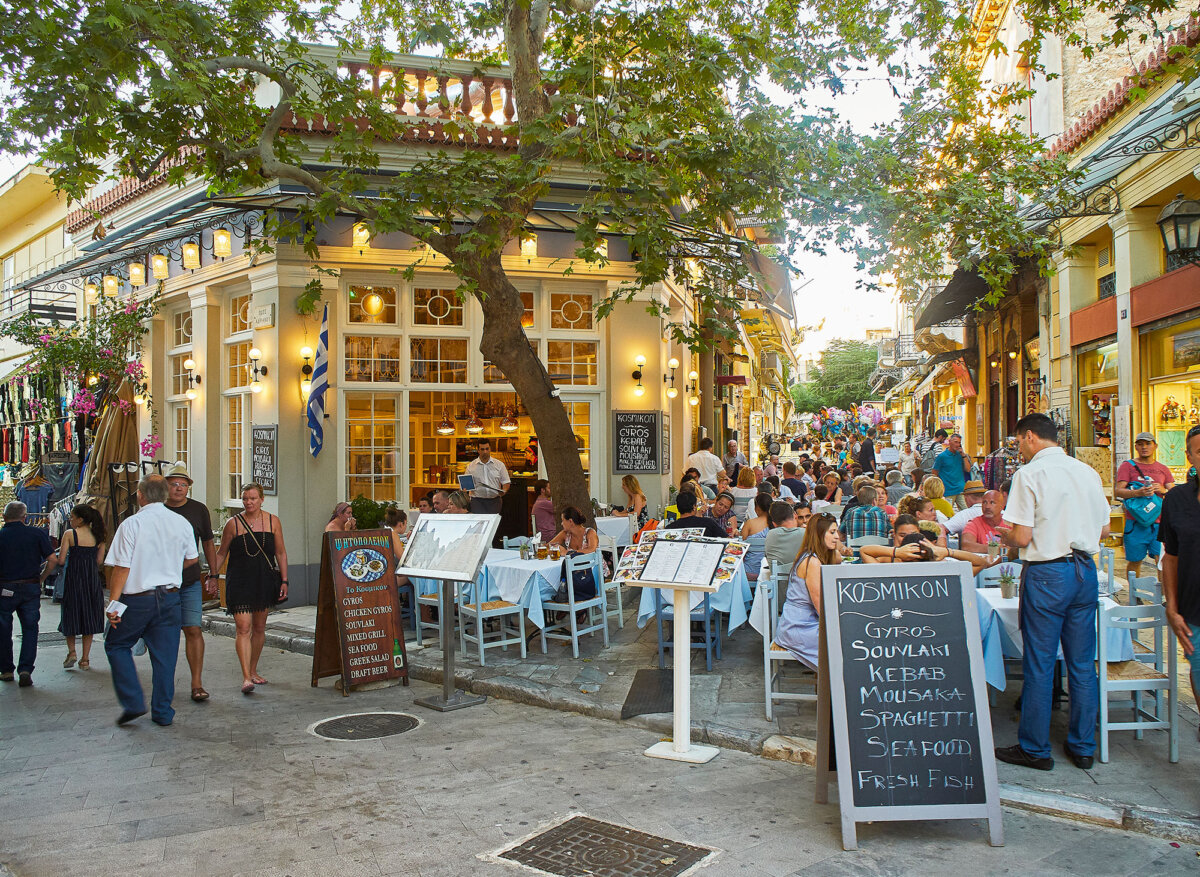
So, Plaka. Cobblestones and bougainvillea create an absolute labyrinth of streets. This is the oldest district in an ancient city, sitting at the base of the Acropolis. It is sometimes called the Neighborhood of Gods.
Like the Acropolis, Plaka is also very popular and crowded during high season. But it is a must-visit. My recommendation: Go twice. Take a late-afternoon stroll, browse the shops, and get lost in the maze of little lanes. Perhaps include a break at Brettos, Athens’s oldest distillery, where you can enjoy a nice ouzo tasting.
Then come back at night for dinner. Yes, you’ll pay more for the view, but digging into a steaming plate of saganaki or moussaka while marveling at the sight of the Acropolis, all lit up at night, is a memory you won’t soon—or ever—forget.
Eat Cheap
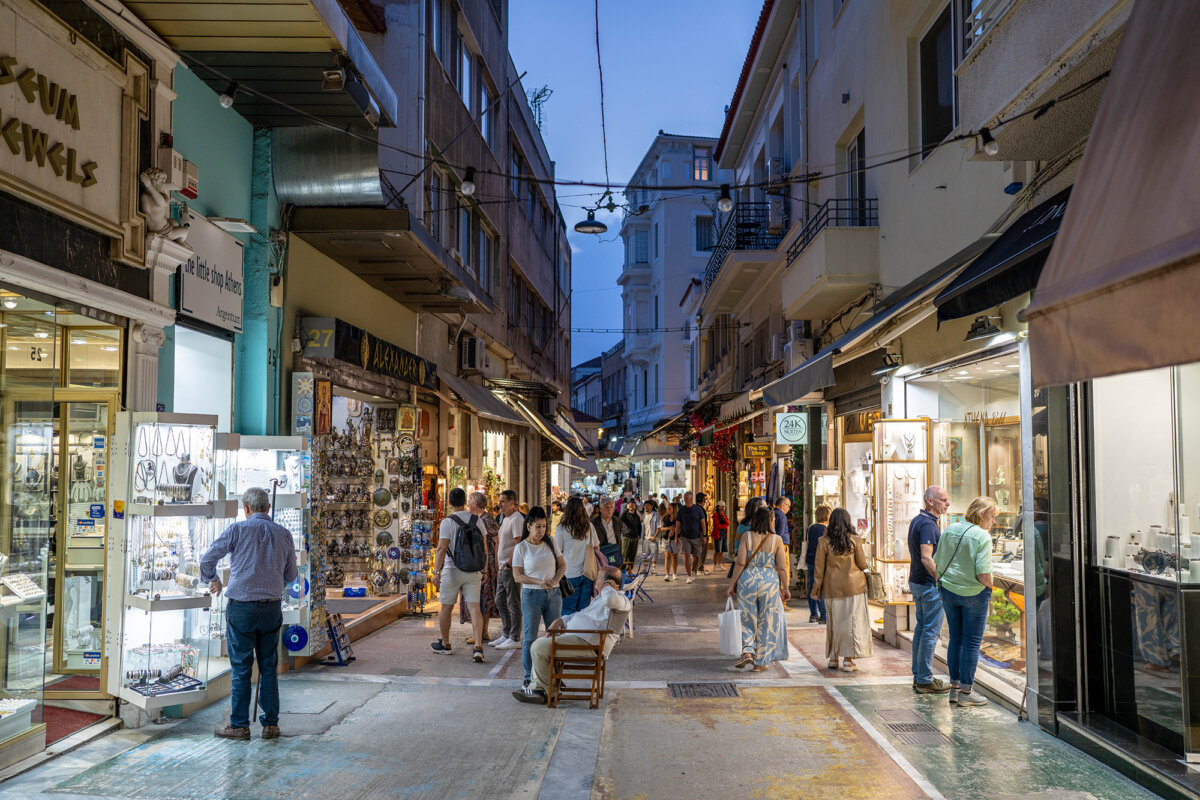
This brings me to my next, brief point. I cannot think of another European city where you can eat so well, for so little. (Caveat: You must like Greek food.)
I love cheap and cheerful fare. When I’m in Athens, I never need to walk more than a block or two to find a mouth-watering meal that costs no more than the coins jangling in my pocket. A personal favorite that you’ll see everywhere is pork or chicken gyros. Usually sold for just a few euros at any local spot, gyros are made of meat slow-cooked on a vertical, rotating spit and packed into a pita with onions, tomatoes, fries, and the absolute best thing in the world, tzatziki sauce. (Another footnote: “Gyros” means “turn” in Greek, named for the actual motion of the spit.) One gyro can serve as an entire meal.

Take a Tour
In many ways, Athens is a city that needs to be unlocked. What may on its face look like nothing or worse actually has a fascinating story or a long narrative filled with compelling details. Just as the first understandings of the hieroglyphics on the Rosetta Stone opened up a whole world of Egyptian history, a guide can interpret even the most raffish-looking neighborhoods in this city.
First-time visitors often complain about the scrawls on the walls of the more contemporary parts of town. However, during a street art tour through rarely visited streets and alleys, a graffiti artist unpacked it all for me, explaining the meanings behind huge murals and rough-looking tags.
Along the way, he painted a vivid picture (pun intended) of recent Greek history, highlighting themes of discontent, resistance, and revolt. Greece has faced many challenges yet has drawn from a deep well of strength and character to overcome them, all brilliantly displayed on the bricks of back passages. And if graffiti isn’t your thing, a street food tour is definitely worth it as well.

Late City
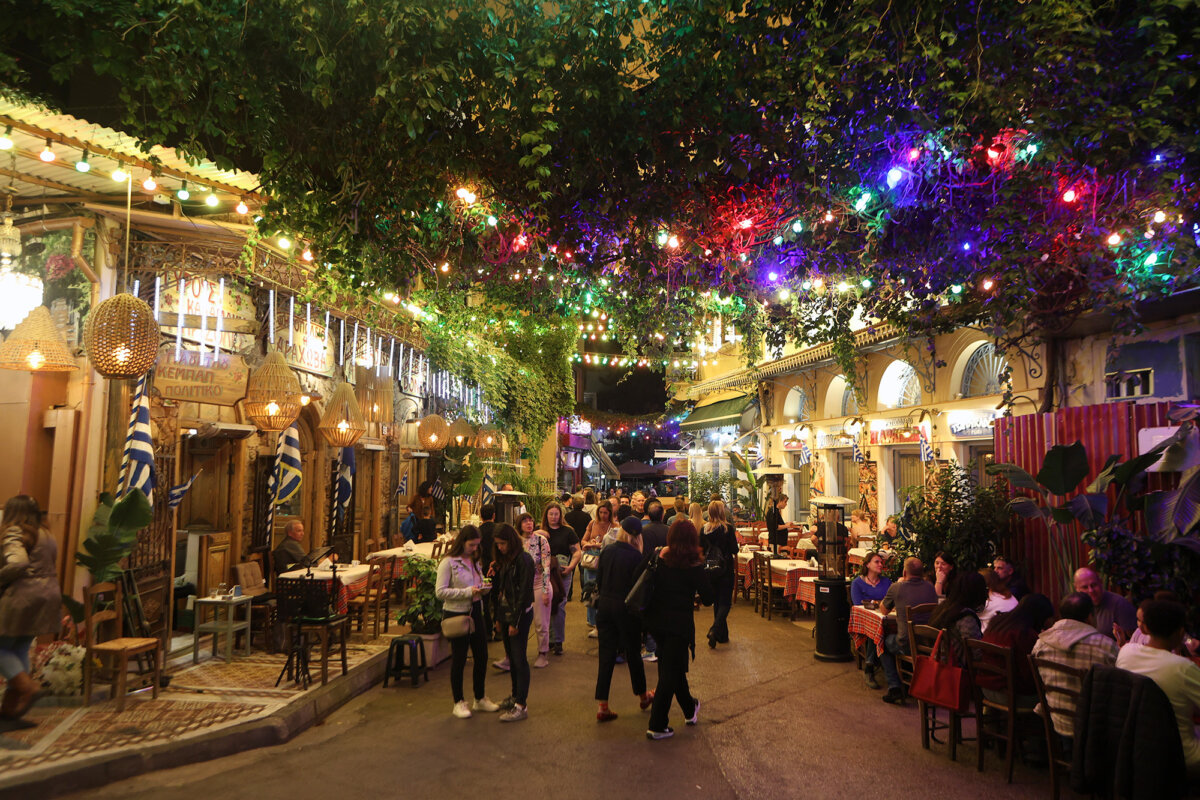
If you’re a night owl, like me, Athens is an excellent place to spend time. Greeks tend to embrace a very social lifestyle, taking a late-afternoon break and perhaps a nap, so their get-togethers can stretch into the evening and even the wee hours of the morning.
I’ve dined in local restaurants where the tables didn’t begin to fill up until well after most North Americans would’ve gone to bed. Once, an Athenian friend invited me to a birthday party in a private room at a trendy pub in the beach neighborhood of Vouliagmeni. I had to triple-check the start time of the event: 11 p.m.
When I showed up five minutes late, I was the first one to arrive and remained solo for about half an hour before my friend rushed in.
“I forgot that you’re from North America, and would show up on time,” she said. “Here, everyone is always an hour late.” This meant that the actual start of the party was at midnight.
So if you want to see locals at their truest and happiest, be prepared for a more nocturnal schedule. The good news is that people also tend to wake up late. I’ve never stayed at a Greek hotel where breakfast ended before 11 a.m. After a night of living like a local, you can feel free to sleep in.
Get Out of Town
But, you know, not too far. Perhaps the best thing about Athens, apart from its ancient history, the warmth of its people, and the deliciousness of its food, is the fact that you can travel to a whole different world nearby, sometimes even by just boarding a city bus.
The Athenian Riviera, a series of beaches along with seaside bars and restaurants, can be reached on public transit in about 45 minutes. This means that you can enjoy your late breakfast, then ride out to a beach chair set on blue water for a super chill afternoon, the perfect way to end a bustling visit to the Greek capital.
