



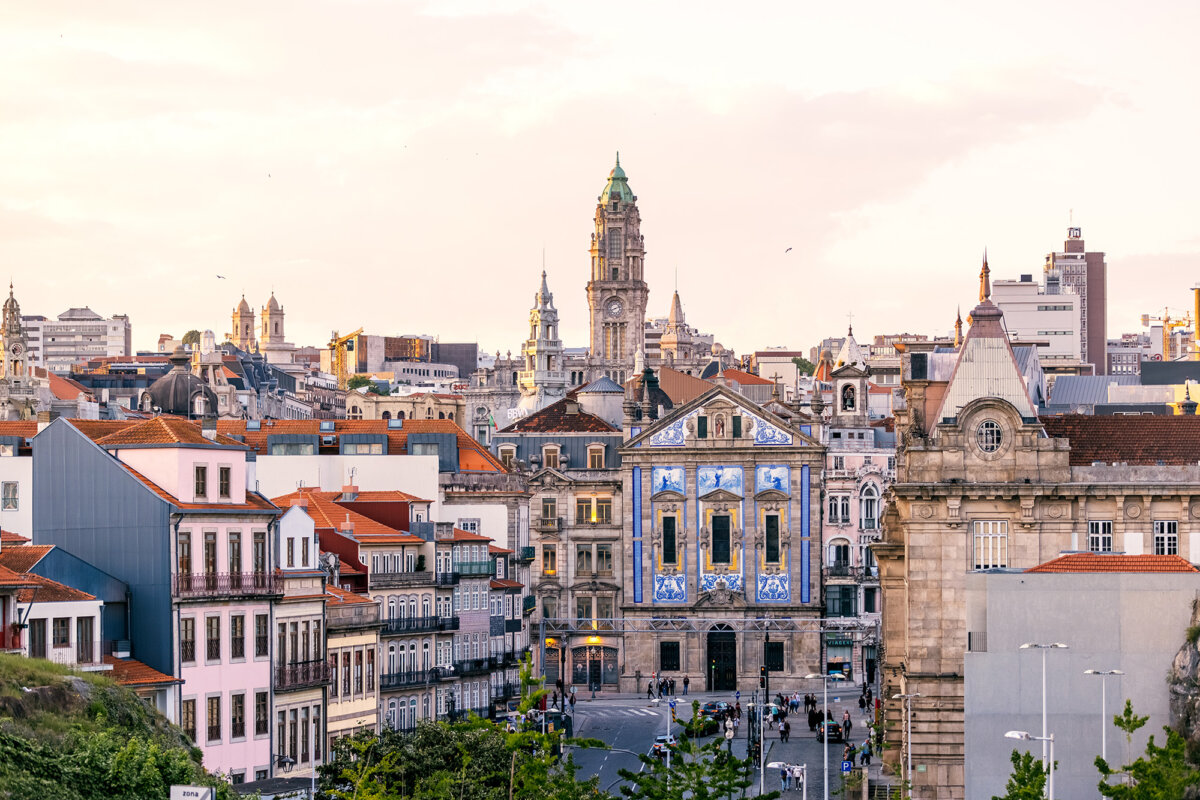
Sydney, Miami, Paris, and Budapest, Hungary, are cities that look their very finest when viewed from the water, and dramatic and beautiful Porto, in Portugal’s north, is absolutely one of the best. That truth made its indelible impression on me the first time I rolled up the Douro River, the Atlantic just at my back.
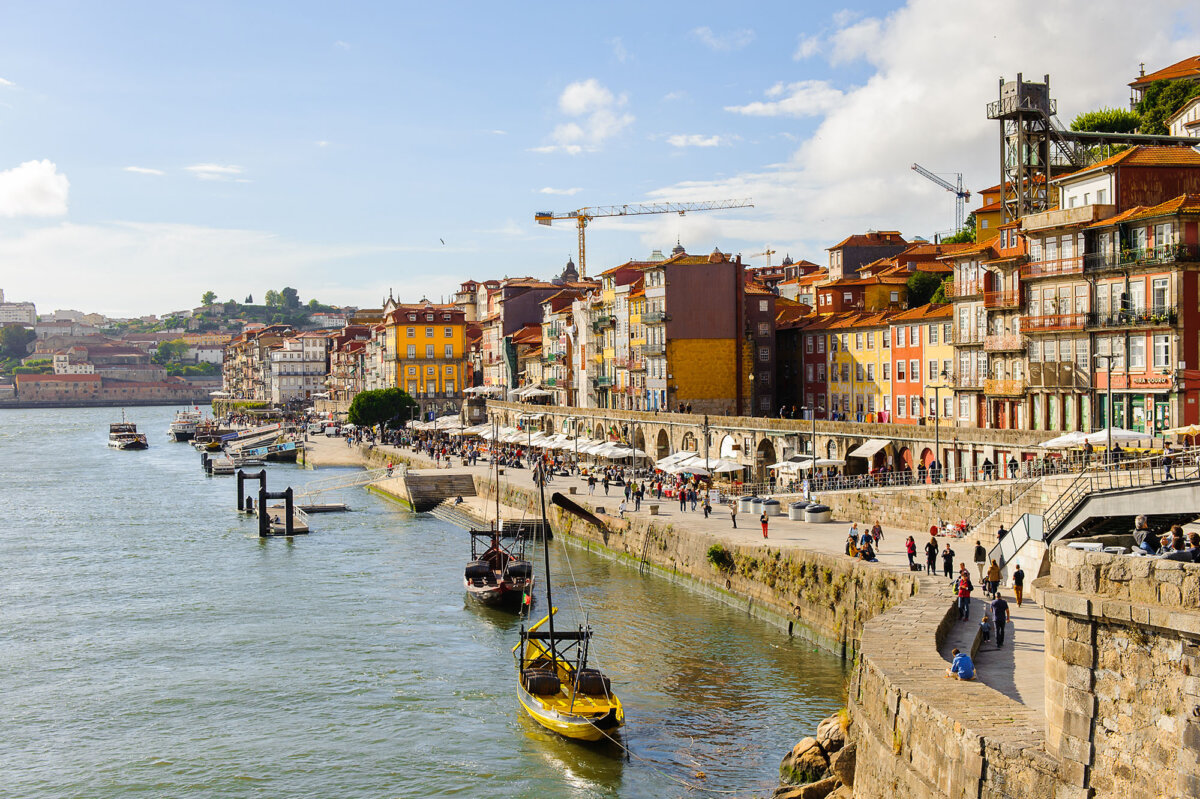
Six bridges soared between the main part of town and Vila Nova de Gaia, on the other side. Vibrant and colorful storefronts in former warehouses lined the Ribeira waterfront, alongside historic port lodges over in Gaia. Much of it is preserved as a UNESCO World Heritage Site, made even more memorable in the gauzy blue light. You know that special moment when the sun has dipped below the horizon, and the lights of the city have just come up. It’s not hard to find the charms of Portugal’s second-largest city, but it’s even better when you have some advice on how to visit.
A Secondary Airport (but Still Very Nice)
The good news: Porto’s Francisco Sá Carneiro Airport (OPO), named for a former prime minister, is close to town, just about seven miles northwest of the city center. While it is not a major hub, you’ll find only a handful of nonstop flights from North America, including Newark on United Airlines and Boston on TAP Air Portugal, the national flag carrier. Many visitors connect here through Lisbon (often on TAP) or other European cities.
The single-terminal airport is a comfortable, compact, bright place to land, allowing you to hit the ground running soon after the tires meet the tarmac. While OPO is served by taxis, buses, and ride-sharing services, the metro might be the best choice. The E (or Purple) Line will take you right into the heart of town.
Put On Your Walking Shoes
Even with a fast, clean, efficient, and affordable public transit system, some walking is inevitable here. Steep hills rise hundreds of feet on both sides of the Douro, making a good pair of shoes essential. The inclines can be the kind of steep that makes your calves burn, and without good, solid soles, you’ll feel every one of those cobblestones.
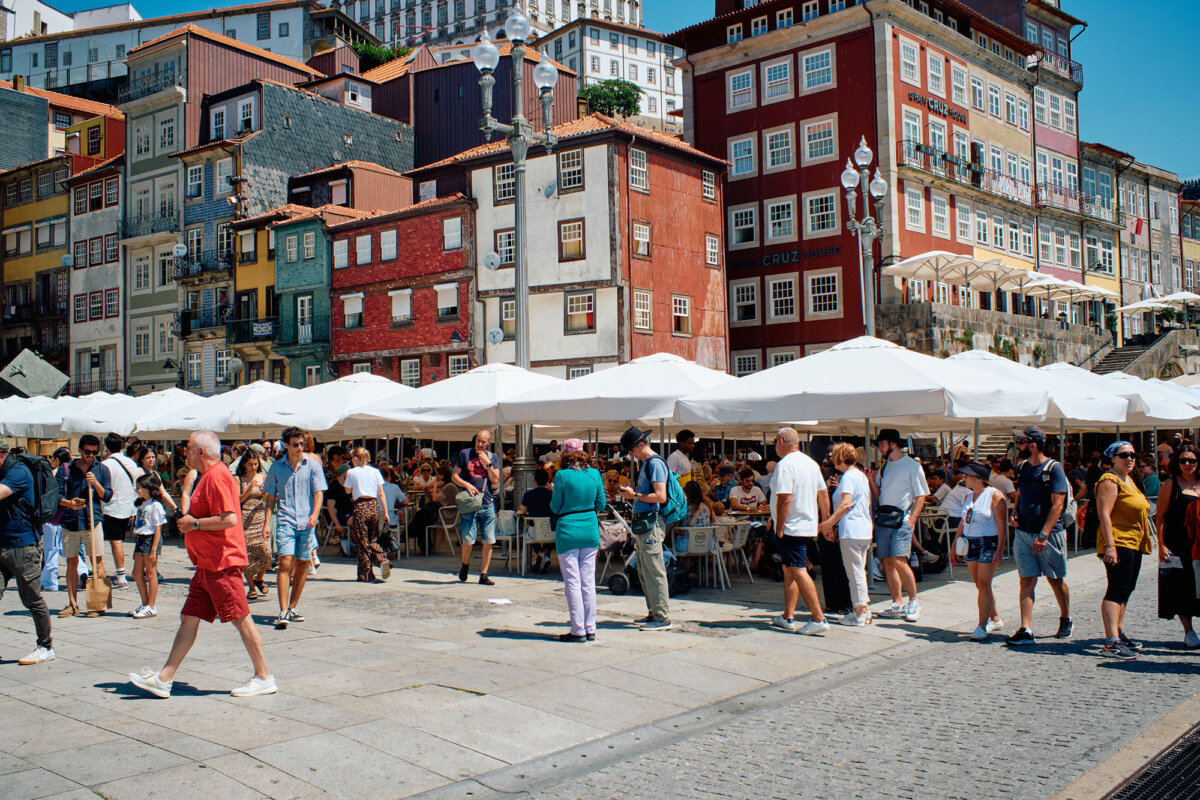
During my last visit, my well-worn footwear just wasn’t up to the task, so I purchased a brand-new pair while I was there. A good strategy is to plot your route before going out. Take a tram, subway, or bus to an attraction at the highest point you’ll visit that day, allowing you to amble downhill to the rest of your destinations.
A Great Place to Shop
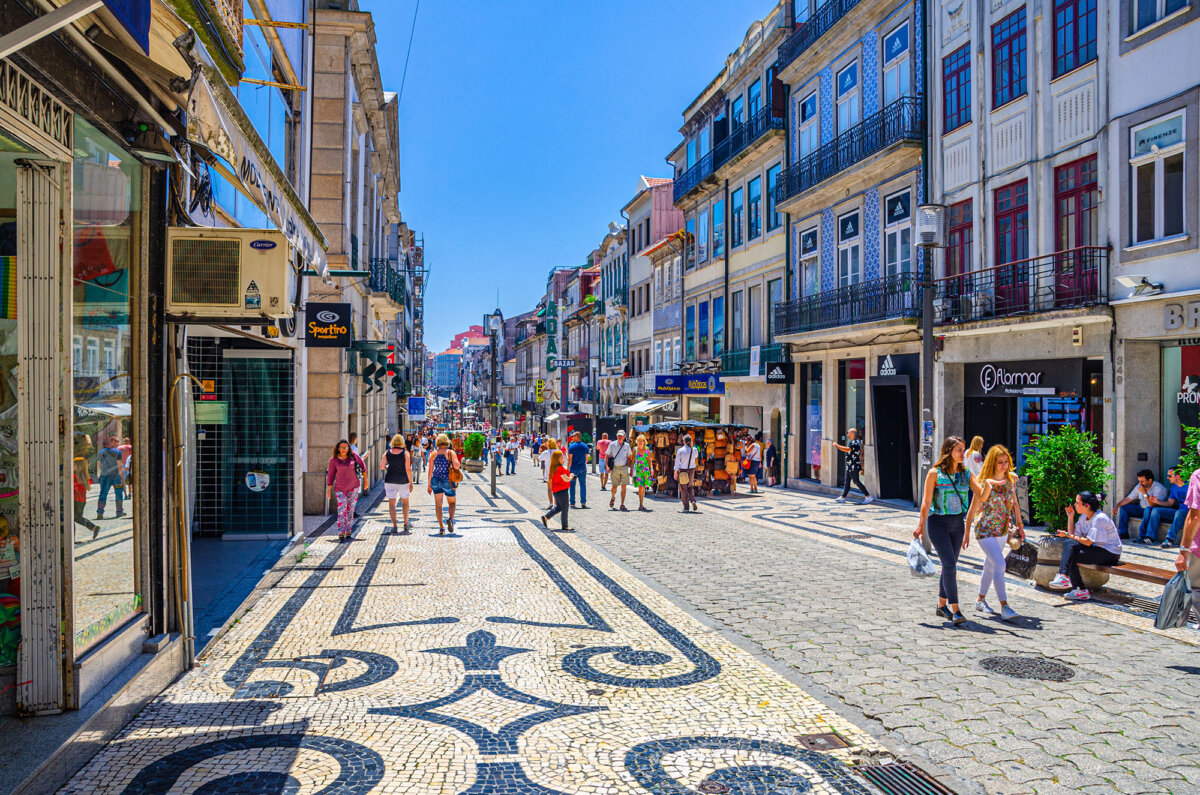
It’s exactly the strategy I used while browsing the stores lining Rua de Santa Catarina, Porto’s premier pedestrian shopping street. As I made my way down toward the river, I popped into a number of spots. I was mostly looking for shoes, but also took some time for a haircut and shave at a local barbershop. A small detour to the Mercado de Bolhão was definitely worth it. Opened in 1914, the market underwent a recent renovation that restored it to its original neoclassical glory. Vaulted steel roofs provide shade from the sun and rain while keeping the dozens of stalls open to the air.
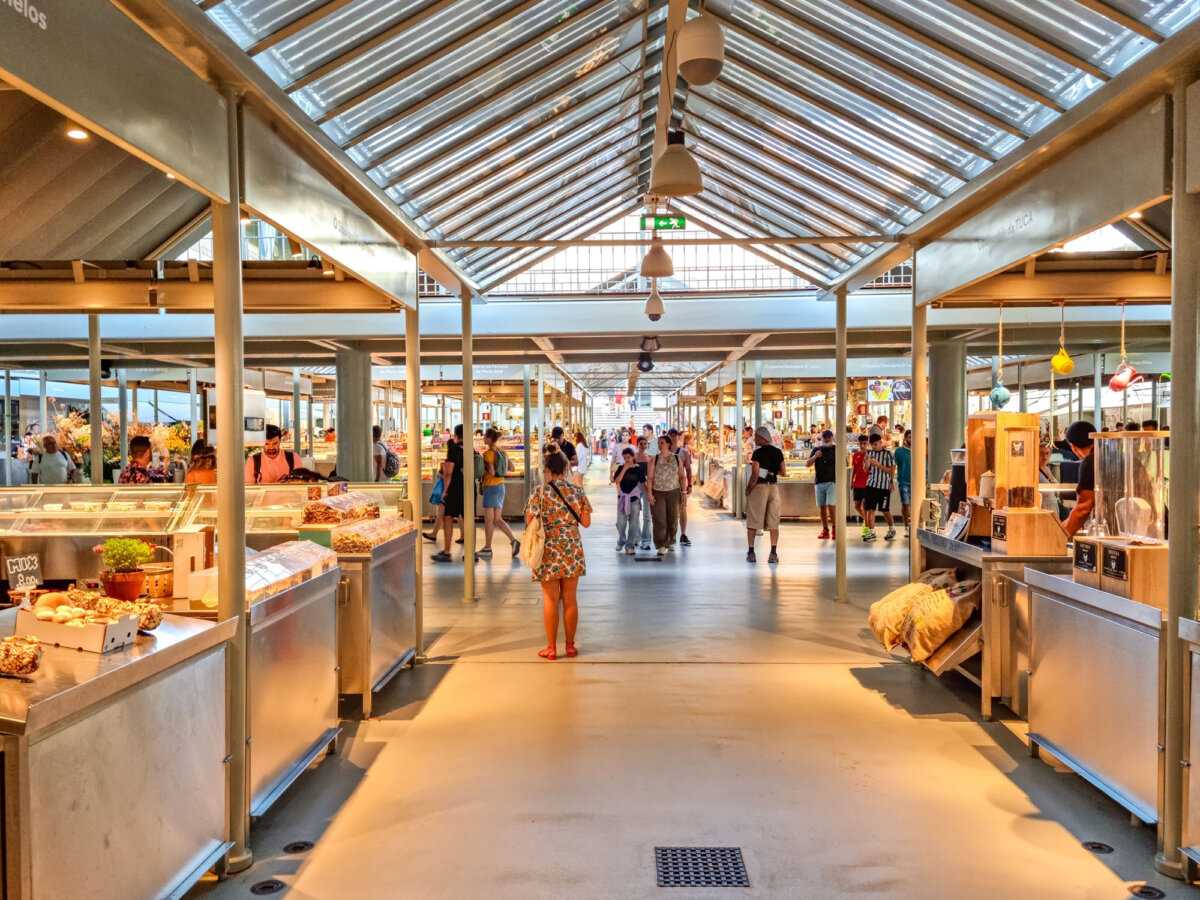
Vendors sell everything from flowers to fresh fish, with cod being a specialty here. On the bright, warm Tuesday afternoon I visited, a surprising number of locals gathered around small tables with glasses of wine, enjoying ice cream cones on the steps at one end. The overall effect was buzzy and friendly.
For shopping, head over to the far side of the Douro to wander around El Corte Inglés. This towering structure harkens back to the heyday of huge department stores, and you can find pretty much anything, including a pretty decent meal at the restaurant on the 13th floor. I walked out of there with a brand-new pair of sneakers.
Try Some Tinned Fish
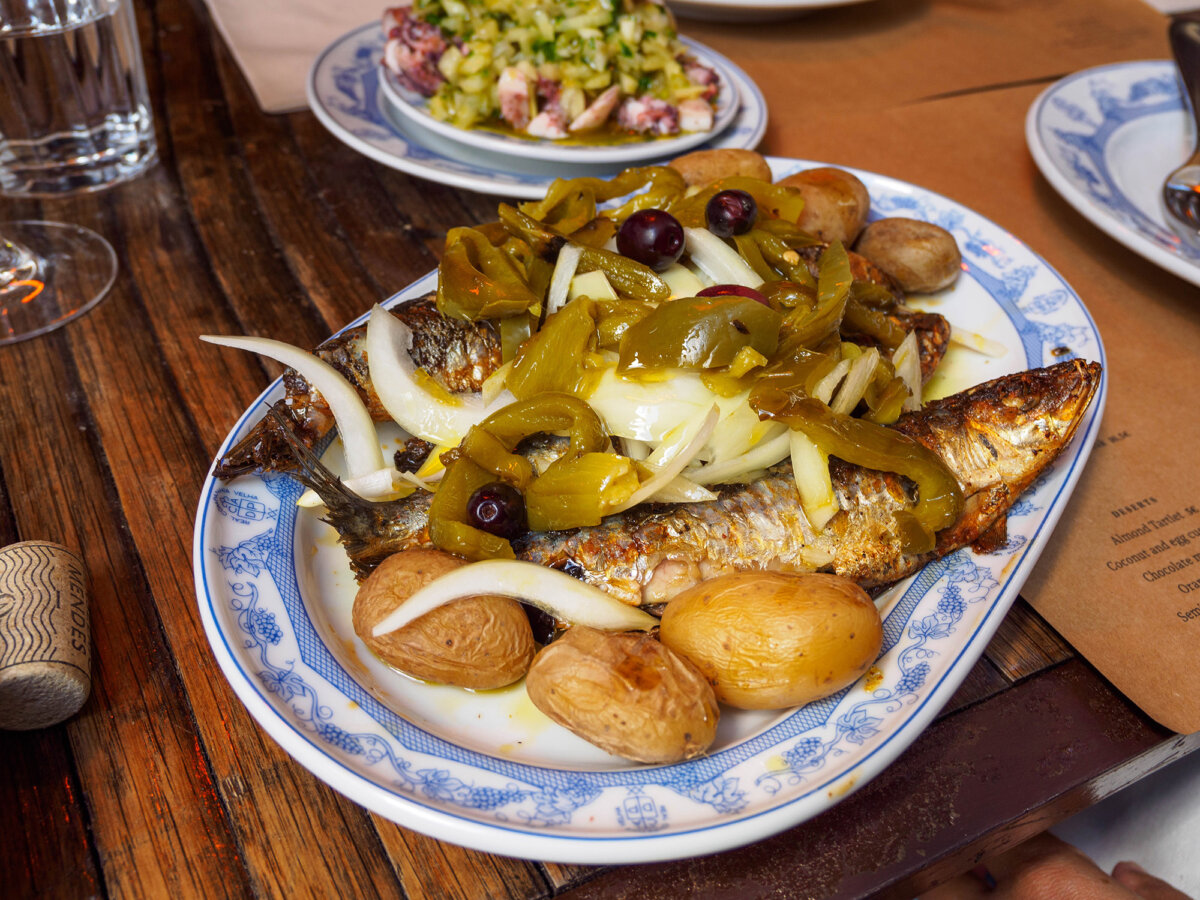
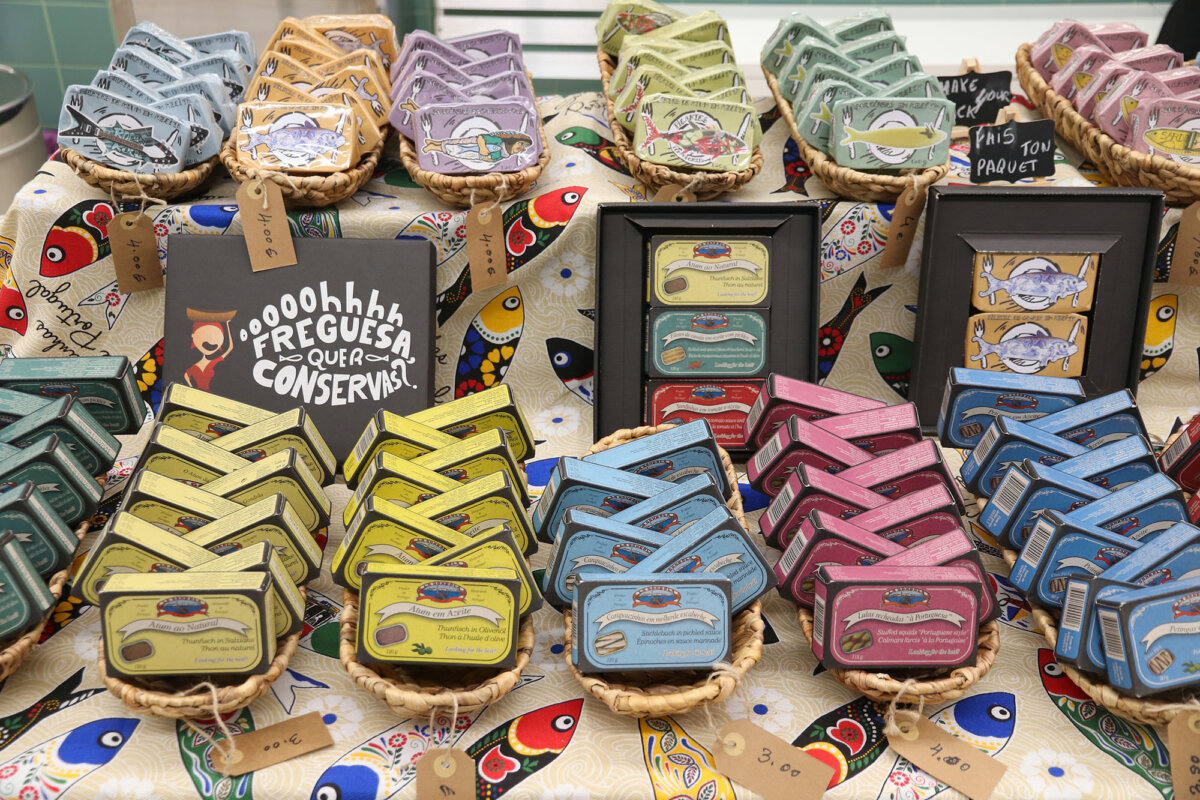
Yes, seriously. I promise—you’ll like it, especially if you buy it from Mercado near the market, a small shop lined with cans of seafood. “Just like people will set out cheese or a charcuterie board at a little party, the Portuguese will crack open some tinned fish,” a guide told me on my visit. I tried sardines in tomato sauce and tuna in spiced olive oil. And in both cases I absolutely loved the savory and honestly not-too-fishy taste.
The Most Beautiful Bookstore in the World
The staff at Livraria Lello will happily tell you that they work at the most beautiful bookstore in the world. It is, in a word, lovely, and also graceful, with a definite Hogwarts feel. To reach the swirling staircases inside this 120-year-old institution, know that you’ll need a ticket, booked online with a time slot, to get through the front door.

The basic Silver Voucher costs 12 euros for an unguided visit. A few price levels up, a Platinum Voucher (50 euros) grants access to a part of the shop that few visitors ever get a chance to see. It’s called the Gemma Room, and it houses rare and unique books, as well as first editions.
No matter which voucher you choose, it also serves as a coupon, redeemable for its full value on anything you’ll find on the many shelves. This relatively small bookshop sells thousands of volumes every single day. My recommendation is to spend your credit on one of its high-quality special editions, bound with sewn-in bookmarks and golden edges, created just for sale at Livraria Lello. Most are classics, including the full Harry Potter series.

Port Lodges in Gaia
Of course, Porto is synonymous with Port wine. Since the 17th century, grapes grown in the Douro Valley, one of the world’s oldest and finest wine regions, have been fermented, and then fortified with brandy. Transported in barrels aboard traditional, flat-bottomed Rabelo boats, they arrived at the “lodges” in Vila Nova de Gaia on the far side of the river, where they matured and were prepared for shipment, often to Britain.
You can visit several lodges in a single afternoon. If you’re at all familiar with Port wine, the names will be easily recognizable—Sandeman, Graham’s, Ferreira, and many others. Tours generally walk visitors through the fermentation and finishing processes, and end with a tasting.
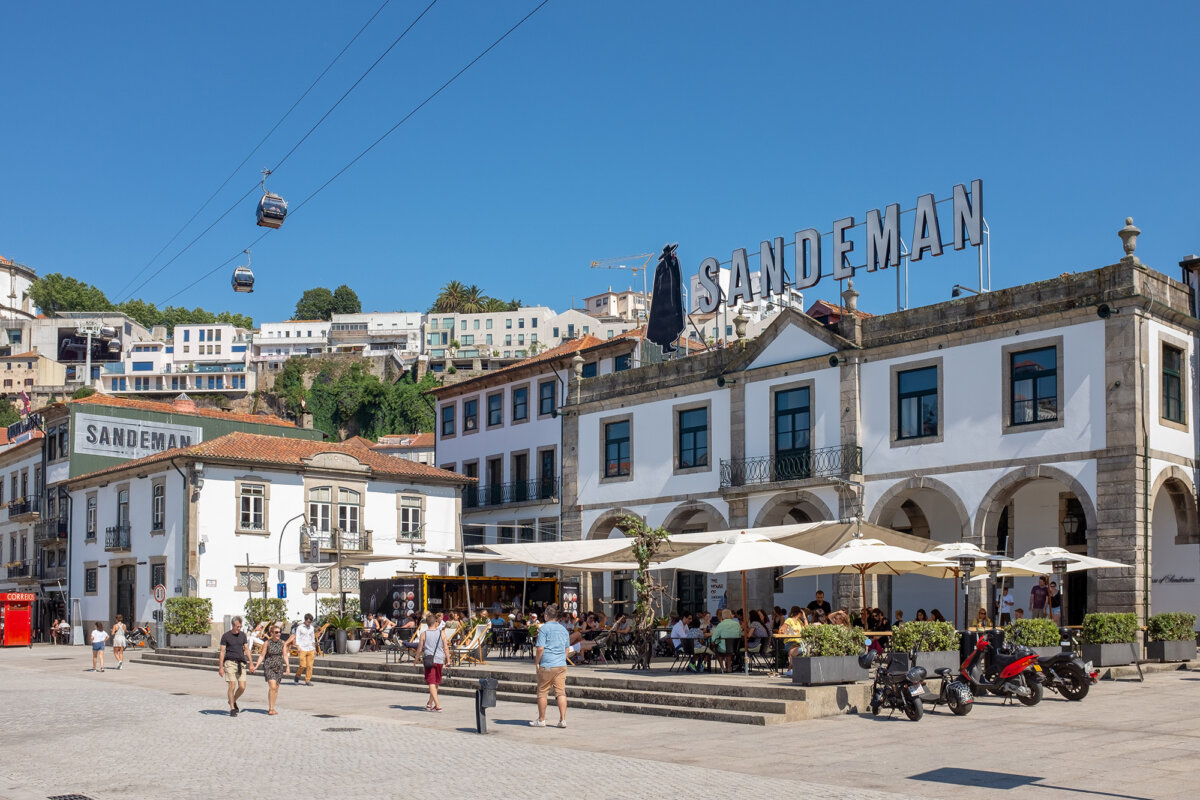
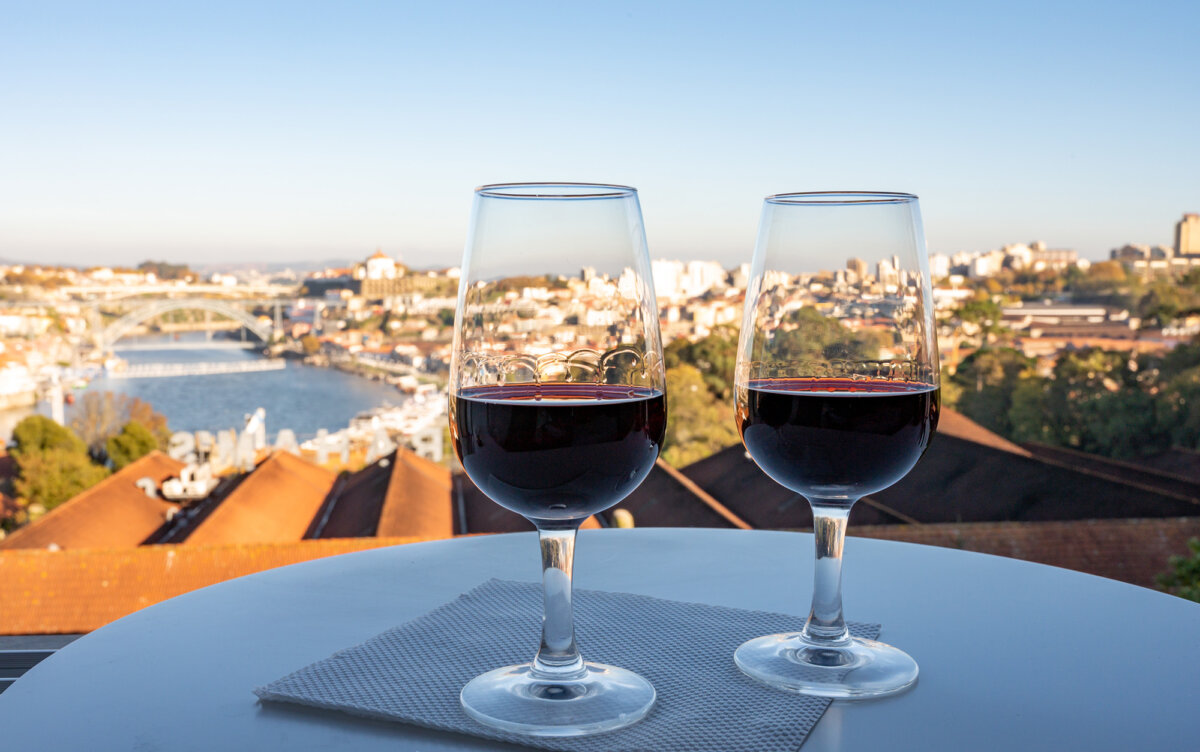
Like at Lello, most offer various pricing and inclusions, so you’re best off browsing their websites in advance and choose the tour that best suits you. And a tip: You can buy many of these brands at any Porto supermarket for a very low price, so try a couple beforehand, then visit the lodge that creates your favorite ruby, white, tawny, or rosé. Scoop up tonic water to make your own version of the city’s signature cocktail, the Porto Tónico.
So Much More
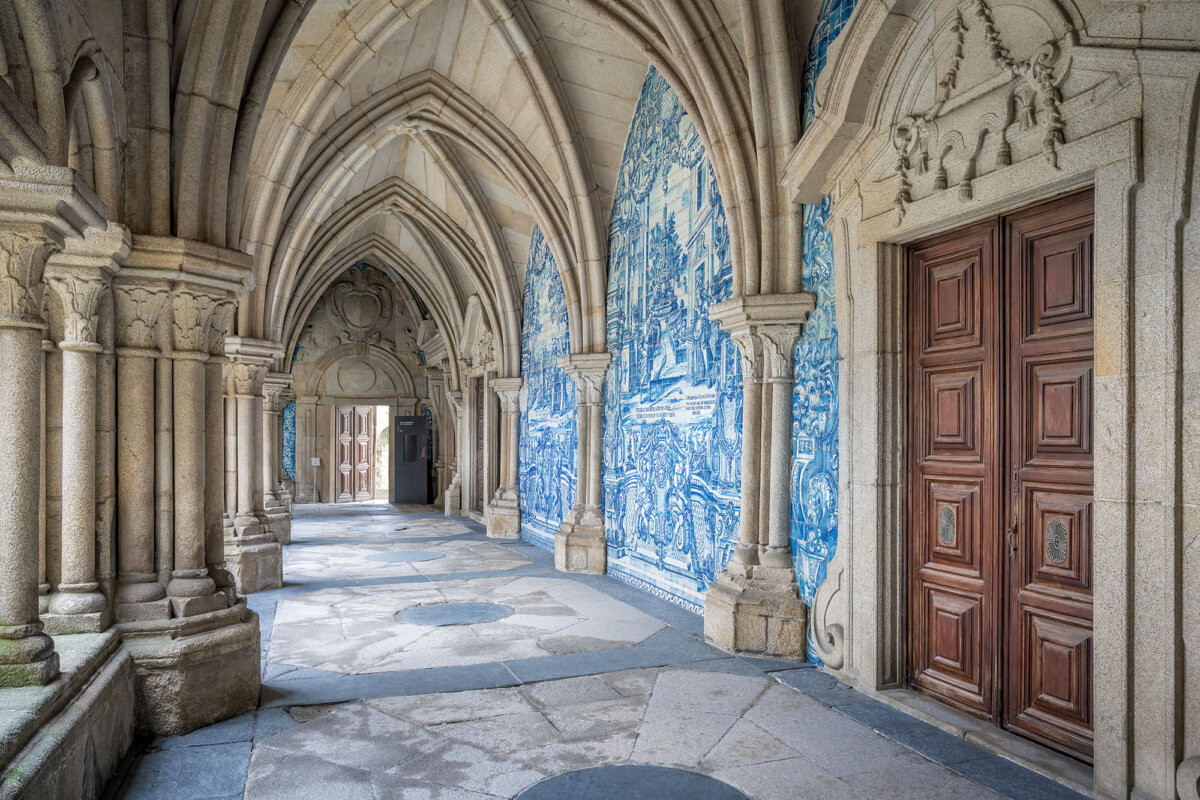
Despite its relatively small size, Porto is a city you could explore for days. There’s just so much to see, from the vibrancy along the river in the Ribeira District to the beautiful cathedral and blue tiles at the Chapel of Souls. Planning is key. If you stay at the newly renovated Renaissance Porto Lapa Hotel in Lapa, the concierge, referred to as a “navigator,” can help you piece together a great daily itinerary.
I’ll finish this article exactly where I started—on the Douro River. Porto is a popular jumping-off point for weeklong voyages through the locks and past all the many terraced vineyards in the Douro Valley to Salamanca in Spain (and back). All of my visits here have been built around these types of voyages.
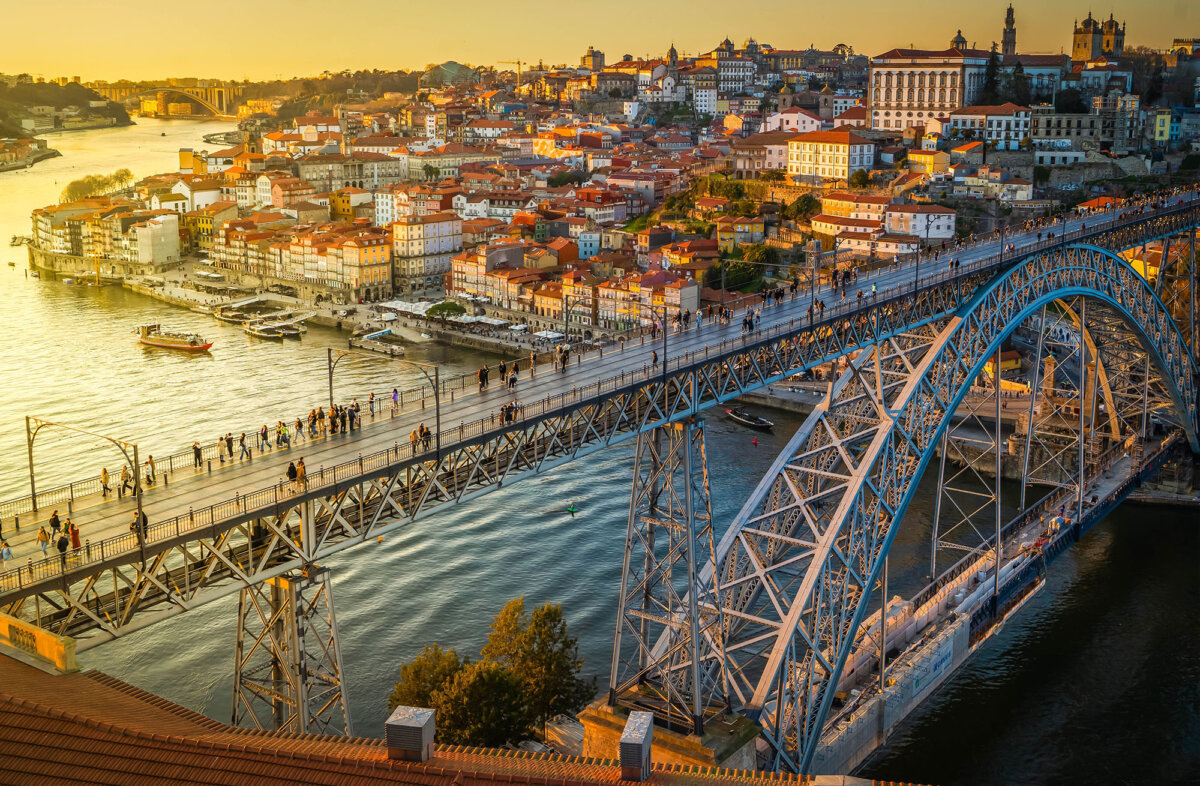
But if you don’t have the time for a full week, consider taking an evening on the water, perhaps a sunset cruise, with a wine tasting. The view of the old city on one side of the Douro, with the competing neon signs of the lodges over in Gaia, is a perfect way to end the day in one of Portugal’s (and Europe’s) most magnificent cities.
