



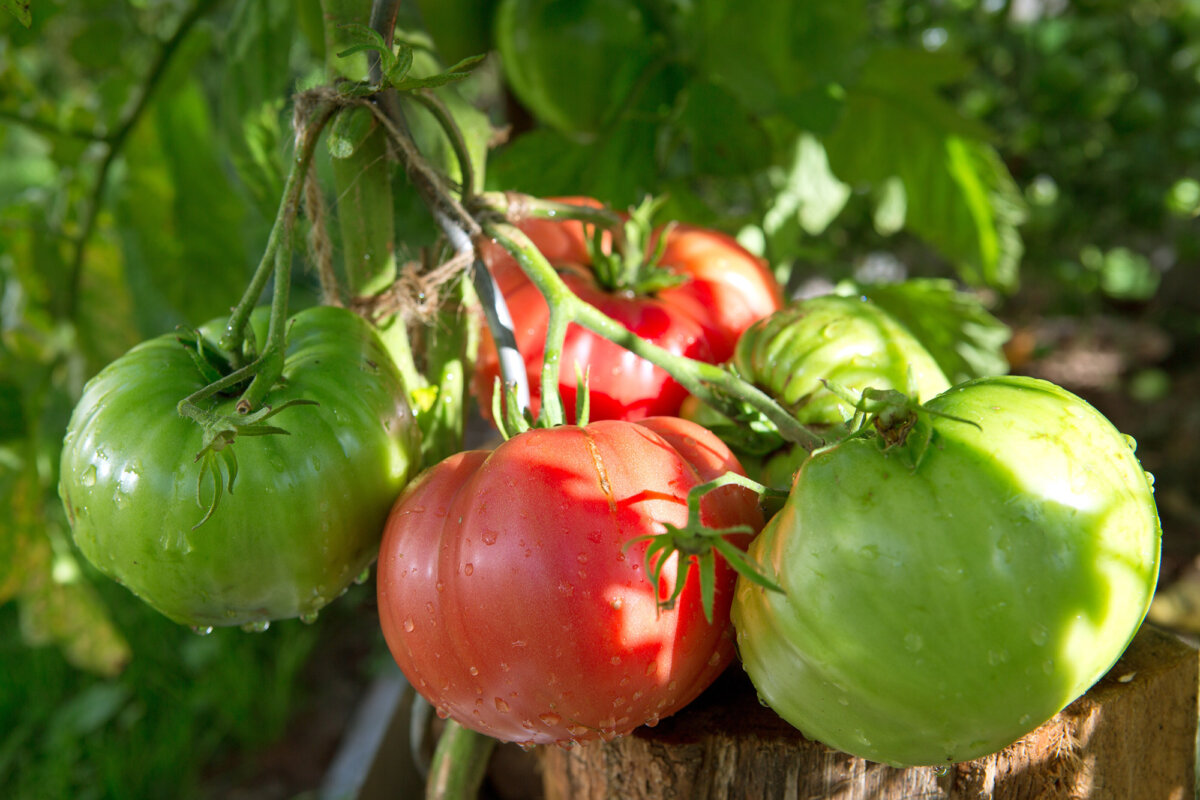
The selection of plants and seeds can quickly become overwhelming. For example, there are hundreds of tomato varieties alone, and choosing the wrong one can lead to a disappointing growing season despite meticulous care.
The first consideration is to choose plants appropriate for your U.S. Department of Agriculture hardiness zone. Next is the type of seeds or transplants. The open-pollinated nature of heirloom plants allows for seed saving, which can be a significant budget booster and can lead to the natural development of localized strains that do better over time.
On the other hand, hybrids, which are the result of carefully controlled pollination and must be purchased to guarantee true-to-type seedlings, often offer more uniform and vigorous growth, sprout more easily, and provide higher yield. Pest- and disease-resistant hybrids are specifically designed to avoid common problems, reducing the need for meticulous monitoring and the resulting maintenance, and lessening the risk of crop loss.
A Word on Transplants
Check transplants carefully for signs of pests and diseases such as leaf spot and blight. In general, it’s best not to purchase a vegetable plant that is already flowering, as it has moved its focus to producing fruit and seeds. That makes it harder for the plant to establish the crucial new roots that will allow it to survive and thrive in a new environment. But if the price is so low you can’t say no, immediately remove all the flowers and buds to help the plant redirect its focus.
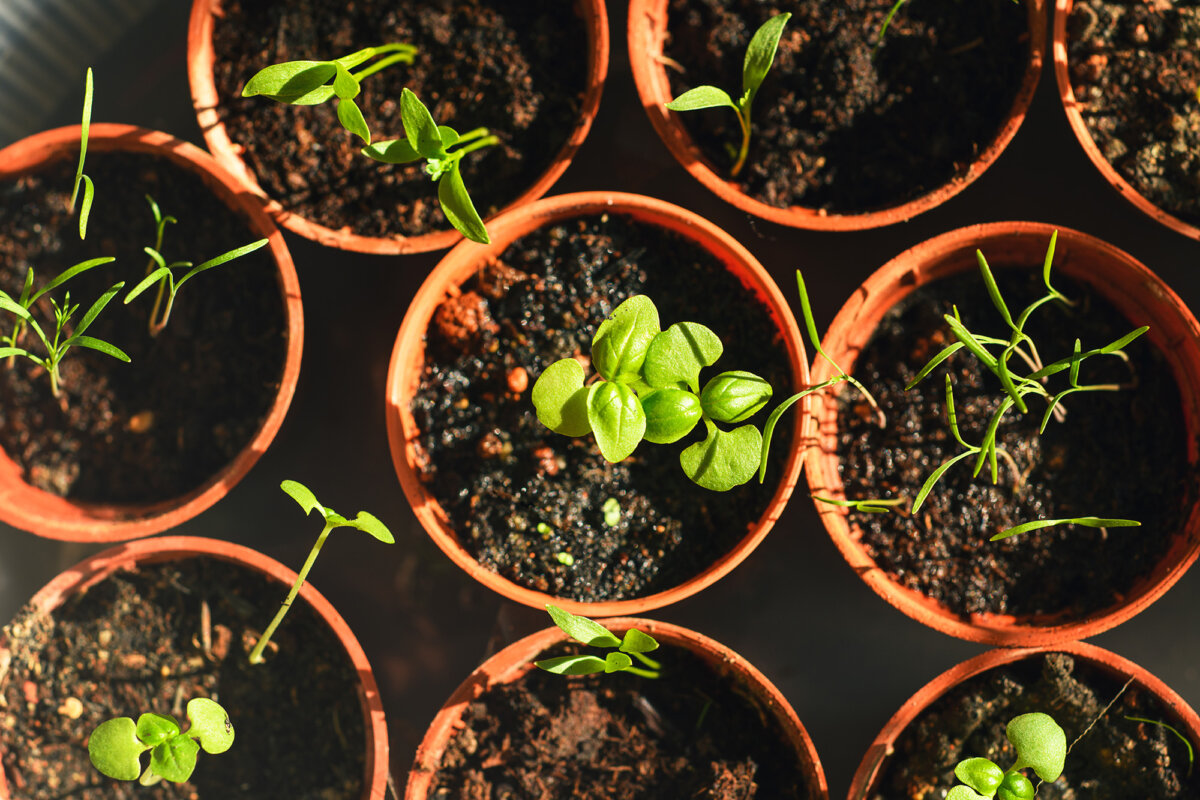
Instant Green
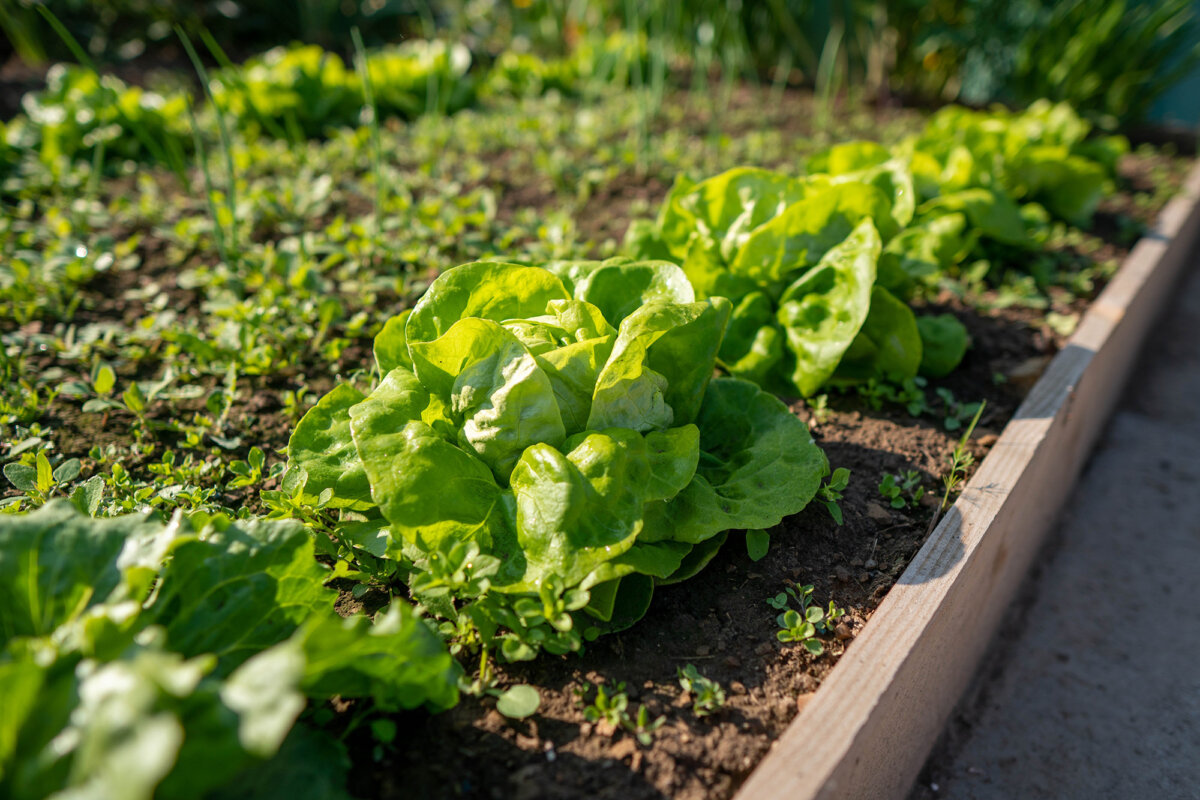
Fast-sprouting and then continuously producing, leaf lettuce is so easy to grow that it’s often used as a starter plant to introduce young children to the magic of gardening. Typically seen as a cool-season plant, it’s beneficial to choose a heat-tolerant varietal. The popular early-harvest Black Seeded Simpson, for example, is ready in less than 45 days. Other slow-to-bolt (i.e., go to seed) hot-climate greens that are resistant to tipburn include New Red Fire, Amish Deer Tongue, Grand Rapids, Green Ice, Lollo Biondo, Oak Leaf, and Salad Bowl, to name a few.
Prefer butterhead or bibb lettuce? Batavia or French crisp, or summer crisp? Or iceberg? There are heat-tolerant options in these categories, too. Germinate seeds indoors to increase the chance of success, and grow them in early morning sun, with midday and afternoon shade. Or protect them with shade cloth.
Love spinach? Even heat-tolerant spinach can struggle in genuine summer heat. For spring or early summer production, plant some Bloomsdale Long Standing or Catalina seeds.
Hearty summer kales include the resilient Blue Ridge and Lacinato (also known as Black Cabbage, Dinosaur Kale, and Nero Di Toscana).
Tomato Suggestions
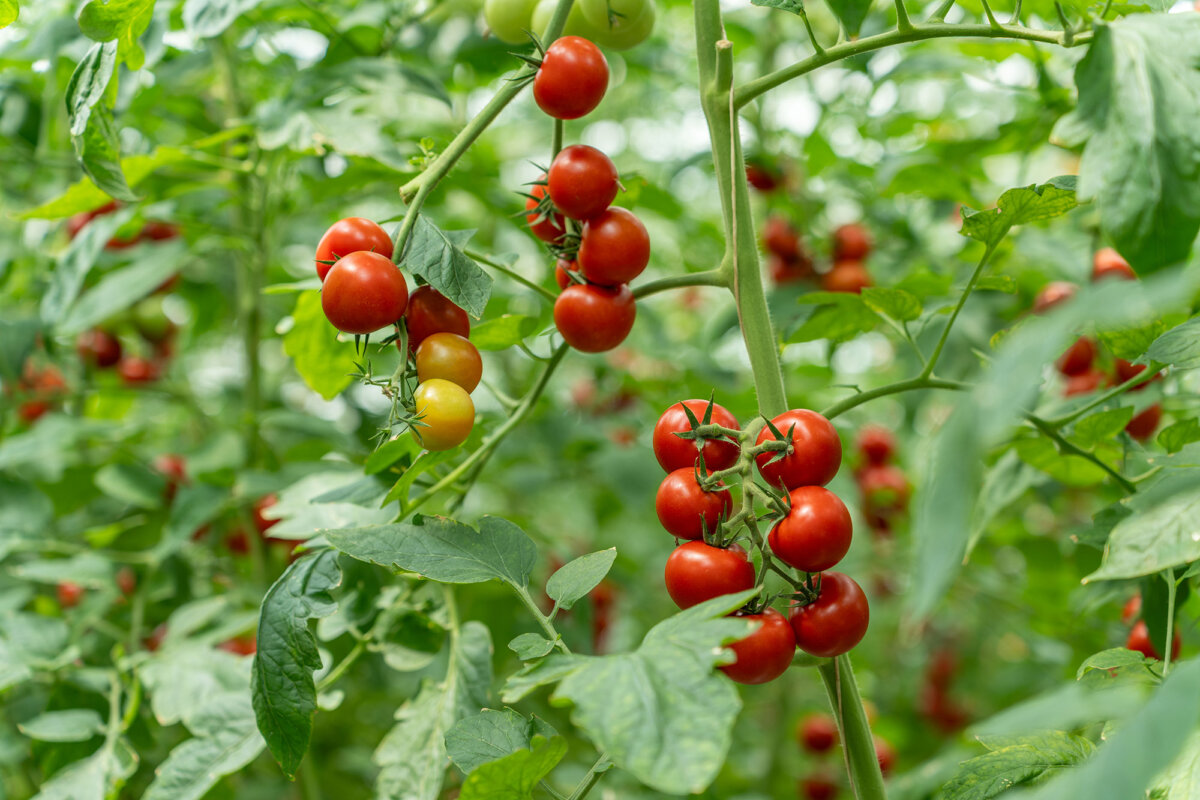
Although there are heat-tolerant tomatoes—High Heat, Big Beef, Dixie Red, Phoenix, Homestead Heirloom, Arkansas Traveler, Cherokee Purple—that dramatically increase the chance of summer success, gardeners looking for even more of a sure thing may want to opt for cherry, grape, or pear tomatoes. Although these don’t provide the large one-time yields needed to make pasta sauce, they do provide a constant harvest for salads. Plus, they have a shorter time to maturity.
The wild Everglades tomato has been referred to as “indestructible,” while the vibrantly tasty Sun Gold, Super Sweet 100, and unique-looking Yellow Pear also require minimal care, making them excellent choices for laid-back gardeners.
Bounteous Beans and Peas
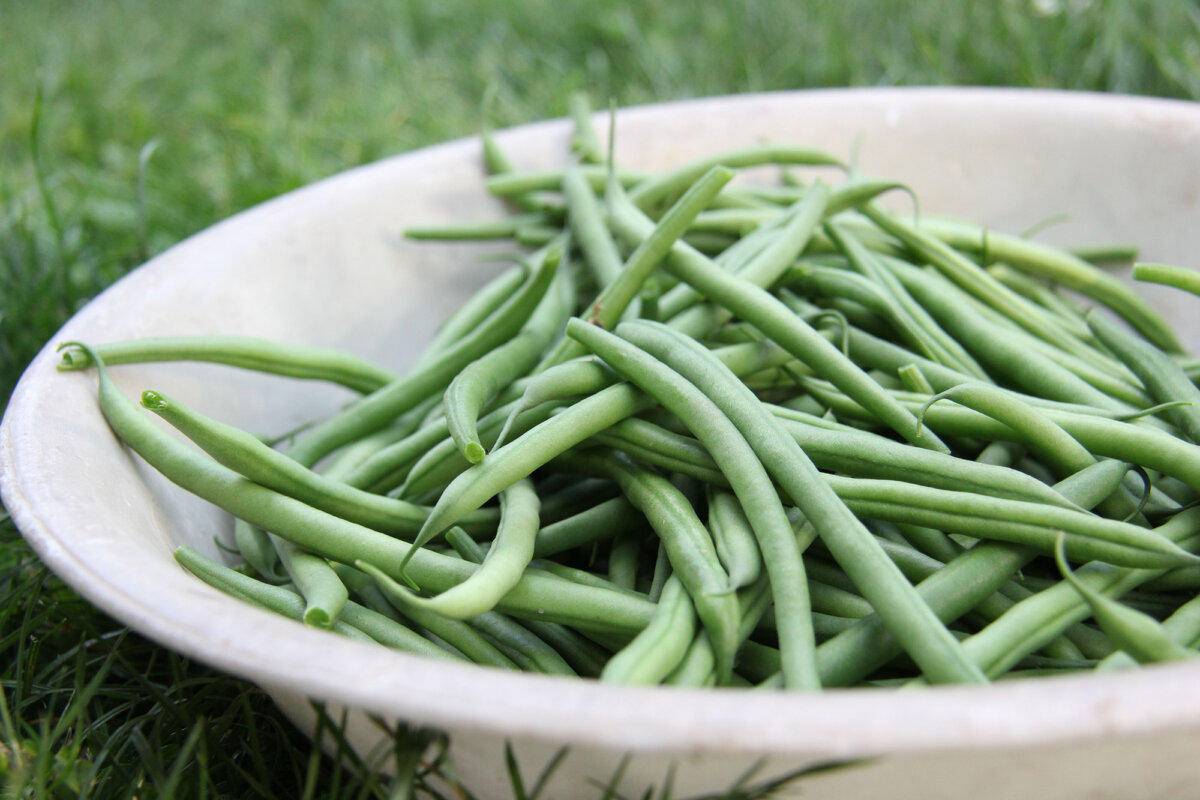
Generally rated as “beginner-friendly,” there’s a lot more than green and yellow string beans to choose from. Love Mexican refried beans? Grow pinto beans or perhaps black beans, kidney beans, mung beans, or navy beans. Alternatively, one of the many delicious heat-loving yard-long beans—which actually do often grow to 18 to 24 inches—may appeal. Larger spaces can maximize vine or pole beans that can reach more than 10 feet in length and need some support but will provide a continuous harvest all season long.
For those who live in the South, how about raising some genuine vanilla beans? There are bush varieties that grow one to two feet tall and produce for a few weeks—they can be grown in containers. As a bonus, they’re multiyear perennials.
Although peas are typically a cool-season crop, sugar snap peas can tolerate heat if watered thoroughly and regularly, although they may produce less than in spring or fall.
The Squash Family
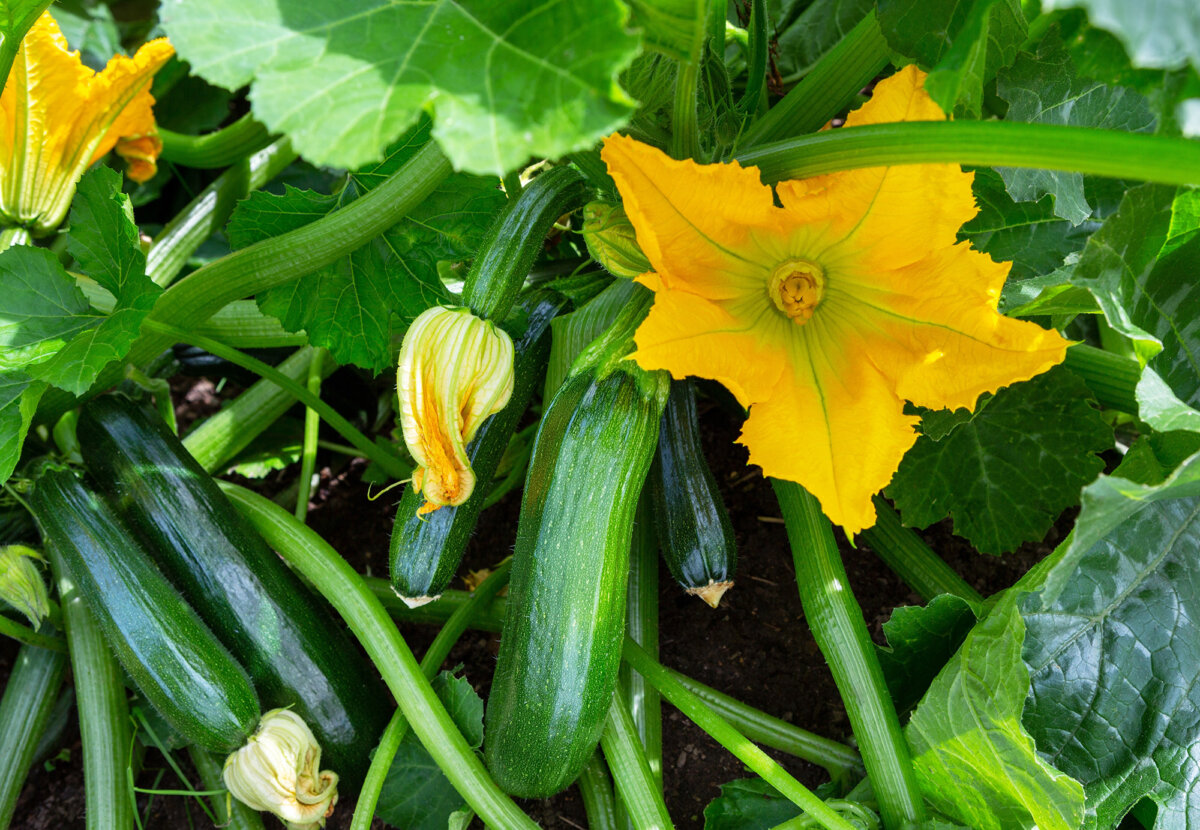
Yes, there’s actually a National Sneak Some Zucchini Onto Your Neighbor’s Porch Day. The holiday is Aug. 8, but harvests of zucs and their summer squash relatives (yellow, pattypan, etc.) can continue on well after that because the undemanding, robust growers are that productive.
Be sure to plant winter squash early, as it takes longer to mature—particularly butternut and delicata, which both store well—and let’s not forget a few pumpkins.
Cucumbers, Too
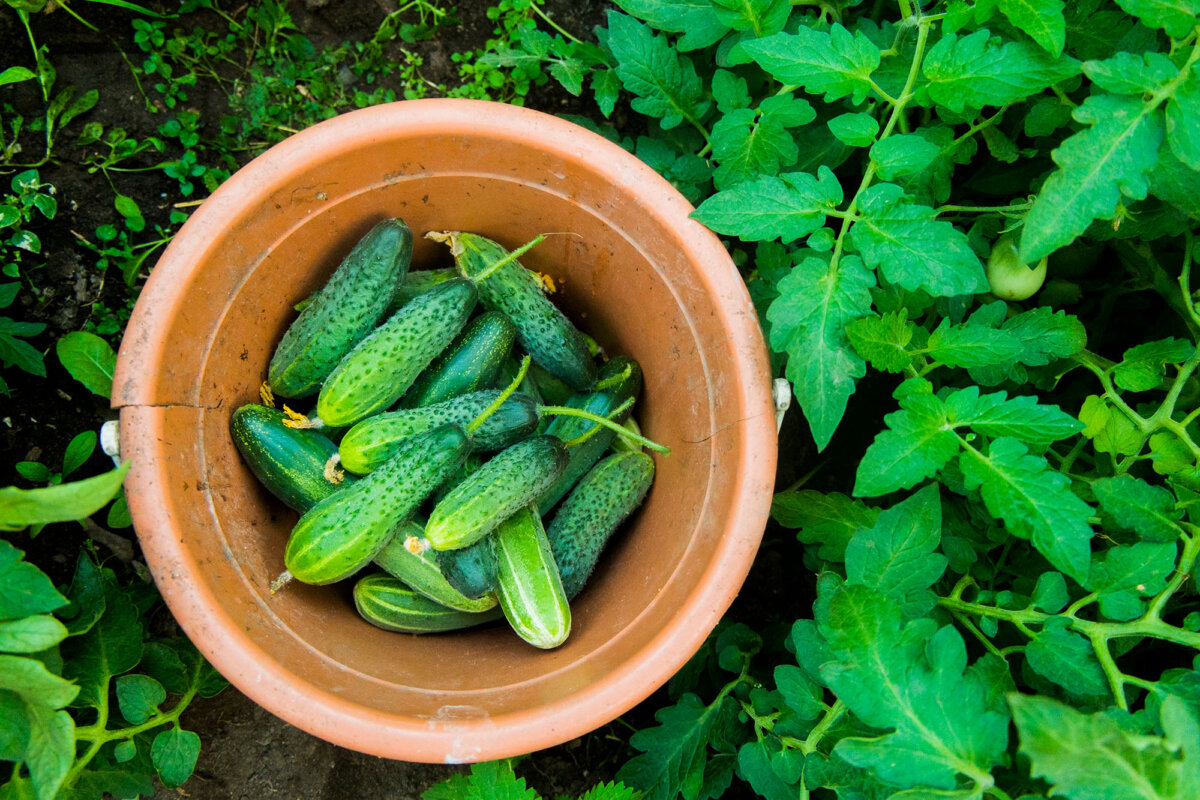
Nutritious and hydrating, cucumbers are for either slicing, salad (Marketmore 76, Spacemaster 80, Sweet Slice), pickling (National Pickling, Boston Pickling), or eating fresh off the vine. Plan on providing robust support, particularly as the plant becomes weighed down with fruit. Gigantic Armenian cucumbers are technically a muskmelon with a cucumber taste, but they adore the heat.
_______________________________
Root Vegetables
Radishes range from tiny to foot-long, come in a wide variety of colors, and in heat levels from mild to spicy. Toss some seeds in the ground; the results will astound.
Bugs Bunny’s Fave
Carrots come in a wide variety of colors and nutrition profiles. For example, orange is known for its high levels of beta-carotene, while purple has more anthocyanin. They make a great choice for container gardens, where a dozen or more can fit into a small space.
Flavor Enhancer
Day-length sensitive sun bunnies, onions adore the long days of Southern summer with their 14 to 16 hours of daylight. Northern short-day varieties still require 10- to 12-hour days. Green onions and scallions can make do with six to eight hours. Keep all well-watered.
Sweet, Sweet Potatoes
Although they may seem similar, sweet potatoes are technically members of the morning glory family. They thrive in high heat and can even be drought-tolerant once established.
Got an early first frost? Opt for more cold-tolerant traditional potatoes, and plant them where they’ll get afternoon shade during the hottest months.
