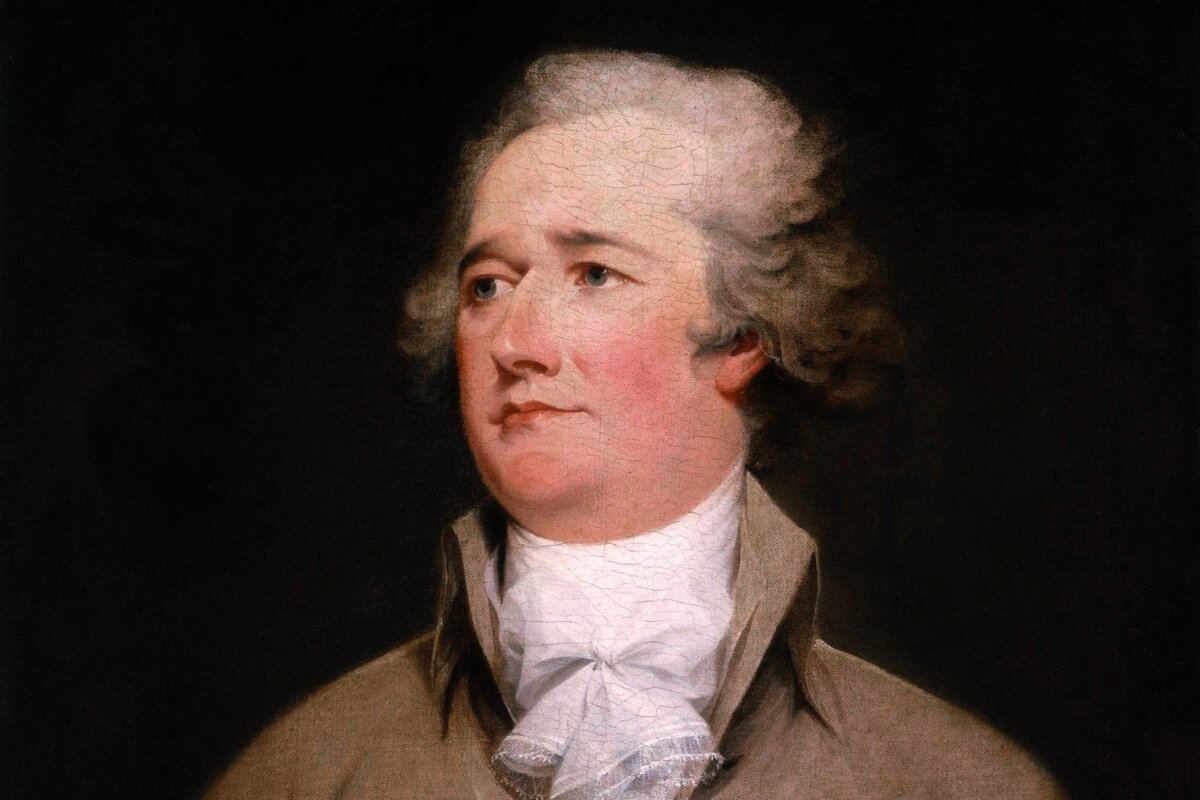
It was a chilly February morning in 1781 at Continental Army headquarters in the Hudson Valley, and George Washington was vexed.
Leaders of a “mutinous” band of soldiers had recently been hanged, and the general had stayed up until midnight the previous night with his top aide, Alexander Hamilton, preparing dispatches for French forces operating in the region.
It had been a challenging five years, even for a man with the iron disposition of Washington. In a quest for independence from the British Crown, nearly 5,000 colonial soldiers had died, half as many again were wounded, and three times as many had been captured. The victory at Saratoga had been overshadowed by the betrayal of Benedict Arnold, and to make matters worse, Washington lacked the funds to pay soldiers or adequately equip them (hence, the mutiny).
When Washington entered the New Windsor farmhouse that morning to tell Hamilton that he wished to speak with him, his voice was curt. Perhaps this is what prompted Hamilton to tarry—first delivering a letter to a fellow officer and then exchanging words with the Marquis de Lafayette.
Washington, not a man inclined to be kept waiting, rebuked the young officer when he returned.
“Col. Hamilton,” he said, “you have kept me waiting at the head of the stairs these 10 minutes. I must tell you, sir, you treat me with disrespect.”
Hamilton, who for four years had served as Washington’s most trusted aide-de-camp, replied that no disrespect was intended but, in light of Washington’s feelings, perhaps the time had arrived for their parting.
“Very well, sir,” Washington responded, “if it be your choice.”
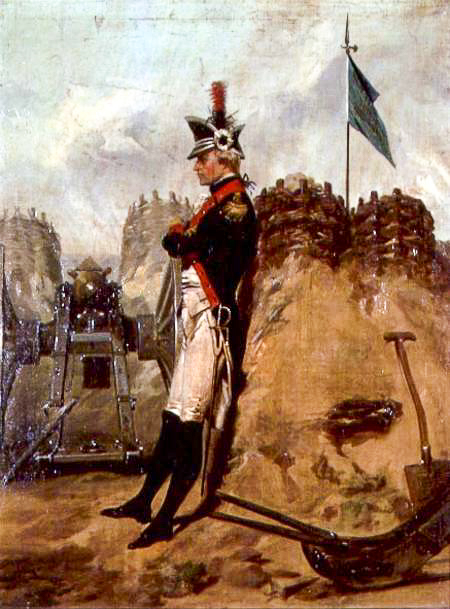 Hamilton, frustrated by his lack of a field command and troubled by Washington’s handling of the Maj. John André case, resigned after being rebuked for a brief delay. (Alonzo Chappel/Public Domain)
Frustration With Washington
For months, Hamilton had chafed under the impenetrable Washington, known not only for his leadership but also for his cool demeanor and stony silence.
A brilliant writer and speaker, Hamilton, just 25, had risen rapidly in the Continental Army. But he longed for a field command, something the 48-year-old Washington was reluctant to grant for fear of losing his most gifted aide.
Hamilton also remained troubled by the treatment of Maj. John André, the British officer executed months earlier for conspiring with Arnold. Hamilton did not dispute that André must die, but he believed that Washington’s insistence that the officer be hanged rather than shot reflected a “rigid justice.”
Historian Ron Chernow, in his biography “Alexander Hamilton,” writes that Hamilton’s “frustration with Washington’s inflexibility” in the André affair was the one occasion on which the young officer “disagreed openly and consistently” with the future president.
André’s execution left a lasting impression on Hamilton, who praised the officer’s “serene fortitude” in the face of death.
Two months after the execution, Hamilton, who had arrived in America as a penniless teenage immigrant from the Caribbean at about age 17, married Elizabeth Schuyler at her family’s Albany estate. The marriage marked a remarkable ascent into the highest ranks of American society.
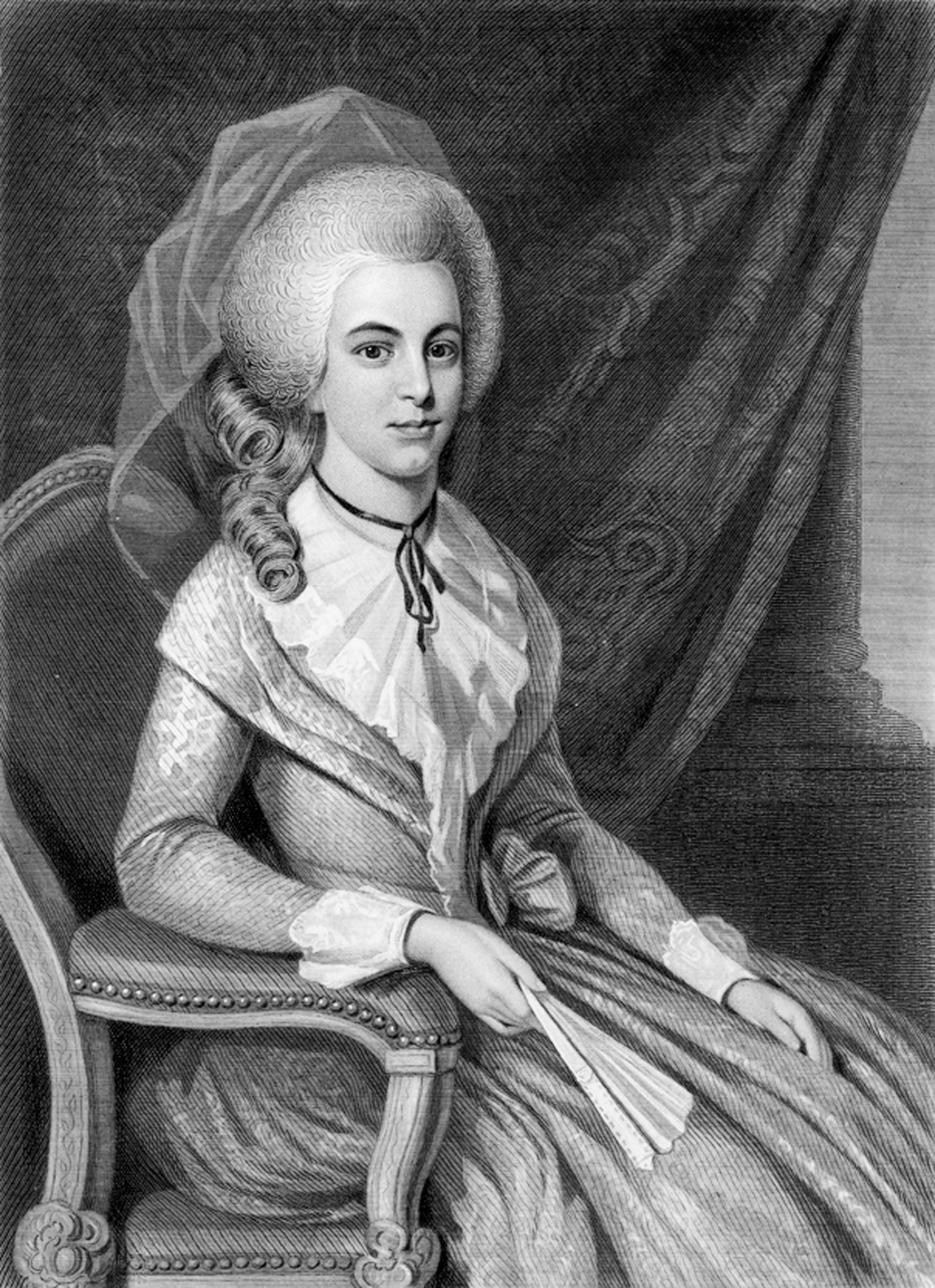 Elizabeth Schuyler Hamilton belonged to one of the wealthiest and most politically influential families in colonial and post-revolutionary New York. (Kean Collection/Getty Images)
Cold Resolution and Battlefield Glory
Perhaps Hamilton was emboldened by joining one of New York’s most distinguished families. Or perhaps he had simply grown tired of being under Washington’s thumb. Whatever the case, Hamilton appears to have sought a rupture with Washington on that cold February morning.
Chernow notes that Washington attempted reconciliation after their quarrel, sending a message expressing regret for his “fleeting temper” and a desire to make amends. Hamilton refused the olive branch, informing Washington that he had “taken my resolution in a manner not to be revoked.”
Washington relented. And although it took repeated requests and several months, Hamilton got what he desired: a field command.
In July 1781, Washington appointed Hamilton commander of a light infantry battalion. For the next several months, Hamilton served in the field, eventually distinguishing himself at Yorktown, where he led a daring bayonet charge that helped trap Gen. Charles Cornwallis. An astute soldier, he recognized that the colonials had secured victory in the key battle even before the surrender.
“Tomorrow Cornwallis and his army are ours,” Hamilton wrote to his pregnant wife on Oct. 17, 1781.
Two days later, Cornwallis surrendered, resulting in the capture of roughly 7,000 British soldiers and opening the door to peace negotiations between the two countries.
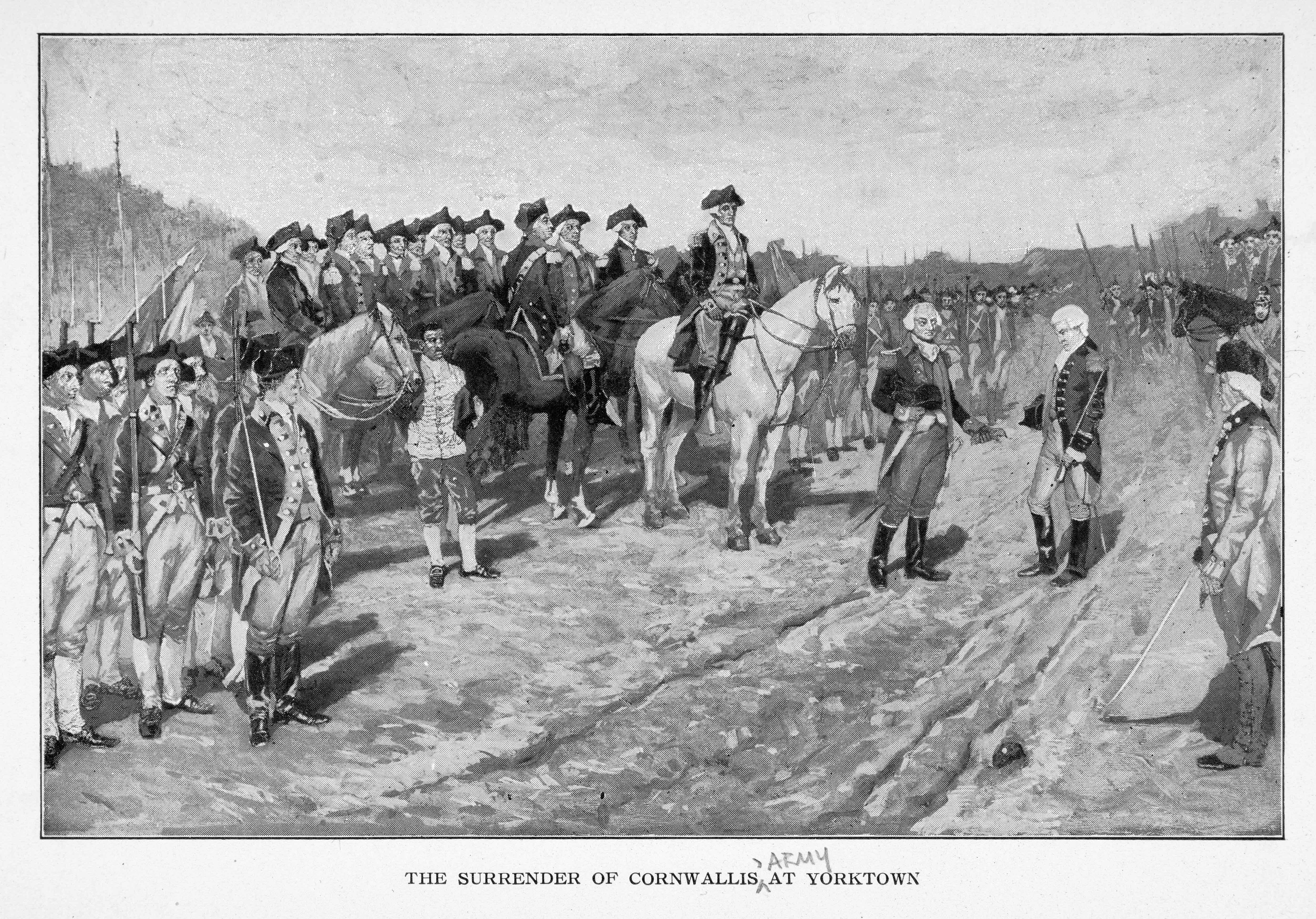 A lithograph depicting British military officer Charles O’Hara as he surrenders Charles Cornwallis’s sword, as American Commander-in-Chief of the Continental Army Gen. George Washington observes from horseback (white horse) and the allied American-French armies look on following the Battle of Yorktown, of the American Revolutionary War, in Yorktown, Va., on Oct. 19, 1781. (Collection/Archive Photos/Getty Images)
‘A Want of Power in Congress’
In his letters, Hamilton spoke of “renouncing public life” after the war in order to devote himself to his family. This was not to be the case. (Whether Hamilton had a change of heart or, as Chernow suggests, he “could never quite admit the depth of his ambition,” remains unclear.)
Having experienced the weaknesses of the Articles of Confederation firsthand, Hamilton became one of its earliest and most vocal critics. Seven years before the Constitutional Convention, he was already calling for a convention of the states to replace the document, which lacked the power to tax, a federal judiciary, and the authority needed to defend the nation effectively. He envisioned a Constitution that would grant Congress meaningful authority over taxation, interstate commerce, and national defense.
“The fundamental defect is a want of power in Congress,” Hamilton wrote.
When others came to recognize these deficiencies, a movement began to forge a new document. Hamilton saw himself at the center of events. His desire for a stronger central government, including a national bank to stabilize currency, put him at odds with Jeffersonian republicans and Anti-Federalists. Yet Hamilton’s vision would prevail.
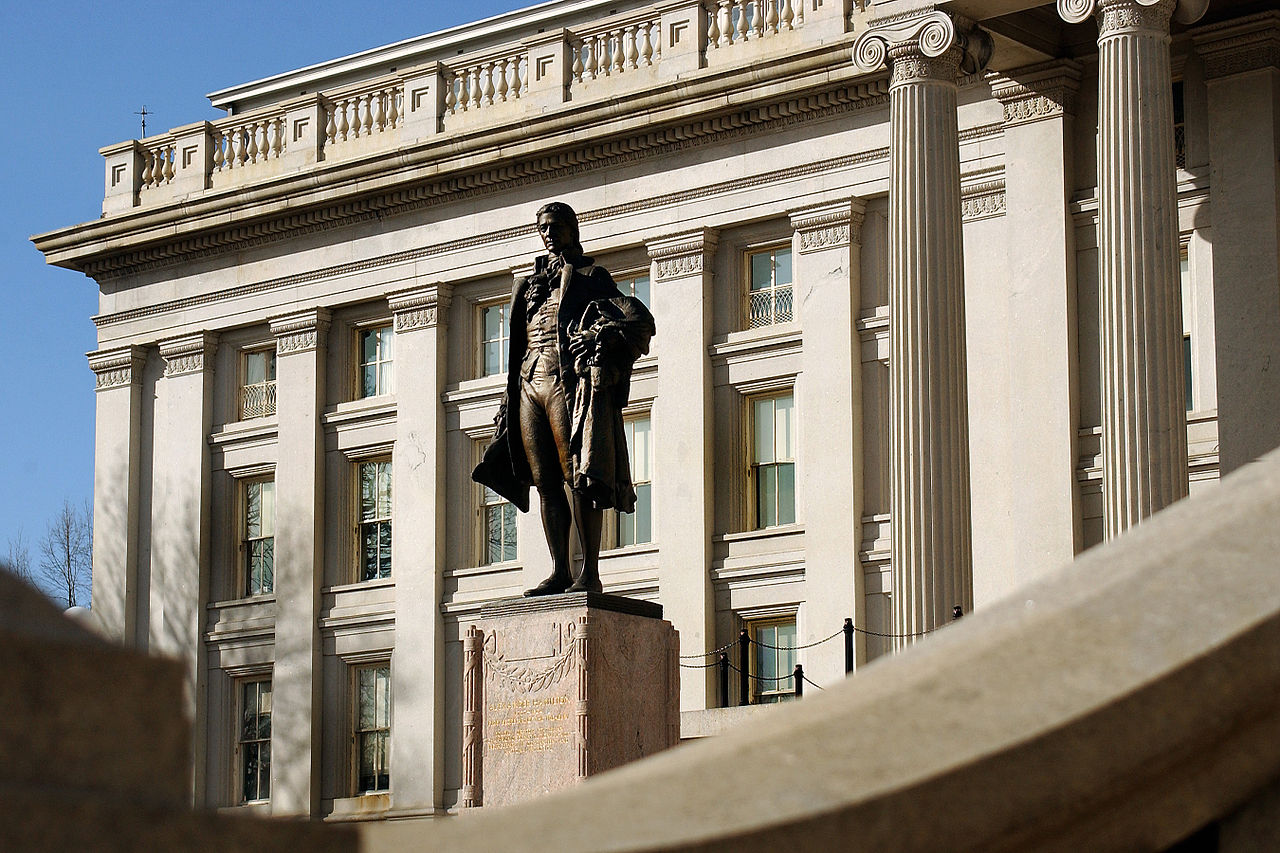 Hamilton believed that the Revolution’s gains could be lost without a stronger national government. (Public Domain)
Despite their bitter parting, the two men reconciled and became close allies, renewing one of the greatest alliances in American history.
In some ways, this was not surprising. Both men had experienced the weaknesses of the Articles of Confederation during the war and believed that the Revolution’s gains could be lost without a stronger national government. There may also have been something more personal behind the reconciliation. Washington, who never had children of his own, appears to have regarded Hamilton with genuine affection and perhaps as a surrogate son.
In any event, the sharp words exchanged in the New Windsor farmhouse were forgotten.
‘I Look to His Mercy’
Washington was inaugurated as president on April 30, 1789, after receiving a unanimous electoral vote in the first presidential election.
If Washington was the symbol of the young republic, Hamilton was its chief architect. As the nation’s first secretary of the Treasury, he built the foundations of America’s financial system, established public credit, organized the repayment of war debts, and laid the groundwork for a national economy.
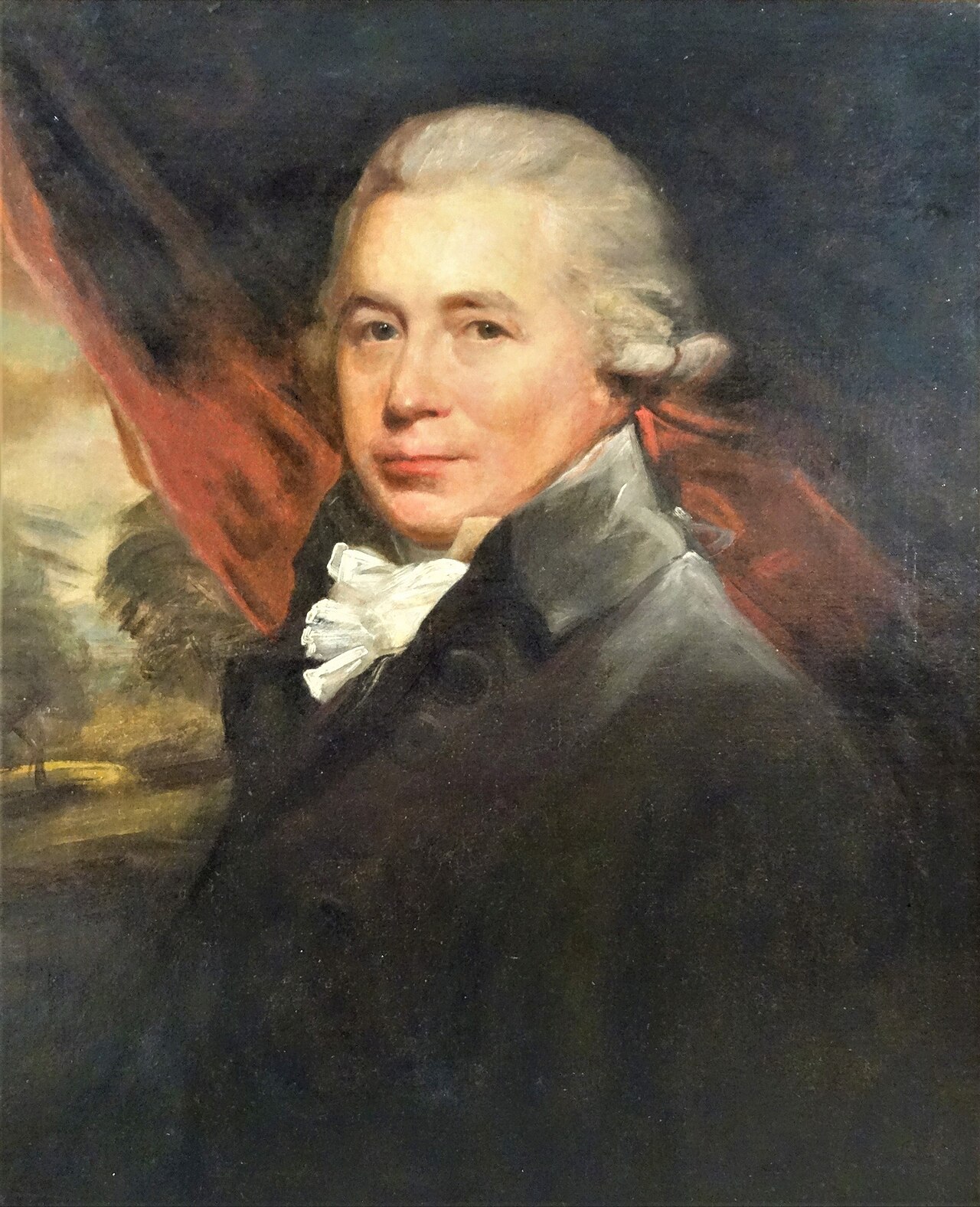 If Washington was the symbol of the young republic, Hamilton was its chief architect. (Antonio1605/Public Domain)
Yet those who knew him best remarked on his devotion to the American cause and his extraordinary talent. Washington praised Hamilton’s “probity and sterling virtue,” adding that there was “none whose soul is more firmly engaged in the cause.” Perhaps the most striking tribute came from Jefferson, his great rival, who referred to him as a “colossus.”
“He is a host within himself,” Jefferson wrote to Madison in 1795.
Hamilton’s remarkable career and life were cut short on a summer morning in Weehawken, New Jersey, in 1804, when Aaron Burr mortally wounded him in a duel. On his deathbed, a dying Hamilton told Bishop Benjamin Moore that he harbored no ill feelings toward Burr and that he was at peace with God.
“I am a sinner,” Hamilton told the Rev. John Mason. “I look to His mercy.”
Thirty hours after the duel, on July 12, 1804, Hamilton died. He was 49—just one year older than Washington had been on that cold morning in a Hudson Valley farmhouse. What seemed at the time a bitter ending proved instead to be a new beginning of one of the most consequential partnerships in American history.
Views expressed in this article are the opinions of the author and do not necessarily reflect the views of The Epoch Times.