



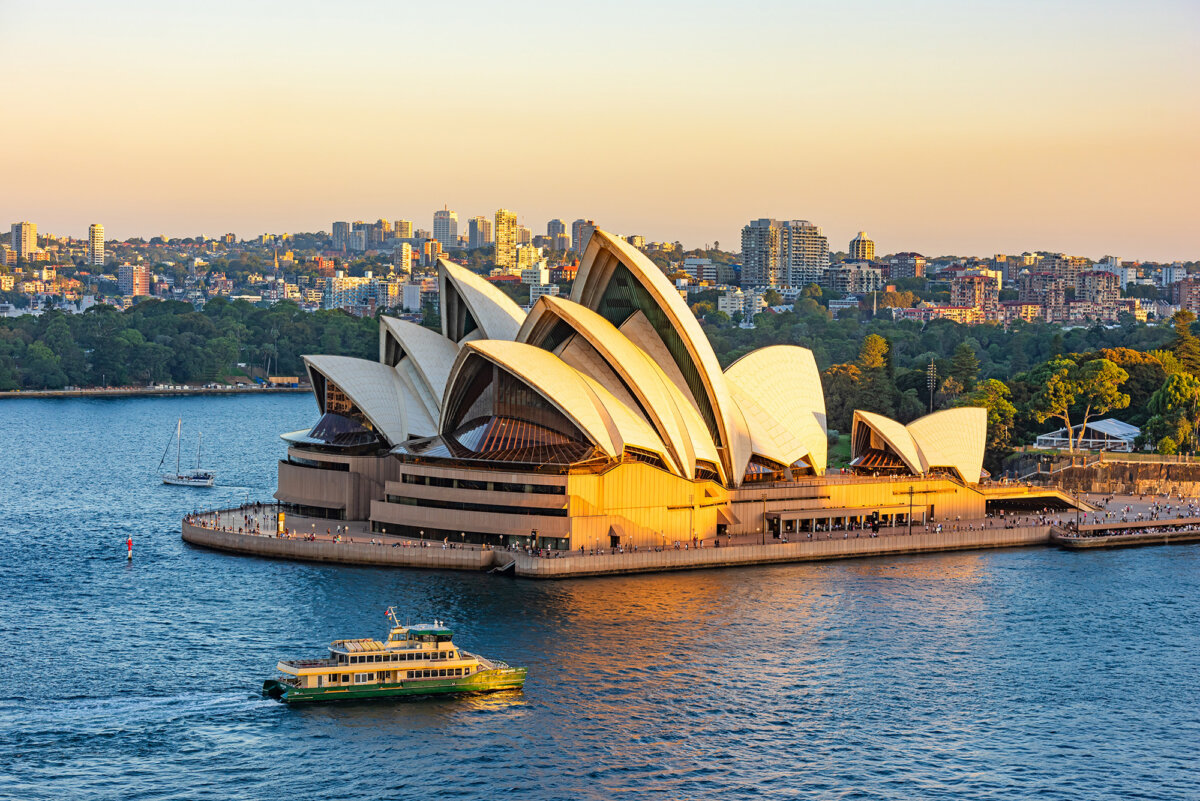
In equal measure, it’s the spellbinding charms of both land and sea that make Sydney such an extraordinary place. Australia’s biggest city sits on one of the world’s great natural harbors, which covers a total of 21 square miles. The landmarks that line its shores, especially the white “sails” of the world-famous Opera House and the towering arch of the Harbour Bridge, are instantly recognizable.
On more than half a dozen visits to the Emerald City, I’ve found that the delight is often in the small, sometimes tucked-away spots that you stumble across. These places have made me feel like tiny, interesting corners of this renowned metropolis belong to me alone.
Sydney is home to millions of people, with a metro area that sprawls more than 4,700 square miles. It can feel intimidating, even unknowable, to those encountering this place for the first time. Here’s my guide on how to explore what just might be the most beautiful city in the world.
Arrival
As a huge country that’s far away from pretty much everywhere, it’s perhaps not surprising that international air travel has been essential to Australia for a very long time. Planes have been taking off and landing from what’s now Kingsford Smith Airport (SYD), situated next to Botany Bay, since back in 1920. The three runways here are the busiest in the nation.
You can get to SYD on a nonstop flight from, well, pretty much anywhere—Delhi; Dubai, United Arab Emirates; Singapore; Seoul, South Korea; Santiago de Chile—you name it. There are also long, direct routes departing from several North American cities, including Los Angeles; Dallas; San Francisco; Vancouver, Canada; and Honolulu.
Historic airports are often close to the city center, and that’s definitely the case here. The Airport Link train might be the best option, spiriting you to the Central Business District in about 20 minutes.
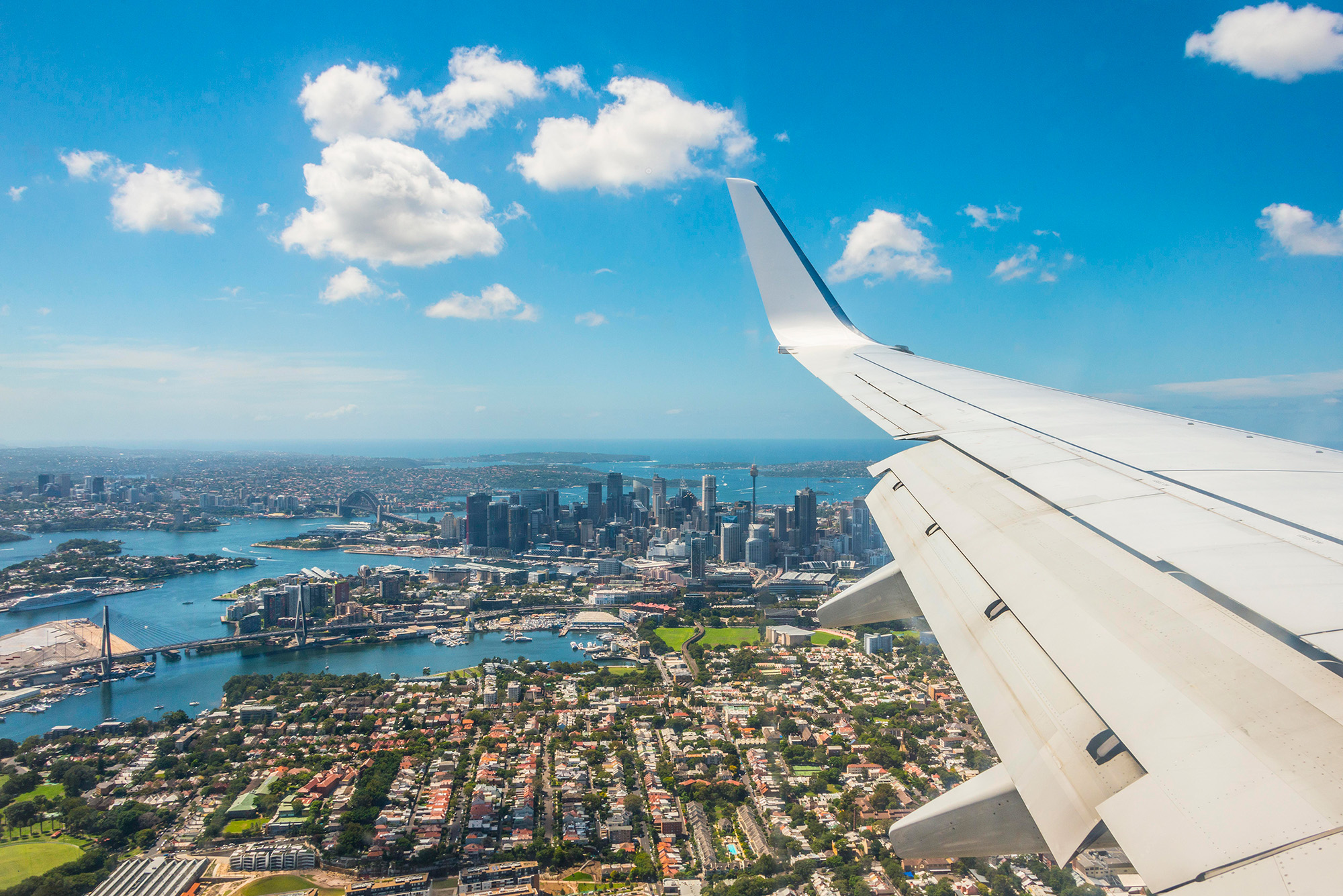 Sydney, which was founded in 1788, is the capital of New South Wales and Australia’s largest city. (Moritz Wolf/Getty Images)
Aim for Winter
In most cases, for obvious reasons, travelers avoid visiting destinations during their coldest months of the year. But Sydney sits deep in the Southern Hemisphere, meaning that its seasons are the reverse of those at home. Summer there (December, January, and February) can be a boiling hot cauldron, while in winter, sunny skies and pleasant temperatures in the 60s are typical. If you plan to visit in their winter months, you’ll avoid the crush of domestic tourists, who usually take their vacation days during the Australian summer.
Go Easy, Early
Jet lag is real. If you’re coming from North America, added to a very long flight is the fact that Sydney sits 15 hours ahead of Eastern Time. In other words, everything is reversed. Day is night, and night is day. You’ll feel every bit of that time change for the first little while. Expect to feel extremely fatigued at odd times, hungry at strange hours, and to wake up frequently in the middle of the night.
The first rule of jet lag is to keep going. If you start off by going to bed super early or taking lengthy afternoon naps, adjusting to Australian Eastern Standard Time will be a challenge. So, especially on those first couple of days, don’t hang around the hotel room. Make sure you’re moving.
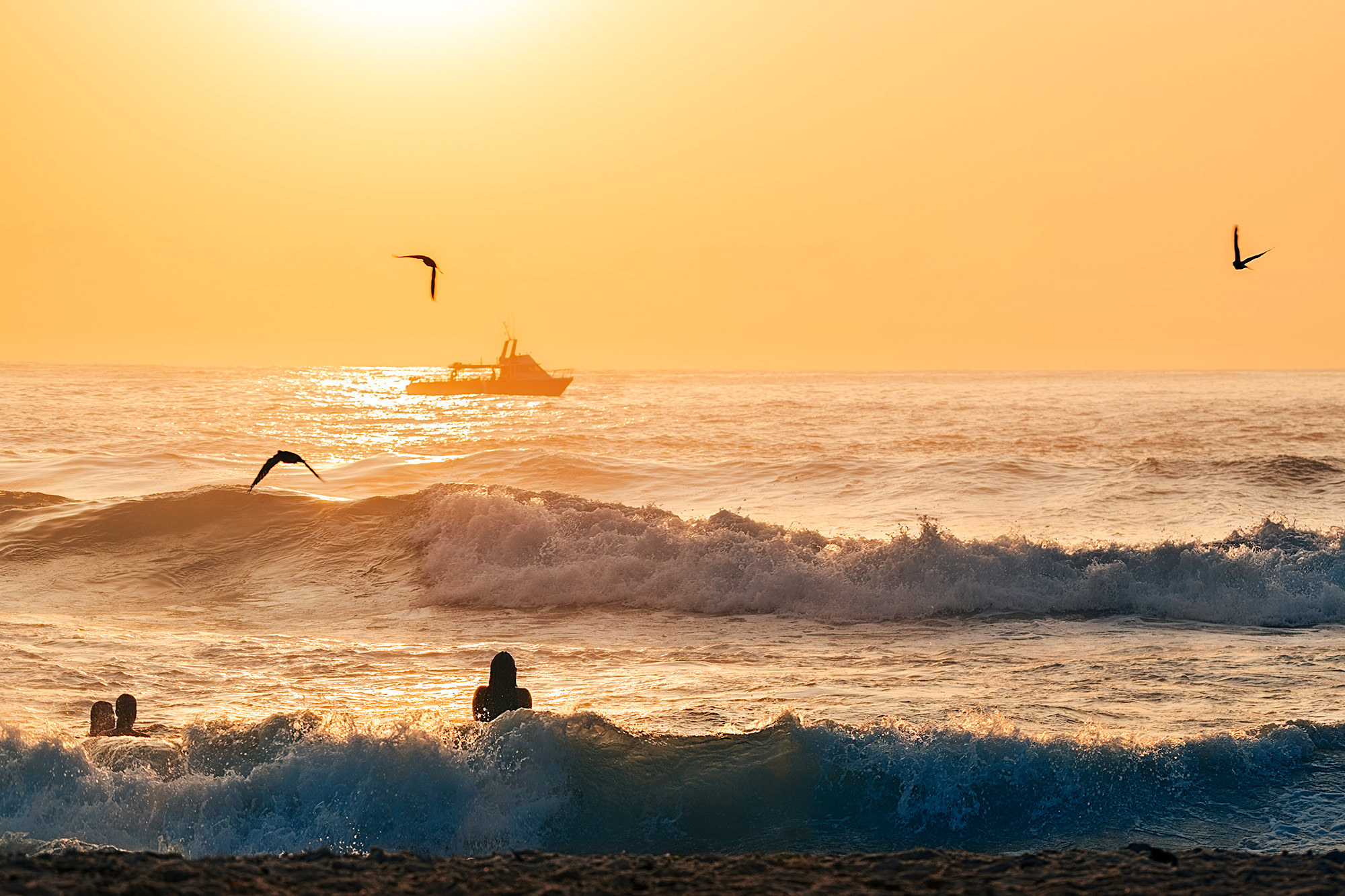 Bondi Beach is a popular destination for surfing, swimming, and coastal walking. (Monica Bertolazzi/Getty Images)
I always find that my first few mornings after landing in Australia are inevitably very early ones, so the spa’s 6:30 a.m. opening time is a very nice thing (especially if you have been up since 3 a.m.).
Pick Your Beach
No matter what season in which you visit, it’s always a good time to hit the beach in Sydney. Bondi is the most obvious choice as one of the best-known beaches on Earth—and with good reason, thanks to its strong surf culture and the super cool waterside lap pool at the Bondi Icebergs Club. If you do visit Bondi, take a little hike on the Coastal Walk toward Coogee, which affords amazing ocean views.
However, Bondi gets extremely crowded during peak months, so you might want to think beyond it. Two of my favorite alternatives include Manly Beach, which is also very popular, and the lesser-known Camp Cove.
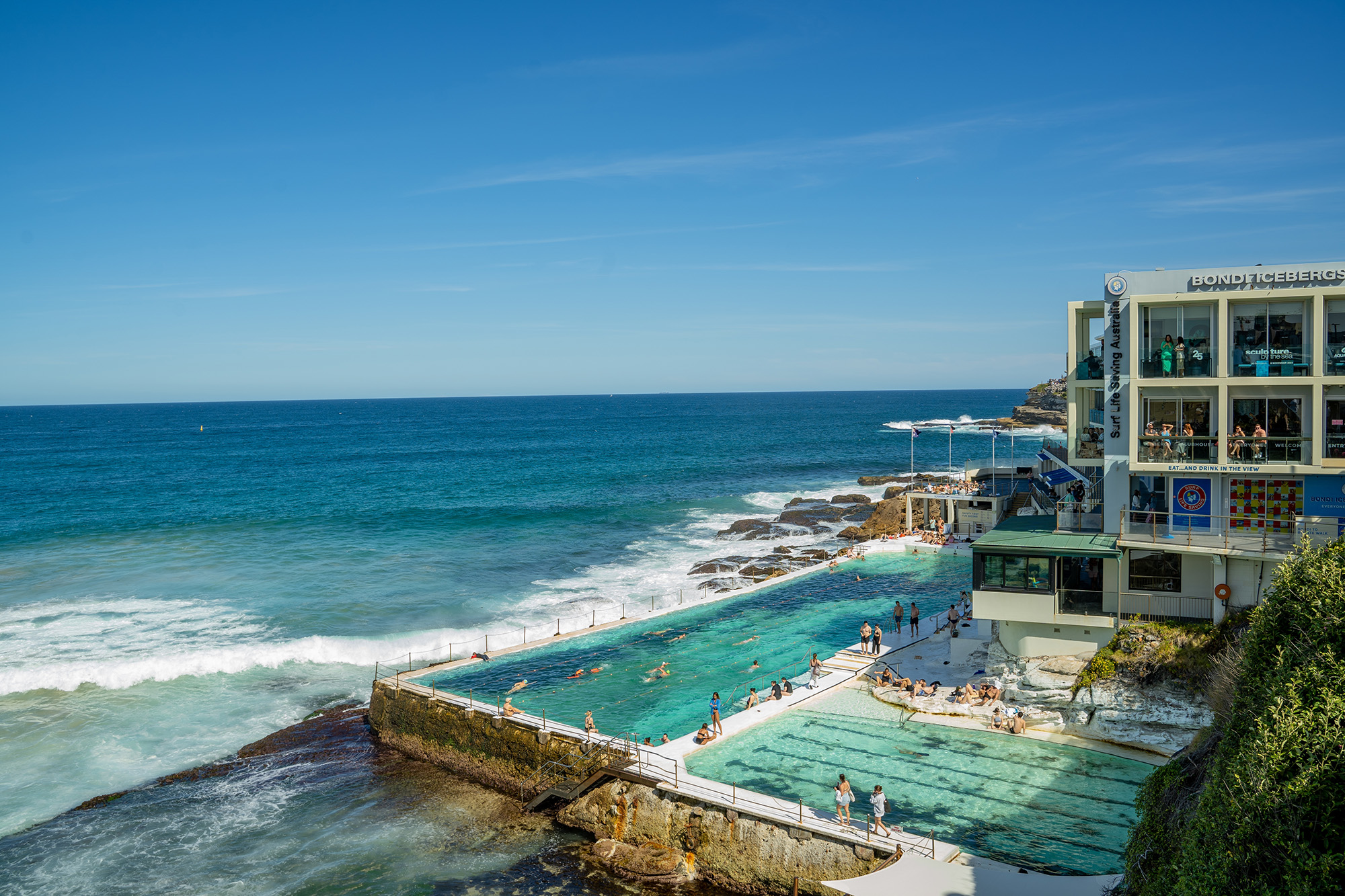 Waves from the Pacific Ocean wash into Bondi Icebergs Pool on Bondi Beach, filling the pool with saltwater. The Icebergs Club has been associated with winter ocean swimming since 1929. (Sasanan Trakansuebkul/Shutterstock)
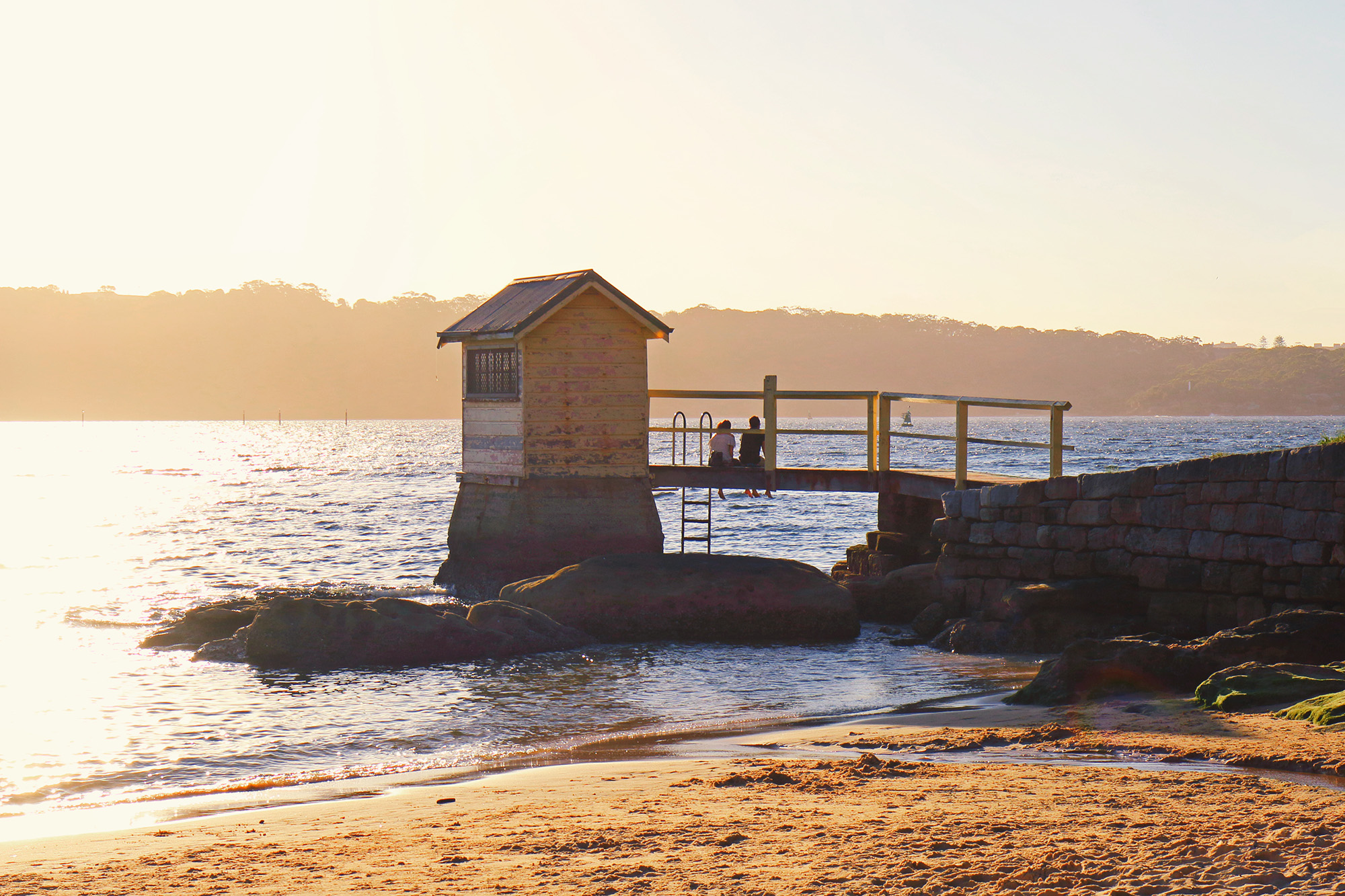 Sunset falls over Camp Cove, a sheltered beach located near the entrance of Sydney Harbour. The cove was one of the first landing places used by the First Fleet in 1788. (aiyoshi597/Shutterstock)
The ride to Camp Cove is worth the effort. Hop on the boat to Watsons Bay. It sails right past the Opera House and countless little inlets, many of them lined with sailboats. You will alight less than half an hour later, and I’d recommend grabbing a fresh seafood bite at the restaurant right by the wharf. Perhaps take it to go, and have a little picnic after the short walk to Camp Cove. It’s the perfect place to relax, with calm, clear water and the glassy Sydney skyline rising on the horizon.
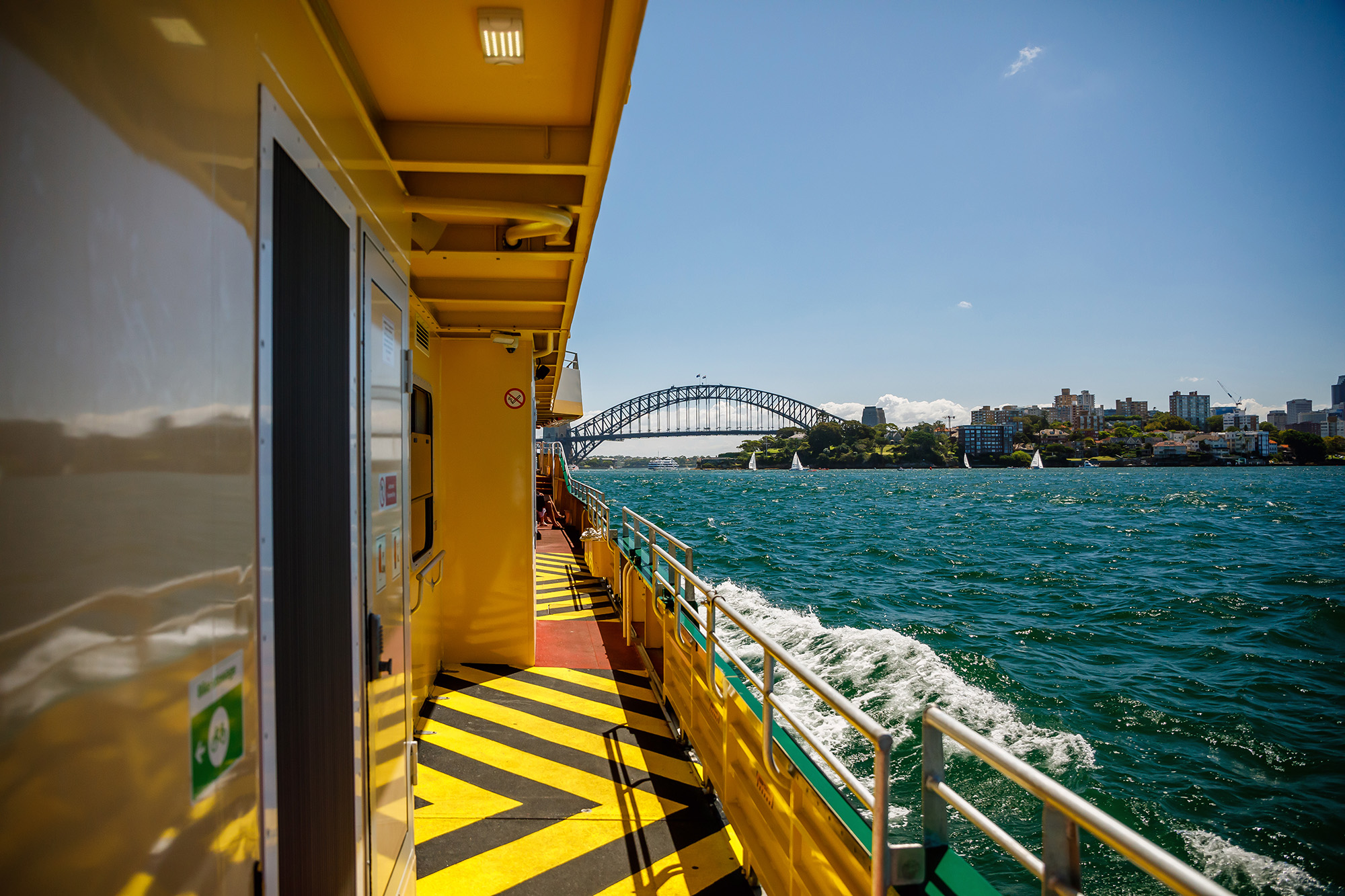 Many of Sydney’s ferry routes offer views of the Harbour Bridge, Sydney Opera House, and waterfront neighborhoods. (Peter Pesta Photography/Getty Images)
A View and a Thrill
Absolutely massive in photos, the Sydney Harbour Bridge is even more imposing in person. One of the world’s tallest steel-arch bridges, it remains an engineering marvel, especially when you consider the fact that it was completed back in 1932. Always quick with the wit, Sydneysiders have dubbed this wonder “the coat hanger.”
Slightly afraid of heights, I nonetheless enjoyed ascending to its 440-foot summit. (Yes, this is something you can actually do.) As the song says, the waiting is the hardest part. Beforehand, I donned a one-piece jumpsuit and listened to the BridgeClimb safety briefing. Anticipating what lay ahead, I most certainly had moments of nervousness with images of the water way down there swirling in my head.
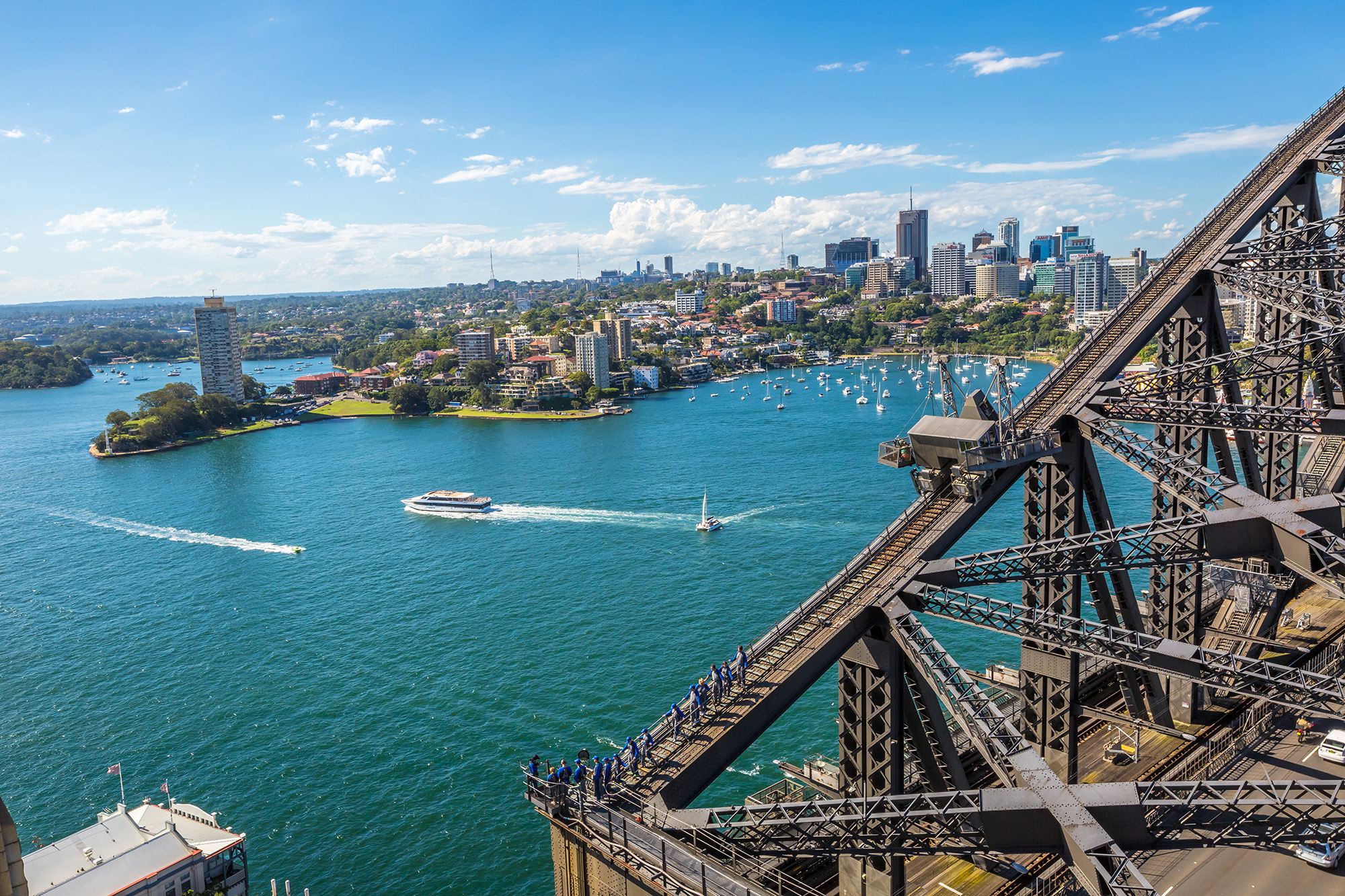 Visitors can climb to the top of the Sydney Harbour Bridge’s arch by participating in guided BridgeClimb treks. (Benny Marty/Shutterstock)
Dinner (or Lunch) at the Opera
Right, so stick with me on this. Telling your friends that you have attended a performance at the Sydney Opera House is for sure an excellent dinner party story. The facility hosts a wide variety of top-notch concerts, ballets, and, of course, operas. (They stage some 1,800 shows every year.) But despite my many visits to the city, I’ve never been to a single one.
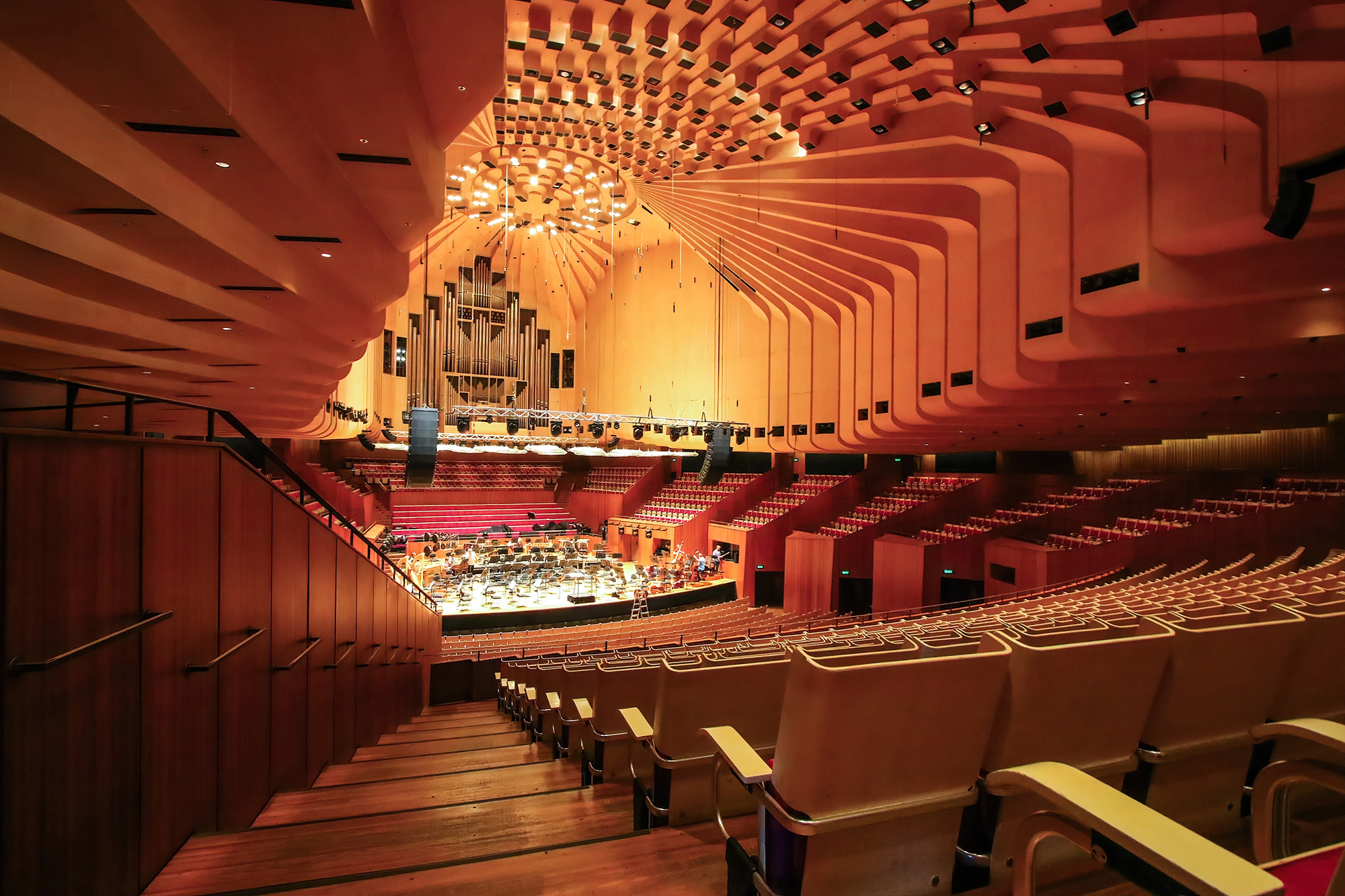 The Concert Hall is the largest performance venue within the Sydney Opera House, often hosting orchestra concerts, choral performances, lectures, and special events. It’s home to the Sydney Symphony Orchestra. (Alexandre.ROSA/Shutterstock)
Then, hang around for a meal. The Opera Bar is low-key, with many al fresco tables overlooking both the Opera House and the Harbour Bridge. My mouth still waters when I think back to my dinner at Bennelong. Set on multiple platforms under the exposed, ribbed arches of the southern shells (the inside of those “sails”), award-winning chefs prepare a multicourse tasting menu that prioritizes local ingredients. Think mud crab dumplings followed by Wollemi duck or Gundagai lamb.
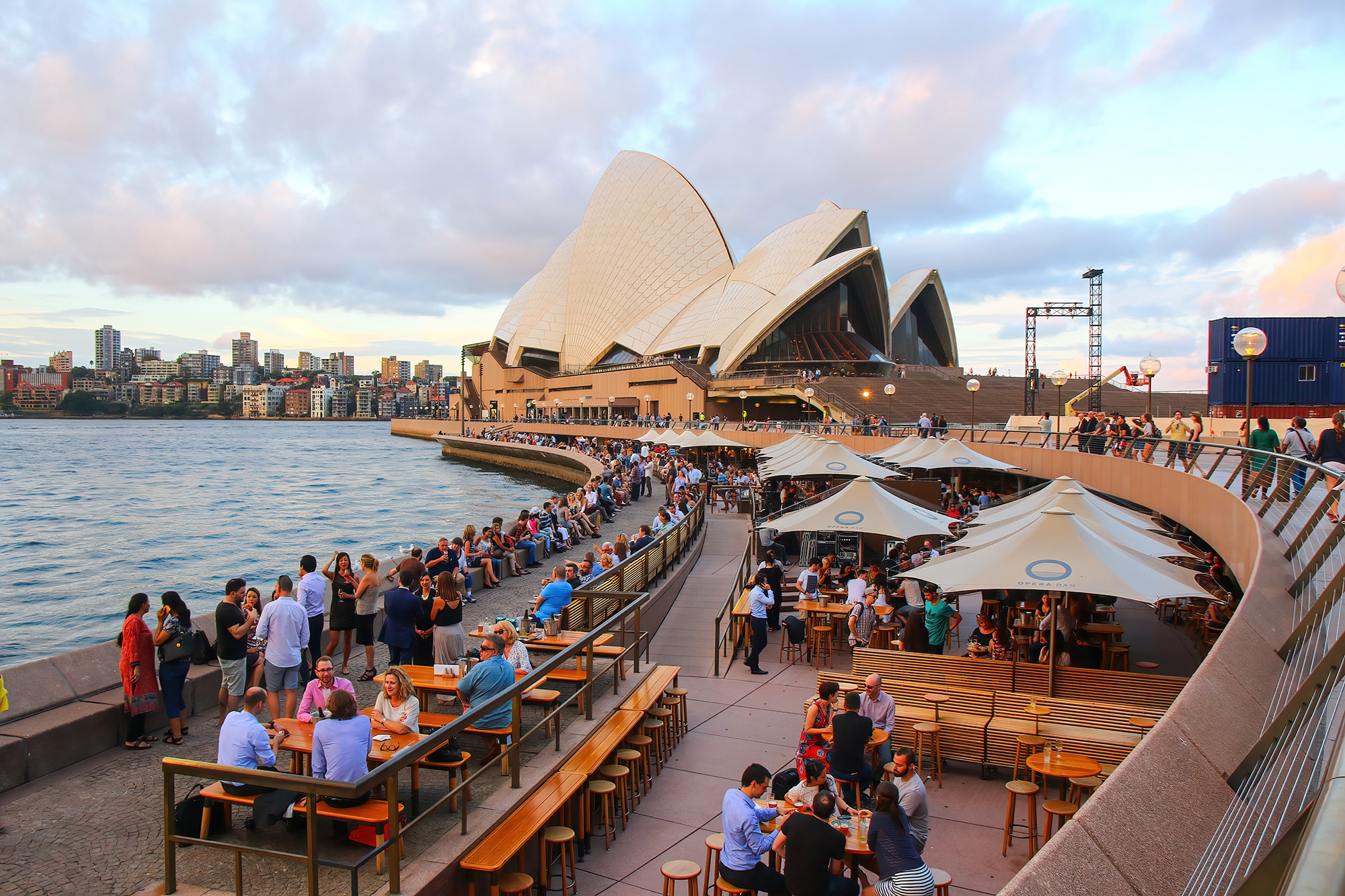 In addition to hosting thousands of performances every year, the Sydney Opera House offers outdoor dining and a marvelous view of the harbor. (Alexandre.ROSA/Shutterstock)
Pick Your Neighborhood
These days, The Rocks gets a lot of the attention. And I’ll admit, the suburb is electric and definitely worth an evening. It’s one of the city’s oldest districts, dating back to the 18th century. Walk just five or 10 minutes from Circular Quay, and it’s all cobblestones lined with bars and restaurants near the water, situated in historic buildings.
However, I always like to explore beyond the buzz. While huge, Sydney is certainly a city of neighborhoods, each with its own unique personality and character. Joining local friends, I’ve had some of my most memorable conversations in under-the-radar pubs on tucked-away lanes. Even if you don’t have connections in town, this is a city where you won’t remain a stranger long—Sydneysiders tend to be open and friendly and engaging, especially if they know that you have traveled from far away.
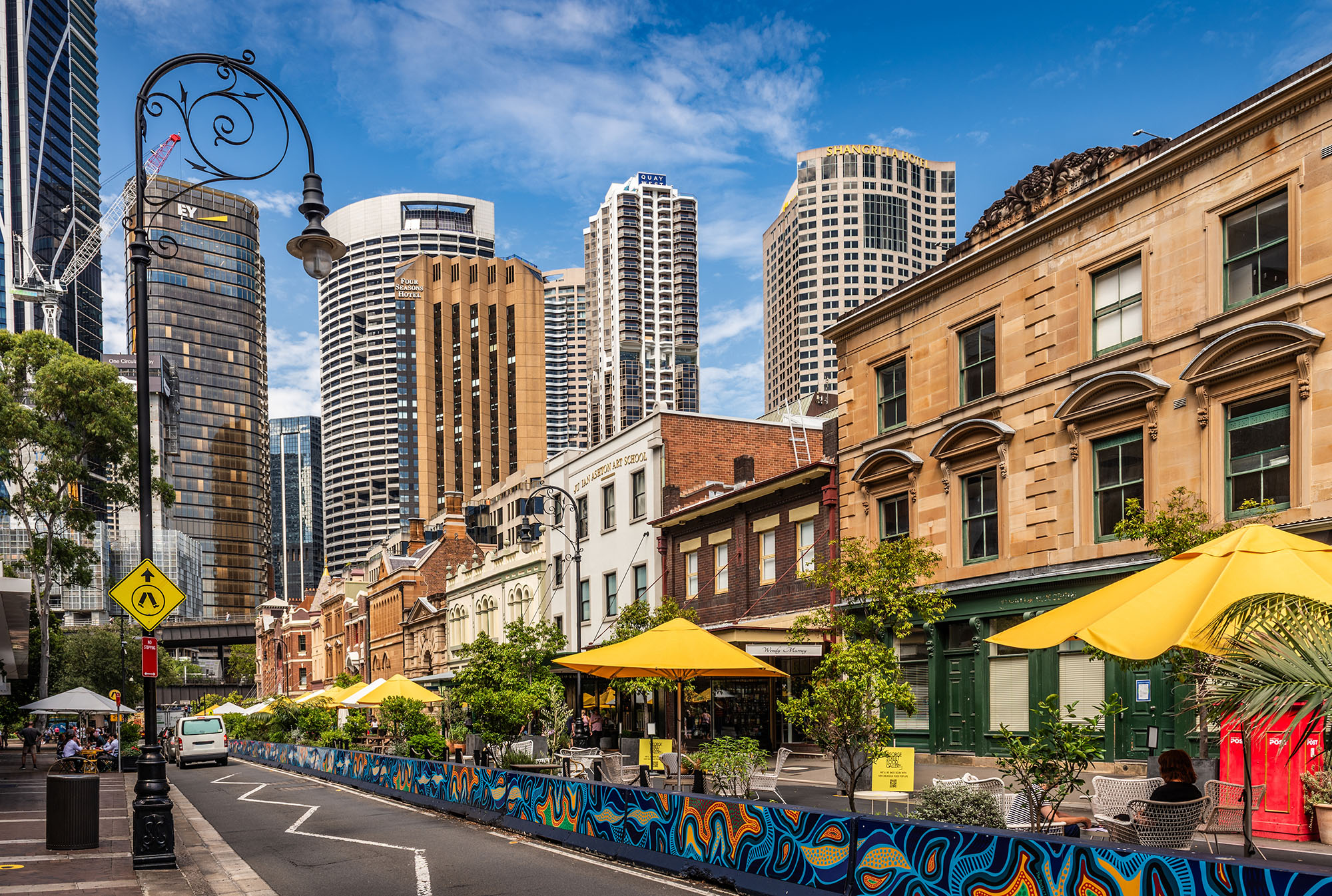 The Rocks historic district, Sydney’s oldest European neighborhood, was developed shortly after the arrival of the First Fleet in 1788. It sits within walking distance of Circular Quay and the Sydney Opera House. (Majonit/Shutterstock)
One thing will always remain true in Sydney: You’ll never get tired of exploring. So just keep going until you find that place that’s truly special to you. Then, explore some more.
