



America’s Founding Fathers shared a passion for freedom, independence, and individual rights. They also shared a passion for music. A few Founding Fathers were musicians themselves. They believed music wasn’t simply a pleasure or pastime, but an essential activity that helped build virtue and character and positively affected all aspects of life. Their musical tastes were eclectic, including everything from folk songs to operas. And the instruments they played were at times even more eclectic than their song preferences.
Three Founding Fathers in particular became as well known for their musical interests as for their abilities as devoted statesmen and diplomats. The musical contributions of Benjamin Franklin, Francis Hopkinson, and Thomas Jefferson show how important the arts were to America’s budding civilization. While building the country, the Founding Fathers weren’t just bound together by a love of freedom, but a love of music as well.
America’s Leonardo

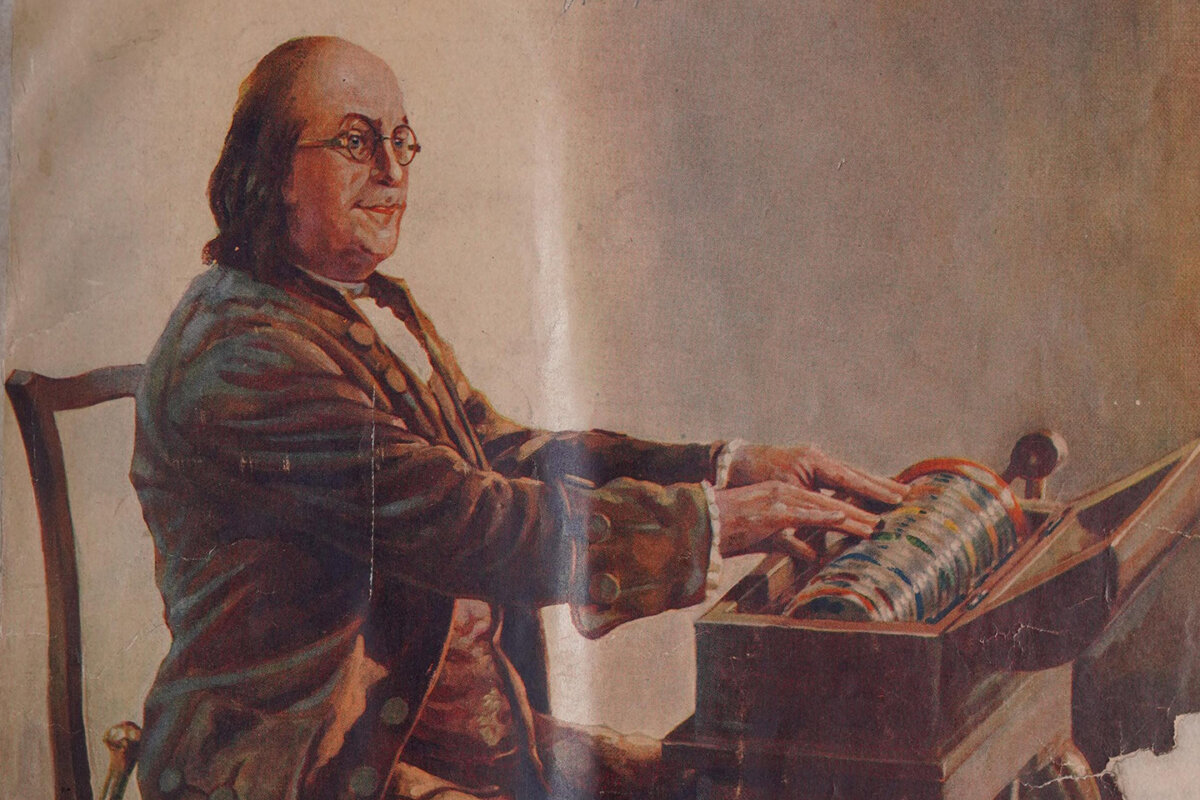
In October 1776, Benjamin Franklin boarded a ship and sailed to France, where he would become a key diplomat to secure financial backing and support for the Revolutionary War. Musicians often entertained visiting delegates, and one instrument immediately captivated Franklin. “During this period, it was quite popular and entertaining for amateur musicians to perform on sets of ‘singing’ or musical glasses. Franklin attended one of these concerts and was intrigued by the beauty of the sound,” shared The Franklin Institute. Right away, he began inventing his own version of musical glasses.
He partnered with a glassblower in London while designing the innovative instrument. Traditional singing glasses needed to be filled with water to produce different pitches, but Franklin’s invention did not. Thirty-seven glass bowls of different sizes were fashioned together with cork and an iron rod that could be turned with a foot pedal. The various sizes ensured the bowls produced specific pitches. The rims of the bowls were painted different colors to signify specific notes. When the rod was turned, friction caused by dampened fingers rubbing on the glass emitted ethereal sounds. He called it the “armonica,” named after the Italian word for harmony, “armonia.” Later, it would be called the glass armonica.
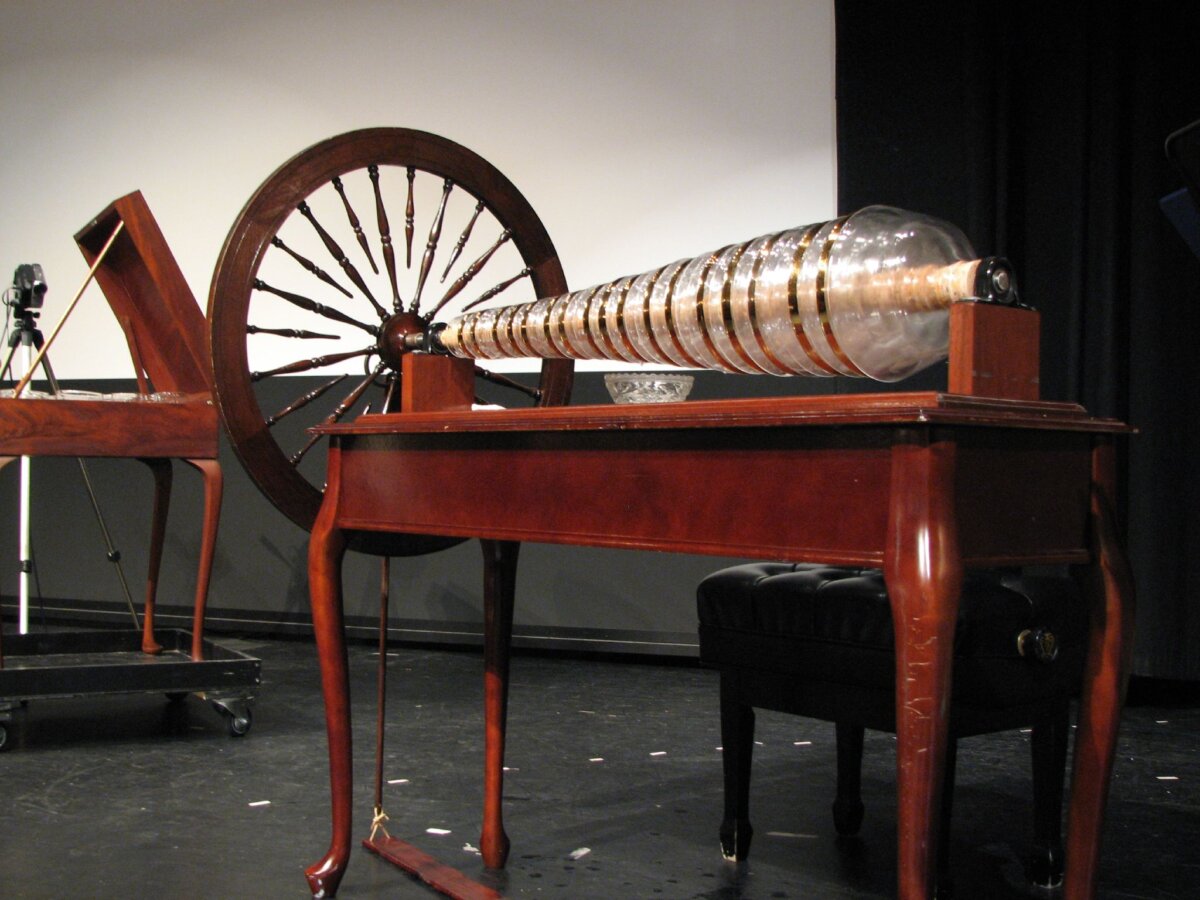
His wife, Deborah, called the melodies the instrument made “the music of the angels.” For Franklin, an amateur musician and multi-instrumentalist who could play the violin, harp, guitar, and viola da gamba, the glass armonica brought immense fulfillment. He once wrote, “Of all my inventions, the glass armonica has given me the most personal satisfaction.”
His innovative and curious spirit, which sparked many inventions, including the lightning rod, bifocals, and flexible catheter, drew comparisons to Renaissance polymath Leonardo da Vinci. Historian George Goodwin refers to the American inventor and musician as a contemporary da Vinci, “the Leonardo da Vinci of the Age.”
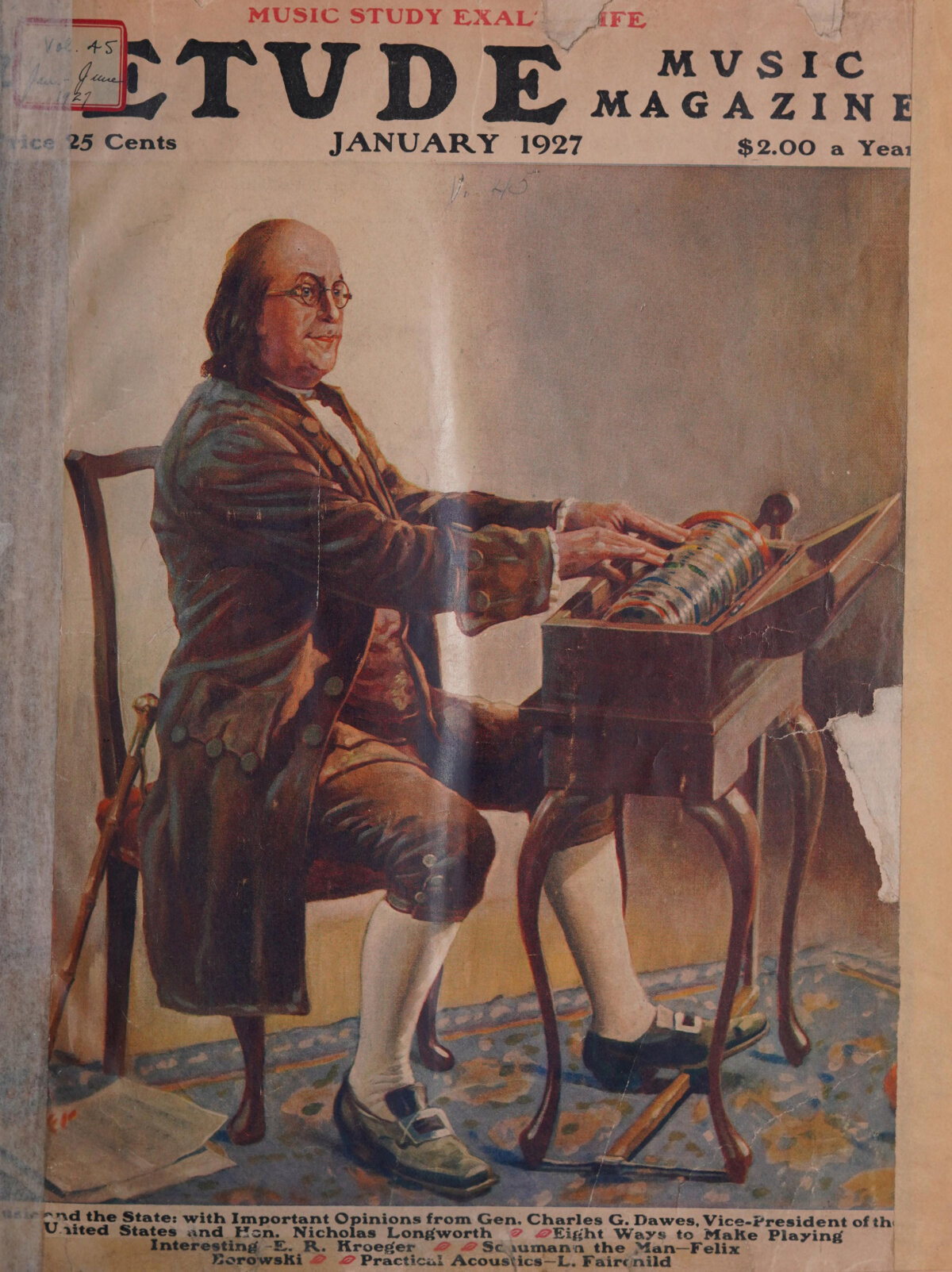
Franklin completed his glass armonica invention in 1761, and it became one of the 18th century’s celebrated instruments. Its sounds can even be heard in the music of Beethoven and Mozart. Decades later, a fellow Founding Father inspired by Franklin’s ingenuity would take his armonica instrument and modify it, creating a new instrument of his own.
A First for America
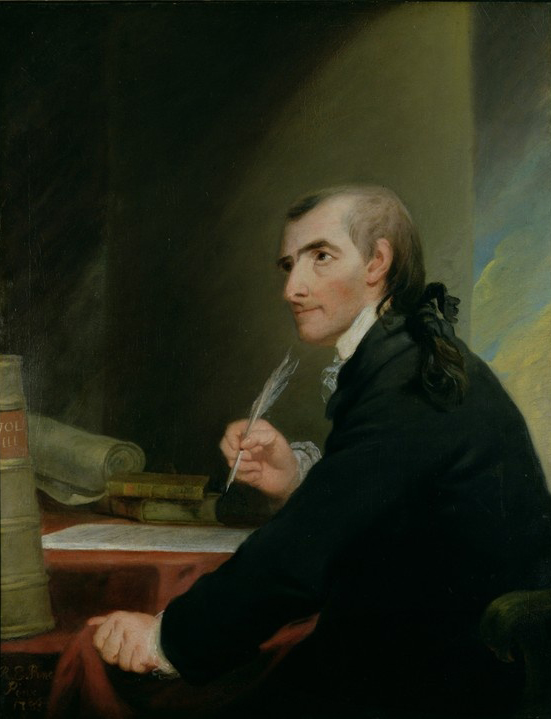
In 1787, Francis Hopkinson, a signer of the Declaration of Independence on behalf of New Jersey, put the finishing touches on his bellarmonic instrument, also known as the bellarmonica, a variation of Franklin’s glass armonica. Hopkinson replaced the glass armonica’s fragile bowls with sturdier steel bells and attached an early model keyboard to the instrument. The modifications made the instrument safer and easier to play. While Franklin’s armonica was popular through the end of the 18th century, Hopkinson’s armonica remained in relative obscurity.
The Constitution Center describes Hopkinson as having “a head filled with musical creativity.” He was a gifted musician who could play the harpsichord and organ. He was also credited with being America’s first native-born composer of secular music. In 1759, he wrote the melody to the song “My Days Have Been So Wondrous Free,” with lyrics by the Anglo-Irish poet Thomas Parnell. The ballad explores happiness and freedom through the beauty of nature. When the Pennsylvania-born musician published his pioneering 1788 collection, “Seven Songs for the Harpsichord or Forte Piano,” he wrote, “I cannot, I believe, be refused the Credit of being the first Native of the United States who has produced a Musical Composition.” It has long been believed he was referring to “My Days Have Been So Wondrous Free.”
When he published his influential “Seven Songs” collection, he dedicated it to George Washington. Like many of the Revolutionary era, Washington was one of Hopkinson’s heroes. He also honored America’s inaugural president with the tune, “A Toast to Washington,” in which he praised Washington’s standing and character with the lyrics, “There cannot be found, search all the world o’er, / His equal in virtue and fame.”
Another of Washington’s colleagues would use the gift of musicianship to express his love and admiration—not for the president, but for a widow who’d become his wife.
‘He Plays the Violin’
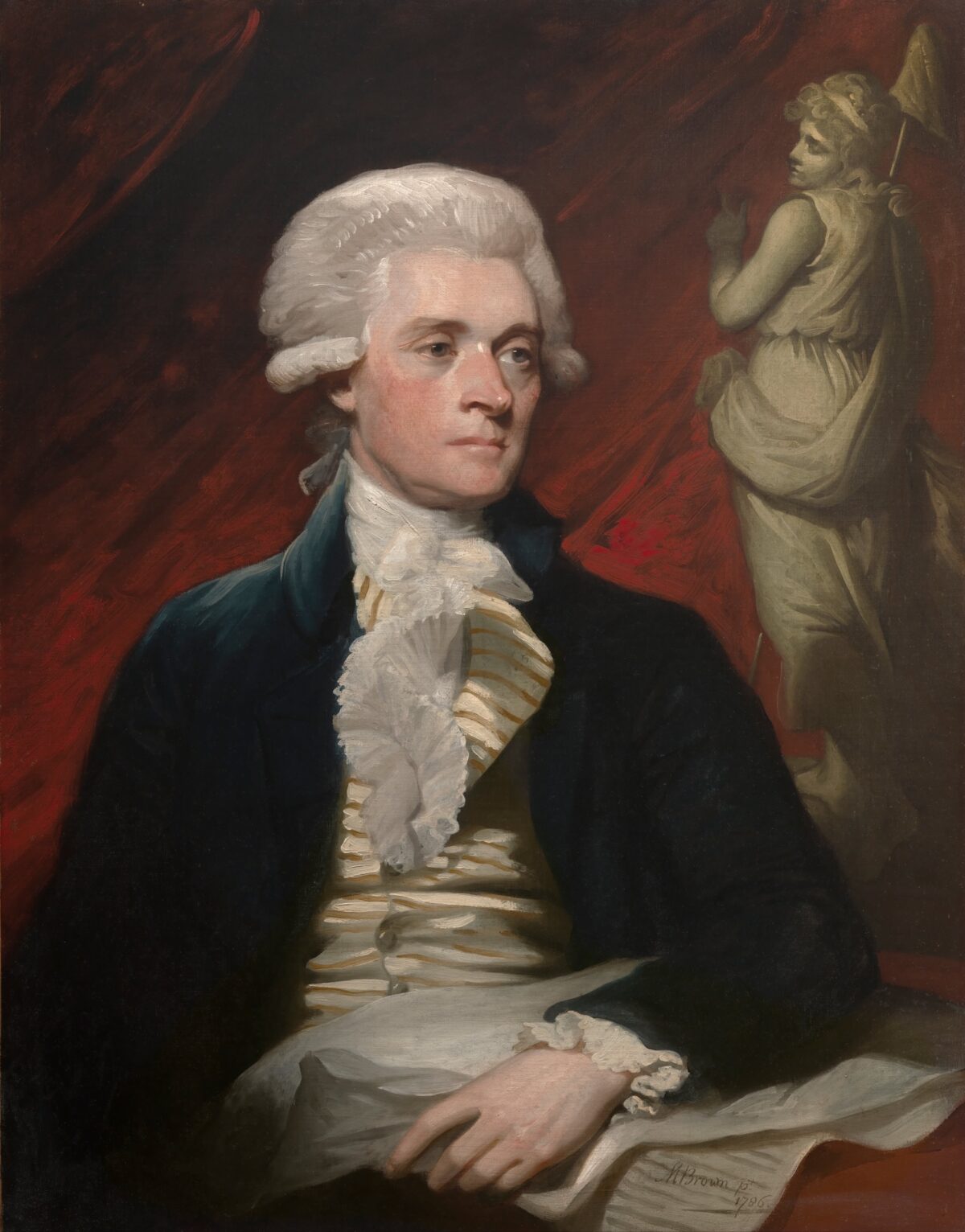
In 1770, Thomas Jefferson met Martha Wayles Skelton, a young Virginia widow with a love of music. She was a talented keyboard player and was impressive on early models such as the harpsichord and pianoforte. Jefferson was also a dedicated musician and enjoyed playing the violin. When he began courting Martha, they quickly bonded over their love of music. They would become so enraptured while playing music together at Martha’s house that other suitors interested in courting her would leave. The two married in 1772, and music would be one of the anchors of their marriage.
The award-winning musical, “1776,” chronicles the journeys of the Founding Fathers as they sign the Declaration of Independence. A newly married Thomas and Martha are also featured in the play. One musical number, titled “He Plays the Violin,” showcases Jefferson’s passion for the violin and how that passion added a certain vibrancy to his life as a statesman. “Sung by Martha upon her arrival in Philadelphia, the song offers a joyful—and unabashedly romantic—portrait of Jefferson through her eyes,” shared Ford’s Theatre. “The violin becomes more than an instrument; it is a symbol of Jefferson himself—expressive, passionate and attuned to beauty.”
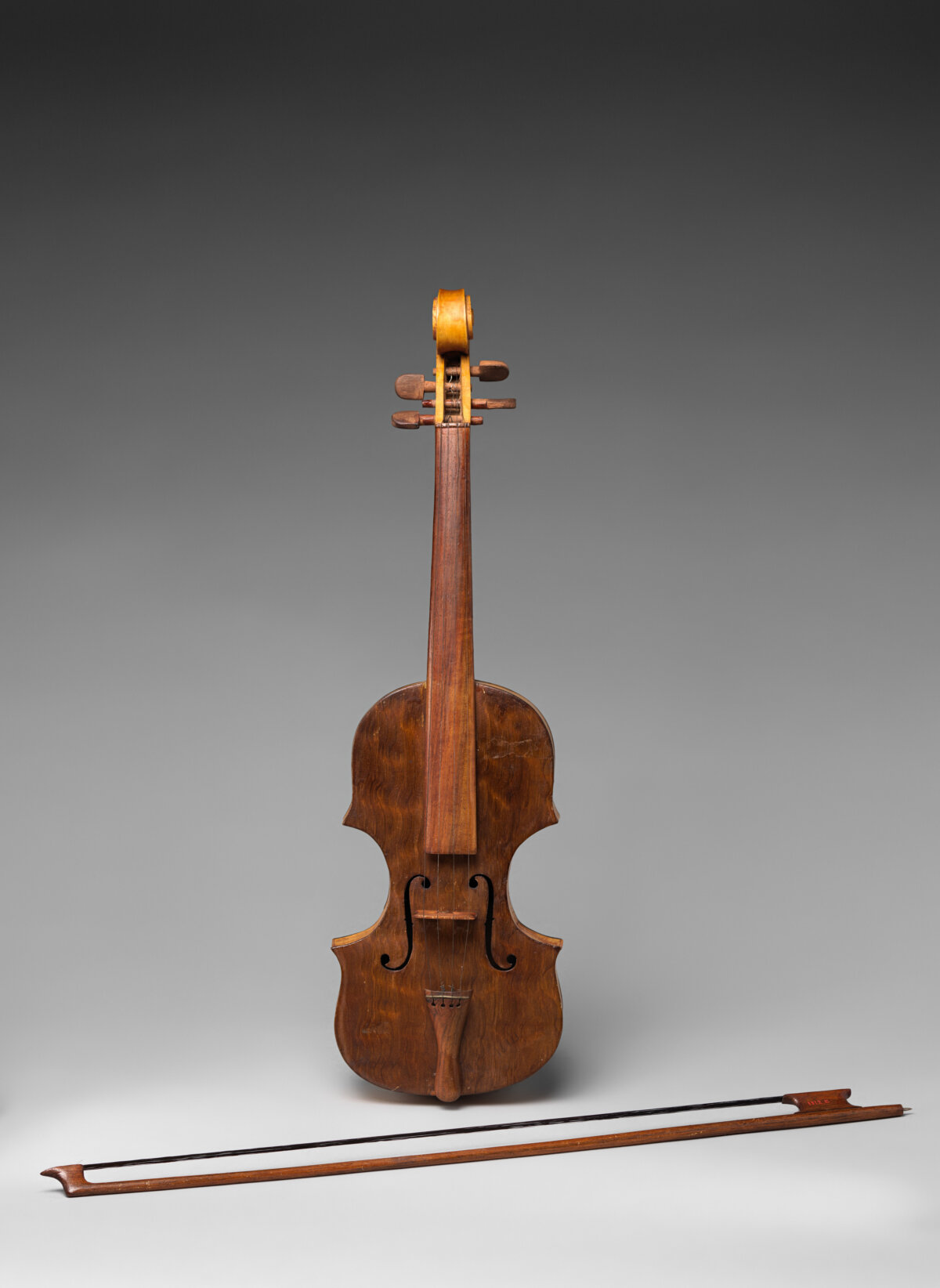
For Jefferson, music wasn’t simply a casual interest, but a field of study that shaped his life’s work. “His sensitivity to rhythm, harmony and form mirrors the precision and care evident in his writing, including the drafting of the Declaration of Independence,” wrote Ford’s Theatre.
What Freedom Sounds Like
Other Founding Fathers crossed paths not only in the pursuit of freedom, but also through music. Virginia governor Patrick Henry, who famously declared, “Give me liberty or give me death,” grew up playing the violin. He even inspired the teenaged Jefferson to pick up the instrument, and the two performed together at social gatherings on numerous occasions.
Throughout his life, Jefferson included music among the most important subjects to study. “His library—one of the most extensive in early America—included sheet music alongside philosophy and law, reflecting a belief that music was essential to a well-rounded life,” Ford’s Theatre notes.
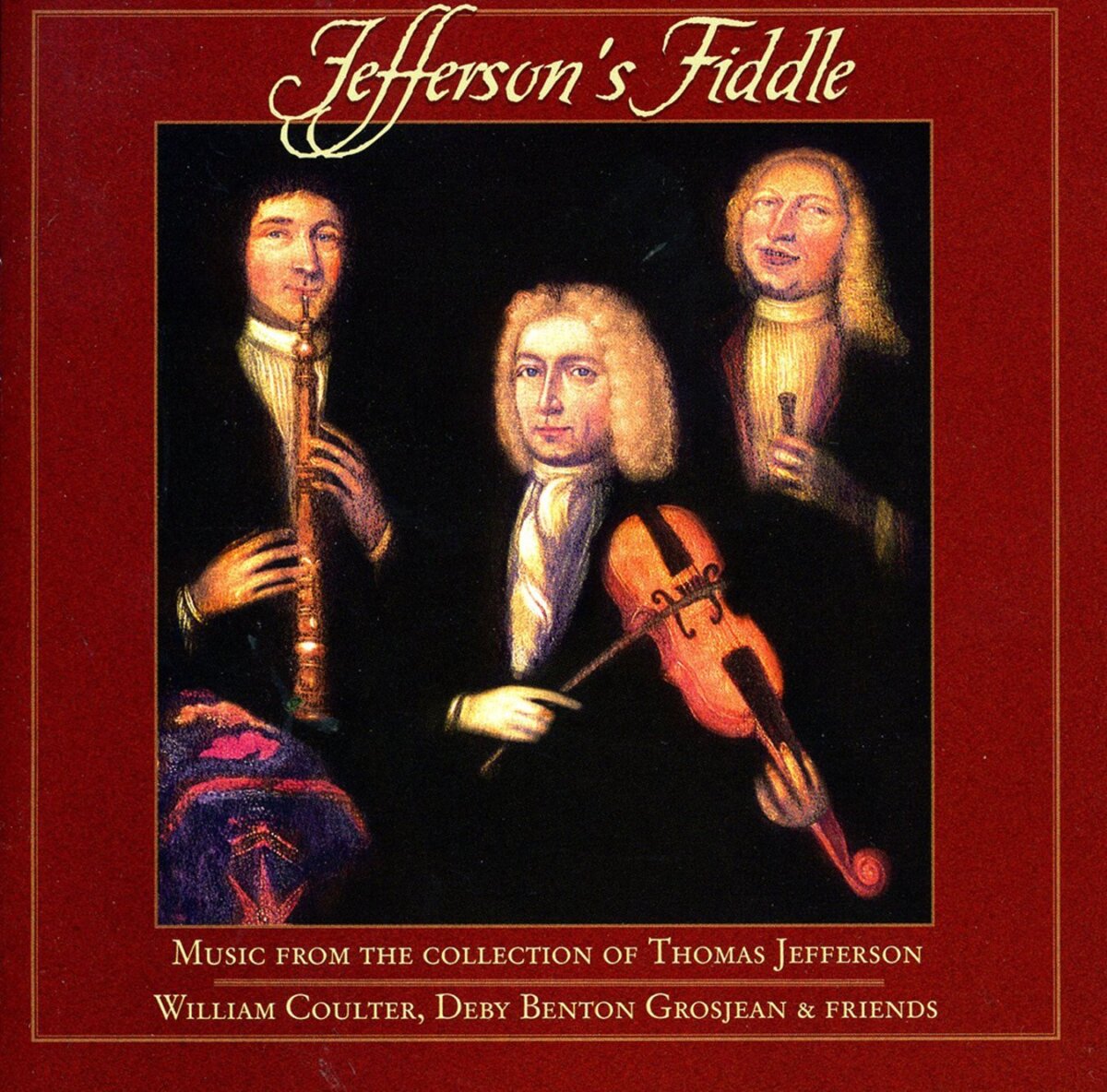
From a historical perspective, freedom often sounds like an impassioned speech protesting taxation without representation, or the crack of a musket firing on the battlefield. But for the Founding Fathers, freedom often sounded like music. From the angelic sounds of Franklin’s glass armonica to the expansive music library Jefferson cultivated, music served not only as inspiration for America’s Founding Fathers, but also as fuel that helped them carry on in the fight for freedom and independence.
What arts and culture topics would you like us to cover? Please email ideas or feedback to features@epochtimes.nyc
