
Bribery and state interference are some of the major challenges Canada faces both in investing in China and managing Chinese investment into Canada, warns a new report from a Calgary-based foreign policy expert.
The report, “Dancing with the Dragon,” is authored by Josephine Smart, an anthropology professor at University of Calgary who specializes in Chinese economics.
With China’s thirst for strategic resources expected to bring about increasingly more investment into Canada, and with Ottawa forging ever-stronger ties with Beijing, Canada needs to clearly understand China’s particular brand of “capitalism with socialist characteristics,” Smart says.
“If they are coming into Canada to invest, then I think indeed the investor needs to respect our rules of the game, and vice versa,” she says.
“If you allow foreign companies to buy and own your strategic resources without any condition and constraint, then eventually in the end your own strategic interests are going to be quickly diminished because your strategic resources are foreign-owned and controlled.”
Cultural awareness becomes especially important when it comes to common Chinese business practices such as guanxi—which means gift-giving but often becomes bribery—to develop interpersonal networks and influence. There’s a strong link between guanxi practices and corruption in Chinese society, the report points out.
The communist state’s influence on corporate decisions—both direct and indirect—also represents a major investment risk, Smart says.
“There is an implied understanding in China that the state’s mandate must trump business logic in the final analysis,” she writes in the report.
While Chinese interest in Canada’s energy sector is well-known, this interest is likely to broaden to include farmland and agricultural production, Smart notes.
She argues that Canada would be well-advised to start formulating a policy stance around how much of our food system we are willing to hand over to foreign control.
Canada should also decide—sooner rather than later—how well its own strategic interests are served by permitting unrestricted Chinese investment in our economy, she says.
The call for caution comes as a huge Council of the Federation trade junket that includes nine premiers is currently conducting a 10-day visit to China. The mission aims to secure trade and investment opportunities for the provinces while promoting Canada’s gateways and natural resources.
Protection for Investors
Foreign direct investment between Canada and China has increased more than five-fold between 2005 and 2011 to a total of $15.4 billion.
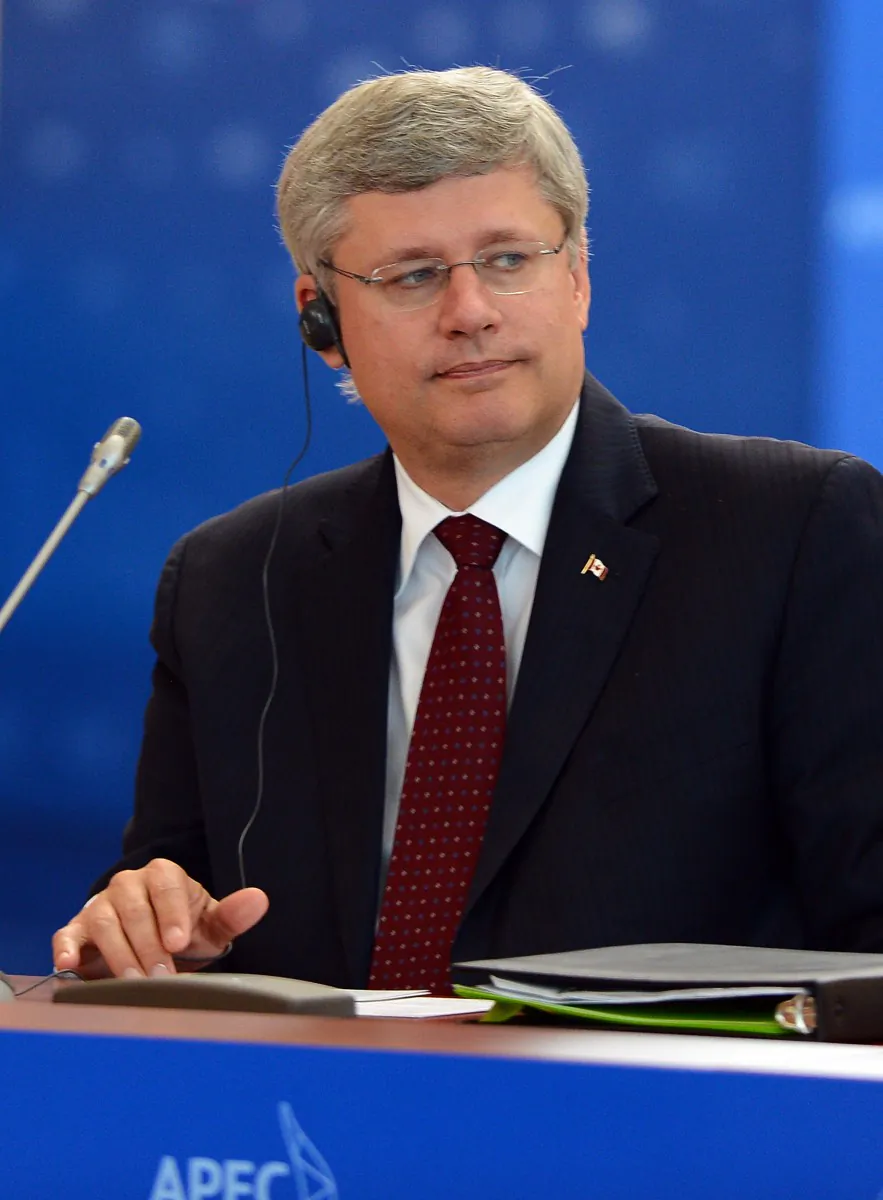
In a move to protect Canadian investments in China, Prime Minister Stephen Harper concluded negotiations for the Canada-China Foreign Investment Promotion and Protection Agreement (FIPA) at the APEC Leaders’ Meeting in Russia on Sept. 9.
The agreement aims to ensure greater protection for Canadian investors and a more level playing field for Canadian firms that bid on contracts in China, as well as facilitate business. Chinese companies will have the same rights in Canada.
A summary posted on the Ministry of Foreign Affairs and International Trade website says the main purpose of the agreement is “to ensure greater protection to foreign investors against discriminatory and wholly arbitrary practices, [and] to provide adequate and prompt compensation in the event of an expropriation.”
The signing of the agreement comes as Ottawa reviews a $15.1 billion bid by Chinese state-owned firm CNOOC Ltd. to acquire energy giant Nexen Inc. If it gets the green light it will be China’s largest takeover of a Canadian company to date.
Smart says the success of future Chinese investment in Canada depends on the “cultural competency” of the policymakers involved.
“What kind of expertise do we have in Canadian society with people who are in positions of making policies, or with people who are making those decisions about investments, about doing business? How well are our experts informed about Chinese society and culture in general?” she asks.
The report recommends that the federal and provincial governments provide increased support for a more comprehensive training and research infrastructure that better prepares Canadians for the growing bilateral trade between the two countries.
The Epoch Times publishes in 35 countries and in 19 languages. Subscribe to our e-newsletter.
 Friends Read Free
Copy
Facebook
Tweet
Friends Read Free
Copy
Facebook
Tweet