
The highly anticipated strategy will address issues such as increasing access to local food, providing opportunities to grow and process food in the city, stimulating and diversifying the local economy, improving the health of residents, and reducing the environmental costs of food production.
The strategy will also guide future city planning in areas such as waste management, urban design, land use, transportation, and parks.
The city has been holding public consultations to ask Edmontonians how they envision the future of local food production through online surveys, citizen panels, blog projects, focus groups, and conferences featuring talks by food experts and academics.
“In order to come up with answers that will work, there’s going to have to be some creativity involved from all people to try and come up with a solution,” says councillor Ben Henderson.
Food culture is already thriving in Edmonton, says Henderson, and the time is right to empower citizens by introducing more creative food-growing opportunities.
“You’re seeing a real rebirth of farmers markets in the city and rebirth of a huge interest in community gardens and things like that,” he says.
“There’s an awareness that we’ve gotten a bit sloppy about the way we understand our food supplies, and that leaves us vulnerable.”
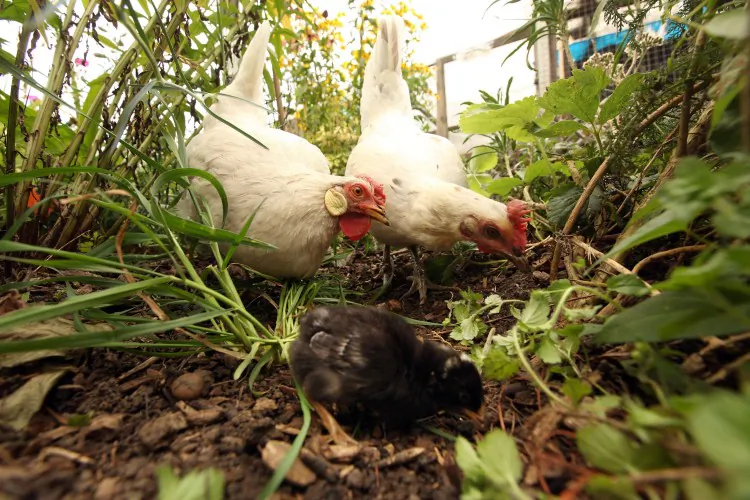
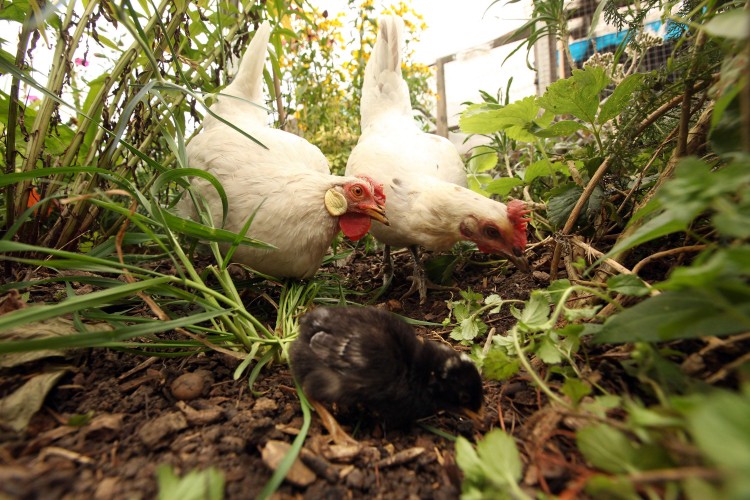
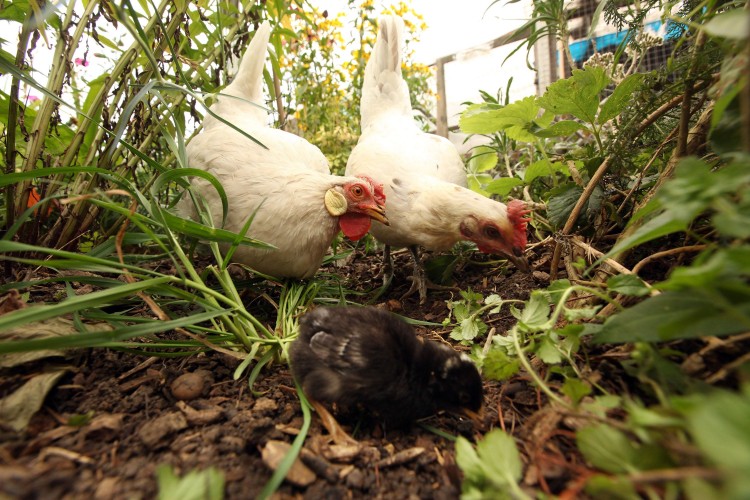
Some ideas brought forward in the consultations include building gardens on vacant city land, allowing urban chicken-raising and beekeeping, and expanding agriculture on the city’s outskirts.
Hendersen says he thinks interest in local food is growing in the wake of increased transportation costs, increased awareness of food sources, and a desire for higher quality, locally grown food varieties.
Encroaching development
But the strategy is not fully citizen driven, and critics say it is being rushed through because it must be approved before further land development on the city’s edge, particularly in prime agricultural land on the northeast side.
Development has swallowed up a large proportion of farmland near Edmonton in recent years. According to Janine de la Salle, a food strategy consultant hired by the city, there are 75 percent fewer available acres since 2006.
Henderson hopes that the new strategy will not only empower city dwellers to create their own sustainable food processes, but will help all citizens gain access to better-quality food— especially the poor and underprivileged.
“We’ve really disconnected from the ability to feed ourselves, and I think there’s a kind of wakeup call with that that we need to understand—that we need to re-establish those connections,” he says.
“I think those create economic opportunities as well,” he adds. “There’s a food business that used to be the heart and soul of this city which we’ve largely let go.”
Dave Loken, council liaison for the project, says the benefits of producing quality food locally include “financial, environmental, and social which can be experienced by encouraging the growth and development of a strong locally based agriculture program in the Capital Region and within the city limits.”
“The City of Edmonton understands that this is not only an opportunity to improve our resilience, but a requirement.”
Urban food expert Wayne Roberts, keynote speaker at the city’s first food strategy conference in May, said Edmonton has a number of key elements that could lead to a successful comprehensive food strategy.
Frequent festivals, a high population of young people, an active NGO sector, engaged citizens, multiculturalism, a food-conscious public health system, available farmland, and local food movement leaders, are all stacked on Edmonton’s side, Roberts said.
The first draft of the new food strategy will be released in the fall.
The Epoch Times publishes in 35 countries and in 19 languages. Subscribe to our e-newsletter.
 Friends Read Free
Copy
Facebook
Tweet
Friends Read Free
Copy
Facebook
Tweet