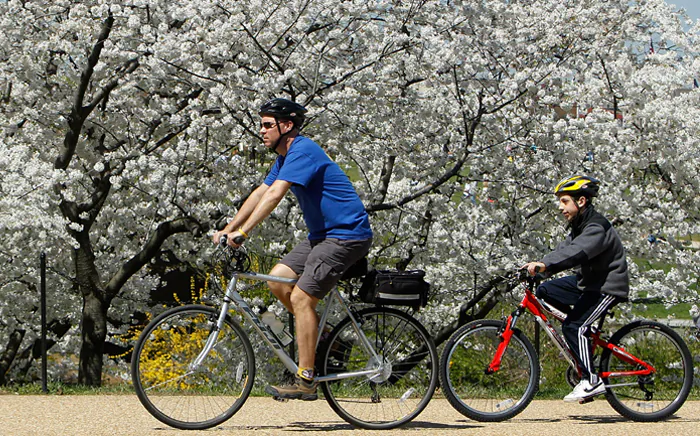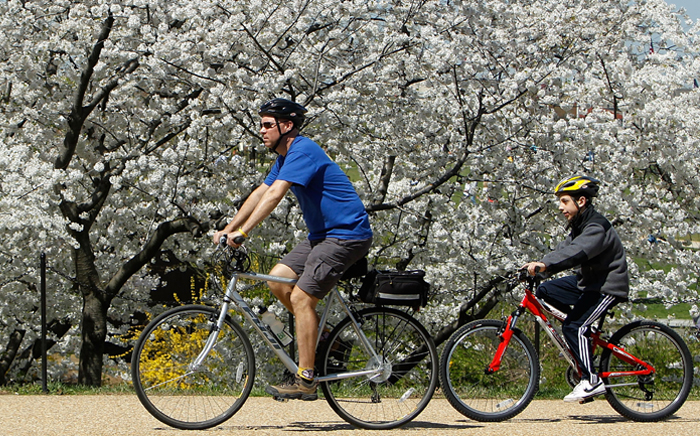

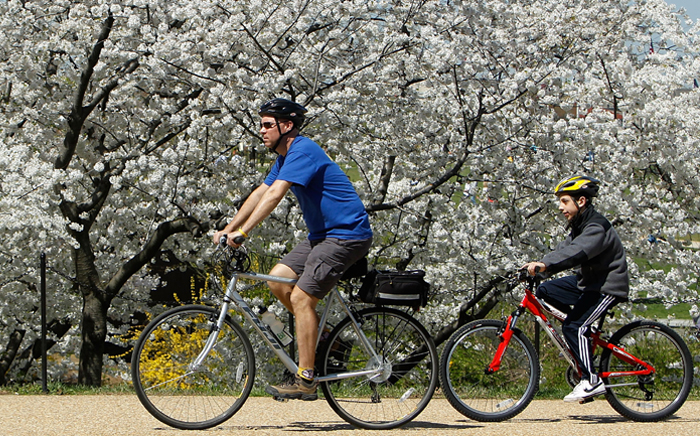
A review of cycling deaths in Ontario has given rise to 14 recommendations in a report from the chief coroner’s office ranging from mandatory helmet use for all ages to improvements to infrastructure and community designs.
“It is our hope that this report and its recommendations will give voice to those cyclists who have lost their lives, and that from an examination of the tragedy of their deaths may come hope for a safer Ontario in which all road users can share our roads more safely,” Deputy Chief Coroner Dan Cass wrote in the report.
The review of 129 cycling deaths between 2006 and 2010 found that 86 percent of those who died were male and over half were persons 45 years old or older.
More than half of the fatalities (53 percent) occurred in broad daylight with dry road conditions and good visibility.
Noting that all the deaths were “predictable, and therefore preventable,” the review reported that a head injury caused or contributed to 55 percent of those deaths while 73 percent of all those who died were not wearing a helmet.
Some of the recommendations include mandatory side-guards for heavy trucks, a “one-metre” rule for vehicles passing cyclists, infrastructure improvement to support cycling, and a focused approach to community design and redevelopment that emphasizes the safety of all road users.
While current legislation requires helmets only for cyclists under 18, one of the report’s recommendations is to implement a mandatory helmet law for cyclists of all ages.
Cyclists are arguing whether it should be personal responsibility or an imposed law, with some saying that mandatory helmet laws might deter riders from the city and increase traffic congestion.
Recognizing that this is a highly controversial issue, the report also recommends an evaluation of how a mandatory helmet law would impact cycling activity.
Another recommendation is a comprehensive cycling safety awareness and education strategy that encompasses public schools, every bicycle purchase, and driver’s licence testing.
Ontario Minister of Transportation Bob Chiarelli welcomed all 14 recommendations and promised that over the summer discussions will be held with the cycling community as well as municipal partners to invite input to help shape policy changes.
“We endorse the principles in his recommendations and we will assess those recommendations in a timely manner while also considering timelines and budgets,” Chiarelli said in a statement.
“Our government will continue to support community-based cycling education programs, pave shoulders where it’s safe and practical, and look at ways to keep cyclists safe on our roads.”
The death toll for cyclists in Ontario, despite having decreased from 41 to 14 between 2006 and 2009, rose to 25 in 2010.
The Epoch Times publishes in 35 countries and in 19 languages. Subscribe to our e-newsletter.
 Friends Read Free
Copy
Facebook
Tweet
Friends Read Free
Copy
Facebook
Tweet