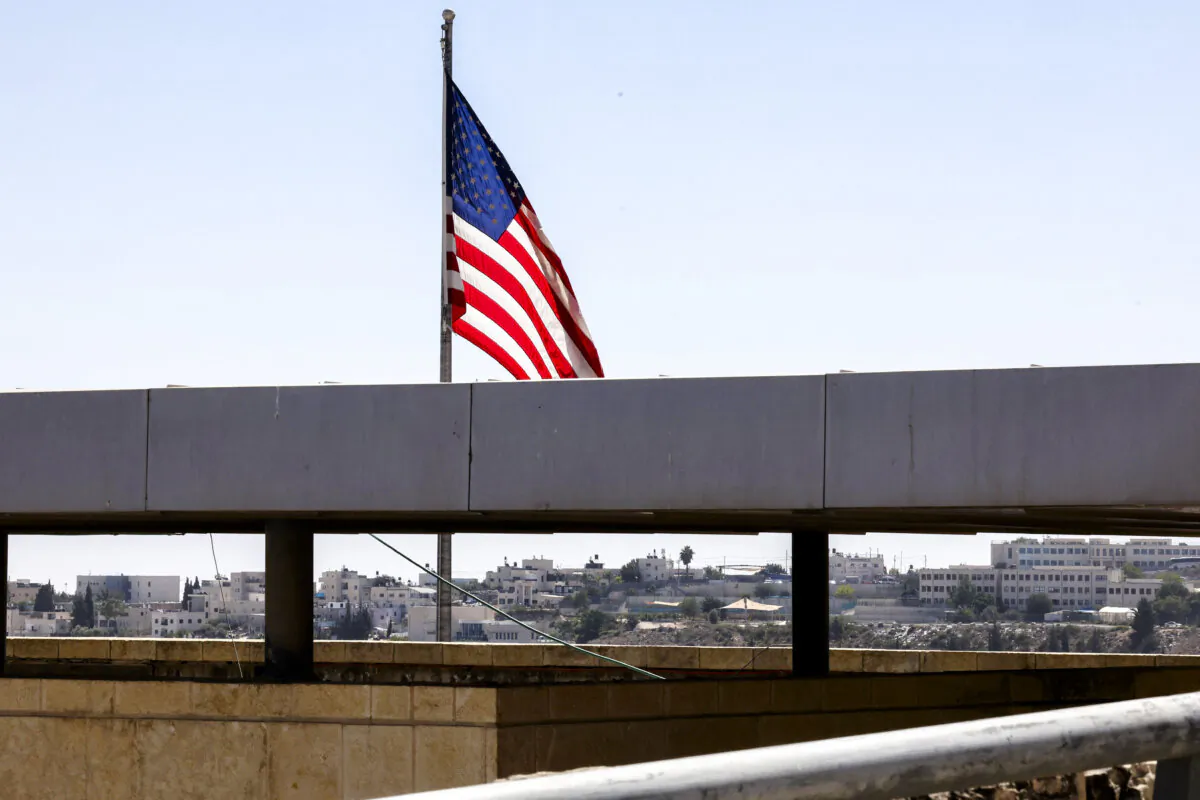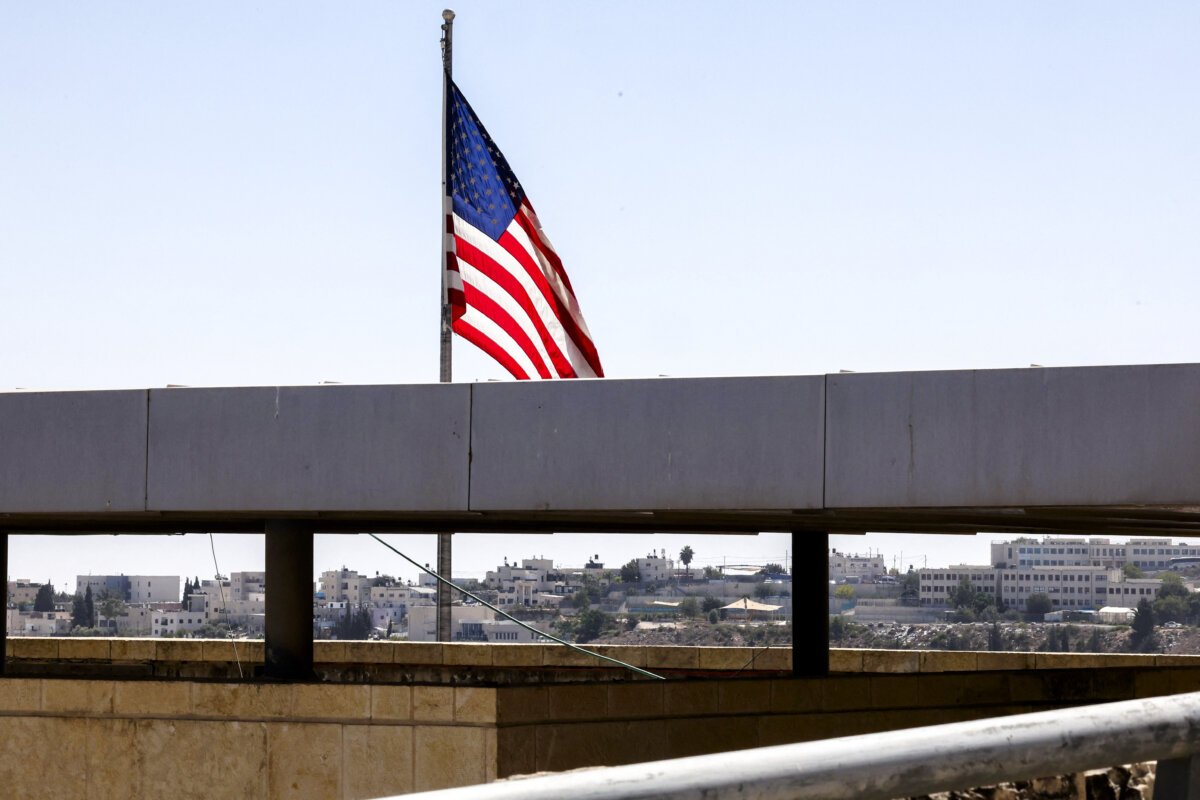

The U.S. Embassy in Israel issued a security alert on June 4 urging American citizens in the Middle East to exercise extra caution and identify the nearest shelter in case of potential hostilities in the region.
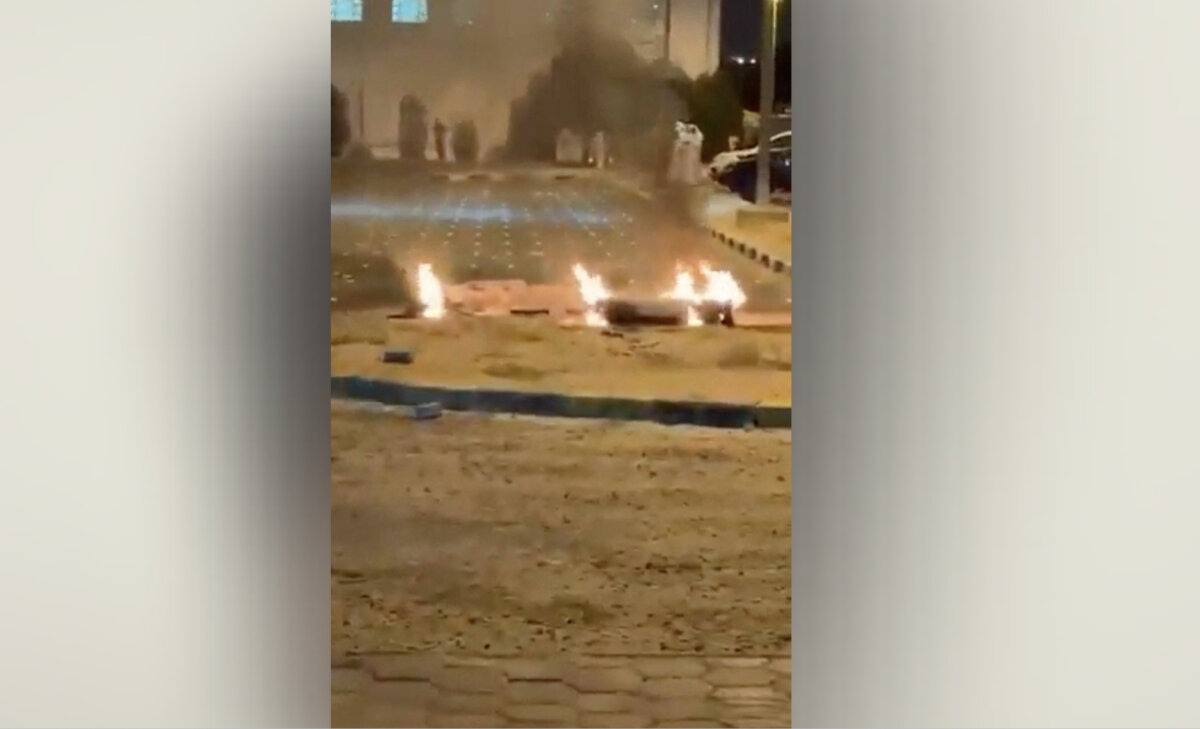
The alert was issued a day after Iran launched a drone attack on Kuwait International Airport, killing one person and injuring dozens of others. Kuwait’s Foreign Ministry said the attack damaged civilian facilities and forced the suspension of flights.
“Due to high tensions in the region, the security environment remains complex and can change quickly,” the embassy in Jerusalem said in its notice.
Level 3 travel advisories remain in place for Bahrain, Israel, the West Bank, Jordan, Kuwait, Oman, Qatar, Saudi Arabia, and the United Arab Emirates, which means citizens are urged to reconsider travel to those countries, according to the alert.
Americans were reminded not to travel to Iran, Iraq, Lebanon, Syria, Gaza, and Yemen, all of which are subject to Level 4 travel advisories.
The notice says that Americans living in those countries should be aware of their surroundings, avoid demonstrations and large gatherings, and stay away from areas with a heavy police presence.
U.S. citizens were also advised to monitor local media for developments, follow instructions from local authorities, keep a low profile, and exercise caution at locations publicly associated with the United States.
The recent Iranian attack on Kuwait marks a significant escalation for the oil-rich Gulf state, which had been relatively calm since a ceasefire in the Iran war was announced on April 8 to allow for negotiations.
U.S. Central Command said Iran also launched three ballistic missiles toward Bahrain on June 2, which were immediately intercepted by U.S. and Bahrain air defense systems, while two missiles aimed at Kuwait fell short or broke apart in flight.
Central Command said its forces also shot down three attack drones launched by Iran toward civilian mariners that were transiting in regional waters on the same day.
In response to the attacks, the U.S. military conducted what it called self-defense strikes targeting an Iranian military ground control station on Iran’s Qeshm Island. No U.S. personnel were harmed in the attacks.
Iran’s Foreign Ministry on June 3 said the United States violated the April ceasefire by attacking an Iranian oil tanker in the Strait of Hormuz and a telecommunications tower on Qeshm Island.
It said that Kuwait and Bahrain were directly responsible for the attacks that it alleged were launched from their territory. Both Kuwait and Bahrain have condemned the Iranian attacks.
The attacks came amid uncertainty surrounding the U.S.–Iran talks to end the war.
Iranian state media said this week that Tehran had pulled out of negotiations with Washington over Israeli military actions against Lebanon-based terrorist group Hezbollah.
U.S. President Donald Trump has rejected the reports, saying that talks between the two nations were continuing.
Iranian Foreign Minister Abbas Araghchi told reporters on June 4 that “indirect messages continue to be exchanged, including recent communications concerning the need to prevent an Israeli attack on Beirut.”
Tom Ozimek contributed to this report.
 Friends Read Free
Copy
Facebook
Tweet
Friends Read Free
Copy
Facebook
Tweet