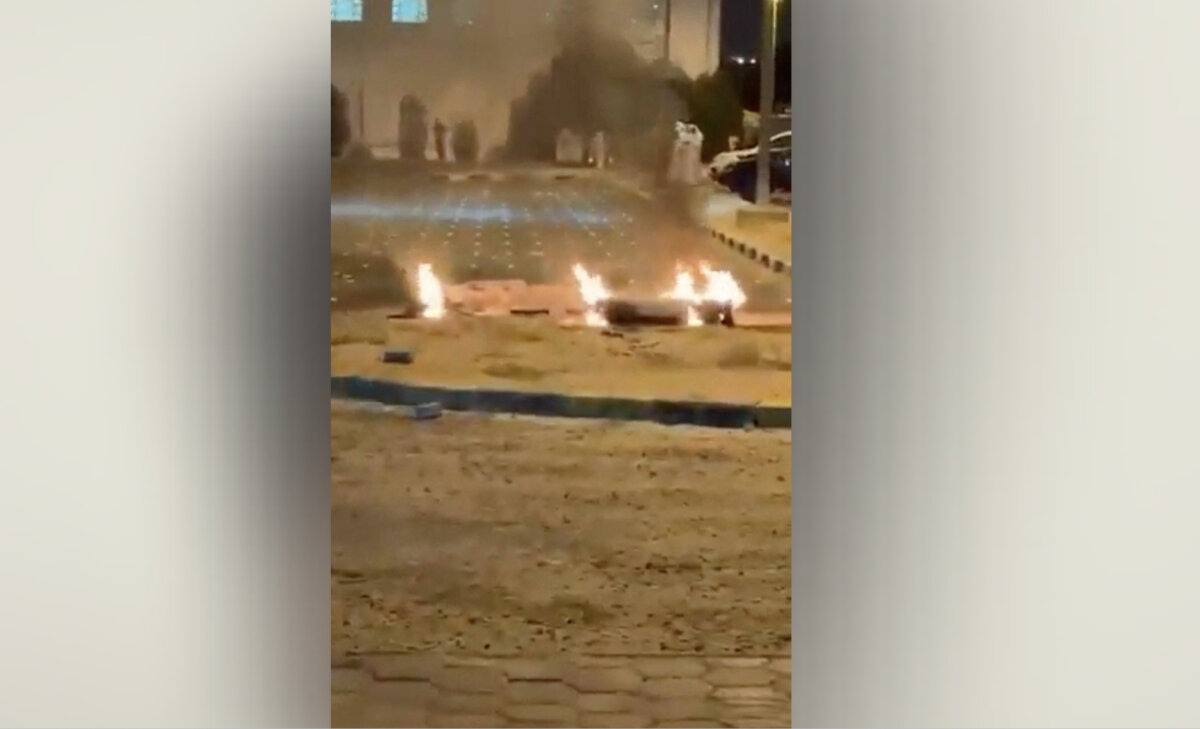

Iran attacked Kuwait International Airport with drones before dawn on June 3, killing at least one person, injuring others, and forcing the suspension of commercial flights, Kuwaiti authorities said, as regional turmoil spread.
The strike damaged civilian facilities, including the airport and diplomatic missions, Kuwait’s Foreign Ministry said in a June 3 statement, although it did not specify which diplomatic facilities were damaged.
“The Ministry affirms the State of Kuwait’s categorical rejection of Iran’s overt aggressive attacks, which lead to increased escalation, heightened tension, and undermine the security and stability of the region,” officials said. “The security of the State of Kuwait, its sovereignty, and the safety of its citizens and residents on its territory are a red line that cannot be crossed.”
Kuwait reserves the right to retaliate, the ministry added, denouncing what it described as “sinful and repeated Iranian aggressions.”
Defense Ministry spokesperson Brig. Gen. Saud Abdulaziz Al-Otaibi said a number of hostile drones targeted the airport’s passenger terminal, injuring several people and causing severe damage.
State news agency KUNA reported that the attack damaged Terminal 1 at Kuwait International Airport and forced authorities to divert flights.
Kuwait Airways said it would reschedule its June 3 flights following the attack. Hours later, Kuwait’s civil aviation authority said the national carrier had resumed operations from Terminal 4 after conducting damage assessments and all necessary safety checks.
The attack marks a significant escalation for the oil-rich Gulf state, which had remained relatively calm since a ceasefire in the Iran war was announced on April 8, as efforts toward a diplomatic settlement to the conflict took center stage.
Uncertain Fate of Talks
The attack came as questions swirled over the future of U.S.–Iran negotiations aimed at turning the April ceasefire into a broader settlement.
Iranian media earlier this week gave conflicting accounts of the talks, with the semi-official Tasnim news agency reporting that Tehran had suspended the negotiations—including exchanges of messages through mediators—over Israeli military operations in Lebanon. Later, Iran’s official IRNA news agency suggested Iran had merely warned that talks could be halted if the fighting continued.
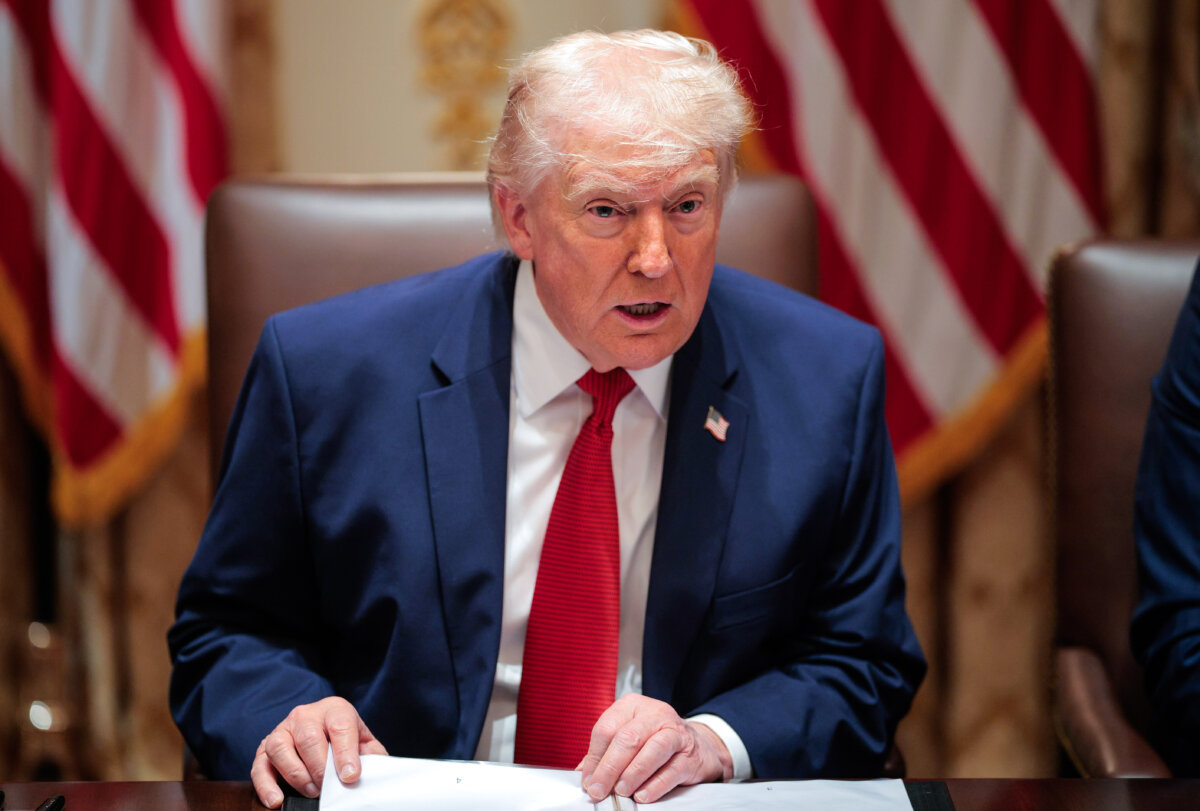
U.S. President Donald Trump dismissed reports that negotiations had broken down, saying on June 2 that discussions with Tehran were continuing and that he had helped broker a renewed ceasefire between Israel and Hezbollah after a recent flare-up in Lebanon.
Trump told CNBC in an interview that Tehran hadn’t informed Washington of any freeze in peace talks, and later urged patience.
“Just sit back and relax,” Trump wrote in a post on social media. “It will all work out well in the end.”
Calling reports that Washington and Tehran had stopped speaking “false and erroneous,” Trump said the talks have been going on continuously, adding the caveat that “where they lead, one never knows.”
Gulf Tensions Escalate
The fragile diplomacy was further shaken on Tuesday night, as U.S. Central Command said Iran launched missiles and drones at multiple targets across the Gulf into Wednesday morning.
Three missiles fired toward Bahrain were intercepted by U.S. and Bahraini forces, while two missiles aimed at Kuwait fell short or broke apart in flight, Central Command said.
“Iran launched several ballistic missiles toward regional neighbors,” the command said in a post on X, adding that they “all failed to hit their intended targets.”
The U.S. military also said it shot down several Iranian drones targeting civilian shipping and American forces in the region, including an additional wave of drones directed at U.S. personnel in Kuwait.
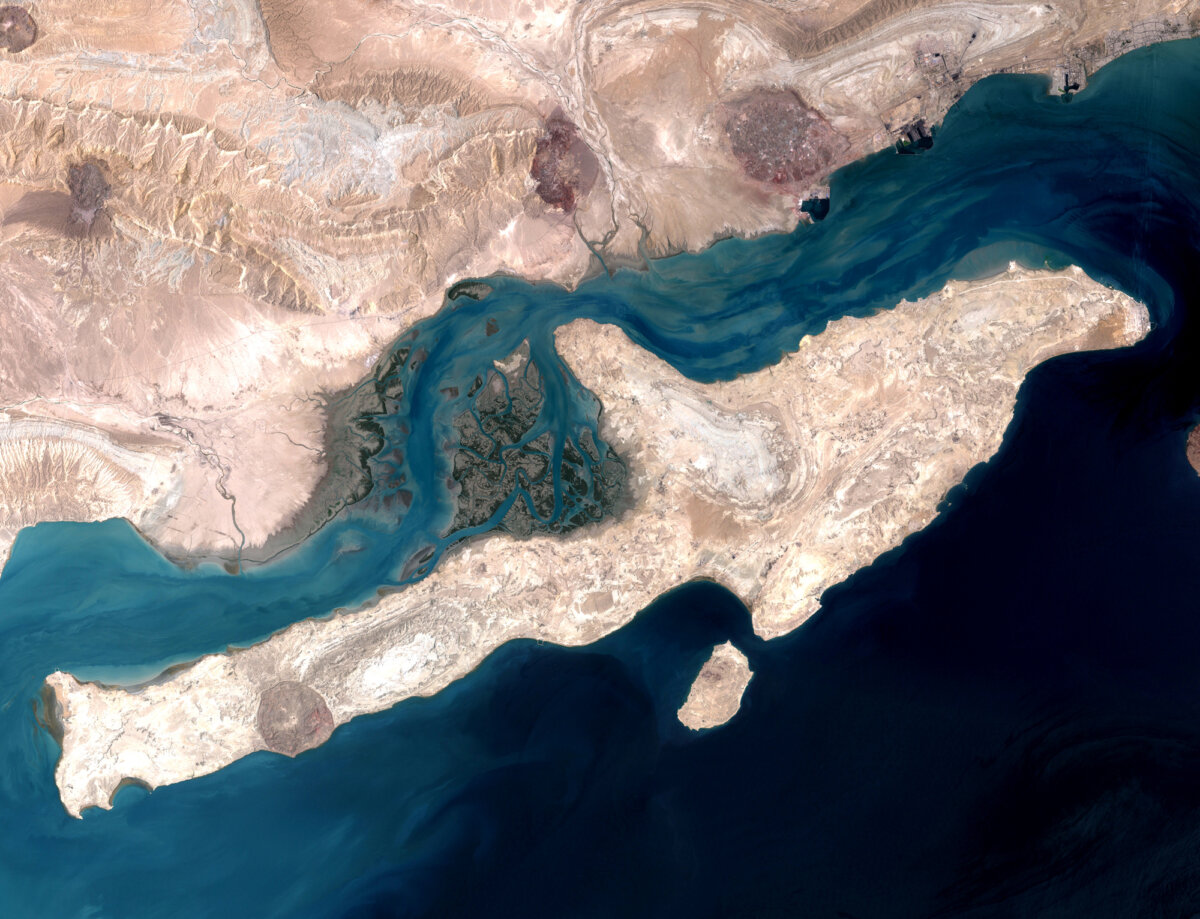
In response, U.S. forces carried out what Central Command described as self-defense strikes against an Iranian military ground-control station on Qeshm Island near the Strait of Hormuz. The command said no U.S. troops were harmed in the attacks.
Iran’s Foreign Ministry accused the United States of violating the April ceasefire by attacking an Iranian oil tanker in the Strait of Hormuz and a telecommunications tower on Qeshm Island.
Tehran also blamed Kuwait and Bahrain for allowing their territory and military facilities to be used in support of U.S. operations.
“The Ministry of Foreign Affairs emphasizes that any country allowing aggressor parties to use its land, sea, airspace, facilities, or military bases located within its territory for the purpose of carrying out or supporting military aggression against Iran is in clear violation of the fundamental rules of international law and, pursuant to United Nations General Assembly Resolution 3314, shall be regarded as having committed an act of aggression against Iran,” the ministry said in a June 3 post on X.
“In exercising its inherent right to defend Iran’s territorial integrity and national sovereignty, the Islamic Republic of Iran will utilize all available capacities to confront such aggressive actions, including through targeting the origin and source of the attacks.”
Kuwait condemned what it called Iran’s targeting of neighboring Bahrain and expressed full support for measures taken by Bahraini authorities to protect the kingdom’s security and sovereignty.
The exchange marked the latest sign that Gulf states are being drawn deeper into the conflict, which began in late February and has disrupted global shipping and energy markets and left thousands dead.
 Friends Read Free
Copy
Facebook
Tweet
Friends Read Free
Copy
Facebook
Tweet