
The United States hit Iranian military sites over the weekend in what U.S. Central Command described in a June 1 statement as “self-defense strikes.”
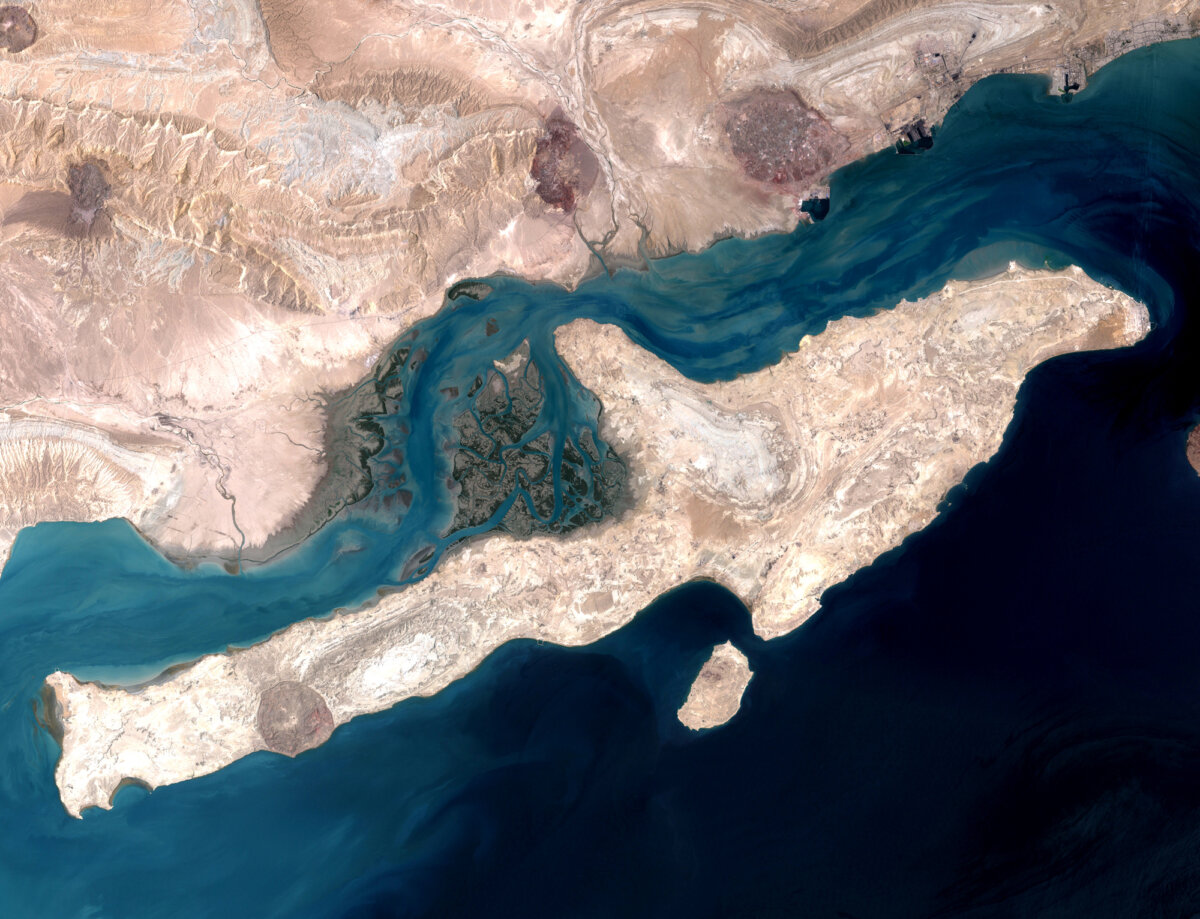
The attacks targeted Iranian radar and command and control sites for drones in Goruk and Qeshm Island, Central Command stated in a post on X.
“The measured and deliberate strikes occurred on [May 30 and May 31] in response to aggressive Iranian actions that included the shootdown of a U.S. MQ-1 drone that was operating over international waters,” Central Command stated. “U.S. fighter aircraft swiftly responded by eliminating Iranian air defenses, a ground control station, and two one-way attack drones that posed clear threats to ships transiting regional waters. No American service members were harmed.”
Iran’s Islamic Revolutionary Guard Corps (IRGC) also stated on June 1 that it had targeted a U.S. base in response, the latest exchange of attacks amid negotiations to end the now three-month-old war.
The IRGC told the semi-official Fars News Agency that, following a U.S. military attack on a telecommunications tower on Sirik Island in Hormozgan Province, IRGC Aerospace Force fighters targeted the air base from where the attack originated and destroyed their predicted targets.
“This response is a serious warning so that the enemy knows that aggression will not go unanswered and if it is repeated, our response will be more decisive,” the IRGC stated, according to Fars.
The IRGC did not specify which U.S. air base it had targeted.
Air defenses in Kuwait, an ally of the United States in the region and home to a major U.S. base, were intercepting missile and drone attacks, the Kuwaiti Army stated in a June 1 post on X.
“The General Staff of the Army notes that any sounds of explosions, if heard, are the result of air defense systems intercepting the hostile attacks,” Kuwait’s army stated. “Everyone is asked to comply with the security and safety instructions issued by the competent authorities.”
CENTCOM stated in a June 1 post on X that U.S. forces had “successfully intercepted two Iranian ballistic missiles targeting American forces based in Kuwait” in the early hours of the morning.
“These missiles were immediately defeated and no American personnel were harmed,” CENTCOM stated. “[It] remains vigilant and will continue to protect our forces from Iranian aggression while supporting the ongoing ceasefire.”
The United States and Iran have sporadically exchanged strikes since a ceasefire took effect in early April, as diplomacy aimed at establishing a long-term agreement continues.
U.S. President Donald Trump said in a Truth Social post in the early hours of June 1 that “Iran really wants to make a deal” and laid the blame for the failure to reach one at the feet of lawmakers from the Democratic Party and “seemingly unpatriotic Republicans.”
“Just sit back and relax, it will all work out well in the end—it always does! President DJT,” Trump said.
Despite those comments, Iranian Foreign Ministry spokesperson Esmail Baghaei said Washington was constantly shifting its negotiating stance and condemned what he called U.S. aggressive action.
He said sending contradictory messages would not work as a negotiating tactic and urged Washington to adopt a clear, definitive position as soon as possible.
“From the beginning, we knew and still know that we are negotiating under conditions of distrust, and this is an assumption. Beyond that, negotiations began amid deep suspicion and mistrust, and the exchange of messages is also taking place within this framework and in this atmosphere,” Baghaei said, according to Iranian outlet Khabar Online.
“In a situation where the other side is constantly changing its positions, raising new or contradictory demands, and sending different and contradictory media messages, it is natural that this situation causes the negotiation process to be prolonged.”
He said Tehran viewed Israeli actions in the region, including in Lebanon, as inseparable from those of the United States.
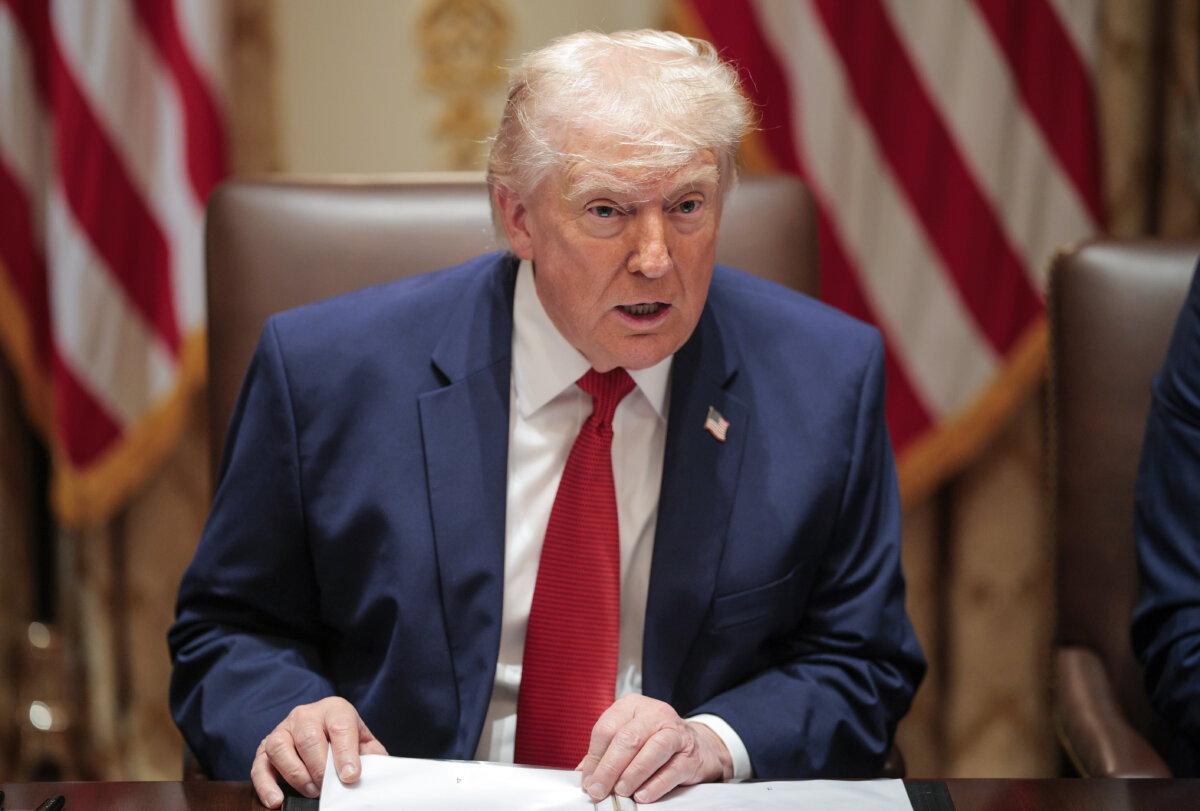
Days earlier, on May 30, Trump said he was in no hurry to make a deal with Iran to end the war.
“I’d like to say I’m in a hurry because gasoline prices are going to come tumbling down, but if you’re going to be in a hurry, you’re not going to make a good deal,” Trump told Fox News. “And slowly but surely we’re getting, I think, what we want, and if we don’t get what we want, we’re going to end it a different way.”
On May 29, Trump released the terms of a deal with Tehran and said he would be making a final decision soon.
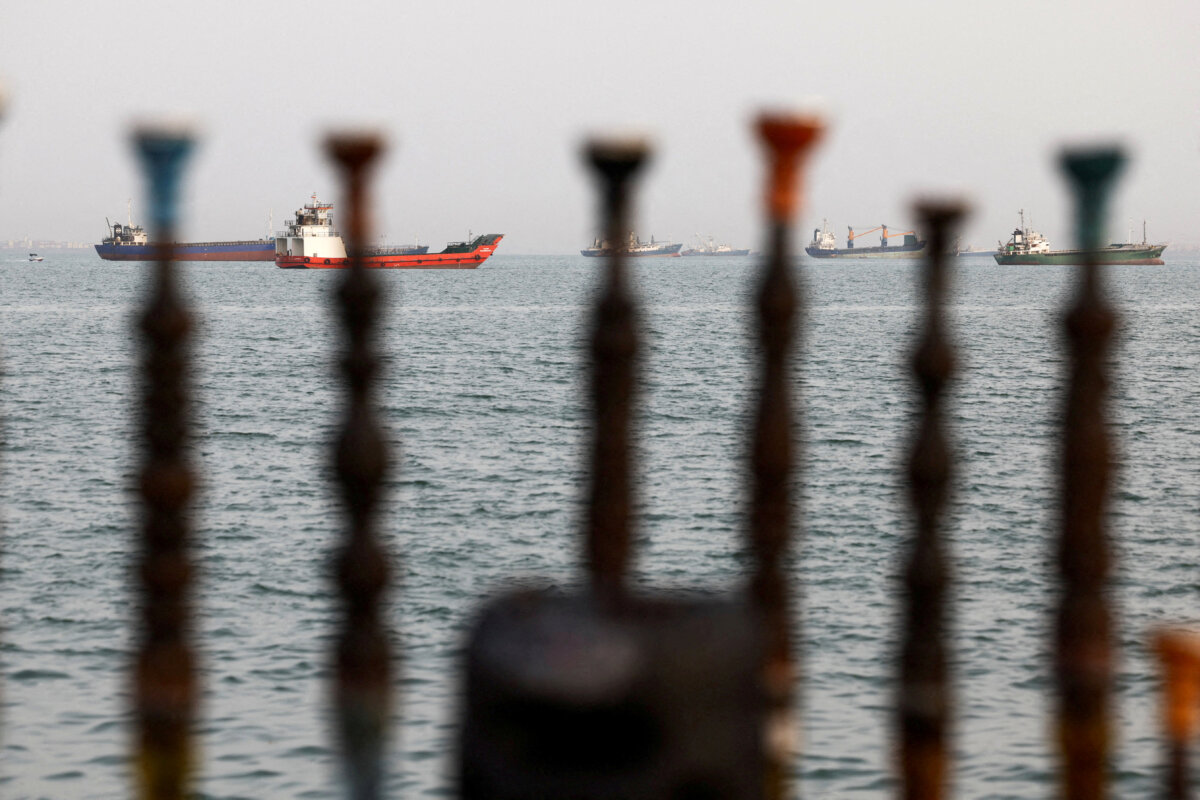
Along with demanding that Iran not obtain a nuclear weapon, Trump said in a post on Truth Social that the Strait of Hormuz must be opened “in both directions” and that Tehran must “complete the immediate removal and/or detonation of any mines that are left.”
Jack Phillips contributed to this report.
 Friends Read Free
Copy
Facebook
Tweet
Friends Read Free
Copy
Facebook
Tweet