
PARLIAMENT HILL—MPs are back at it in the House of Commons, resuming debates and accusations after the summer break. And if the first days are any indication, jobs and the economy will dominate the session.
The NDP and Conservatives are duking it out over different visions of how to put Canada on the path to long-term prosperity, while landing jabs over ongoing controversies and controversial policies.
The Tories continue to invoke the economy to support the main thrust of their legislative agenda. Now it looks like the NDP is determined to do the same, though how that will translate into proposed legislation remains to be seen. So far, the Conservatives have done more to define how the NDP would go about things than the NDP itself has done.
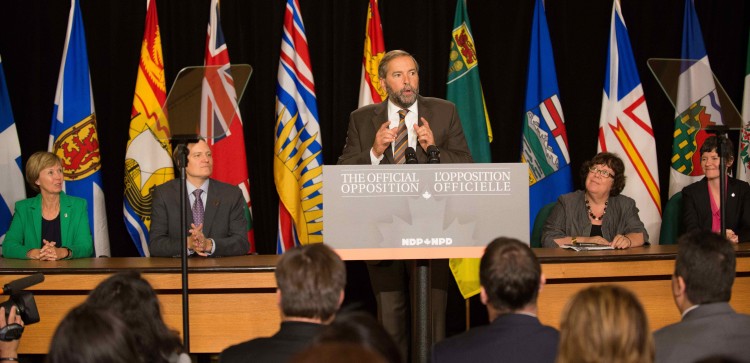
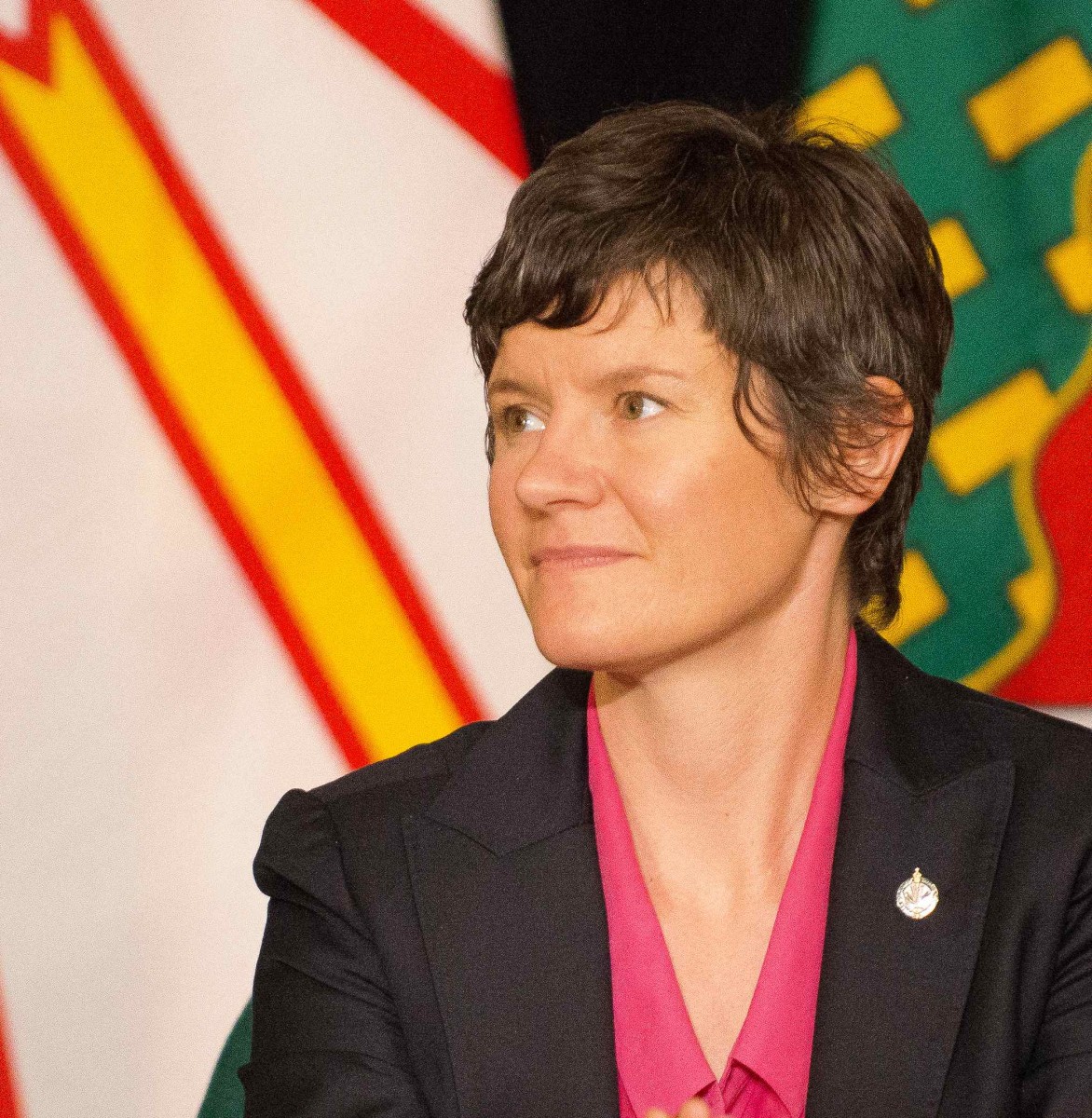
However, the Tories’ attacks of an NDP “carbon tax” misrepresent NDP policy, says NDP Deputy Leader (Environment) Megan Leslie.
“This is absolutely a red herring,” she said, noting that the NDP supports a cap-and-trade system, which is significantly different from a carbon tax.
The Tories also supported a cap-and-trade system at one point, though a spokesperson from the Prime Minister’s Office notes that that system would not have raised revenues, while the NDP’s “carbon scheme” would raise over $21 billion in tax revenue.
The NDP’s 2011 platform promised to put a price on carbon through a cap-and-trade system and establish “hard emissions limits for Canada’s biggest polluters to ensure companies pay their environmental bills and to create an incentive for emissions reductions.”
The Conservatives are intent on painting the NDP with the carbon tax brush that worked so well on former Liberal leader Stéphane Dion—who in fact was intent on a major shift towards a carbon tax—but could face a tough battle on numerous fronts.
Each Tory slam of the NDP’s “carbon tax” has been met with counterstrikes aimed at sensitive weak spots: F-35 cost overruns, Elections Canada investigations into Conservative campaigns, CNOOC’s proposed takeover of Nexen, and allegations of ethical misconduct.
NDP leader Thomas Mulcair told his caucus Wednesday that the Tories had mismanaged the economy and the NDP would put forward a positive alternative. But that vision must contend with a well-stated and consistent Tory focus on the economy.
Though the Conservatives have faced sometimes vocal opposition over several files including an ongoing overhaul of immigration, an updated Copyright Act, and a tough line on organized labour, the government has argued that each issue is connected to an overall economic strategy.
During the last sitting, the Tories streamlined environmental reviews to accelerate resource projects, a move the NDP decried as gutting environmental protection. While the NDP accuses the Tories of only listening to the oil lobby, the Tories laugh off NDP policies as bad for the economy.
Economic Mismanagement?
The Conservatives have presided over a Canadian economy that has fared comparatively well amid global uncertainty, an oft-repeated fact touted by ministers and the PM. While Europe has teetered and the U.S. crawls along, Canada has recovered lost jobs and is looking to the future, argue the Tories, brandishing their low-tax plan as a resounding success.
Now the NDP is trying to challenge that line. During the daily volley of questions and accusations that is question period, Mulcair has opened each day with accusations of economic mismanagement.
He has raised the issues of a growing trade deficit and rising household debt to support an alternative storyline. The Conservatives are using short-term growth from the oil sector to bolster the economy at the expense of manufacturing and other jobs higher on the productivity scale, he argues.
Meanwhile, harsh austerity measures are hurting Canadians and undermining hard-won social services, says Mulcair.
But while the NDP decry complicated failings like the growing productivity gap, the Conservatives can point to easily digested facts about jobs, while rolling out impressive accolades from international organizations like the IMF and respected publications like Forbes.
Leslie said the NDP may be facing an uphill battle explaining the party’s more nuanced economic policies, but she thinks Canadians are smart enough to figure it out. The party is also working on a green energy strategy that will offer a comprehensive alternative to current energy policy, she said.
But denouncing Harper’s austerity measures, which aim to balance the budget by 2016, does not explain how the NDP would preserve social services and public sector jobs. Calls to Peggy Nash, the NDPs finance critic, could not be returned by press time due to a finance subcommittee, explained an aide.
NDP to Focus on Economy
Mulcair has made it clear the NDP will focus on the economy above all else, but so far the party’s 2011 election platform, created under late leader Jack Layton, is the only document spelling out how.
A source familiar with the issue said the NDP will define specific positions in the coming weeks, but has already pointed out clear Conservative failings, such as not tying corporate tax cuts to specific performance measures like job creation.
As the next budget approaches, the NDP will have an opportunity to define many of those positions.
The last budget bill had far-reaching impacts on environmental reviews, immigration, and pensions. Government House Leader Peter Van Loan told reporters on Monday that that was necessary in order to implement the government’s budget priorities.
Van Loan brushed aside suggestions that the previous budget was undemocratic by including so many changes to other acts, thereby limiting parliamentary scrutiny on those specific measures.
“All these pieces flow together as part of a comprehensive plan for short- and long-term prosperity,” he said.
It’s an argument that will likely play out again when the government introduces its next budget implementation bill. Van Loan would say little about what would be in it beyond a tax credit to help small businesses hire new staff.
He did give a broad hint that elements will be included that were missing from the last budget implementation bill but mentioned in the budget, or Economic Action Plan 2012, itself.
Smoother Session?
While the last session of Parliament was marked by increasingly bitter conflict between the government and opposition parties, NDP House Leader Nathan Cullen said Monday this session could run much better if the government is willing to work with the NDP “just a little bit.”
“Last session we saw a legislative strategy from the government that was uncooperative and at times belligerent. They threw everything but the kitchen sink into their Trojan horse budget bill and then avoided scrutiny by ramming it through the House, employing an unprecedented use or even abuse of parliamentary practices,” said Cullen.
“It doesn’t have to be this way.”
The NDP were elected to get things done, not turn every issue into a “political grenade,” he said.
For his part, Van Loan said Canadians want to see the government getting things accomplished rather than bickering in the House of Commons.
“This government’s style is to actually deliver on economic leadership for Canadians.”
The Epoch Times publishes in 35 countries and in 19 languages. Subscribe to our e-newsletter.
 Friends Read Free
Copy
Facebook
Tweet
Friends Read Free
Copy
Facebook
Tweet