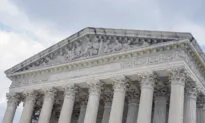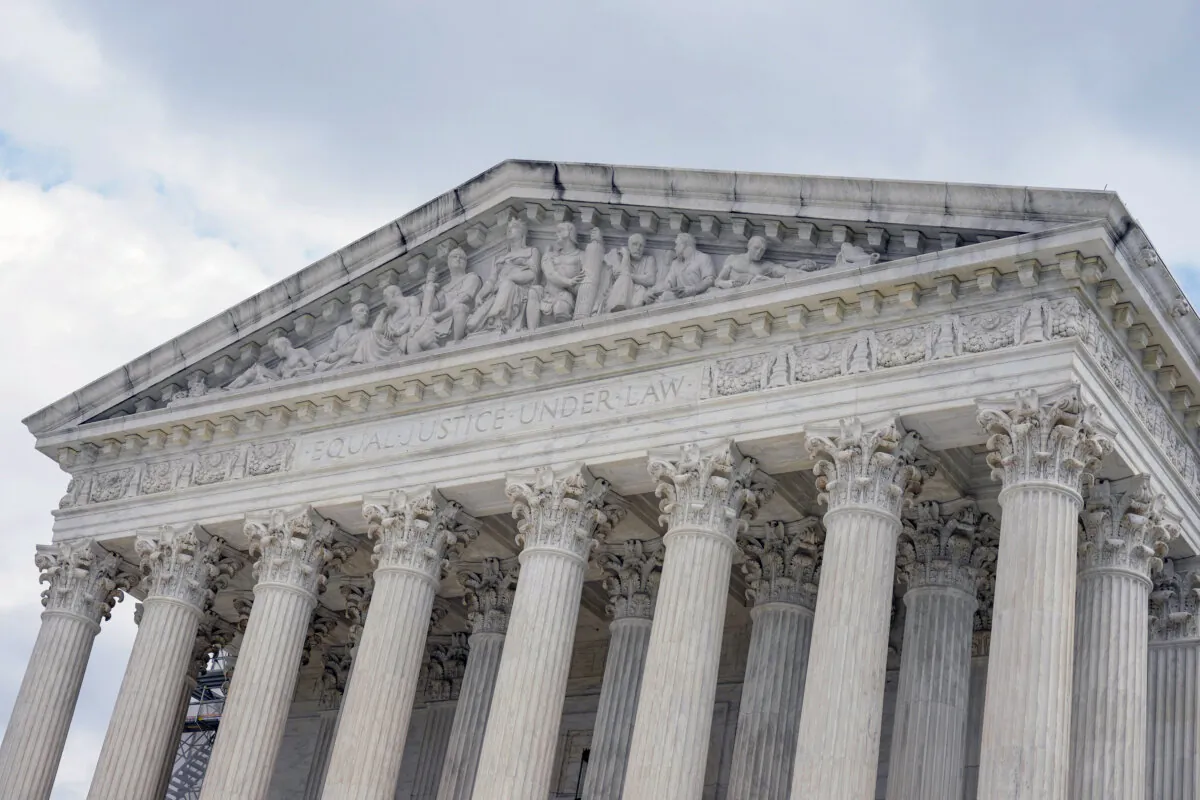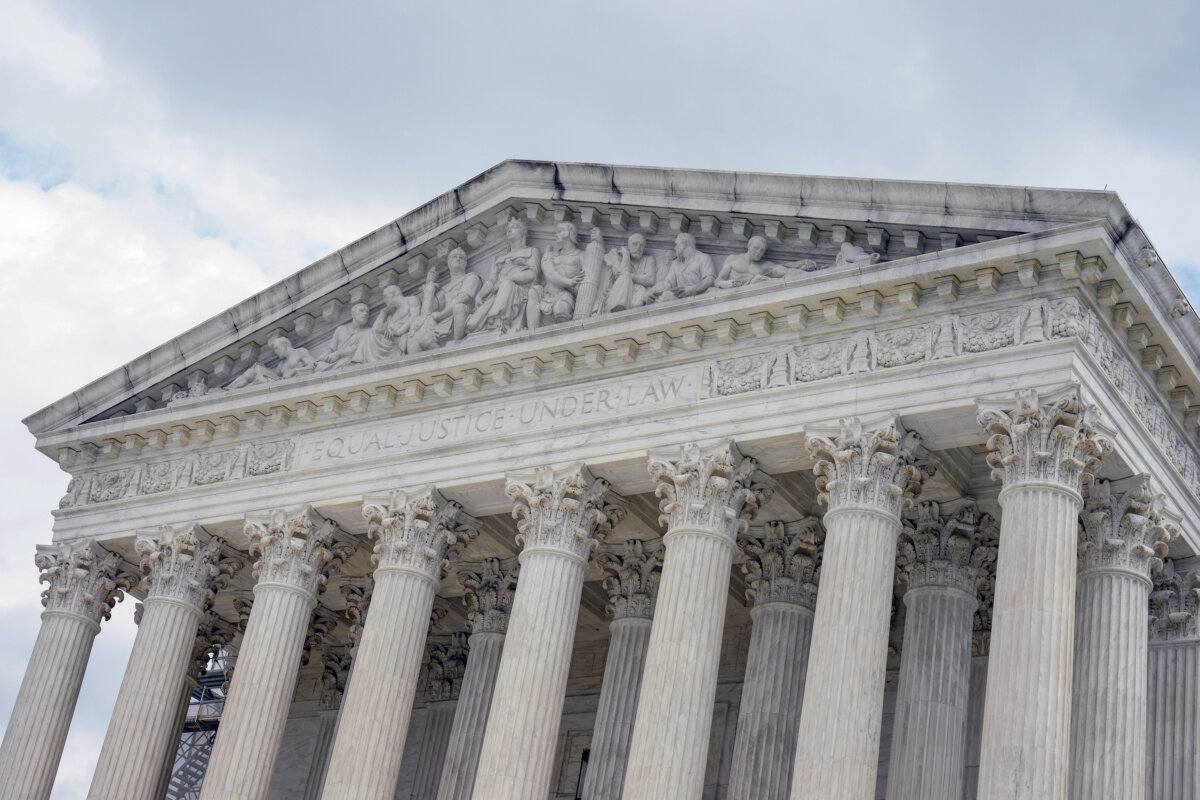

The Supreme Court is expected to end its term in June, meaning that a host of important decisions should be released in coming weeks. The justices have already released decisions in some high-profile cases but more about gender, Obamacare, and even nuclear power remain.
U.S. v. Skrmetti is perhaps the most hotly anticipated case as it focuses on states’ ability to ban “gender-affirming care” for minors. During oral argument in December, the justices seemed reluctant to outright say that Tennessee’s ban was unconstitutional, meaning that it could go back to an appeals court for further consideration.
What the justices say in the majority opinion could impact how courts handle gender-related cases in the future, as well as how states approach this issue. In a related case, Mahmoud v. Taylor, the court is expected to rule on whether schools violate parents’ right to religious free exercise when they teach students with controversial content about sexuality and gender.
The healthcare field could face some changes depending on how the court rules in two cases — one about Medicaid, and another about Obamacare.
Medina v. Planned Parenthood centers on South Carolina’s attempt to exclude the abortion provider from the state’s Medicaid program. The Supreme Court heard arguments earlier this year over whether the federal Medicaid Act created a right for low-income Americans to choose their providers, including Planned Parenthood.
A key Obamacare panel called the Preventive Services Task Force could be declared unconstitutional in Kennedy v. Braidwood Management, which involves questions about the nature of executive appointees.
Braidwood sought to avoid complying with the task force’s requirement that employers cover HIV prevention medication. The Supreme Court seemed skeptical of Braidwood’s arguments but the company won in a lower appellate court, which held the task force violated the Constitution’s appointments clause.
Pornography sites could face stricter regulation depending on how the Supreme Court views the judiciary’s role in analyzing age verification requirements like the ones passed by Texas. A porn industry group asked the Supreme Court to review the issue, stating that a lower court had failed to scrutinize Texas’ requirements enough when determining whether they violated the First Amendment.
Texas is embroiled in another Supreme Court case that’s focused on nuclear power. The state fought back after the Nuclear Regulatory Commission, a federal agency, licensed facilities in the Permian Basin to temporarily store nuclear waste.
In Nuclear Regulatory Commission v. Texas, the Supreme Court is expected to address whether the agency exceeded its authority under a law known as the Atomic Energy Act, which an appeals court said didn’t authorize this type of interim storage.
Outside of the states, foreign governments will likely be impacted by a case known as Smith and Wesson v. Mexico, as well as two others focused on the Palestinian Liberation Organization. In the first, the justices are tackling whether gun companies can be sued over violence committed by criminal cartels in Mexico.
In both that case and the Palestinian cases, the justices are wrestling with how to interpret federal statutes and the legal liabilities they create for entities like gun companies. During oral argument in the Palestinian cases, the Supreme Court seemed to lean toward upholding the Promoting Security and Justice for Victims of Terrorism Act, which empowers Americans harmed by terrorist attacks abroad to sue in U.S. courts.
—Sam Dorman and Matthew Vadum
BOOKMARKS
School choice in the Silver State, and potentially the rest of the nation, recently got a huge boost from a 9-year-old art prodigy with a 170 IQ, The Epoch Times’ Aaron Gifford reported. The student recently told the Nevada Assembly Ways and Means Committee that no school could accommodate her abilities—so instead, she is homeschooled.
Internet theories continue to swirl that a serial killer may be on the loose and active in New England following the discovery of 13 bodies and skeletal remains in Connecticut, Massachusetts, and Rhode Island between March and April, The Epoch Times’ Allan Stein reported. The only problem? Law enforcement officials say no such killer exists—even as online speculation is prompting police to invest greater resources into the claims.
Trump is asking the Supreme Court to intervene after a federal judge blocked his executive order aimed at preparing agencies for firings, The Epoch Times’ Sam Dorman reported. The administration says the order violates his broad powers over federal personnel decisions, and is seeking a green light from the nation’s highest court to move forward with planned “reductions in force.”
The European Union said on June 2 that it would make a strong case for tariff cuts with the United States this week, while also readying countermeasures should a deal be unreachable, The Epoch Times’ Guy Birchall reported. Brussels Trade Commissioner Maros Sefcovic is set to meet U.S. Trade Representative Jamieson Greer at a gathering in Paris on June 4.
 Friends Read Free
Copy
Facebook
Tweet
Friends Read Free
Copy
Facebook
Tweet