
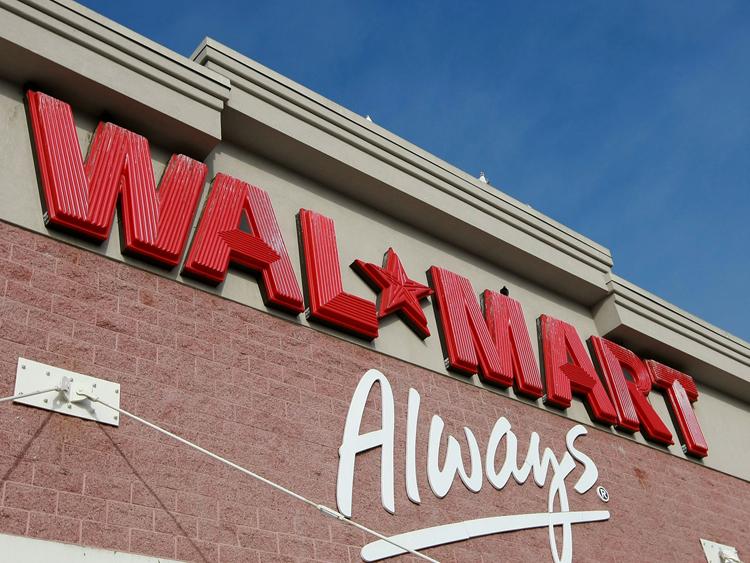
At a recent City Council hearing condemning Wal-Mart, protesters could be seen outside holding anti-“Ground Zero Mosque” signs in one hand and pro-Wal-Mart signs in the other.
While New York City is the biggest city in the country, it is the only major metropolis without a Wal-Mart. Are New Yorkers blessed or cursed? Depends on who you ask.
Last month, Wal-Mart made clear its most aggressive attempt yet to get into New York City, setting up a website and sending out mailers focused on winning over the city. Since then, the City Council has held two hearings focused on condemning Wal-Mart, saying that the world’s biggest company hurts small businesses and creates fewer and lower-paying jobs than the ones it takes away.
Wal-Mart did not accept an invitation to attend either hearing. Wal-Mart says that without a store actually in the city or a location even announced they did not see a reason to attend.
You can feel tension in the city air.
In fact, the whole discussion is over-hyped. While the City Council does have say on certain lots of land, there are others that Wal-Mart could move into with no special approval from the city required. In particular, there is a large commercial development in Brooklyn, where rumors are flying over the possibility of a new Wal-Mart.
The same liberties built into the foundations of our country that ensure the Ground Zero Mosque could move forward despite large scale protests are the same that ensure Wal-Mart can set up a store where it has a right to.
There are genuine issues raised for and against Wal-Mart, but to tackle them involves a shift in perspective. First, it must be recognized that it is not some foreign entity. We are Americans, this is our country, and this is a product of our country, like it or not.
Last year, New Yorkers spent more than $195 million at Wal-Mart stores outside the city. New Yorkers are the top metro market for Wal-Mart.com in the country—maybe because they don’t have their own store to go to. Also, many New Yorkers already commute outside the city to work at Wal-Mart stores located in surrounding areas. Wal-Mart is already part of New Yorkers’ lives.
If the City Council and other Wal-Mart foes want to really take on Wal-Mart, they need to address the underlying issues that span society rather than focusing all of their attention on Wal-Mart.
If Wal-Mart is destructive to small business, aren’t Target, Kmart, and Costco stores that are already in the city also destructive?
Are Wal-Mart’s wages really too low? It is easy to find lower paying jobs in the city, just check out the local McDonald’s.
To me, the scariest thing about Wal-Mart is the fact that it’s destroying the U.S. manufacturing sector with cheap products made in China, where a communist regime has its economic pedal to the metal and is rolling over its own people in the process. Yet, other big box stores carry the same China-made products. The City Council’s hearing should be on buying and supporting American-made goods, not on specifically condemning Wal-Mart.
Unwisely, Wal-Mart also views itself as a foreign entity—though it won’t tell you that. If it really thought of itself as a member of the community in New York City it would have showed up to the City Council hearings and, if nothing else, offered a kind ear to the concerned community. Not showing up was a mistake.
We’ll see if New York City will forgive them.
 Friends Read Free
Copy
Facebook
Tweet
Friends Read Free
Copy
Facebook
Tweet