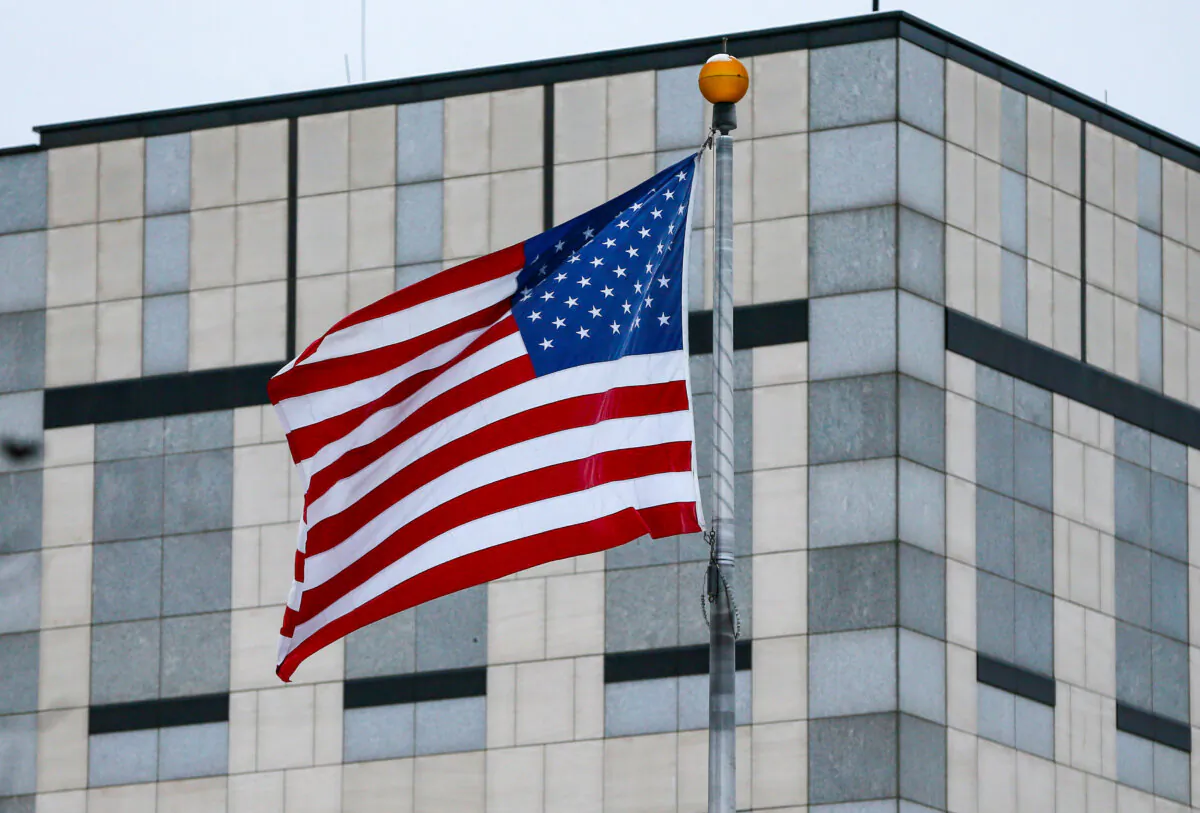

The U.S. Embassy in Iraq sent an alert on June 11 that non-emergency U.S. government personnel were ordered to leave the country because of “heightened regional tensions,” while the embassy in Israel said it is limiting government workers’ movement.
The embassy in Iraq also advised American citizens to “not travel to Iraq due to terrorism, kidnapping, armed conflict, civil unrest, and the U.S. government’s limited ability to provide emergency services to U.S. citizens in Iraq.”
Iraq, which is listed by the State Department as “Level 4–Do Not Travel,” can pose a high risk for U.S. citizens because “terrorist and insurgent groups regularly attack Iraqi security forces and civilians,” according to the bulletin, adding that anti-American militant groups also threaten Americans and international companies.
“Attacks using improvised explosive devices, indirect fire, and unmanned aerial vehicles occur in many areas, including major cities,” the bulletin reads.
“The Department of State requires U.S. government personnel in Iraq to live and work under strict security due to serious threats.”
The U.S. Embassy in Iraq did not specify why it issued the bulletin or why it ordered government workers to leave the country.
On June 12, the U.S. Embassy in Israel issued a security alert that restricted government staff and their families from leaving Tel Aviv, Jerusalem, and Be’er Sheva until further notice.
“In response to security incidents and without advance notice, the U.S. Embassy may further restrict or prohibit U.S. government employees and their family members from traveling to certain areas of Israel (including the Old City of Jerusalem) and the West Bank,” the bulletin reads.
Weighing in on the personnel moves, President Donald Trump told reporters on June 11 at a Kennedy Center event in Washington that “they are being moved out because it could be a dangerous place.”
“We’ll see what happens,” he said.
The president also said that Iran “cannot have a nuclear weapon” and the United States “won’t allow it” to happen.
Trump had set a two-month deadline for Iran to come to an agreement on its nuclear program, and the deadline expires this week.
Meanwhile, the UK government issued a warning to ships about higher tensions in the Middle East that “could lead to an escalation of military activity,” without offering specific details.
“Vessels are advised to transit the Arabian Gulf, Gulf of Oman and Straits of Hormuz with caution and are to report incidents or suspicious activity,” the statement reads.
Iranian officials have, at the same time, issued warnings that Tehran is prepared for any military scenario, according to reports in state-run media outlet Tasnim News.
A top Iranian general, Hossein Salami, was quoted by the outlet as saying: “The enemy sometimes threatens us with military action. … We have always said and we say today that we stand fully ready for any scenarios, situations, and circumstances.”
The general also said that Iran’s enemies shouldn’t make any misjudgments about its capabilities, reported Tasnim News.
“We are ready, and this is the reality we have been living with for years because being prepared for a war on any scale is our job and duty,” he was quoted as saying by Tasnim.
Iran also launched military drills on June 12, and Tasnim said that the country may increase its capacity to fire missiles.
The United Nations’ nuclear watchdog on June 12 stated that Iran is currently violating its nonproliferation obligations.
Iranian President Masoud Pezeshkian said that even if bombs destroyed the country’s nuclear facilities, they would be rebuilt, state media reported on June 12.
Reuters contributed to this report.
 Friends Read Free
Copy
Facebook
Tweet
Friends Read Free
Copy
Facebook
Tweet