Little known fact: the mountain people who live in the Ramapo mountains of New Jersey are the same mountain-folk (formerly known as “hillbillies”) who live in the fabled Smoky, Appalachian, and Blue Ridge mountains of the American South—it’s the same mountain range all the way up the East coast. It goes, roughly, Great Smoky, Appalachian, Blue Ridge, Alleghenies, Poconos, Ramapos, Berkshires, Catskills, Adirondacks.
In the same way that not all ghetto-dwellers are lawless, but some are, mountain culture lawlessness (born of the moonshine whiskey distillery era of the Great Depression) tends to pervade pockets all up and down the Eastern mountain range. In certain areas, meth and marijuana have replaced moonshine, but the guns and money are the same as they ever were.
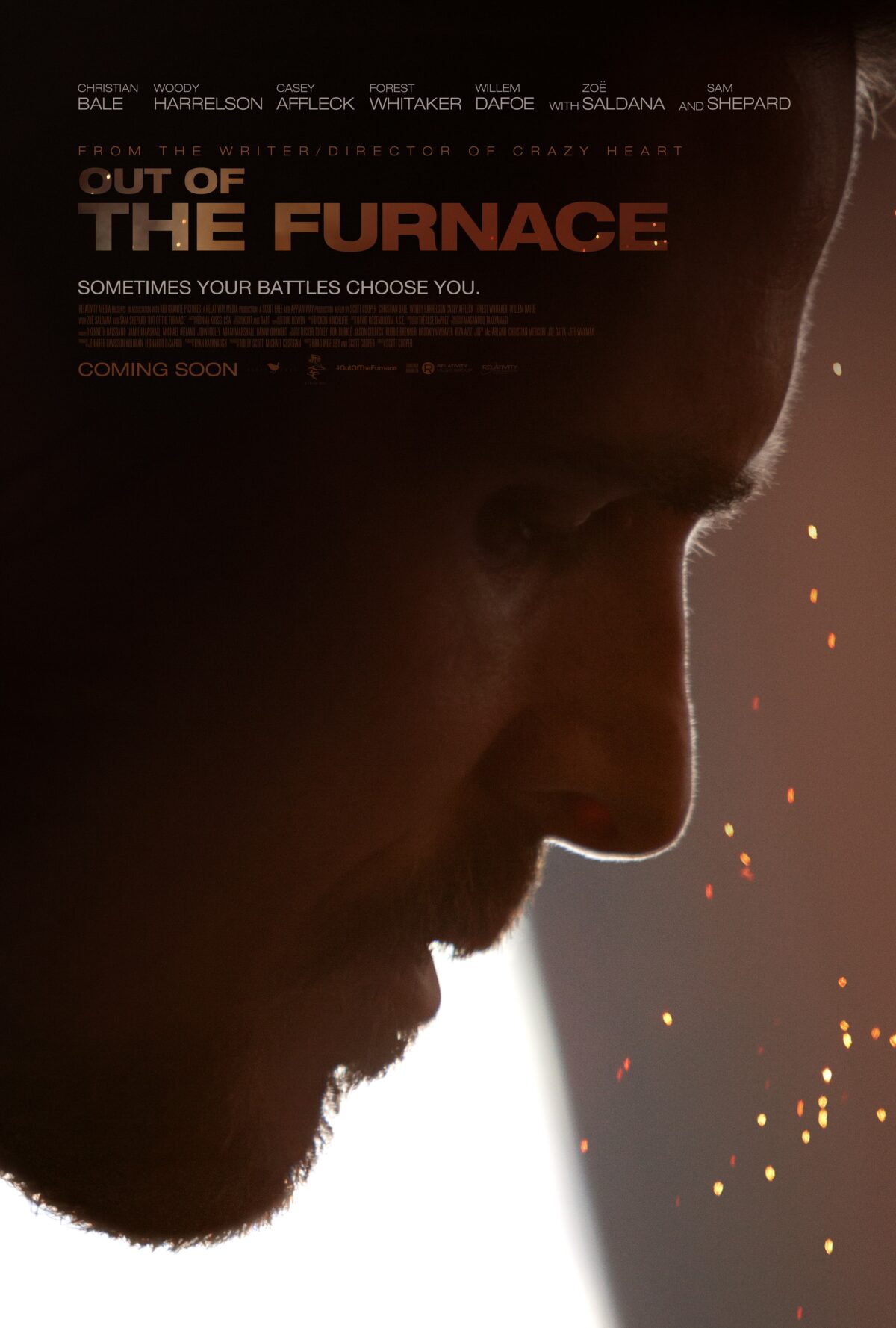
Out of the Furnace
Produced by Ridley Scott and Leonardo DiCaprio, “Out of the Furnace” is a well-told, if hyper-violent tale of U.S. rust-belt economic dire straits meeting mountain-culture decadence. Similar to Sean Penn’s “The Indian Runner,” it’s a story of two brothers; one upstanding, the other damaged by war (and descending into madness) and the brotherly love and hard luck they share.
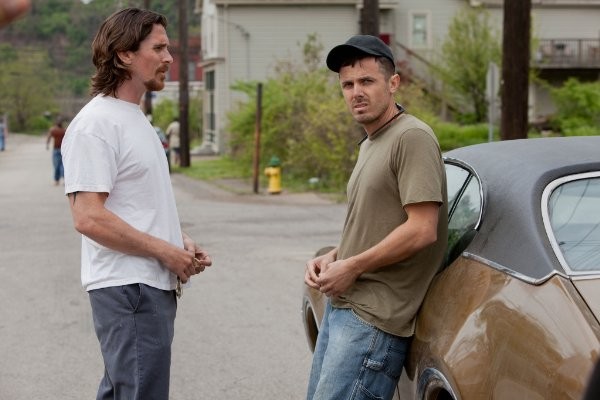
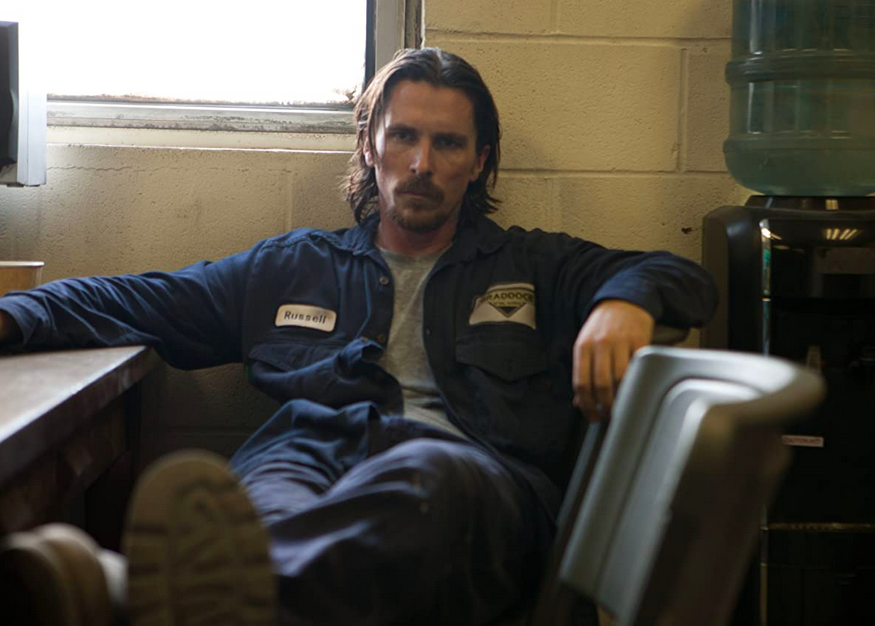
Brothers Russell and Rodney Baze (Christian Bale and Casey Affleck) live in Braddock, Pennsylvania, where the elder Russell works at the Carrie Furnace, a steel mill (hence the title). Millwork put their father on his deathbed, but Russell’s content to work there and make plans with his beautiful girlfriend Lena Taylor (Zoe Saldana of “Avatar”).
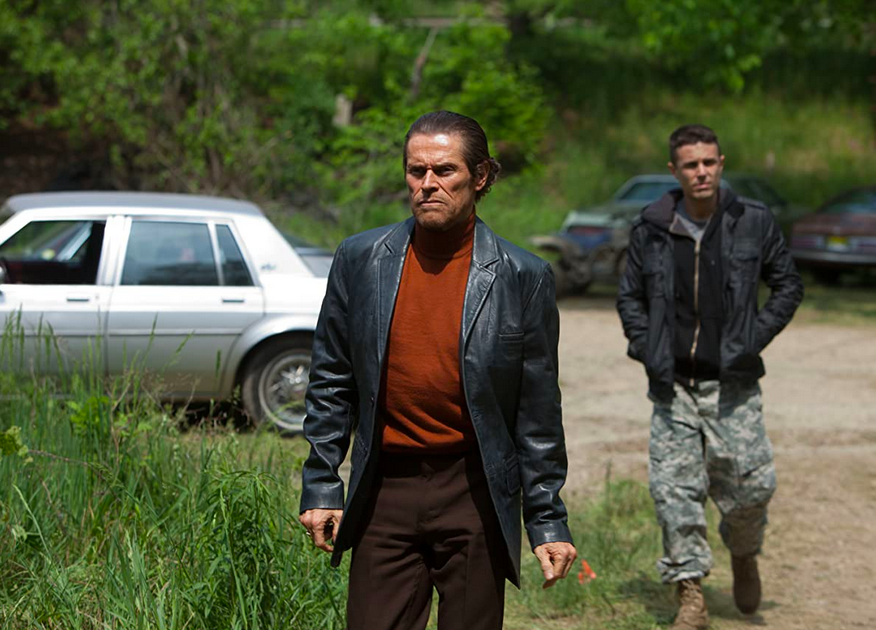
Younger brother Rodney’s a soldier, back from a third tour in Iraq. His PTSD manifests in compulsive gambling and a berserker refusal to keep promises on the pre-planned dives (losing on purpose) of the illegal, corrupt, backwoods bare-knuckle fighting to which he’s turned to pay his debts. His bar tabs and betting tabs are rapidly rising. He’s in debt, big time, to his fight-manager and bar-owner John Petty (a pony-tailed Willem Dafoe). What’s Rodney’s next move?
Go North, Young Man
Rodney’s answer is to take a big fight up north in the Ramapo Mountains, whose turf is overseen by drug manufacturing, backwoods fight-club overlord Harlan DeGroat (Woody Harrelson, about as mean, dangerous, and far from “Cheers” as you never thought possible).
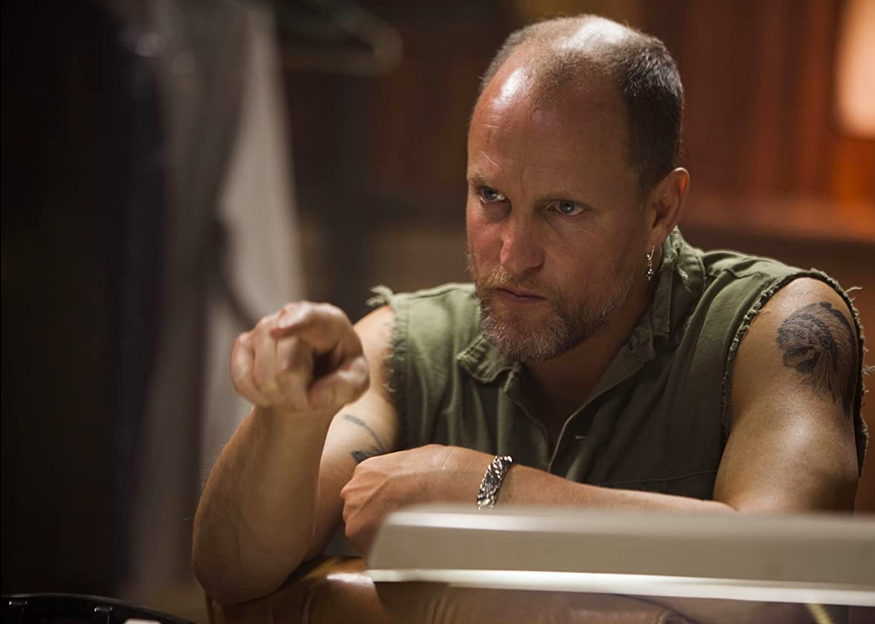
Rodney owes Petty, and Petty owes DeGroat, except Petty, luckily for Rodney, has an avuncular soul. Within DeGroat’s soul, however, squats a demon of mercilessness—chances are, DeGroat won’t even make it into hell; his name shall most likely be biblically blotted out of the Book of Life.
Similar to “Gone Baby Gone,” “Mystic River,” “A Place Beyond the Pines,” and even “Blue Velvet,” the film “Out of the Furnace” explores the festering underside of American moral depravity, while rounded by the beauty of American woodlands, and, in a certain sense, cozy communities. It’s a dark tale of revenge containing staggering scenes of great sadness.
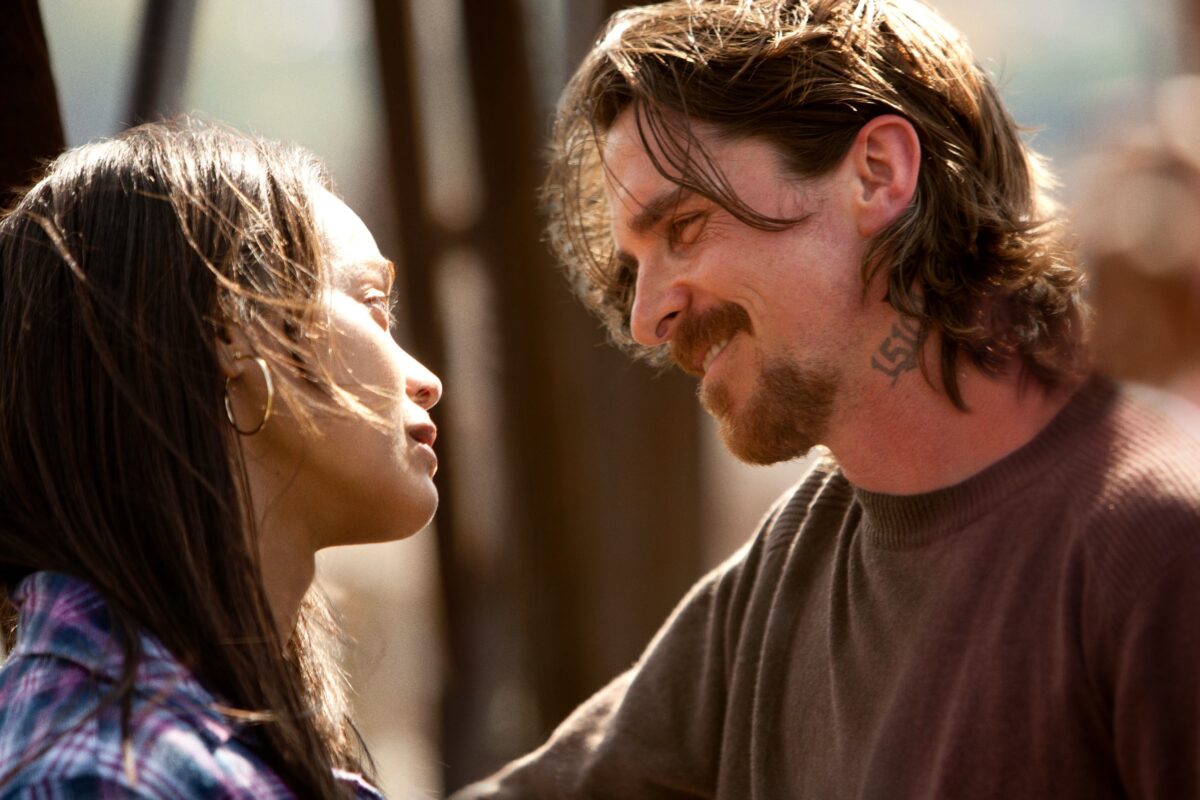
One such scene is Russell coming home from four years of prison (due to killing a child while drunk driving) and visiting Lena at the kindergarten where she works. She tells him of another man she now fully, inescapably, and devastatingly, belongs to. But her heart still utterly belongs to Russell, who was ripped away. Both actors thoroughly manifest this complex combination of love, crippling loss, and profound sadness.
America’s Sadness
Likewise profoundly sad is Rodney’s shattering, out-of-the-blue descriptions of war atrocities he’s experienced. We glimpse inside the door of his daily personal hell. There should have been an Oscar nomination for Casey Affleck.
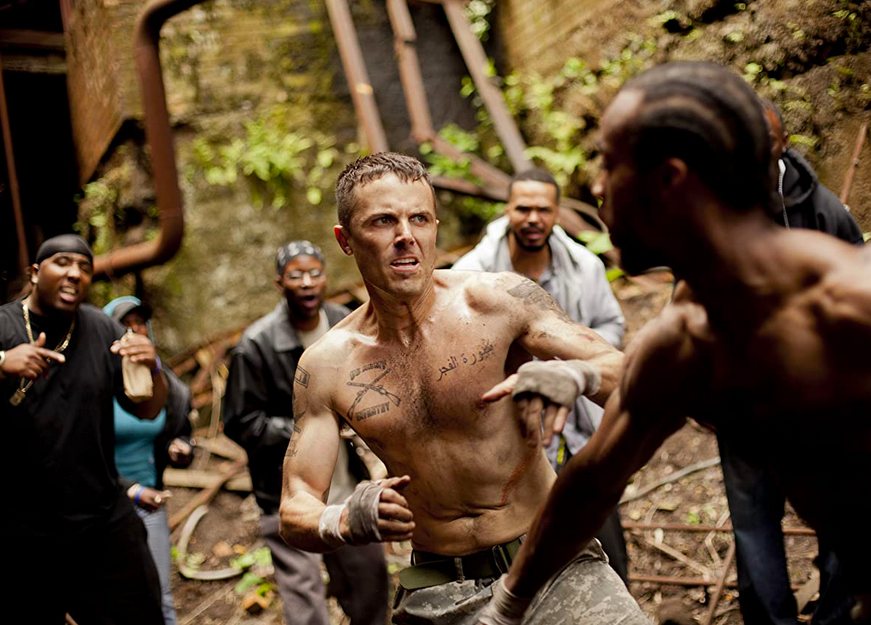
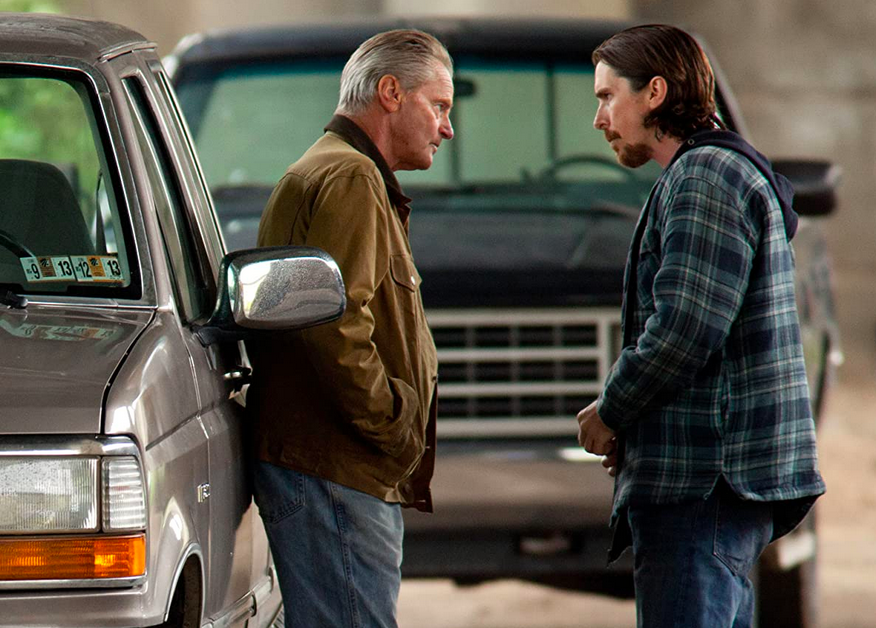
In one particularly vivid sequence, DeGroat’s unjustified beating of Rodney is cross-cut with shots of Russell and his dad (Sam Shepard) skinning a moose. Scenes of meth addicts in abandoned homes remind us that, while “exotic” compared to Russell’s lonely blue-collar gloom, we have a wide range of low-income sadness in America.
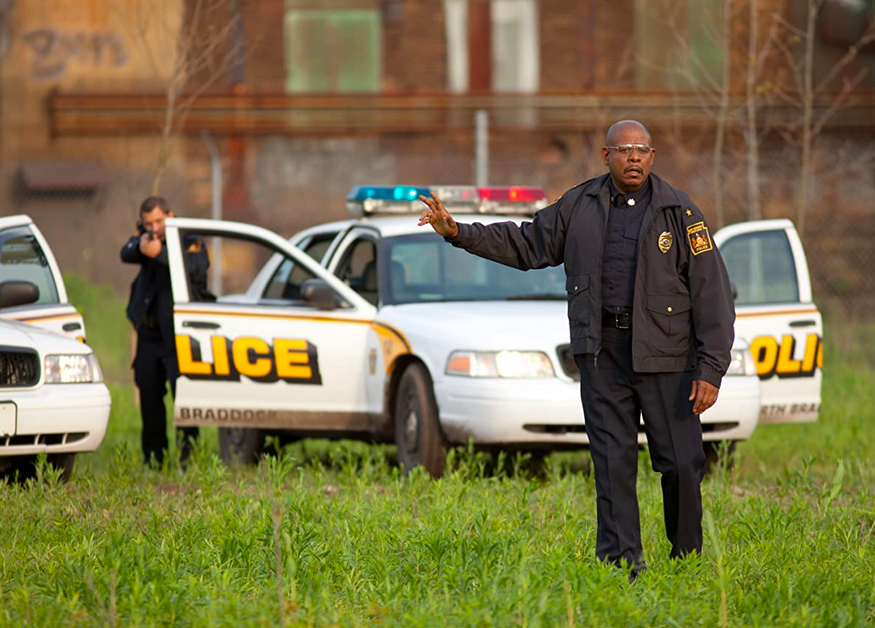
Forest Whitaker, in a small cop role, shows why he’s a character actor’s character actor. Compare this role to the one he played in “The Butler,” and you’ll appreciate the craft.
Most Eerily Impressive Scene
In search of Rodney who’s gone missing, Russell tries to sneak up on the mountain drug-community. It’s nighttime. ATVs and muscle cars abound, which are parked beside a neon-lit convenient store. Neck tattoos are in abundance. Russell sidles up to a local, highly suspicious teenager’s cherry-red Chevelle, and, in the time-honored American male ritual of standing around and paying homage to horsepower enhancement-work, takes note of, and compliments said teen’s engine upgrades. Danger hangs, invisibly, like the voltage in a maximum-security electric fence.
It’s ironic to note that in these traditionally deeply racist mountain enclaves, the sideways-worn ball-caps and pants-on-the-ground fashions of hip-hop and gangland culture—not to mention the gangsta rap pounding their car stereos—have snuck in the back door, and the inhabitants are unaware of the infiltration. It’s not surprising though, as both of these predominantly white and predominantly black communities, respectively, share the sad, limited life options of selling drugs, the military (as in a job of chipping paint all day, all week, on Navy destroyers rather than, say, exciting Naval special warfare) and of prison. They’re unified in thug life, after all.
While “Out of the Furnace” is riveting due to being chock full of actor’s actors, director Cooper paints a particularly grim picture. But if it did nothing else than rub America’s nose in the abominable treatment of soldiers coming home from war, it would more than justify itself.
‘Out of the Furnace’
Director: Scott Cooper
Starring: Christian Bale, Woody Harrelson, Casey Affleck, Willem Dafoe, Zoe Saldana, Forest Whitaker, Sam Shepard
Running Time: 1 hour, 56 minutes
MPAA Rating: R
Release Date: Dec. 6, 2013
3.5 stars out of 5