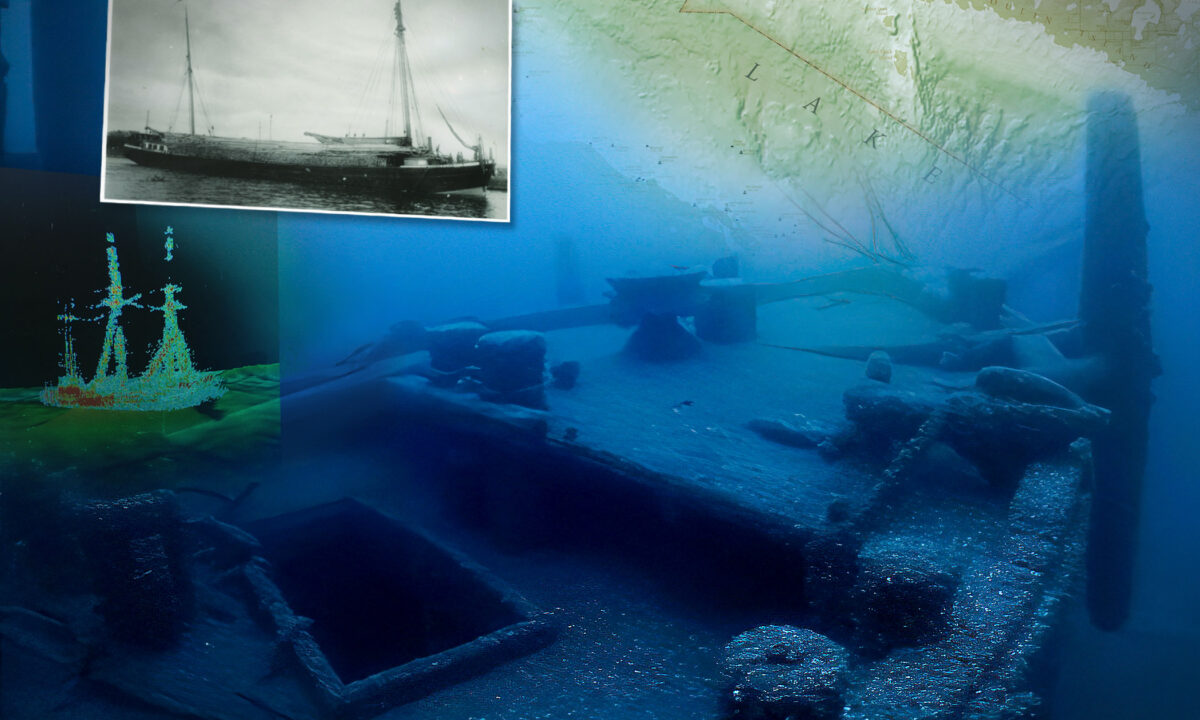
It was well past midnight when frenzied crew members of two wooden vessels abandoned ship. The Ironton and Ohio had collided north of Presque Isle Lighthouse up on Lake Huron, leaving a gaping 12-foot gash in Ohio’s hull. Ironton sustained a hole in her port bow and a splintered stem for having struck Ohio on her quarter, aft her boiler house, according to one survivor. Above the chaos on the water, it was a clear September night in 1894.
Heavily laden with cargo, both ships were sinking—and fast. The crews knew it. All those on the Ohio got in lifeboats, yet only two of Ironton’s seven crewmembers survived. They clung to wreckage amid the frigid lake waters, until nearby ships got them. Fatefully, the other five had gotten in a lifeboat but, in their haste, had forgotten to untie the painter—the line connecting them to the mother vessel—and all were plunged, along with the ship, into a dark, watery grave.
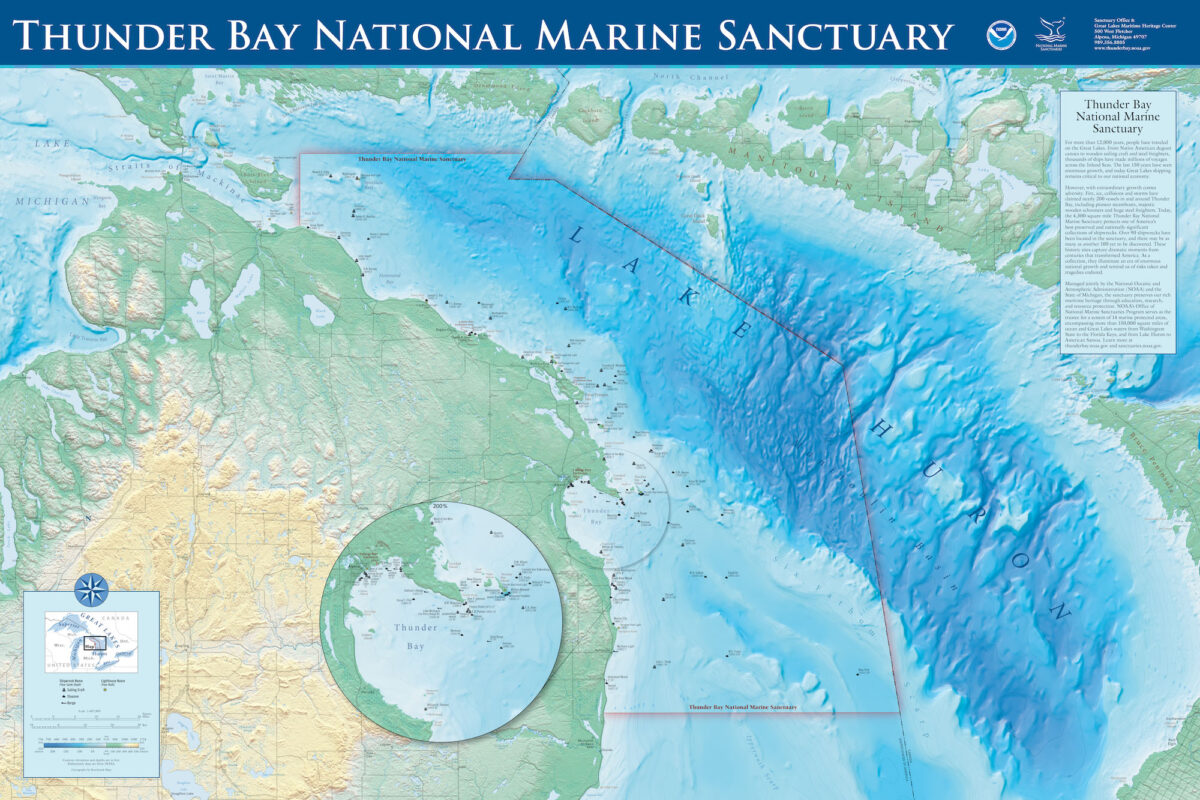
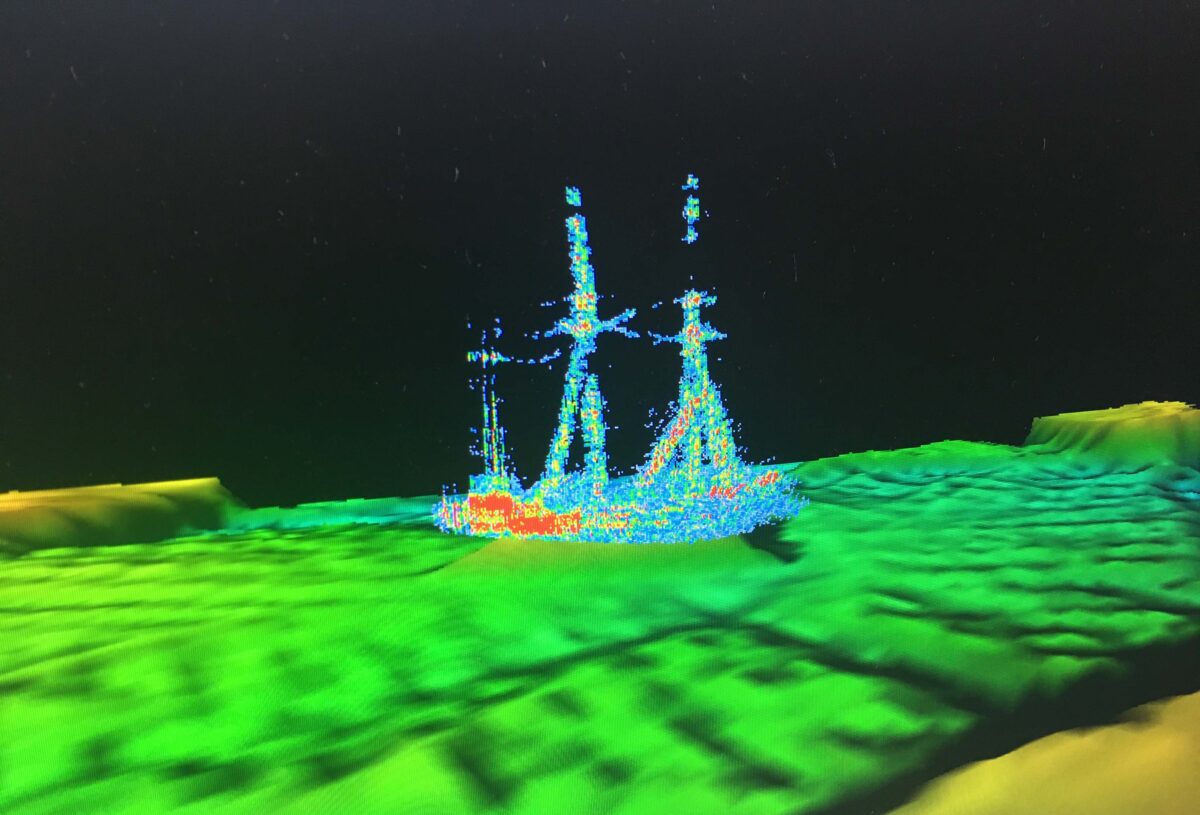
With depths of around 300 feet, no humans would lay eyes on Ironton for well over a century, until the advent of autonomous mapping vehicles finally saw the shipwreck’s discovery. It was the self-driving, diesel-powered, 12-foot boat BEN—Bathymetric Explorer and Navigator—in 2019 that enabled research teams to locate Ironton after a previous search fell short. That one was in 2017; Thunder Bay National Marine Sanctuary and partners had surveyed a 100-square-mile unmapped section of Lake Huron and had managed to locate the Ohio, yet Ironton’s final resting place remained a mystery.
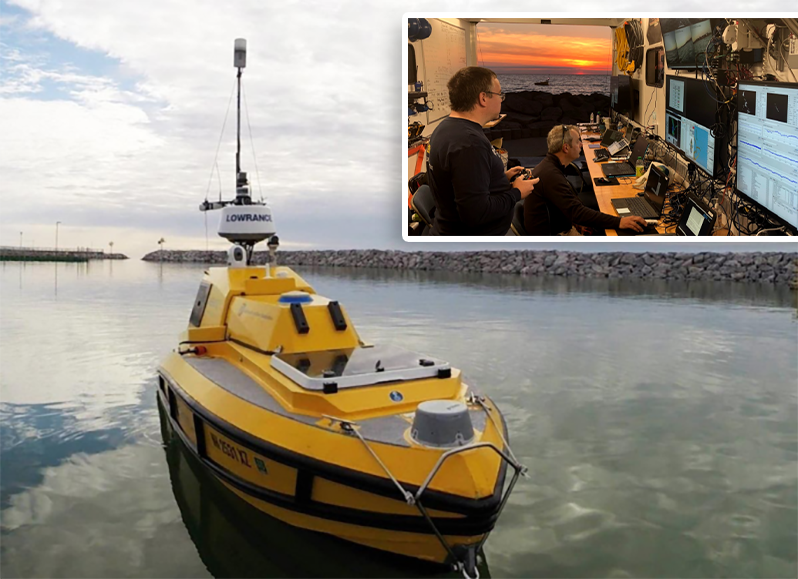
In 2019, the Marine Sanctuary teamed up with Ocean Exploration Trust—headed by Dr. Robert Ballard, who famously explored the shipwrecked Titanic in 1985—and together they expanded on the quest for Ironton. Now armed with the Ohio’s location plus new info related to the weather and conditions of that fateful night, they deployed BEN along with Remote Vehicle Storm to work in tandem mapping the lake bed.
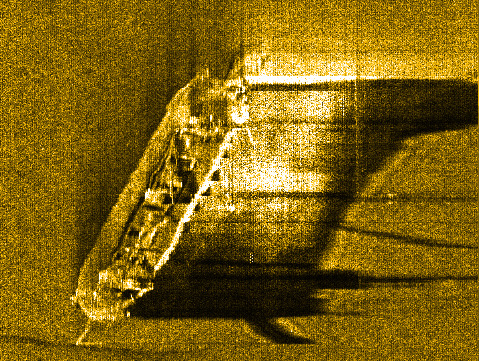
After surveying a large section, as the last days of the search drew near, still the ship remained at large. Expanding the search area, their persistence was rewarded when, through sonar digital imaging, they feasted their eyes on the unmistakable suggestion of a shipwreck that matched Ironton’s specifications to a tee. The 191-foot steamer sailboat had settled perfectly upright, her three masts jutting vertically skyward, while Lake Huron’s cold, fresh waters had preserved Ironton as if frozen in time, a March press release stated. Although the wreck’s identity seemed beyond certain, more effort was needed to remove all doubt.
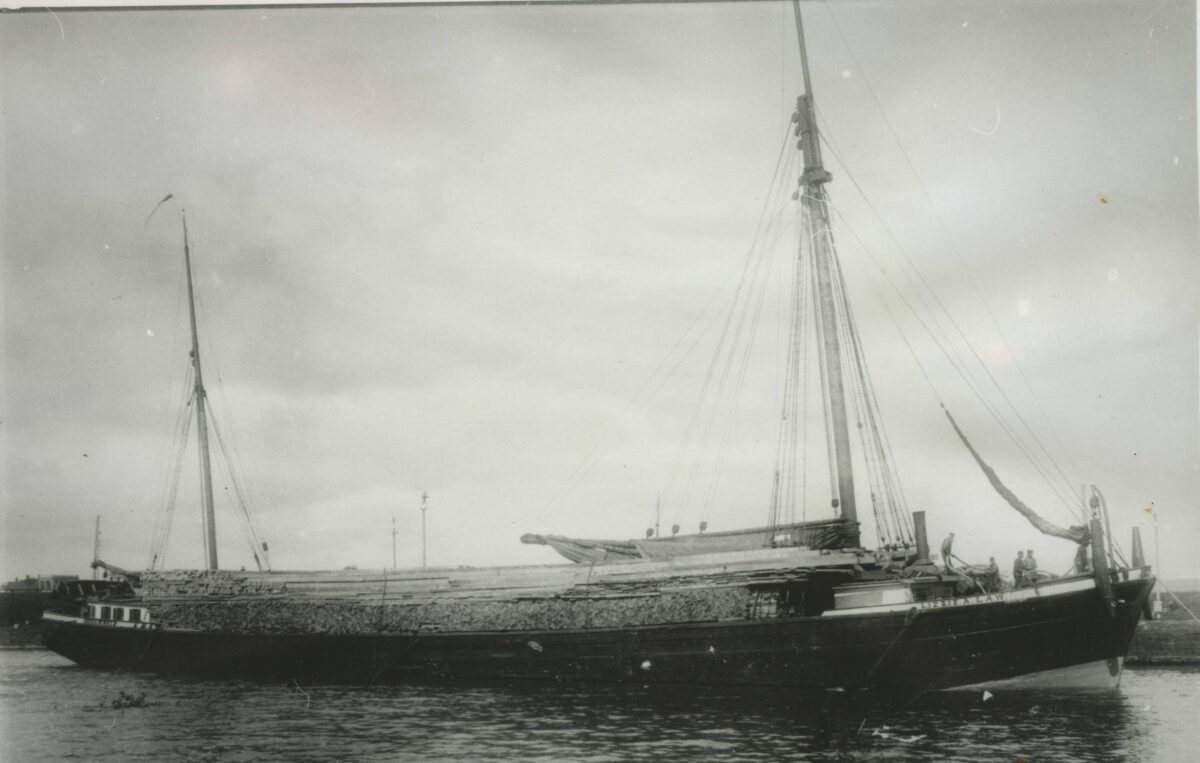
In her day, Ironton was one of numerous wooden schooner barges that once traversed the Great Lakes in the late 19th century. These were the workhorses of the region’s wheat, coal, corn, lumber, and iron ore trades of the day. Employing the “consort system,” steamers towed one or several such schooner barges, allowing companies to ship greater volumes of cargo throughout the Great Lakes at lower cost. They were the steam-powered shipping precursors to the mechanized transportation systems of today, bridging the gap between wind- and fuel-powered industry.
Schooner barges were either converted sailing vessels or were purpose-built for the task, as their being equipped with sails helped save on fuel for the vessels that towed them. Ironton was built as a towed schooner barge by the Niagara River Transportation Company in 1873.
On September 26, 1894, alongside barge Moonlight, Ironton was in tow behind 190-foot steamer Charles J. Kershaw up what fatefully came to be called “shipwreck alley,” for its treacherous waters that have claimed the lives of so many sailors. Heading northbound under clear skies at 12:30 a.m., Kershaw’s engines failed, leaving her without power while a strong southerly wind sent both barges closing in dangerously.
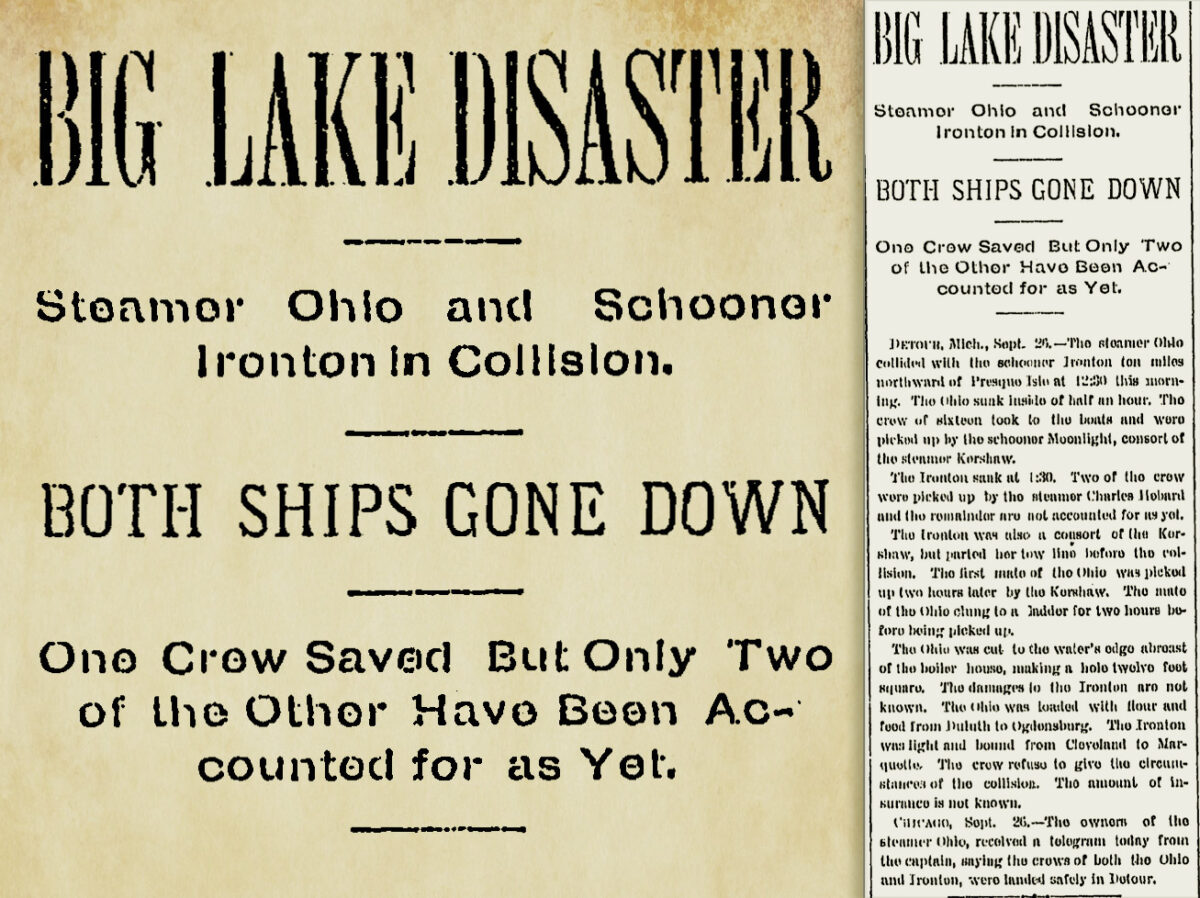
Kershaw’s crew had to cut the tow lines to prevent entanglement or, worse, collision, releasing both Moonlight and Ironton adrift in darkness, at the mercy of Huron’s wind-blown seas. Struggling to gain control, Ironton’s captain, Peter Girard, tried to set the sails but, despite his efforts, she was driven off course by strong winds from astern. Ironton headed straight into the path of the 203-foot wooden freighter Ohio, en route from Duluth, Minnesota, to Ogdensburg, New York, carrying 1,000 tons of grain, and couldn’t avoid a collision—by the time Ironton’s crew saw her, it was too late.
One of Ironton’s two survivors, William Wooley of Cleveland, Ohio, would recount to Duluth News Tribune: “At this time we sighted a steamer on our starboard bow. She came up across our bow and we struck her on the quarter about aft of the boiler house. A light was lowered over our bow and we saw a hole in our port bow and our stem splintered.”
Heavily laden with cargo, the Ohio sank rapidly. Ironton followed suit but drifted for about an hour and was well out of sight from responding ships before she met her fate. While all 16 crewmembers of the Ohio were rescued by nearby vessels, only two of Ironton’s sailors lived. They were found clinging to wreckage and rescued amid cold wind and waves from Lake Huron.
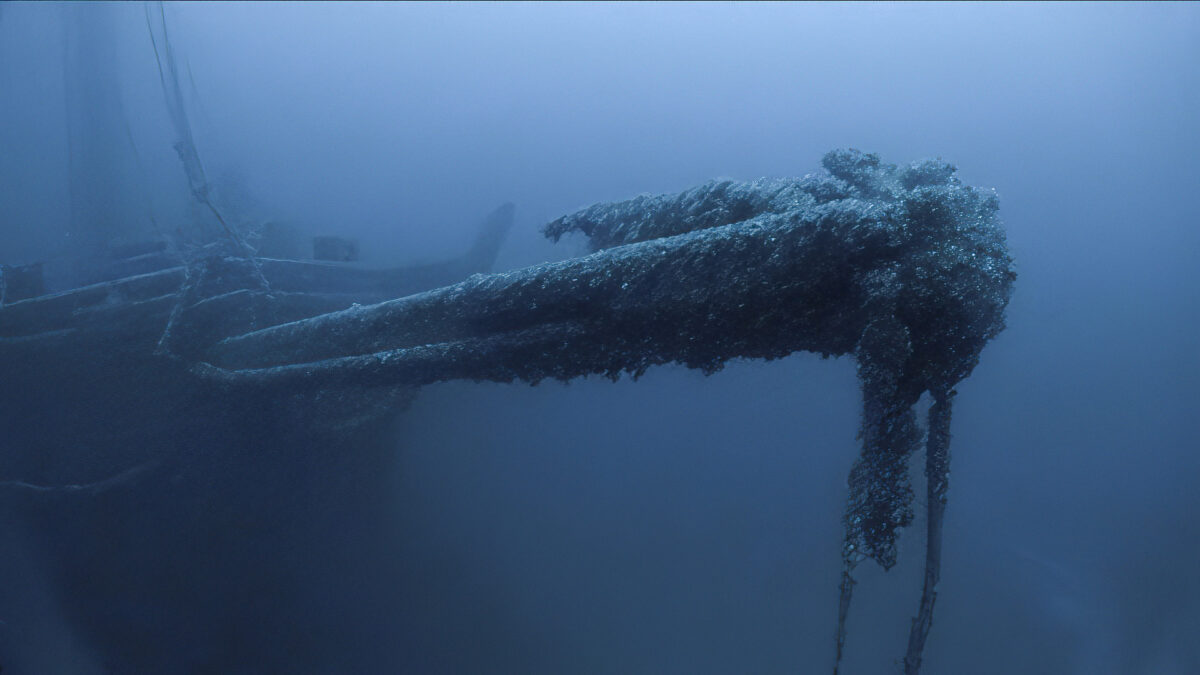
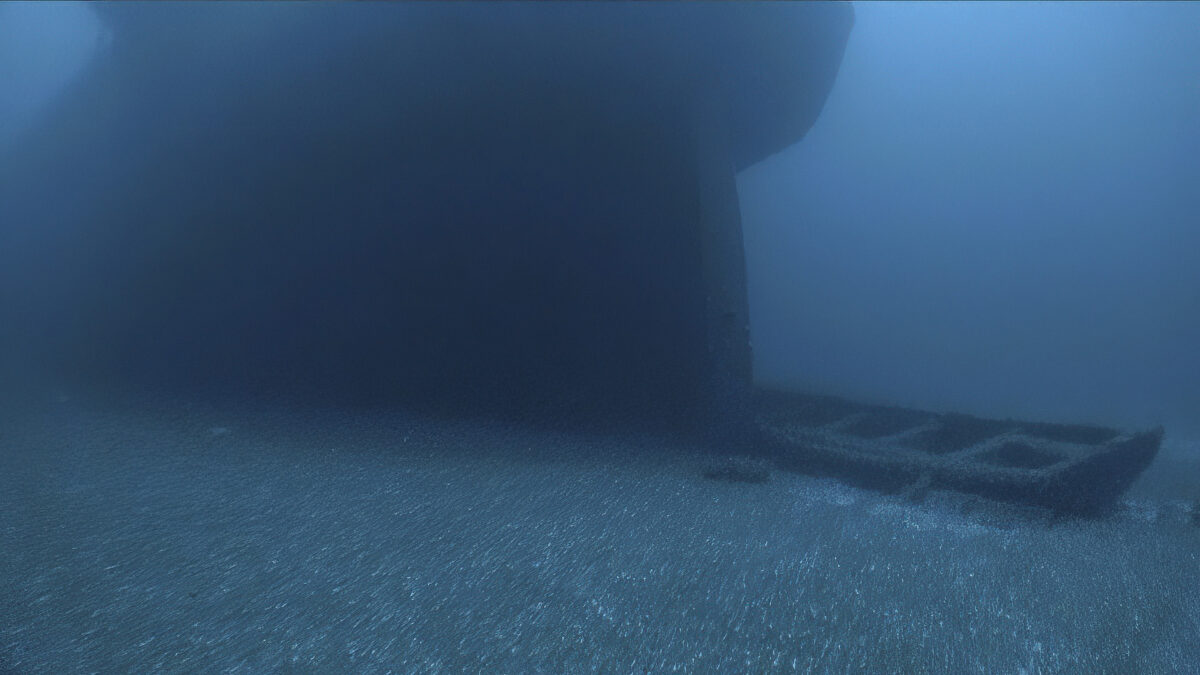
As for the five who sank with the ship due to a lifeboat mishap, survivor William W. Parry of East China, Michigan, told the newspaper: “Then the Ironton sank, taking the yawl with her. As the painter was not untied, I sank underwater, and when I came up grabbed a sailor’s bag. Wooley was a short distance from me on a box. I swam to where he was.”
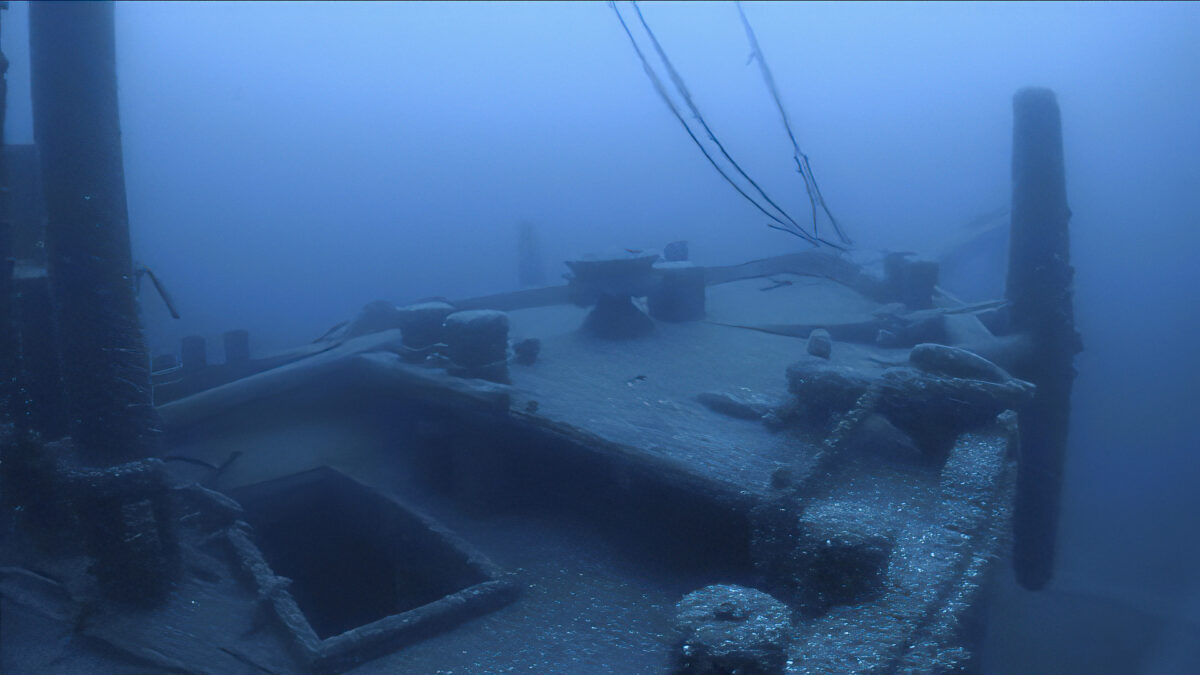
So it was, that Ironton rested in peace for a century and some decades. Contemporary reports described the general location where she sank, yet only recently was she found. Only in the spring of 2021 was her identity demystified—beyond any doubt—when the Marine Sanctuary teamed up with the Great Lakes Water Studies Institute, deployed an underwater robot (ROV), and obtained visual confirmation. With excitement, they watched as footage from the ROV streamed in—Ironton was found!
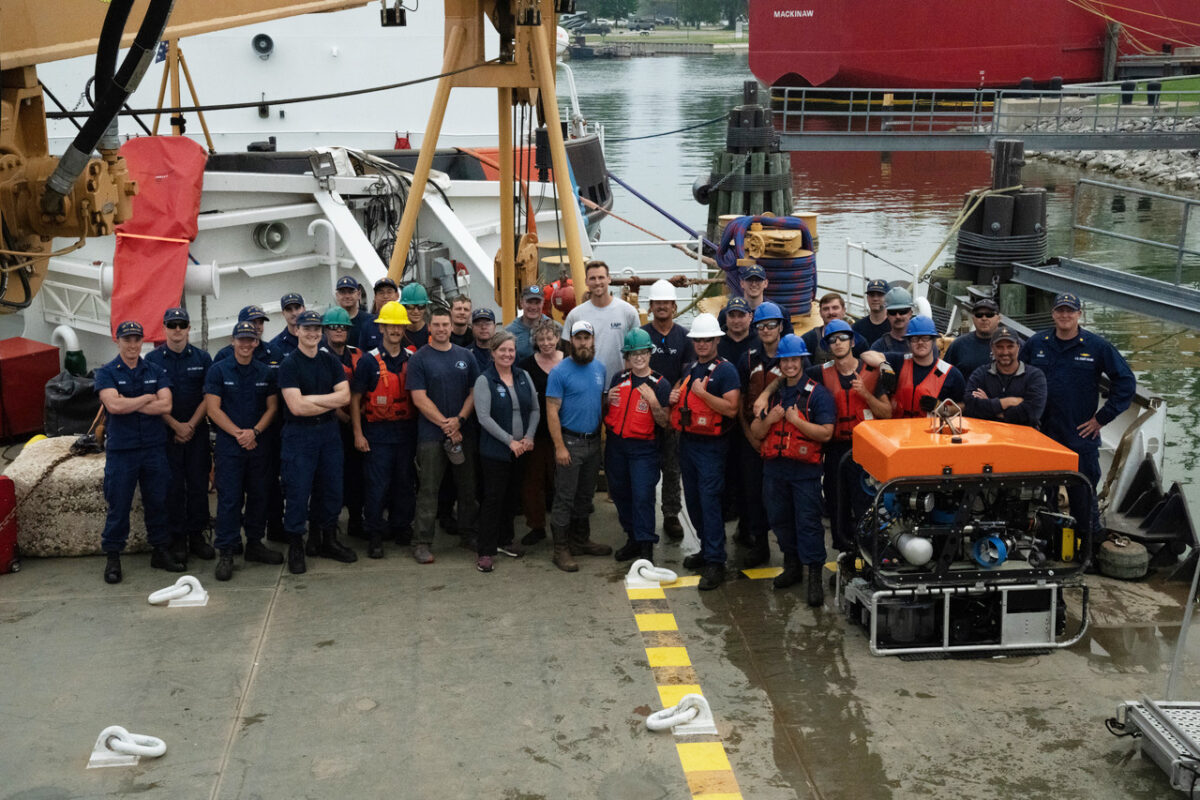
In June 2021, the Marine Sanctuary and Ocean Exploration Trust returned to the wreck to conduct further investigation. ROV exploration continued and—with assistance from the University of North Carolina’s Undersea Vehicle program and the U.S. Coast Guard cutter Mobile Bay—they obtained high-resolution video revealing the ship’s condition. Preserved by Lake Huron’s cold, fresh waters, Ironton looks almost seaworthy today.
Share your stories with us at emg.inspired@epochtimes.com, and continue to get your daily dose of inspiration by signing up for the Inspired newsletter at TheEpochTimes.com/newsletter