




Even big corporations are beginning to understand that giving is profitable, both because it’s the right thing to do, and frankly, because it’s good business. Everyone benefits—employees, customers, and the bottom line.
Bea Boccalandro, author of Do Good at Work: How Simple Acts of Social Purpose Drive Success and Wellbeing, has spent decades researching the impact doing good has on employees and business. Bea says studies show that “Those who feel their work does some good for the world have increased employee engagement—meaning they put more effort into their work—as well as increased productivity and retention.” At the Canadian company Manulife Financial, an internal study discovered that employees who felt like they were helping others as a part of their workweek had 60 percent less turnover than those who didn’t. Research even finds that people are more creative and more optimistic if they feel like they’re working for something larger than themselves.
Companies ignore this reality at their own risk. Brands that don’t take giving seriously can count on their employees being de-motivated. “They’ll underperform, they’ll be dissatisfied, they’ll be disengaged, they’ll have higher turnover, and they’ll sell less,” Bea said. “And, by the way, they’ll probably steal some supplies too.”
It’s well known in the corporate world that consumers feel more positive about their buying experience when they know that at least a part of the purchase price is going to a good cause and is having a positive impact. Sometimes, like with the sock company Bombas, giving is in the form of donating the company’s product to those who need it most. For every purchase, Bombas donates an item on the purchaser’s behalf. Since its founding in 2013, the company has given away more than fifty million items to over 3,500 community organizations. And that’s just one of thousands of examples of corporate America giving back. For other companies, it’s everything from lowering their carbon footprint, to supporting health and educational services, to helping veterans reenter the civilian workforce.
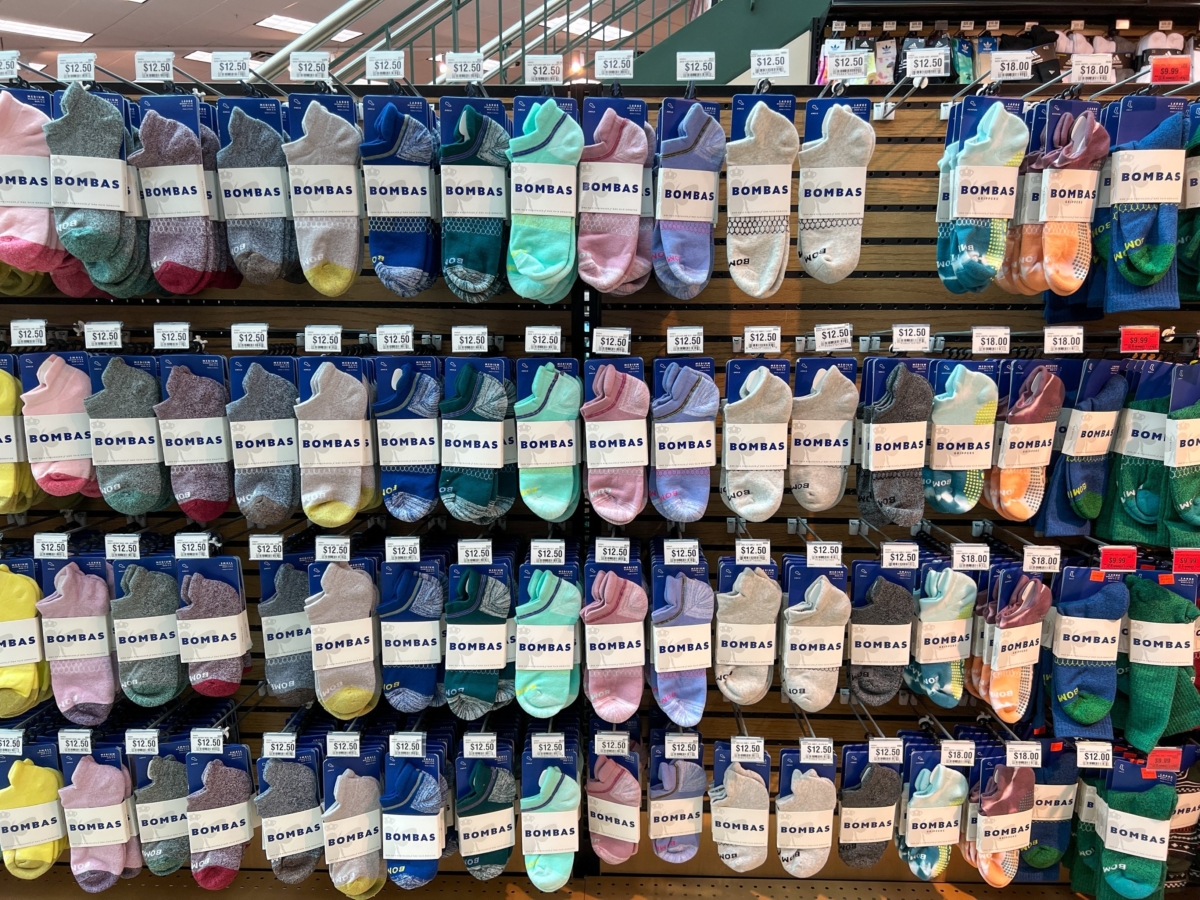
Companies find that connecting their products and services to their Generosity Purpose actually enhances their bottom line. Customers and clients will actually pay more to align with a cause they believe in. Imagine an issue you feel passionate about. Wouldn’t you be more likely to purchase a product or service from a company that was putting its own dollars toward those same goals?
In a client retention study, one of Bea’s clients emailed half of its customer base informing the group of the environmental efforts the company was making. The company used solar panels, had stations available for recharging electric vehicles for employees and customers, and even had its own garden. The study found that compared to the half who did not receive the email, the group made aware of the company’s environmental efforts purchased significantly more of that company’s product. So much more, in fact, that at first the client questioned the accuracy of the data.
Would you be surprised to know there is also a biological component at work here? According to Bea, researchers found that “if you look at a regular ad, selling you … a car [for example], and it has nothing to do with any societal cause out there, you respond a certain way, just biologically. If that same ad helps … the US Olympic team or puppies or Save the Whales or some societal cause, the way we react to that ad, biologically, what happens in our brain cells, is similar to gazing into the eyes of someone we love.”
In other words, corporate philanthropy is good business. I take these lessons personally because I believe the dynamic of people wanting to work with people and businesses who give was a major reason for the success I had as an investment advisor. I knew full well that people could invest their hard-earned money with any number of professionals, so I came to realize they chose me for two reasons.
First, I seemed to know what I was doing to help them make money and reach their goals, which was made clear by the performance of their investments.
And second, and at least as important, quite often they liked feeling part of something bigger than themselves, bigger than just seeing the value of their investments grow.
My wife, Kara, and I happen to be passionate about education, so we support our local schools, and a lot of people liked that. I encouraged my clients to get involved in their own communities, and they liked that too. If people felt smart about having an experienced financial advisor helping them manage their money, they felt even smarter if at the same time, they were helping the community where they lived and worked.

Bea sums it up well: “When people perceive you as a giver, they perceive you as someone who cares about the community,” she writes. “They’re more likely to trust you, and it causes stickier relationships because they don’t just work with you; now they work with you and the causes you’re a part of, which become a big part of what’s important to them.”
Listen to me. A person can buy anything—a pair of socks, a new couch, or a new house—from any number of sources, but how will you at the same time make people’s lives better? One way to do that, which dramatically worked for my business, is by saying, “Look, I’m either going to support certain local causes with my business, or when you become a client of mine, I will donate a portion of revenue I receive either to a cause you select or one we’re both passionate about.” Most people want to be part of something bigger than themselves even if it’s just buying a pair of socks or a piece of furniture; they want to know that one purchase with their money made a difference in the world.
The beauty of good money is that we’re pairing purpose with profits. We’re putting meaning into money, and by giving more, you’re going to be attracting more people who want to work with you. You’re going to make more money, so you can give more money.
Drew Holcomb, with his wife, Ellie, made Drew Holcomb and the Neighbors into one of the country’s best-known Americana bands. They have a terrific, unique sound, but they consider themselves much more than a musical group; their music is also a way to spread a message of giving. “I definitely think financial success is a reputable goal in any sort of enterprise,” Drew told me. “But it can’t be the only goal, or else it can be unsatisfying.” He also said, “As long as you see money as a tool for creating opportunities for generosity and for fun and for taking care of people, then I think, you know obviously, [financial] success is a good thing.”
Often at his concerts, Drew announces a local charity and urges his audience to support it. On stage, he talks about the importance of a giving heart, even crediting that spirit for the success of his band. “I’ve found, as we’ve built our team over the years, if we can sort of lead with generosity in the way we pay people or how we take care of people, then typically everybody works harder and the enterprise grows naturally. And the times that I’ve been the most tight with money is when … you get less buy-in from your team.”
It pays—literally—to be generous. This is the untold secret to making money—using it to fuel your Generosity Purpose.
You’re ready to start earning with purpose, giving to causes you believe in, and living a meaningful life. I want to introduce you to the 7-Step Good Money Framework so you can earn more, save more, and give more than you ever thought possible.
(To be continued…)
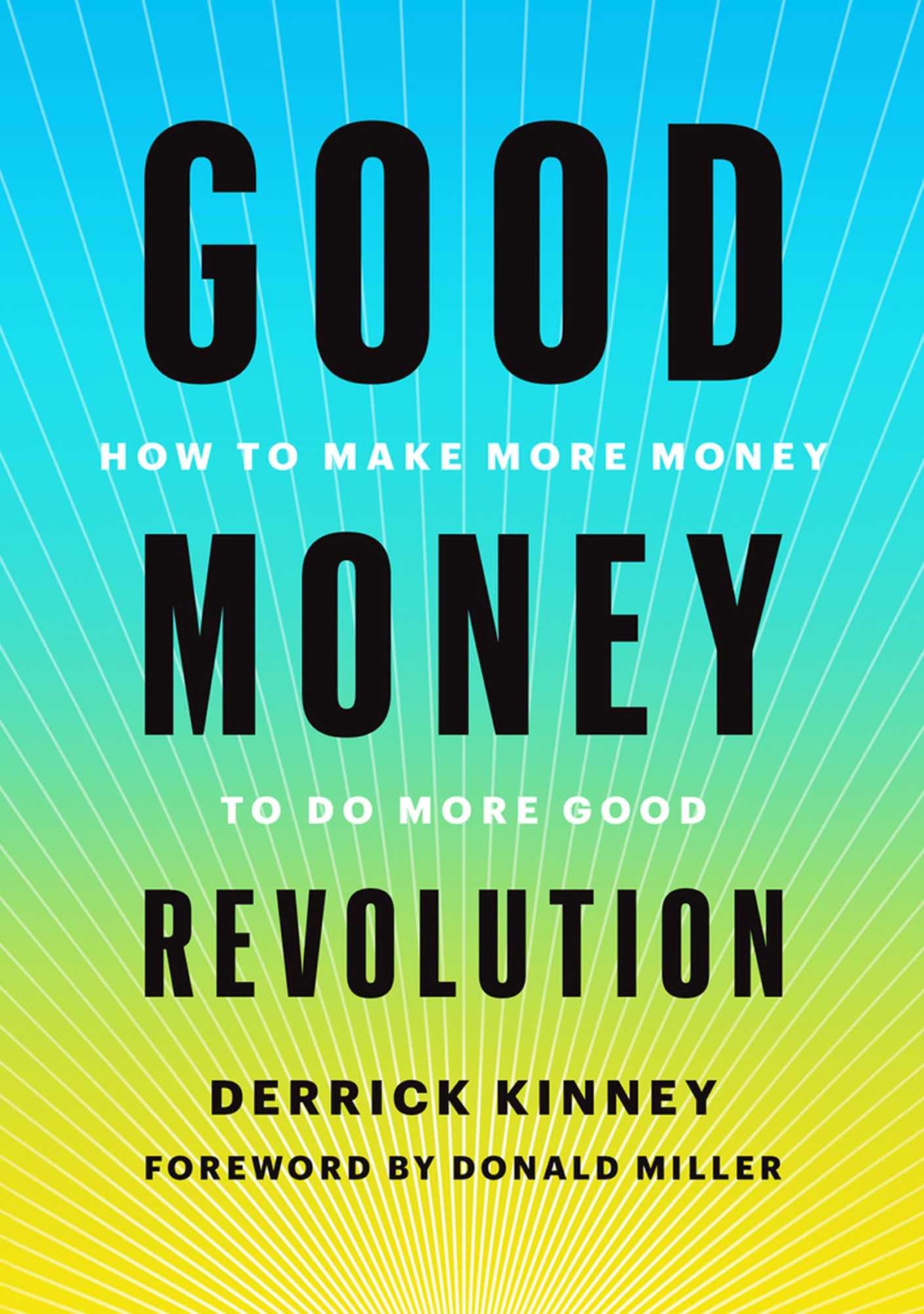
This excerpt is taken from “Good Money Revolution: How to Make More Money to Do More Good” by Derrick Kinney.
To read other articles of this book, click here.
To buy this book, click here.
The Epoch Times Copyright © 2023 The views and opinions expressed are those of the authors. They are meant for general informational purposes only and should not be construed or interpreted as a recommendation or solicitation. The Epoch Times does not provide investment, tax, legal, financial planning, estate planning, or any other personal finance advice. The Epoch Times holds no liability for the accuracy or timeliness of the information provided.
