




“It’ll come back” is often uttered after a stock has slid a visible distance from its highs. Along with “I don’t need the money” and other thoughts that have no place in the investment arena, this type of thinking is hazardous to improved investment performance. Whenever I hear someone say, “It’s a good company; it’ll come back,” I bite my lip—and hard. The chances of some former favorites returning to the vicinity of their prior price peaks are similar to someone’s chances of getting back together with their ex-spouse. It just doesn’t happen that often. Remember, you’re not buying the company; you’re buying the stock. To reiterate, they are not one and the same, so don’t confuse the two. Good companies do not necessarily translate into good stocks. Commit that line to memory. Take a look at companies that report record financial results. Are their shares trading at or near record highs? Often not, especially in a lackluster or declining market climate.
Once a stock has peaked in price and begins to decline amid a deteriorating technical analysis picture (this is especially true in bear markets), don’t think that that you’re going to see those highs again anytime soon. In fact, you may never see them! Don’t dismiss this latter thought. It can happen. You need to acknowledge that the best opportunity to dispose of the shares has probably passed you by and deal with where the price is at the moment. It’s the same in a relationship where you determine, after careful consideration, that there’s little hope of that union regaining its former luster and you need to part ways and move on. It’s not easy, but it’s necessary.
Have you ever noticed that when you think it’s too late to sell a stock it usually goes lower anyway? Time does not heal all wounds when it comes to investing in the stock market, nor does it always repair a damaged relationship. Stop thinking that stocks will always come back, even if the underlying company is a good or seemingly great one. Go back in market history and check it out. Many a small loss has turned into a large one because of the mistaken belief that shares of good companies will always recover to their original purchase price or close to it. Take a look at some of the largest losers in the Standard & Poor’s 500 Index in recent years and you’ll see what I mean. No stock is immune to the potential for downside peril.
Since the stock market often goes to extremes, stocks in decline will often fall far steeper than the investor believes is possible. It’s the same with a relationship spiraling downward, where pinpointing how bad it will get is impossible to predict. On Wall Street what goes up goes down, but what goes down does not necessarily go back up. Consider these numbers; a stock that falls 15 percent needs a 17.6 percent rise to return to its break-even point, and a stock that slides 20 percent requires a 25 percent rally to return to its original price. Shares that decline 25 percent need to rebound by a third of their value to achieve a break-even result, with a 35 percent fall requiring the shares to gain a hefty 53.8 percent toward that end. That’s why bear markets put you in such a deep financial hole.
Expecting that a former market favorite will usually regain its lost luster is like believing that the Miss America or Mr. Universe winners from years ago have a legitimate shot at repeating their respective titles now. True, these folks probably look great for their age, but returning to their former “star” status—I don’t think so.
Moral: The “it’ll come back” type of thinking is no substitute for addressing the fact that you may have missed a significant opportunity to sell your shares in question. It’s your money that’s at stake. Don’t ignore it, and don’t make excuses. Things don’t often return to how they once were, whether it is in life’s journeys or in the investment arena. Not all endings are happy ones, either in the market or in life, and you need to face that reality.
(To be continued…)
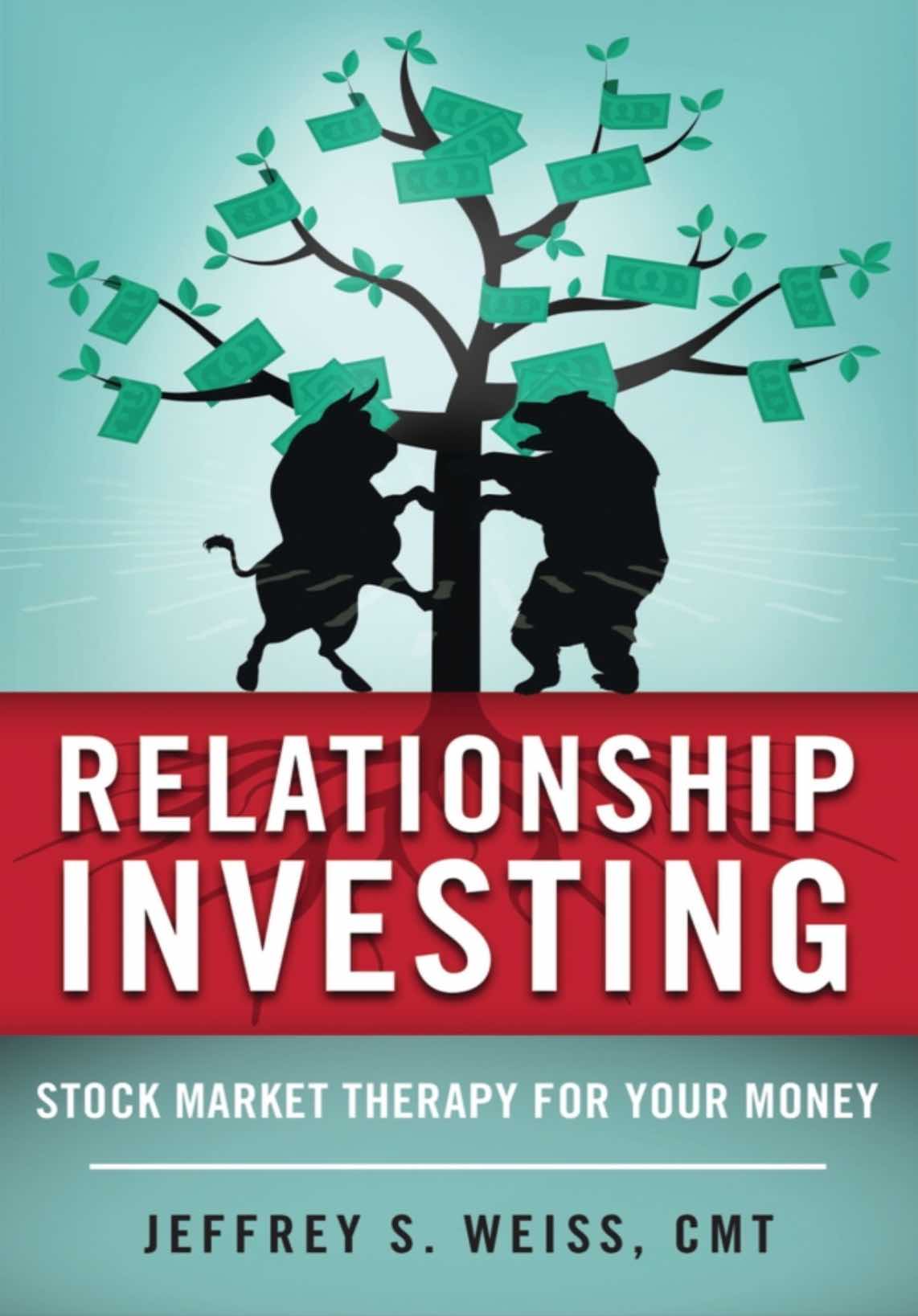
This excerpt is taken from “Relationship Investing: Stock Market Therapy for Your Money” by Jeffrey S. Weiss.
To read other articles of this book, click here.
To buy this book, click here.
The Epoch Times copyright © 2023. The views and opinions expressed are those of the authors. They are meant for general informational purposes only and should not be construed or interpreted as a recommendation or solicitation. The Epoch Times does not provide investment, tax, legal, financial planning, estate planning, or any other personal finance advice. The Epoch Times holds no liability for the accuracy or timeliness of the information provided.
