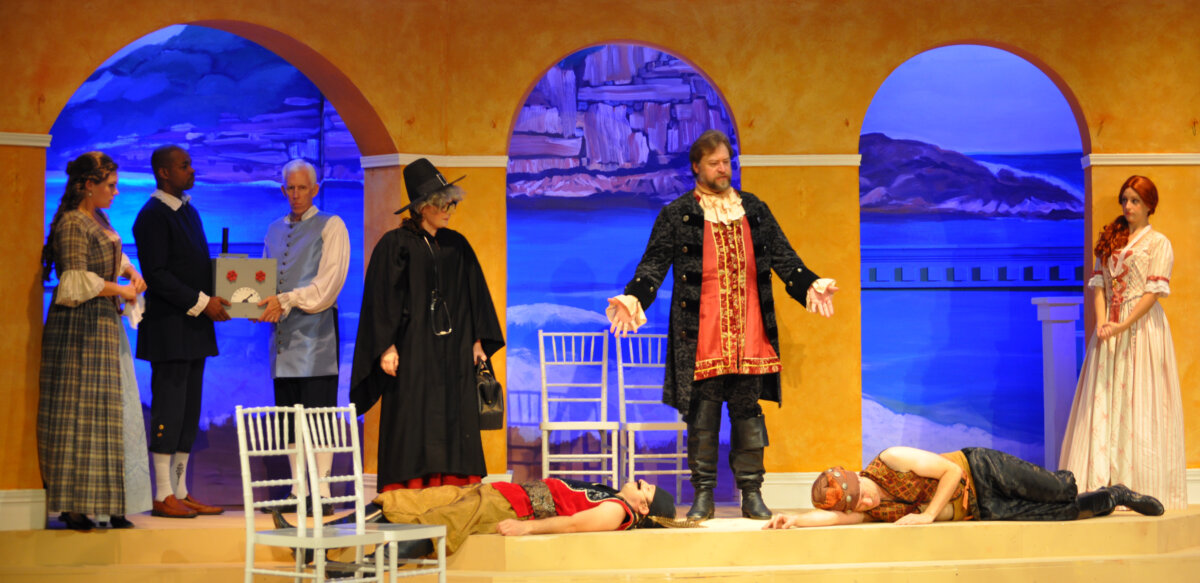
In the 18th century, new philosophical and social movements began to appear in Europe, replacing standards of absolute monarchy. Opera is perhaps the best representation of this shift, as it transitioned from artificiality to authenticity during the classical period (1750–1830), and then went deeper to present a true picture of the human spirit.
Composers C.W. Gluck and Wolfgang Amadeus Mozart laid the foundation for the new genre, with simple music and realistic plots, instead of relying on the extravagant music and artificial characters of the Baroque opera (1600–1750), to explore the complexities of human emotions.
The Rise of Classical Opera
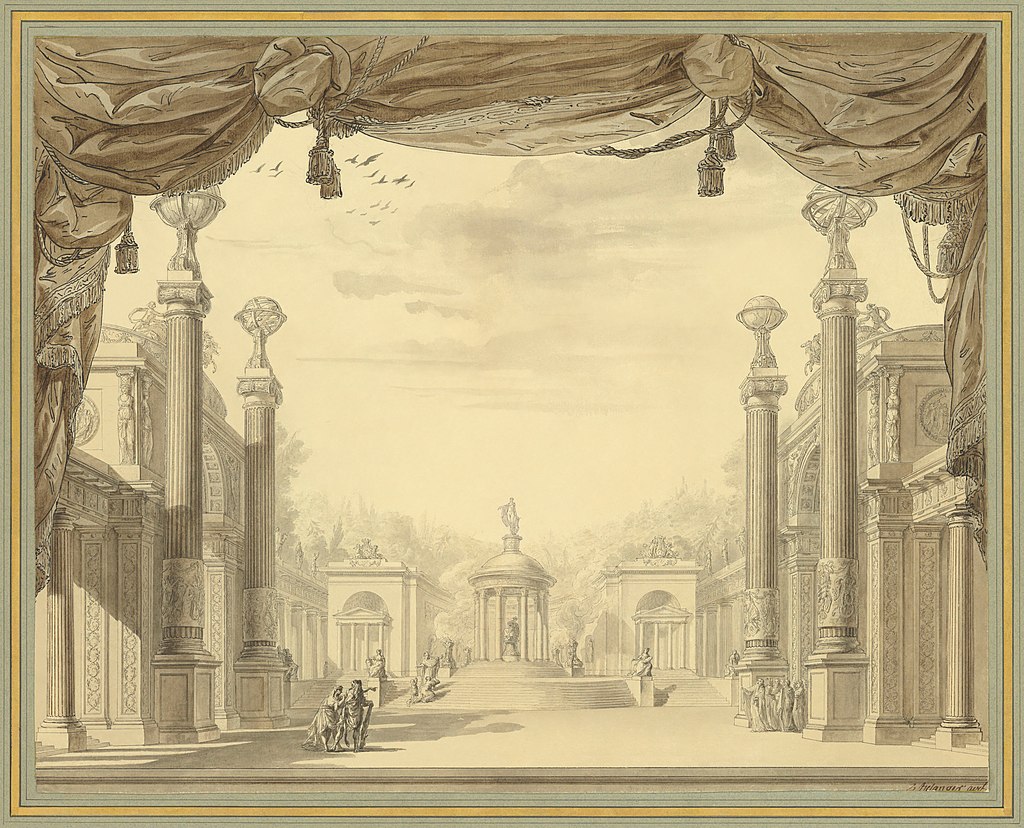
The classical period marked a transition from the elaborate and ornate style of Baroque opera to a more balanced and refined style. During the Baroque period, singers wore lavish costumes and sang florid arias on elaborate stages, in front of dazzled audiences.
Now, audiences wanted to relate to characters. This change moved away from excessive vocal display and focused on emotions and experiences. Composers highlighted moral and poignant themes, inspired by English and French novels. This breathed new life and expression into opera. Recitatives became more musical and arias more expressive, with ensemble numbers showcasing the interaction between characters.
Gluck’s Operatic Reform
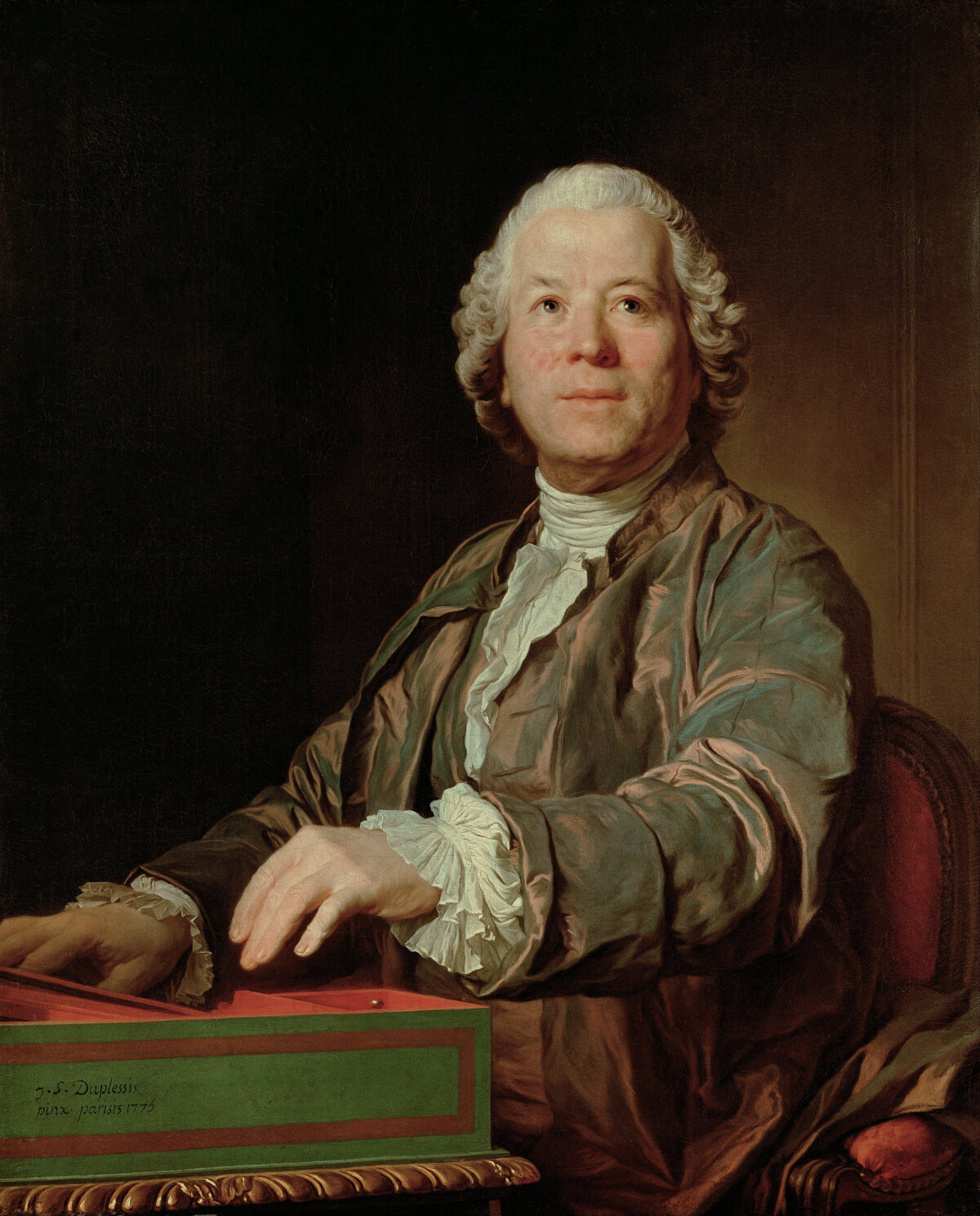
C.W. Gluck (1714–1787) was one of the major reformers of opera. Baroque opera focused on showcasing pyrotechnic arias and the technical skills of singers as a form of spectacle, while Gluck emphasized the emotional impact of the story through simple music that conveyed noble sentiments; he made the recitative more musical and gave more importance to the orchestra as an accompaniment to the dramatic story.
Inspired by the works of Jean-Philippe Rameau, the composer dismantled formal structures and musical ornaments, based on the ideals of antiquity. He used new structures to convey full dramatic expression, using simple melodies and harmonies of French comic opera (opéra-comique).
While Gluck composed many operas throughout his career, his “Orpheus and Eurydice” (1762) marks a milestone. Many composers retold the classical myth of Orpheus, but none compare to Gluck’s version. Gluck and his librettist Ranieri de’ Calzabigi combined words and music naturally and fluidly, developing the orchestra’s role as a dramatic accompaniment to recitatives, arias, choruses, and dances.
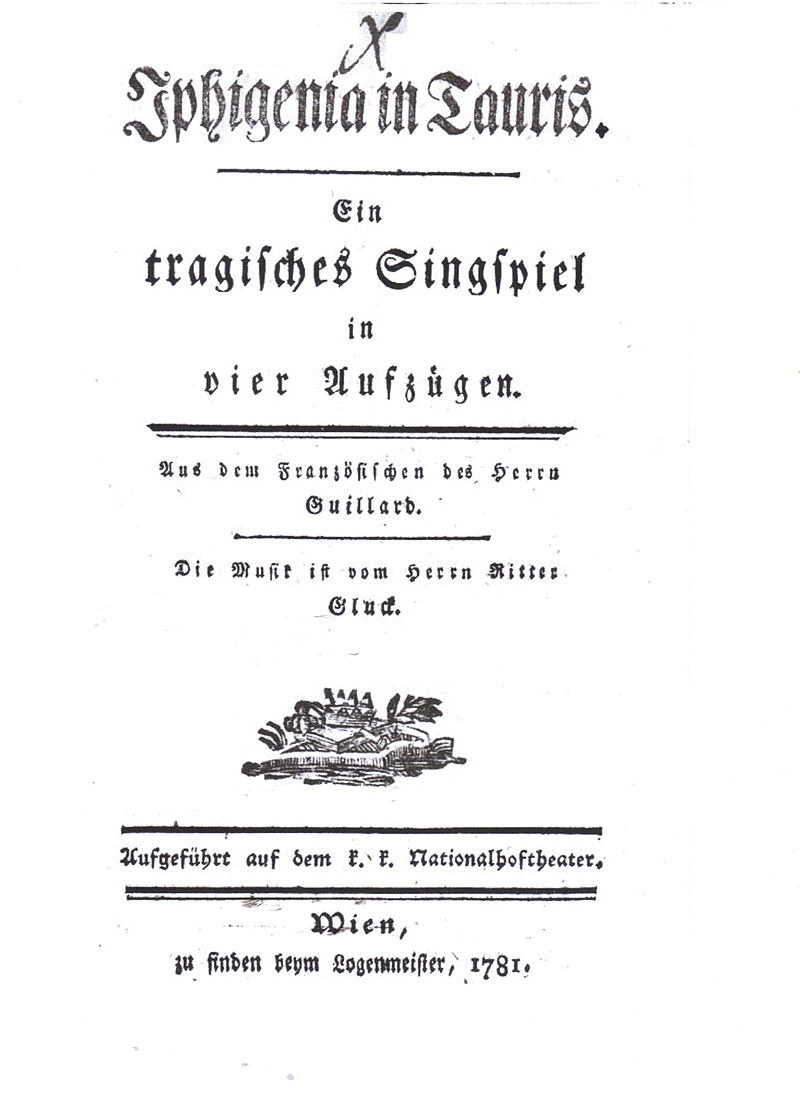
Gluck’s reforms, established in the preface of “Alceste” (1767) and shown in his “Orpheus and Eurydice,” are also present in “Iphigenia in Aulis” (1774) and “Iphigenia in Tauris” (1779). Both operas follow Gluck’s vision of opera seria and revitalized its dramatic potential.
Mozart’s Operas
While C.W. Gluck set the foundations for classical opera, Wolfgang Amadeus Mozart (1756–1791) brought the genre to new heights, exploring the intricacies of human emotions through elegant music. Through his music, opera could express the depths of the soul.
Similarly to Gluck, Mozart composed Italian operas in the opera seria and comic opera (opera buffa) styles; Mozart also added a symphonic quality to his Italian operas that set them apart from other classical operas. He also composed in the German style, a musical drama with spoken dialogue, known as the singspiel. He mixed serious elements with popular songs and pantomime plots in his singspiel operas.
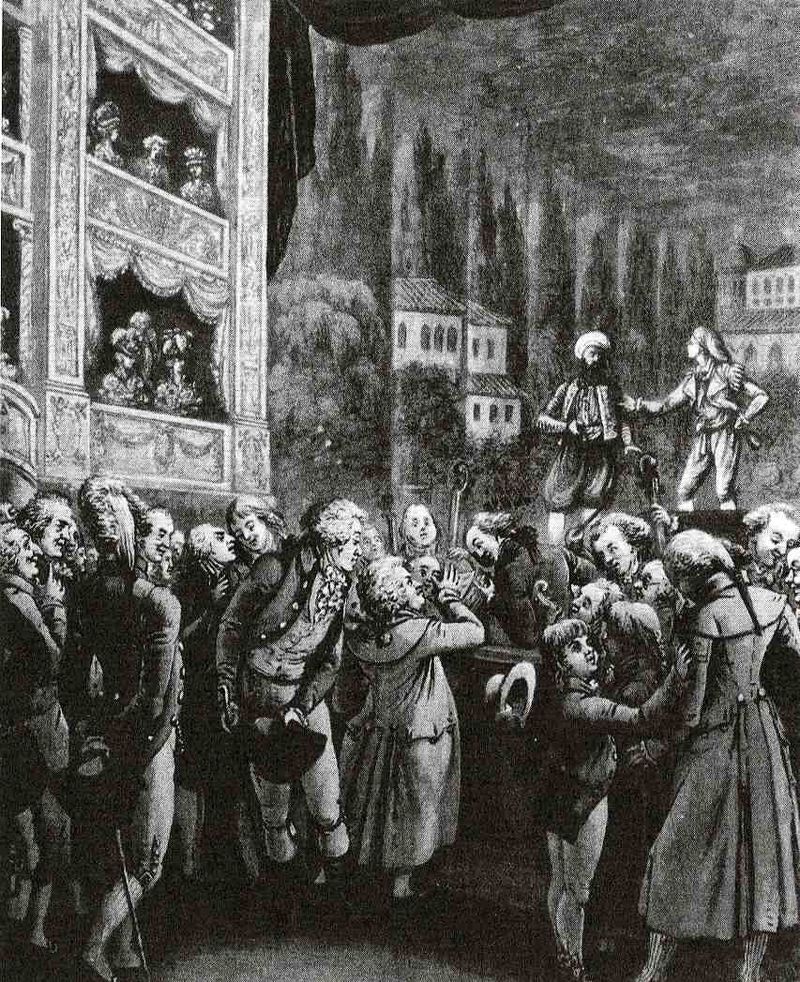
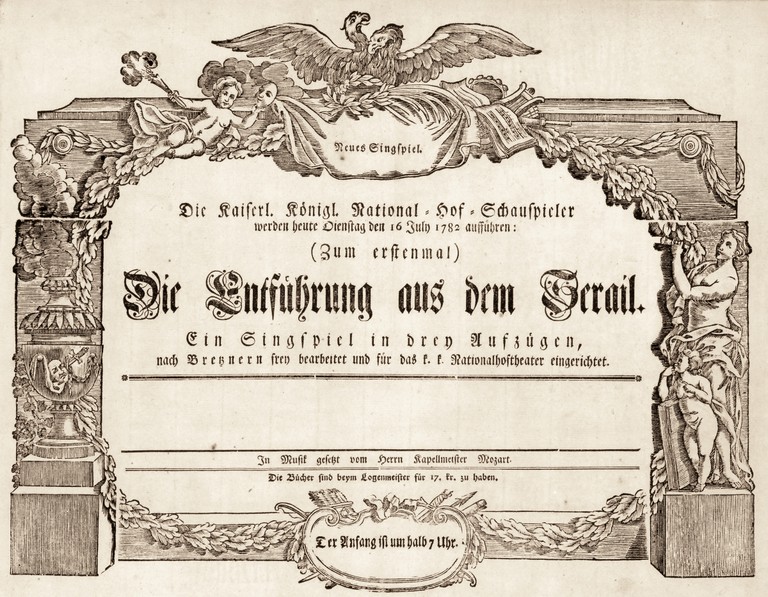
In both his Italian and German operas, Mozart explored the emotional range of his operatic characters, writing many splendid arias, ensemble numbers, and orchestrated recitatives to develop dramatic action. “The Abduction from the Seraglio” (“Die Entführung aus dem Serail,” 1782), was Mozart’s first full-length singspiel.
Here, the composer took advantage of many operatic styles. Some arias sung by servant characters in the opera resembled popular melodies of French and English comic operas, while the heroine sang in the full opera seria style, and the ensembles combined comedy and pathos in a uniquely Mozartian way.
Mozart’s last operas portray a deeper shade of passions and the interplay of relationships. No composer since Monteverdi had managed to convey that so clearly. Mozart, along with his librettist Lorenzo Da Ponte, wrote three operas that remain unequaled for their musical quality and emotional depth: “The Marriage of Figaro,” (“Le Nozze di Figaro”), 1786, “Don Giovanni” (1787), and “So Do They All,” (“Così fan tutte”) 1790.
The beauty of Mozart’s music was matched by the brilliance of his orchestration, vocal writing, and overall structures. While the complexity of the music baffled Viennese society at first, the audience came to appreciate how the characters of his operas were drawn with so much precision and humanity that every single emotion is explored. The opera delights the audience with how emotions were expressed in the opera’s duets, trios, and ensembles, particularly in the orchestral finales, which are integral to the story’s unfolding.
While other composers such as Joseph Haydn and Antonio Salieri composed operas as a form of popular entertainment, Gluck and Mozart set the tone. Gluck’s operas used simple melodies and natural emotions. Mozart expanded on that trend, prioritizing experiences rather than mythological deities, and focusing on a more dramatic style, while retaining lightness.
Would you like to see other kinds of arts and culture articles? Please email us your story ideas or feedback at features@epochtimes.nyc