




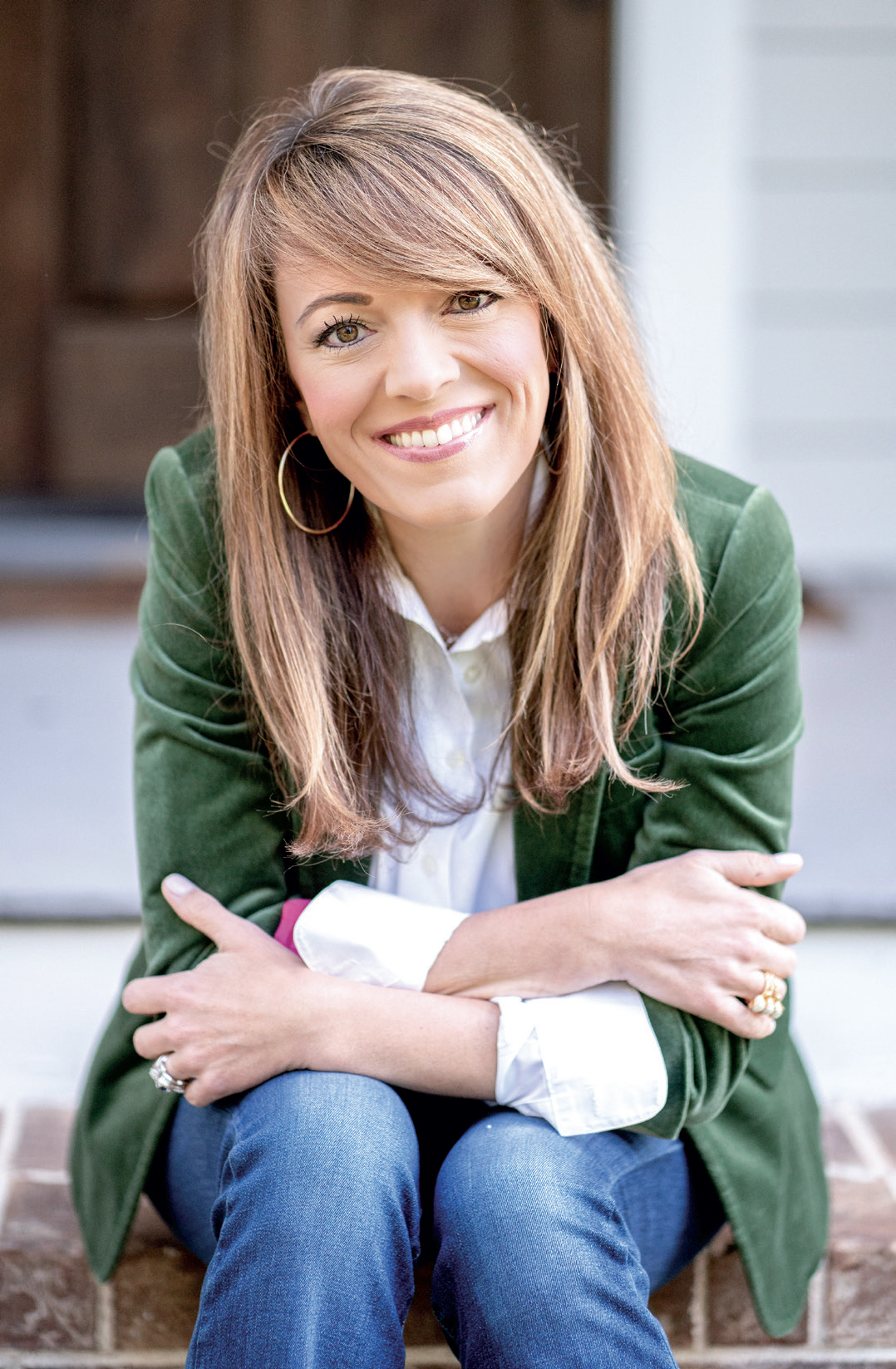
When Rachel Faulkner Brown was 23, her first husband died. When she was 31, her second husband died. She had no one to guide her through her grief. “I didn’t have anyone showing me the way forward. I had to figure it out on my own,” she said.
So she created a way for widows to come together and help each other heal. In 2018, Brown launched Never Alone Widows in Atlanta, Georgia, where she is currently based. Now, it is the largest faith-based group for widows in the United States, with over 60 chapters across 27 states. Roughly 2,000 women meet up every month to share each other’s journeys. The group also organizes annual retreats and conferences for larger get-togethers. While it is a Christian ministry, non-Christian women can attend as well. “We want anybody who needs community and healing to come and find it in local groups,” she said.
When Brown began her project, she did not expect it to expand to such a large scale. “I just thought I’d like to help the younger version of myself,” she said.
The goal of Never Alone Widows is to provide a community for women living out the loneliest days of their lives. Without support from others, “I don’t think there’s lasting transformational healing,” Brown said. So many widows grieve alone or behind closed doors with a therapist. People need relationships in order to emerge from the darkness of despair and isolation, she explained.
A Journey in Grief
Brown’s personal losses gave her insight into the challenges faced by all widows. She met Todd, her first husband, in her freshman year of college, and they married the weekend after she graduated. “We had that college sweetheart love story,” she remembered. “He was amazing.” One day, while her healthy triathlete husband was playing basketball with a friend, he had an aneurysm, “and he basically dropped dead in his friend’s driveway.”
She and Todd had a friend in the Air Force named Blair. After Todd’s death, she and Blair drew closer and fell in love. They were married two years later, when she was 25.
“I loved being an Air Force wife,” Brown said. “I was so proud. It was an honor for me. I was so young. How could I really know what I was signing up for? I never thought, ‘Oh, he could die.’” They were married for five years and had two very young children when calamity struck again.
Blair’s squadron was stationed in Columbus, Mississippi, where he was training the next generation of fighter pilots. One day in April 2008, Blair had three flights with three students planned. On the second flight, a cable in the wing of the jet broke and the jet immediately crashed. “They had no idea when they took off,” Brown said. “They were both killed instantly.”
Brown endured the most difficult parts of the grieving process alone and desperately wished there was a way to commiserate with other women who were going through the same thing. “Loneliness is, hands down, at the top of the list for all widows,” she said. “Next is fear of the future. They’re terrified they’ll run out of money.” Third is health problems. Brown has seen many widows experience a health problem in the first 12 months after their husband passes away. “It’s because of stress,” Brown said. “It’s scary.”
Brown became a Gold Star widow when Blair died. The title of “Gold Star” emerged during World War I and is used to refer to those whose loved ones died on military duty. As a military widow, Brown experienced a new set of grief. “Not only do you lose your service member, but you lose the larger family,” she explained. “Our squadron was like our family.”
For the first year after Blair died, she remained closely connected to the squadron family, but after that, it was hard to stay in touch. “I wasn’t [hearing about] the day-to-day operations of the squadron like I was before,” she explained. “We were invited to a few things after he died, but I just wasn’t connected to his workplace anymore. It’s a natural attrition.” Inevitably as well, members of the squadron were stationed elsewhere and moved away. She struggled to keep her children connected to the life of service that her late husband proudly led.
A Bond Among All Widows
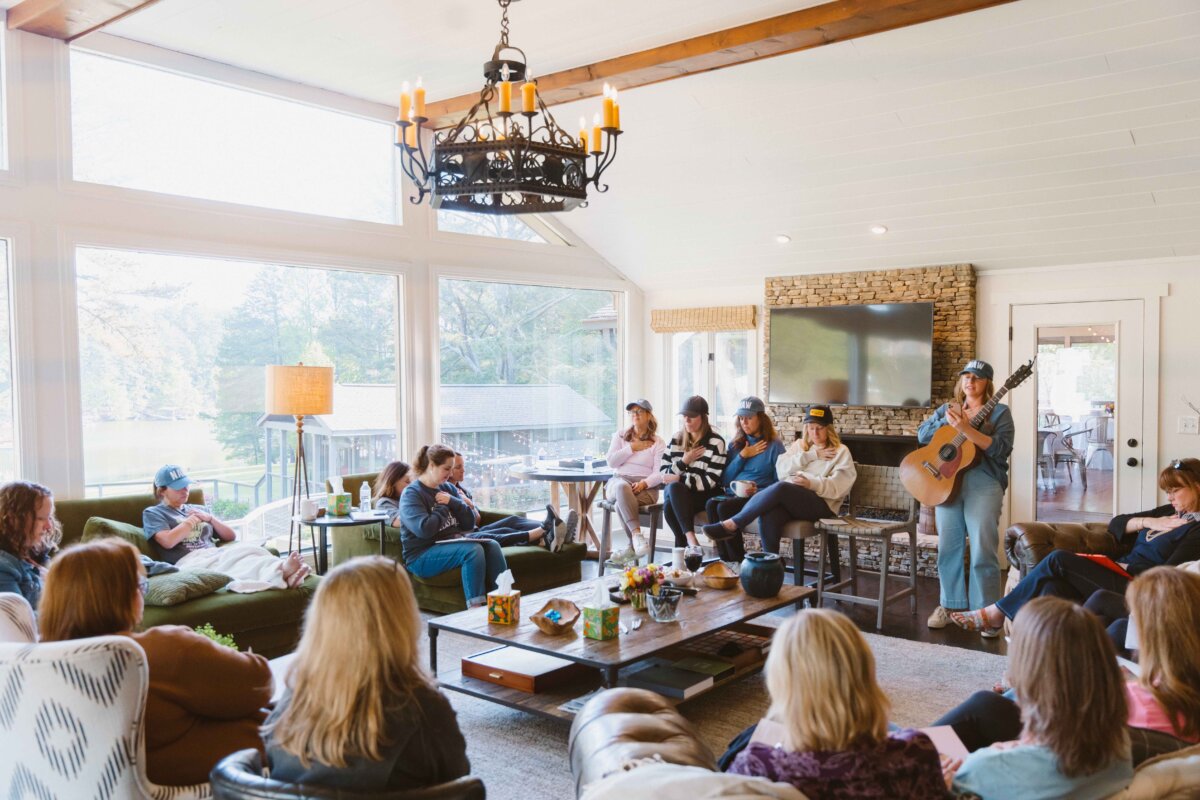
To that end, Brown decided to hold a retreat specifically for widows of military members and first responders. The retreats not only benefit the participants; Brown herself continues to find solace through the activities that prompt deep reflection. She shared a transformative moment she experienced while leading a session on inner healing. While meditating, she had a vision of herself carrying both her children on her shoulders. “And Jesus invited me to hand over my kids. They got off my shoulders and went to Jesus.”
To help inspire women on their spiritual journeys, Brown also recently wrote and published a 365-day devotional for widows, where she has compiled stories and reflections from more than 200 widows across the country.
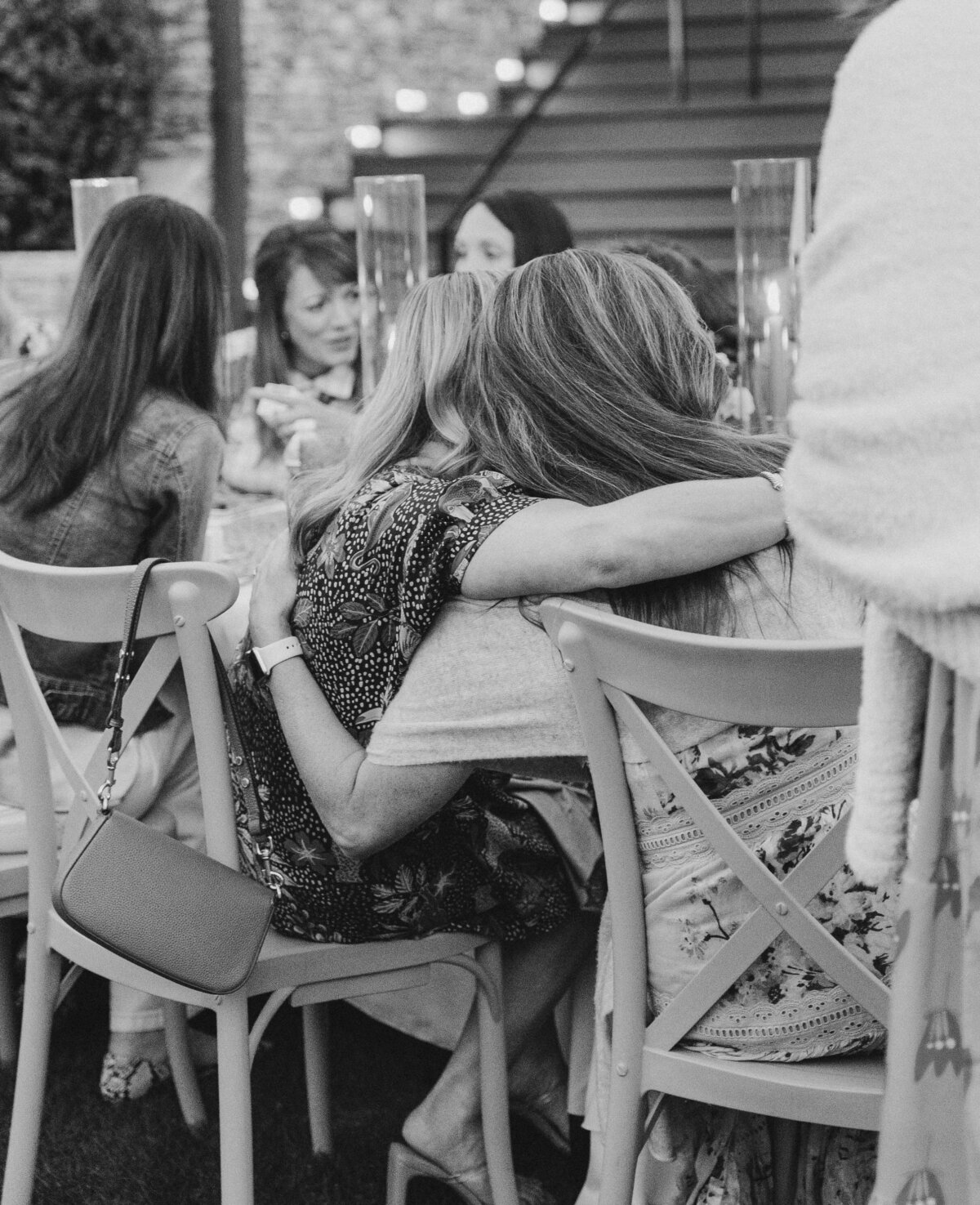
When women come together as widows, an entirely new support system is forged. Brown has seen amazing things happen. One woman came to a conference very anxious about meeting other widows. She had been separated from her husband, a police officer, when he died. Due to their separation, she was denied survivor benefits. Also, “widows of first responders have a harder time with finances and benefits,” Brown explained. “They don’t have the infrastructure that the military does.”
This widow felt hopeless, worthless, and as though her grief and the grief of her children didn’t matter. The denial of survivor benefits had made her feel unseen. “She had felt that the police had disqualified her [as a widow],” Brown said. At the conference, she found acceptance and love. “We had 100 widows of first responders and military personnel,” Brown said. “She was seated at a table with other widows her age. … Sitting at that table, she had a feeling of being known, and she realized that she was not disqualified and that she did belong there.”
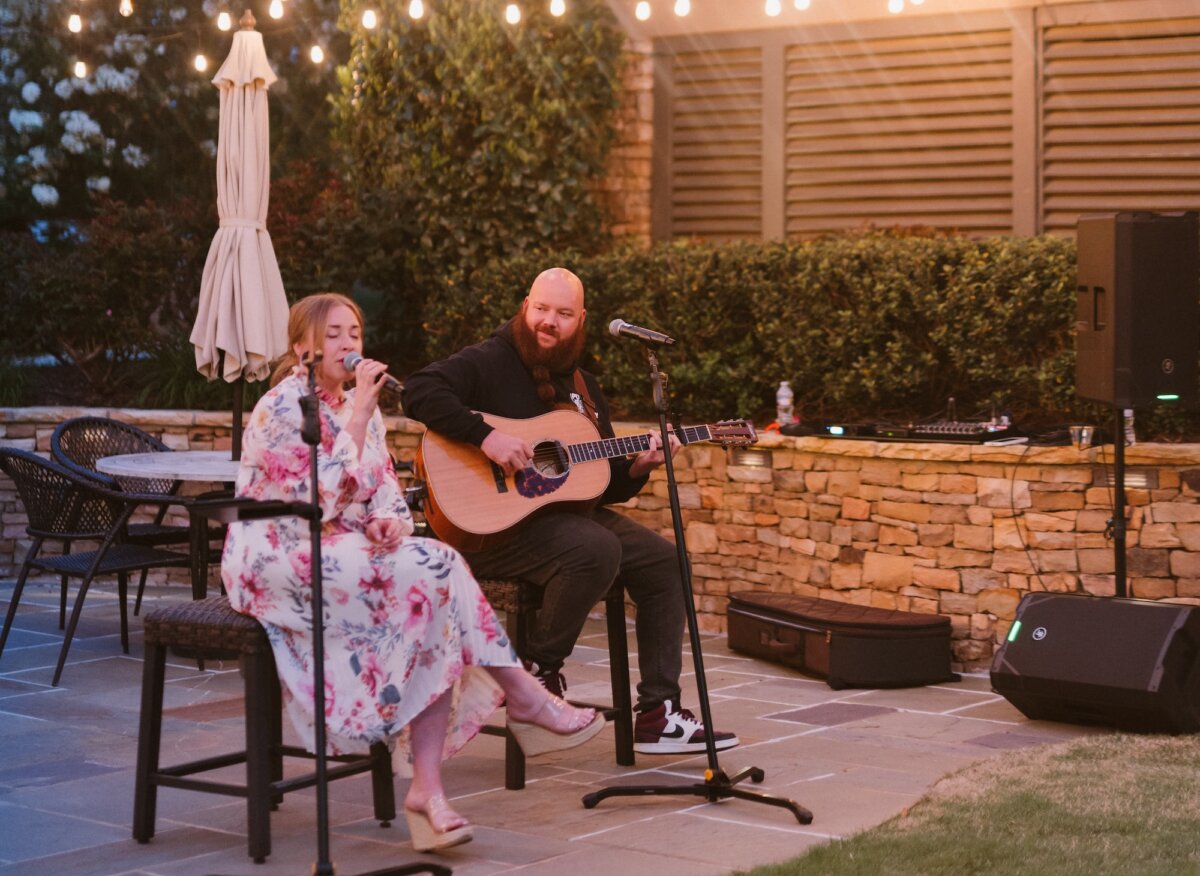
One woman was pregnant with twins when her husband was diagnosed with a rare form of cancer. He died shortly thereafter. “She was broken and bitter,” Brown said. “And she came to the retreat mad at God. She was blaming God for what had happened, and it was very difficult for her to move forward.”
The retreat experience changed her outlook and her relationship with her faith. Afterward, she was emboldened to quit her demanding job that took too much time away from her children. Intending to pursue something more meaningful and creative, she partnered with a friend to launch a children’s clothing brand called Woven Threads, which features made-in-America shirts and sweatshirts with positive Christian messages on them. “It’s an amazing story,” said Brown. “She came in a defeated widow and left as a daughter of the King,” in reference to a Bible verse.
The word “widow” describes what happened to these women, but it does not define them. “We definitely have a choice,” Brown said. “You can choose to live under that banner and be stuck, or you can decide that it’s not going to define your life.”
This article was originally published in American Essence magazine.
