



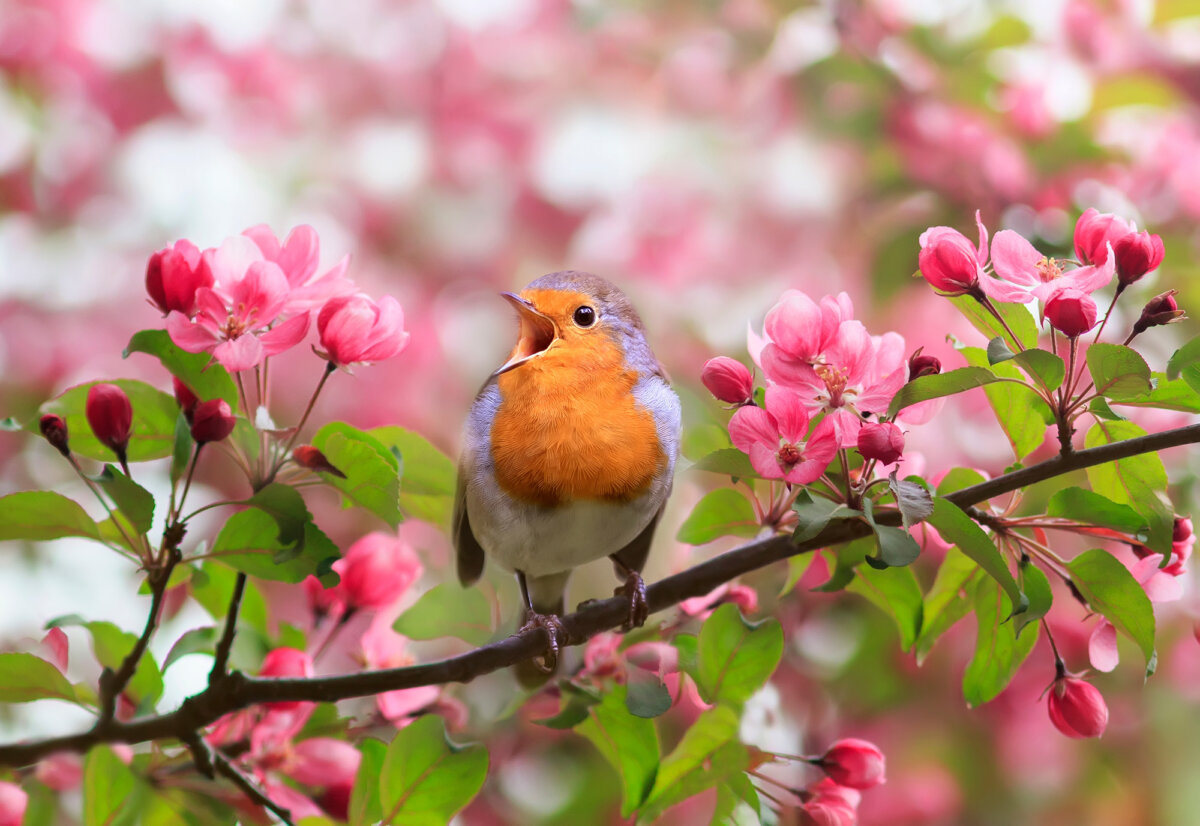
Colorful and ornamental, migratory and resident birds add beauty and birdsong to the home. Birdwatching also has stress-relieving, meditative aspects—simply make a cup of soothing tea, sit out back, and let the cares of the world drift away.
Best of all, these aesthetic delights are more than just happy companions. Birds are nature’s organic pest control, feeding on insects that can damage plants. Warblers, bluebirds, and chickadees, for example, are well-known for having a voracious appetite for caterpillars, aphids, and beetles. And while bees and butterflies get all the glory, birds are very helpful pollinators, particularly hummingbirds. They are also excellent gardeners, as they feed on fruits and berries and then disperse the seeds throughout the garden and neighborhood.
In fact, the presence of birds is a top indicator of a healthy, thriving ecosystem.
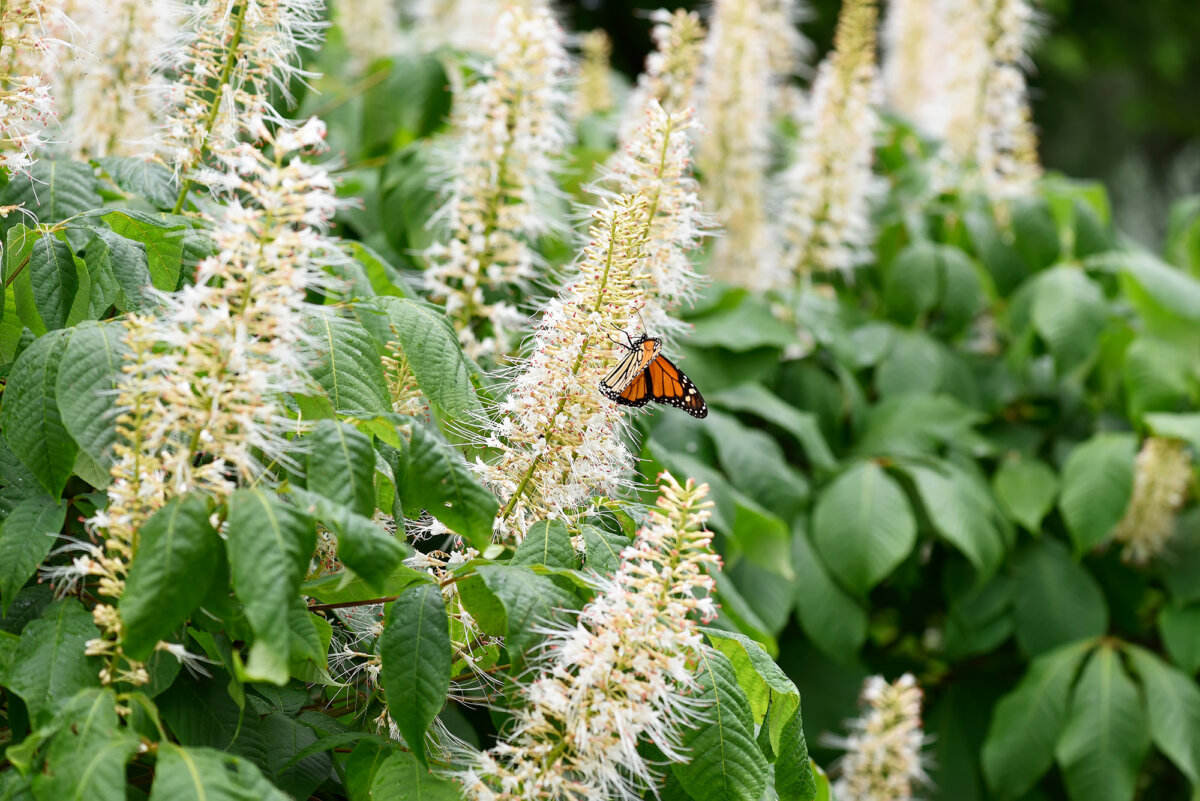
Creating Habitat
The ideal yard—although birds can certainly make do with less—would be a multilayer garden, starting with trees of varying heights for nesting. If the trees are a source of fruits and berries, all the better.
Below, shrubs can also act as a bird apartment building for nests and a potential source of food. Also consider perennial flowers, vines, decorative grasses, and groundcovers.
While native plants are best, a few noninvasive non-natives can be used as well. Consider replacing some lawn with low-maintenance plant islands. Both the neighbors and the birds will find them attractive, and you’ll have less mowing to do!
Other things to consider include creating a brush or leaf pile in a discreet corner for ground-dwelling birds, particularly during winter. Or leave a dead tree in place (as long as it is not a hazard) to keep woodpeckers happy, act as a home for cavity-nesting birds, and attract insects that provide a nice meal for birds. Even something as simple as leaving an edge or corner of the lawn unmown will attract bugs for the birds to feed on.
Best Bird Buffet
On the upside, planting native plants should also attract butterflies and other pollinators. On the downside, it can quickly become a major research project, especially if one orders seeds off the always overwhelming internet to keep costs down.
That’s where the National Audubon Society comes in with its “Find Bird-Friendly Native Plants” guide that provides information on what plants to get, as well as local nurseries that stock the plants, based on ZIP code.
Nutritious Fast Food
Another fun and informative website, Birds In Your Zip Code, does just what it says. It shows photos of the local avian population for identification purposes, advises about what each loves to eat (such as peanuts, safflower seeds, sunflower seeds, thistle seeds, white millet, or mealworms), and offers specialized birdseed mixes.
Even the most carefully thought-out, plant-filled backyard bird sanctuary can benefit from a bird feeder, which is great for supplemental feeding and can be situated to attract birds to a window or other location where they can be observed more closely.
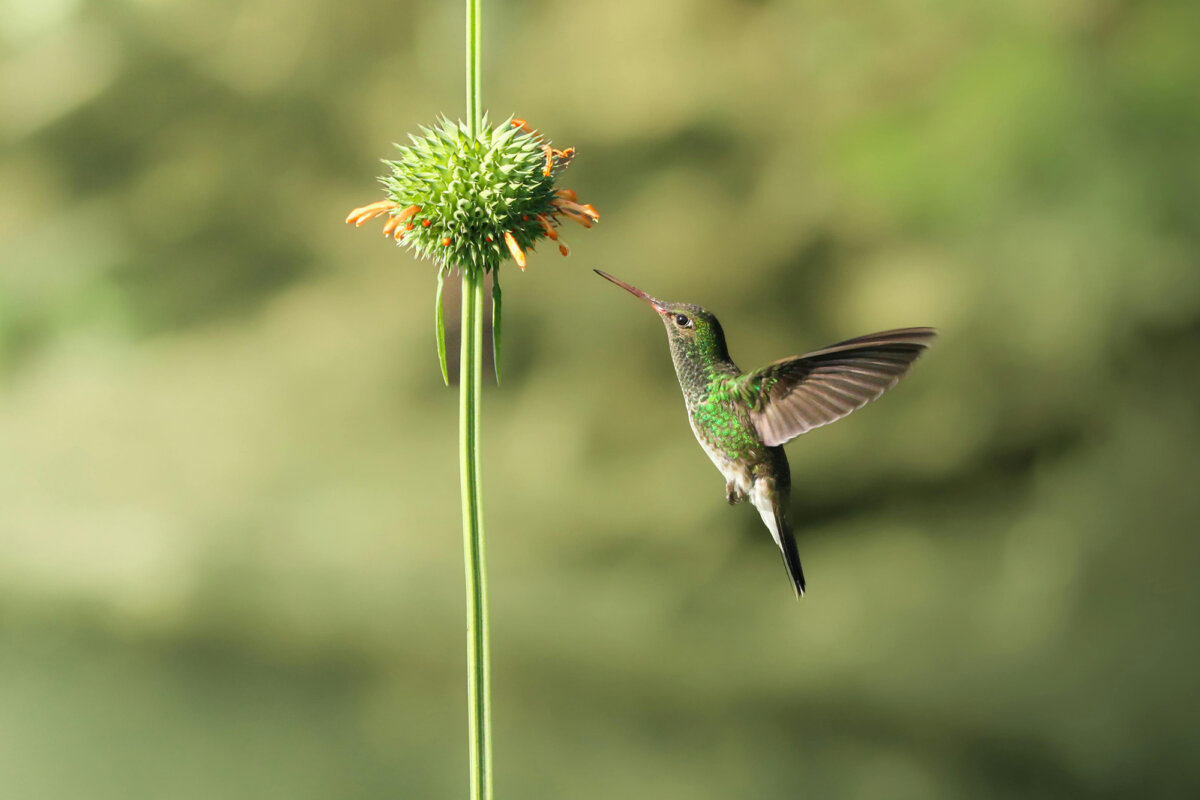
Glamorous hummingbirds require a special feeder that accommodates their long beaks and uses a nectar mix (one part sugar fully dissolved in four parts water). Be sure to get one equipped with a bee and wasp guard or add one to avoid competition for the nectar.
Hydration Stations
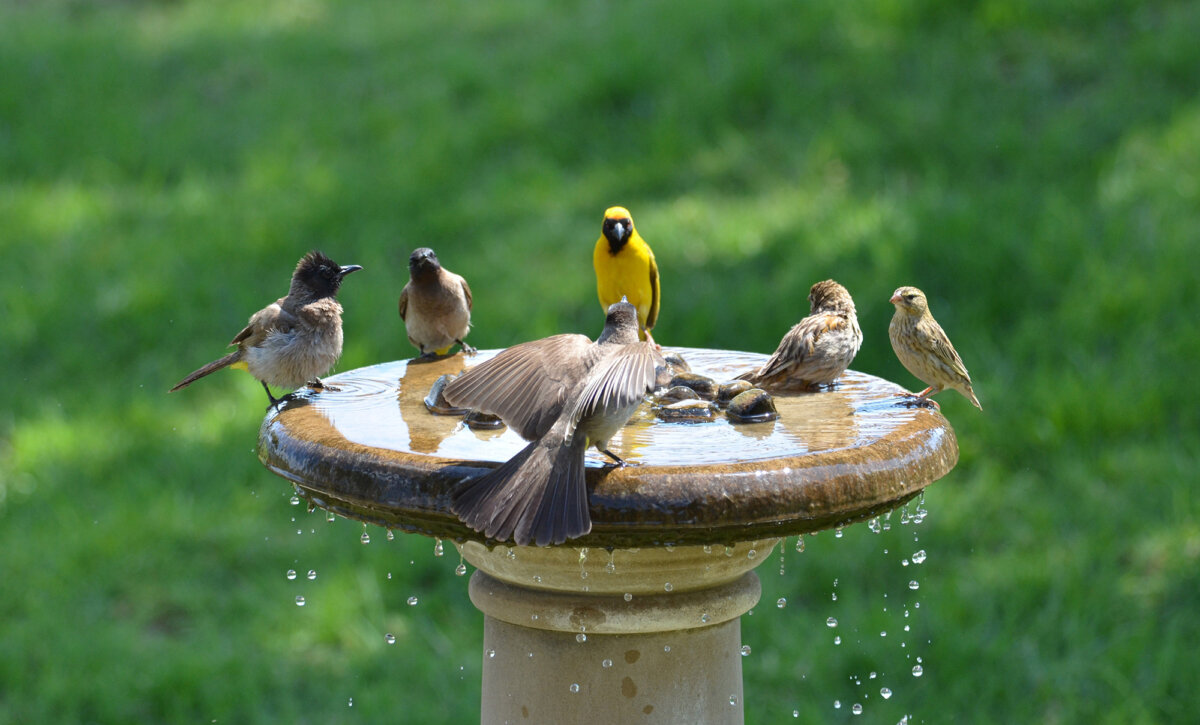
A pleasing architectural accent in the garden, a birdbath provides much more than just an important source of water on hot days or during a drought. It should be filled daily, with the water freshened regularly. This has the added benefit of helping to discourage mosquitoes.
In addition to hydration, this convenient water source is needed for proper preening (feather cleaning), a grooming routine that allows birds to efficiently remove dirt and parasites that can reduce flight efficiency and their overall health. A quick dip also helps them cool off in summer. In fact, clean feathers help them regulate temperature better in general, whether a creature is fluffing its feathers to release trapped heat in summer or enjoying a downy, warmth-trapping layer of insulation in winter.
Provide your avian friends with a dedicated bird spa and, like any other visitor, they’ll stop by and stay awhile.
Wallet Stretchers
If the budget doesn’t stretch to a store-bought pedestal and hanging birdbath, consider a saucer, shallow basin, or even a clean trash can lid—just about any low container of water will do. Just keep it elevated or place it in the middle of an open area to protect birds from surprise attacks from cats and other predators. The ideal water level is two to three inches deep. Add some stones for birds to perch on, particularly if the container is slick plastic. This will make the butterflies happy, too.
Pleasing Placement
Put the birdbath within sight of a window to enjoy the show indoors. Or place it near a favorite lounging spot outdoors for some chirpy company. A quiet spot away from loud noises and high winds is best.
Consider relocating the birdbath into a shady or semi-shady spot during the hottest months and moving it back into the warmth of the sun, perhaps using a birdbath heater, as the temperature drops.
Additional Ambiance
Placing several feeders with different foods will attract a wider variety of birds. Or put out some apple or banana slices to see what they lure in.
Vertical Habitat
Planting vines on fences and arbors maximizes garden space. More than 50 species of birds enjoy the fruits of wild grape, while hummingbirds are partial to trumpet honeysuckle, scarlet runner bean, and cardinal climber.
Home Sweet Home
Wrens, tree swallows, purple martins, chickadees, bluebirds, robins, and owls love a good nesting box. It’s a wonderful way to watch them raise their young up close, with plenty of do-it-yourself plans online perfect for leftover wood lying around.
Building Materials
Grow some moss. Or set out small piles of natural nesting material: feathers; dead twigs and leaves; cottonwood or cattail plant fluff; or dry grass, straw, or pine needles that haven’t come into contact with pesticides or herbicides.
