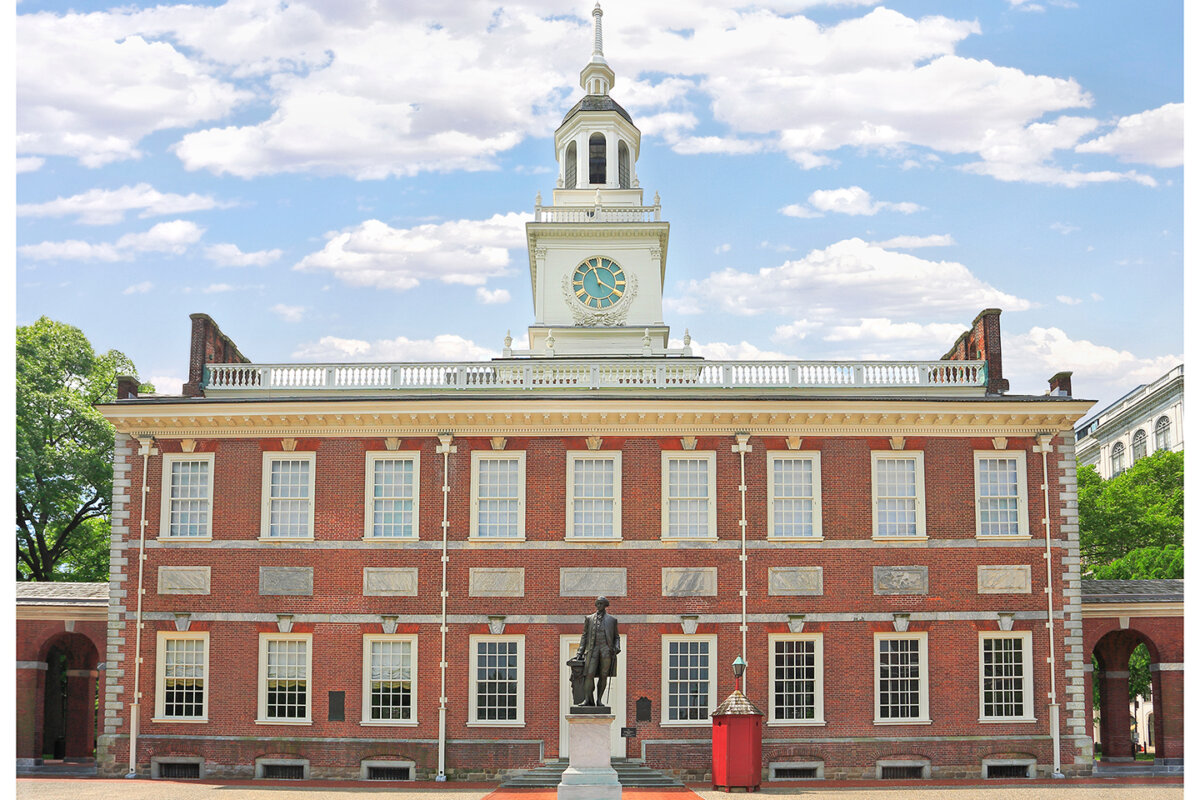
Centrally located on Independence Square in Philadelphia, Independence Hall’s 107-foot façade is connected by closed arcades to two wing buildings: Congress Hall (right) and Old City Hall (left). The exposed brick, Georgian-style building features keystones above each window, a carved wooden cornice, and a decked gable roof with a wooden balustrade between the chimneys. In 1910, New York’s Roman Bronze Works replaced Joseph A. Bailey’s deteriorated marble statue of George Washington from 1860. (Vlad G/Shutterstock)
One of the nation’s most recognizable structures, Independence Hall in Philadelphia, earned the moniker “birthplace of America” because of its critical role in the country’s founding. Inside these stately halls, the Founding Fathers drafted and signed the Declaration of Independence in 1776 and the U.S. Constitution in 1787.
Formerly the Pennsylvania State House, it once housed all three branches of the state’s colonial government.
Independence Hall is the centerpiece of several sites that make up the 55-acre Independence National Historical Park, nicknamed “America’s most historic square mile.”
Built between 1732 and 1753, Independence Hall, with its exposed brick facade, is a classic example of Georgian architecture in America. The architectural style, popular in the English colonies during the Georgian period (1714 to circa 1830), exhibits the rules of symmetry and proportion found in classical Roman and Greek architecture.
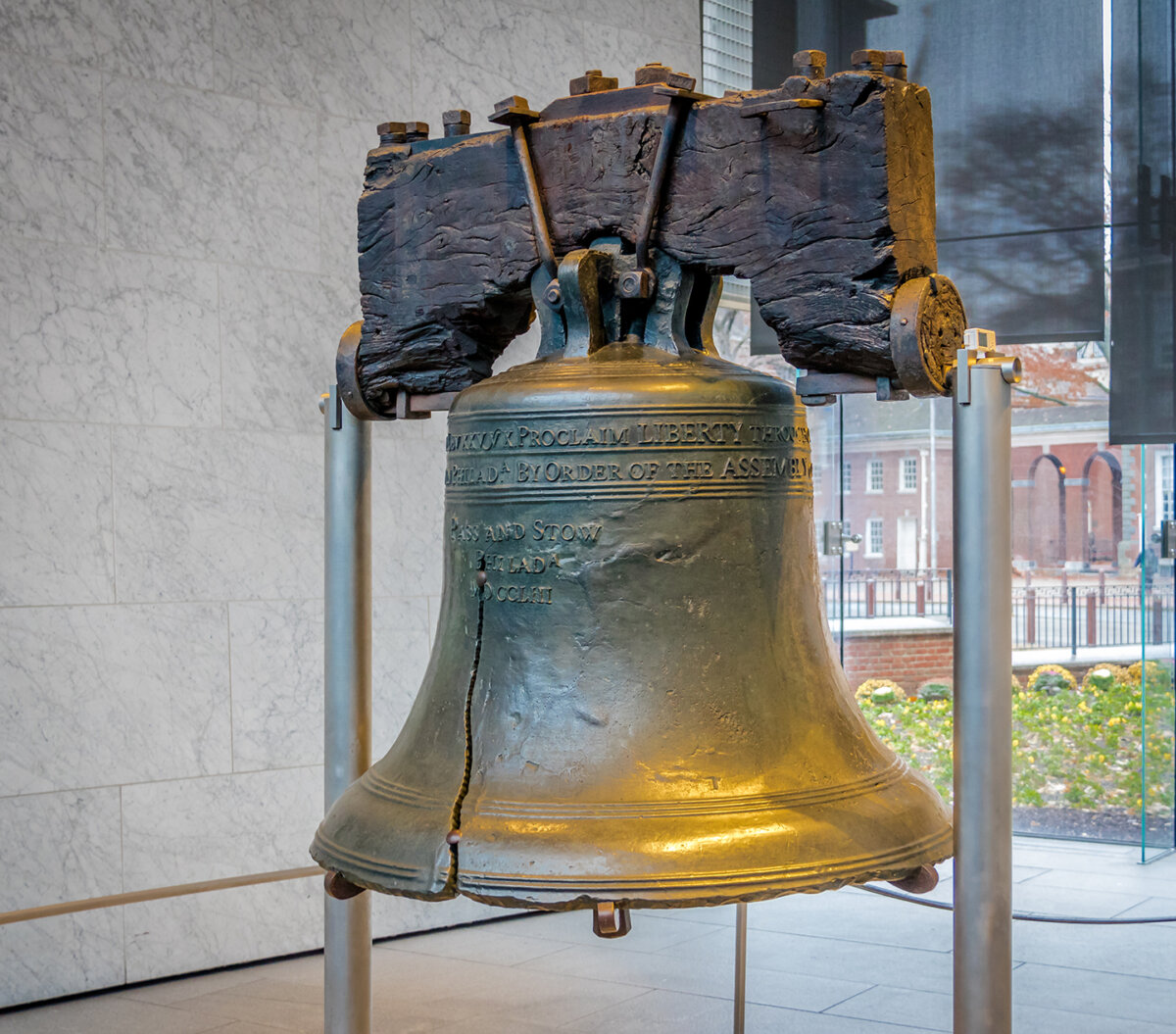
Andrew Hamilton, the Speaker of the Assembly, oversaw the state house’s initial blueprint, while master builder and architect Edmund Woolley (circa 1695–1771) was responsible for its final design and construction. Despite the legislator’s irritation with the 15-year long construction of the main structure (without the tower), the ambitious project paid off and was publicly regarded as a “large handsome building.” By 1753, Woolley completed the tower (later demolished in 1781), and the State House bell, now called the Liberty Bell, was hung.
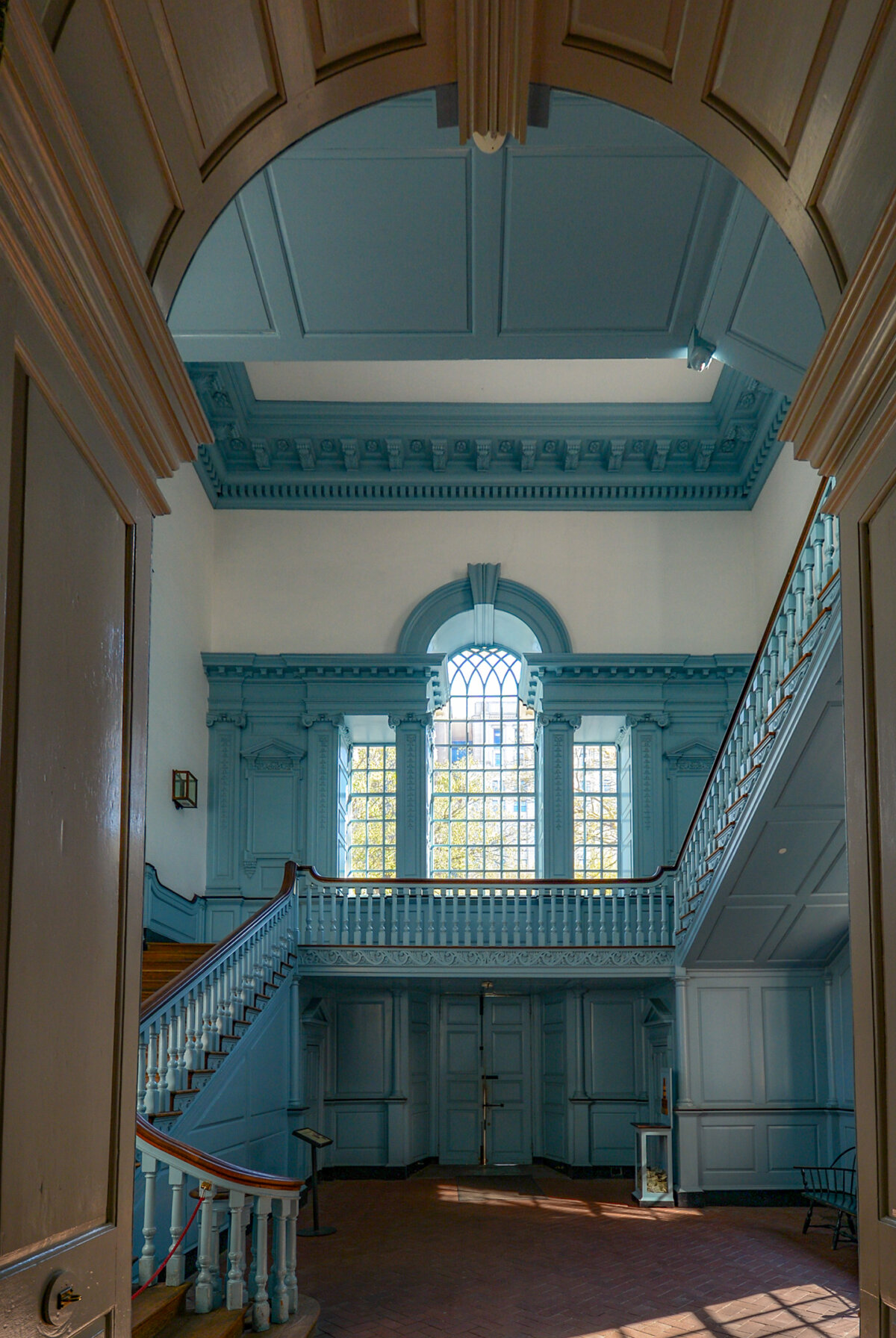
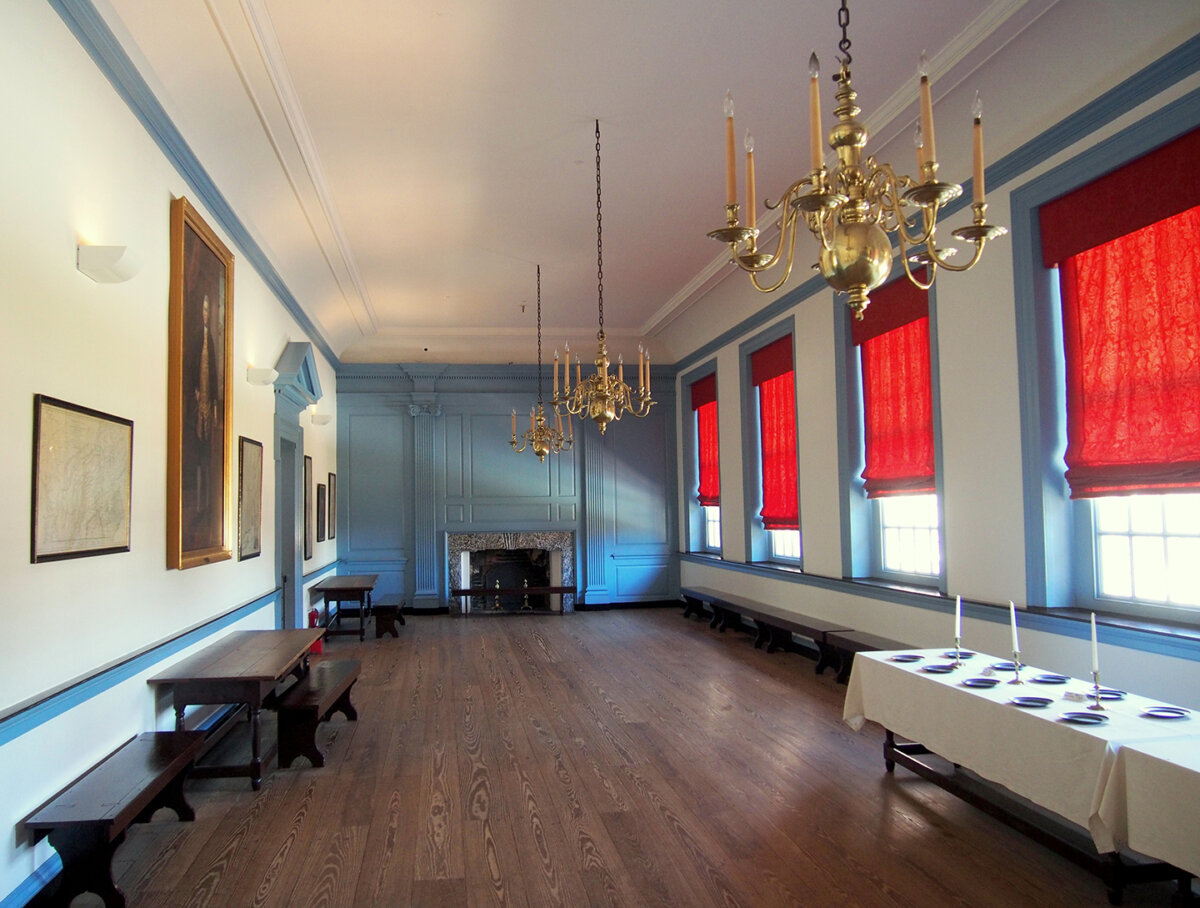
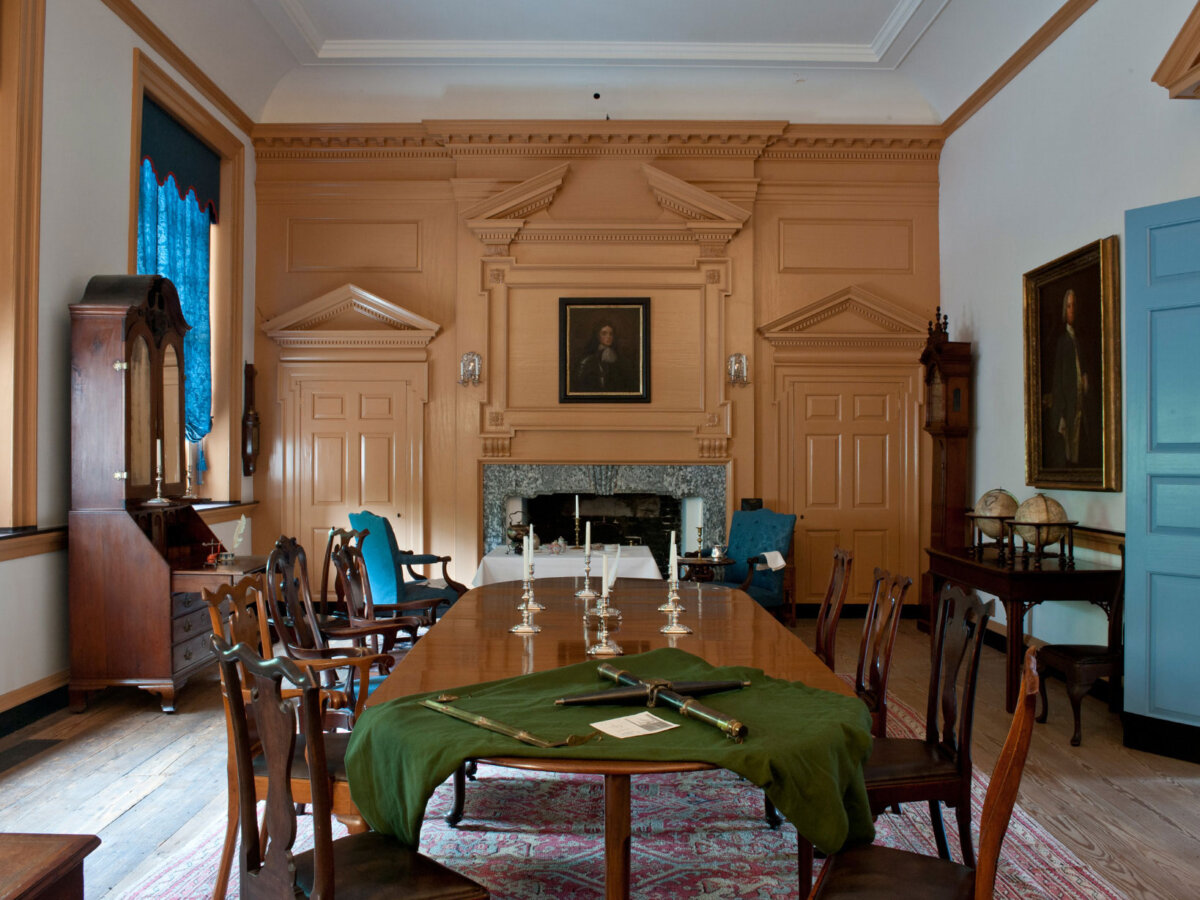
The ground floor features two large rooms anchored on either side of a central hall, a notable characteristic of Georgian interiors. The right chamber served as the courtroom for the Supreme Court of Pennsylvania, while the room on left housed the Pennsylvania Provincial Assembly. The decorative tower hall staircase leads to the second-floor chambers that include the Long Gallery, the Governor’s Council Chamber, and the Committee of the Assembly Chamber.
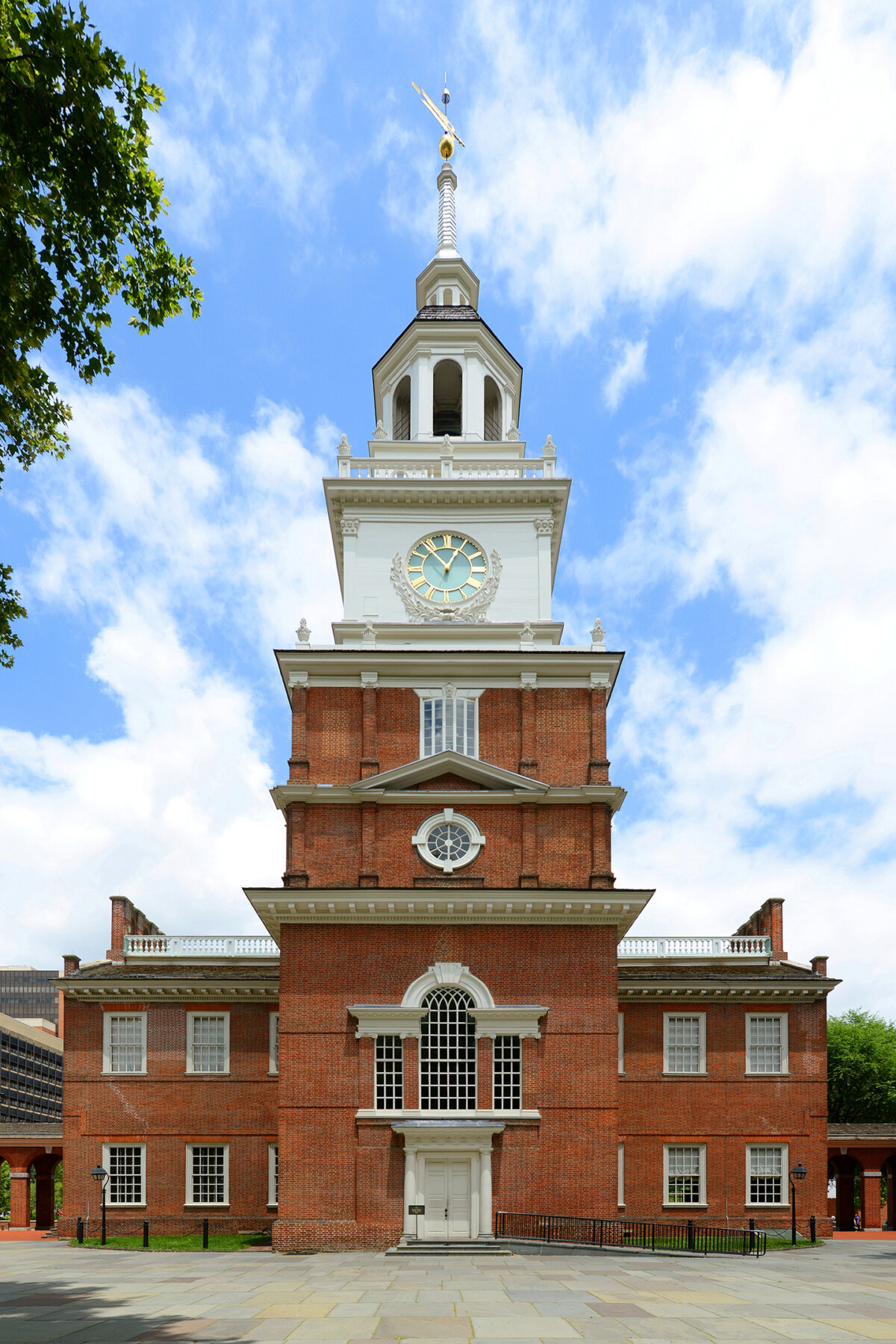
Independence Hall still retains much of its 18th-century appearance, including its original interior woodwork and exterior brickwork—with the exception of William Strickland’s renovated steeple and tower, constructed in 1828.
Recognized as a national landmark and World Heritage Site, the iconic building is acknowledged worldwide as a symbol of democracy and the preservation of American ideals: “life, liberty and the pursuit of happiness.”
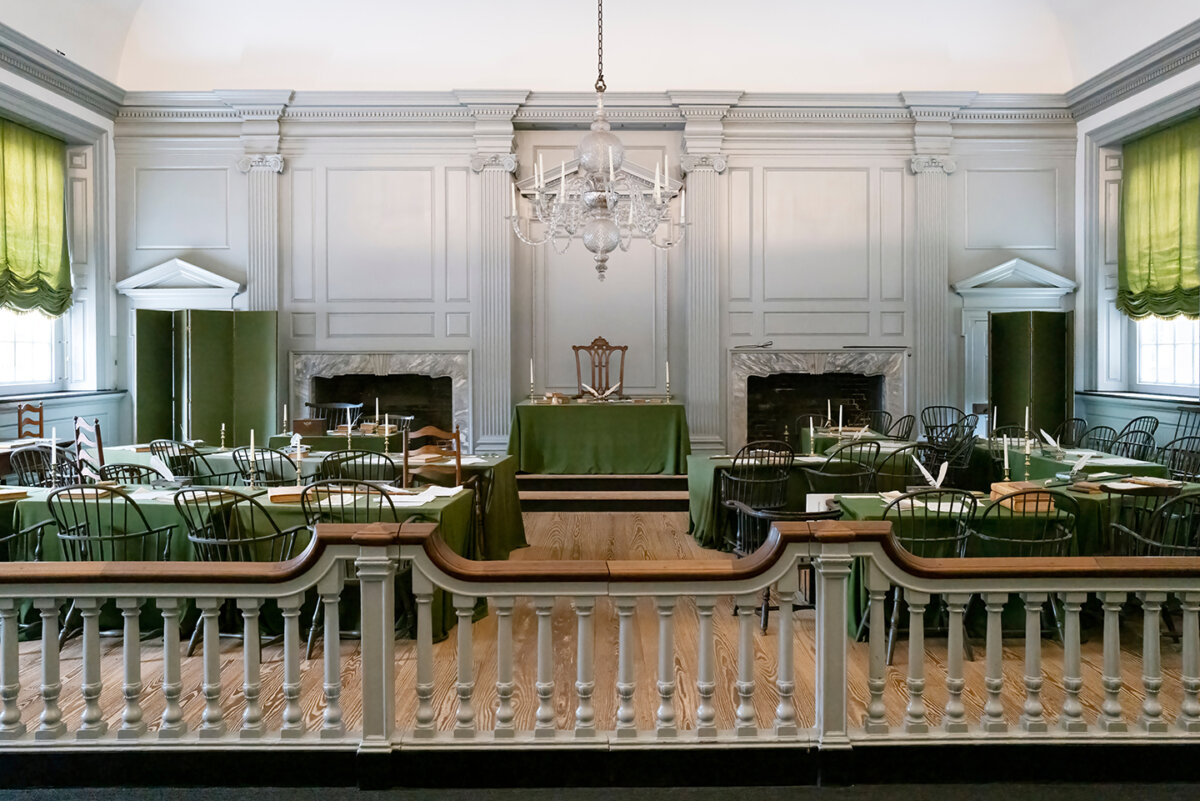
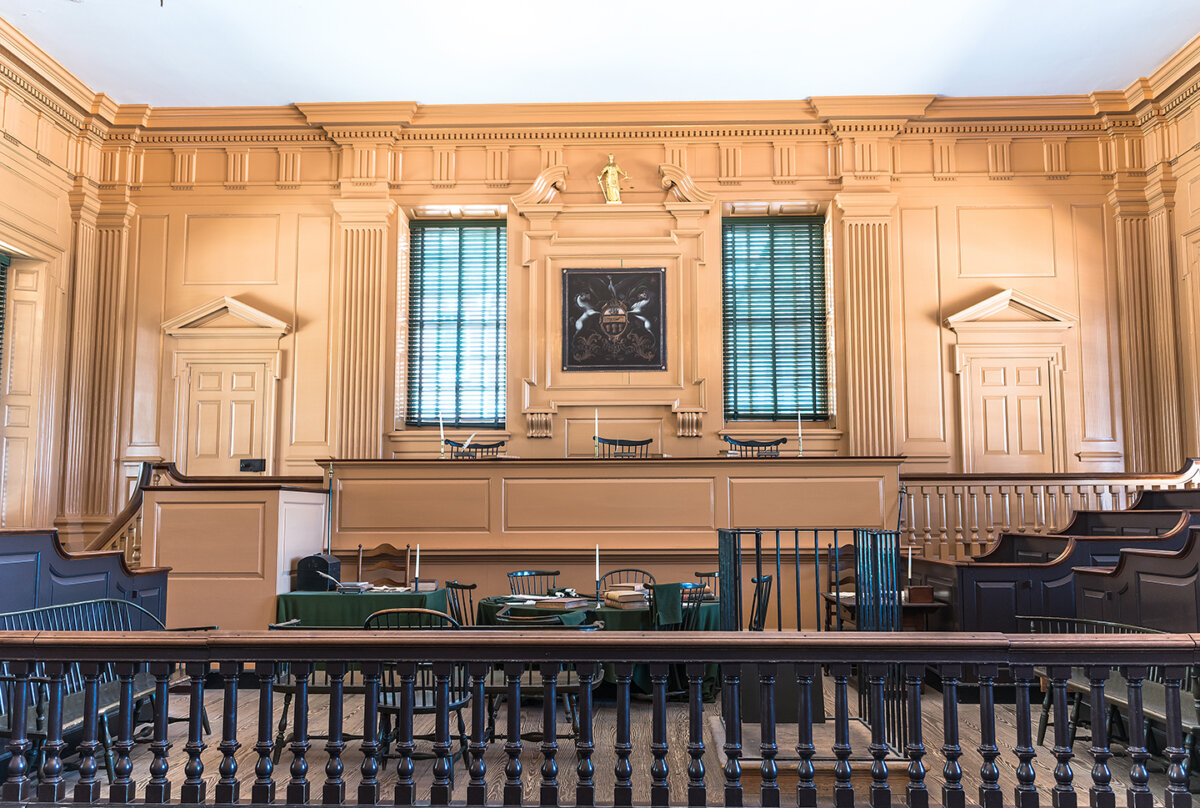
The roughly 168-foot-tall bell tower and steeple, designed by William Strickland in 1828, are the most recognizable features of Independence Hall today. The current steeple, which houses the iconic 6,000-pound Seth Thomas clock, replaced the previous one, which was demolished because of wood rot in 1781. Philadelphia added an electronic automatic winding unit to the clock in 1926. (Wangkun Jia/Shutterstock) Considered one of the most historic rooms in America, the assembly room at Independence Hall was where the Declaration of Independence and the U.S. Constitution were ratified. The room features historic objects such as the reproduction of the silver Syng inkstand that the 56 delegates used to sign the declaration and George Washington’s Rising Sun chair, which he sat at while presiding over the Constitutional Convention in 1787. (prochasson Frederic/Shutterstock) The Pennsylvania Supreme Court chamber was used as a meeting place for the colony’s (and later state’s) highest court. Similar to other chambers, the room’s architecture reflects the Georgian style’s symmetry, proportion, and clean lines. Above the bench, the Pennsylvania Coat of Arms, by George Rutter (circa 1785), replaced King George III’s coat of arms following the first public reading of the Declaration of Independence. (warasit phothisuk/Shutterstock) The Tower Stair Hall showcases an open newel staircase (flights of stairs that turn around a well, or opening) with walnut handrails. Samuel Harding’s original carved ornamentations are featured and include scroll friezes at the stair landings and scroll and leaf brackets on the sides of the steps. The grand Venetian window is flanked by paneled frames and separated by decorative columns, which are adorned with carved ball flowers and Ionic capitals. (xiquinhosilva/CC BY 2.0) Measuring 100 feet by 20 feet, the Long Gallery occupies the entire northern side of the second floor. The nine windows, which overlook Independence Mall off Chestnut Street, provide the space with ample natural light. When the chamber was completed in 1745, it was the largest public room in the province. The Long Gallery became the site for banquets, receptions, and balls. (Nick Couckuyt/Shutterstock) In the upstairs Governor’s Council Chamber, Pennsylvanian governors met with the colony’s elite who served as their council. The colony’s founder, William Penn, whose portrait hangs above the fireplace, established the democratically elected assembly. The chambers, including this one, feature decorative picture-frame wall moldings, triangular pediments above the doors, and dentil moldings. (Public Domain) The Liberty Bell has become a symbol of American independence. The bronze bell weighs 2,080 pounds and was inscribed in 1752 with the biblical reference from the Book of Leviticus “Proclaim LIBERTY Throughout all the Land unto all the Inhabitants Thereof.” Originally rung to summon lawmakers and alert citizens to public meetings, the bell is believed to have sounded on July 8, 1776, for the first public reading of the Declaration of Independence. (Diego Grandi/Shutterstock)
What arts and culture topics would you like us to cover? Please email ideas or feedback to features@epochtimes.nyc
Jennifer Schneider is a classically trained artist who specializes in 19th century art and architecture. She has a Bachelor’s degree in Studio Arts and studied Imaginative Realism full-time at Georgetown Atelier in Seattle. She is a freelance photographer and an arts editor for The Epoch Times and American Essence (AE) magazine.