Photographer Tony Dvorak lugs his camera through bug-infested bogs, muggy rainforests, and, occasionally, even graveyards in his worldwide search for warblers—flamboyant little birds with a big visual presence.
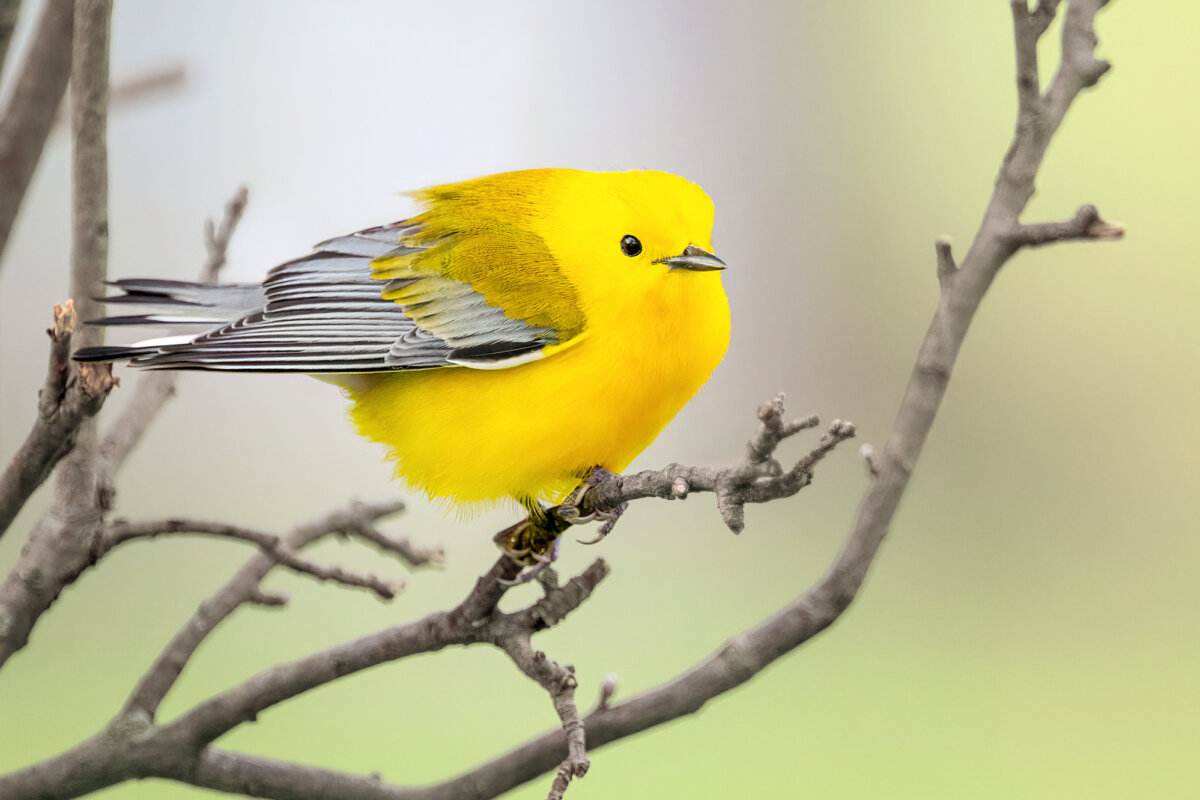
Working an office job by day in downtown Buffalo, New York, Dvorak regularly heads to Forest Lawn cemetery during lunch breaks. It’s a green oasis in a concrete jungle, he says, and on one such jaunt he had in mind the latest gossip from the birder community: “There was a brilliant male Prothonotary flitting about.”
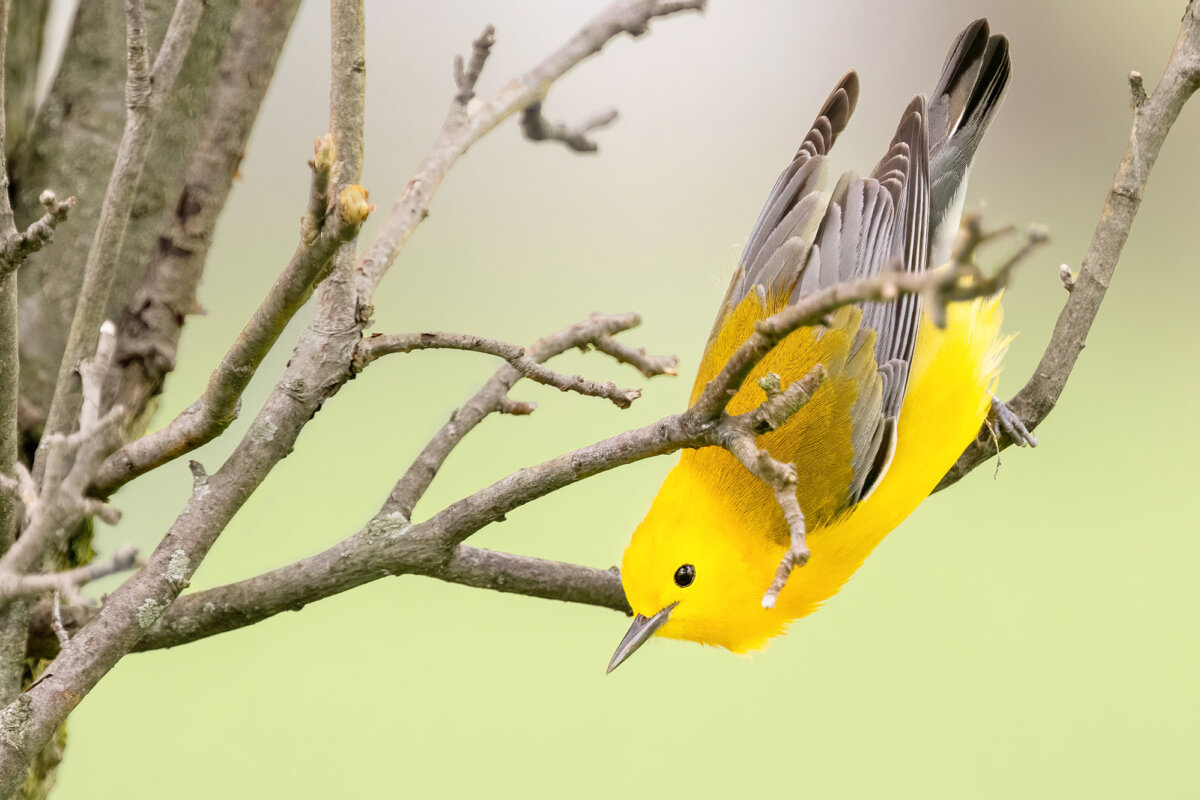
Dvorak, 46, told The Epoch Times that he spotted the “yellow blister of a warbler” hunting insects at the base of a tree some 50 feet away from where he stood.
“Prothonotary warblers are incredible characters,” he said, speaking of the species named after yellow-robed clerics of the Roman Catholic Church. “These birds’ beaks actually turn black for breeding season.”
He clicked the shutter and, just like that, racked up another bird on his expansive warbler bucket list.
Traipsing across the eastern United States and Canada and even beyond to several continents, Dvorak has gone to great lengths to photograph hundreds of warblers—and myriad other birds.
“Ultimately, I completed my journey to see all 50 of our North American-breeding warblers,” he said. “My quest to photograph them all, though, continues still.”
Dvorak’s bird mission began after he laid hands on his first SLR during the brink of the digital revolution, as film cameras were transitioning to digital. Starting with capturing images of snowy owls, he discovered warblers and was hooked.
“I absolutely marveled over their appearance,” he said.
Thankfully, his job, wife, and children have been supportive of his globetrotting. A work trip to India last year furnished Dvorak with opportunities to capture the jewel-like sapphire of a bird called the Indian roller while he was riding in a car.
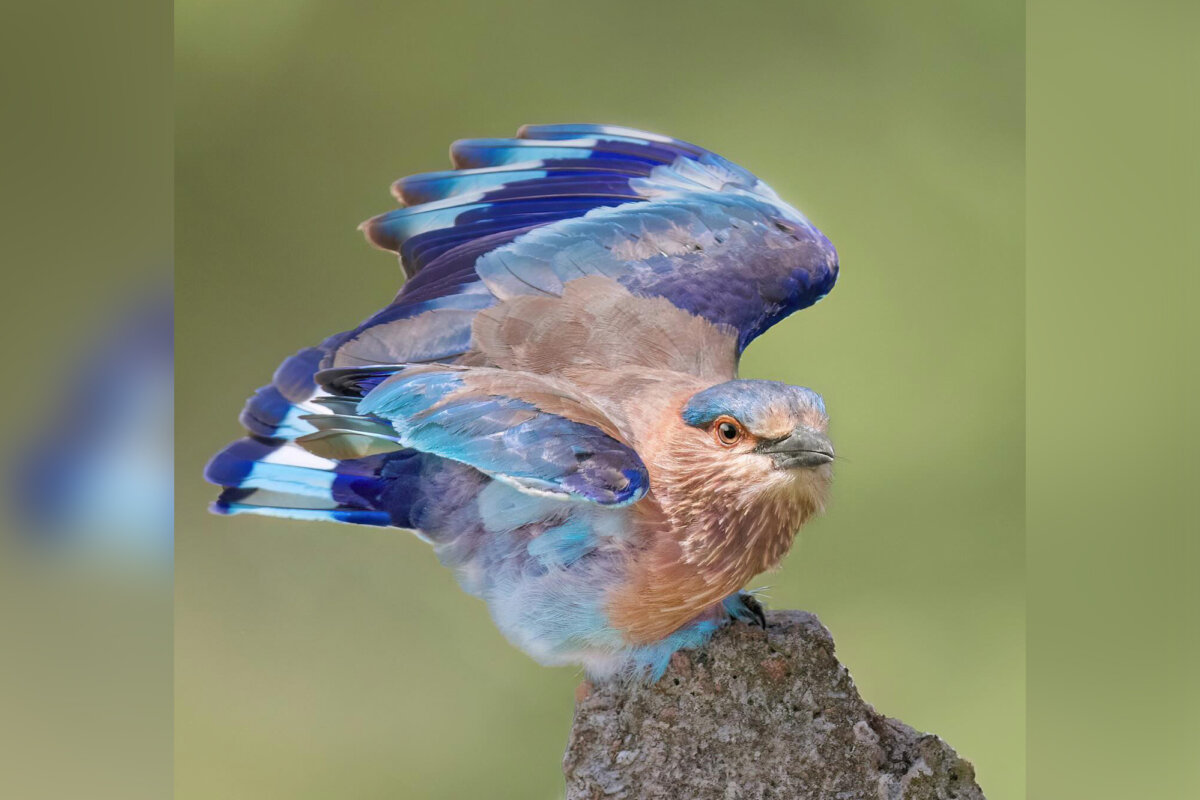
“They can often be found perched on wire fences and hunting hapless lizards and grasshoppers, and most often beetles,” he said, adding that Indian rollers are found as far east as Iraq and westward through India and Sri Lanka—definitely not in upstate New York. His rare encounter with the roller, he joked, caused a “twitching” in his shutter finger with such “anxiety” that it needed Xanax.
Warblers do that to him.
“Friends that see me in the field have noted that I look ‘intense’ while photographing,” Dvorak said. “I feel ‘in the zone’—me and the subject, the background, the light, the pose.”
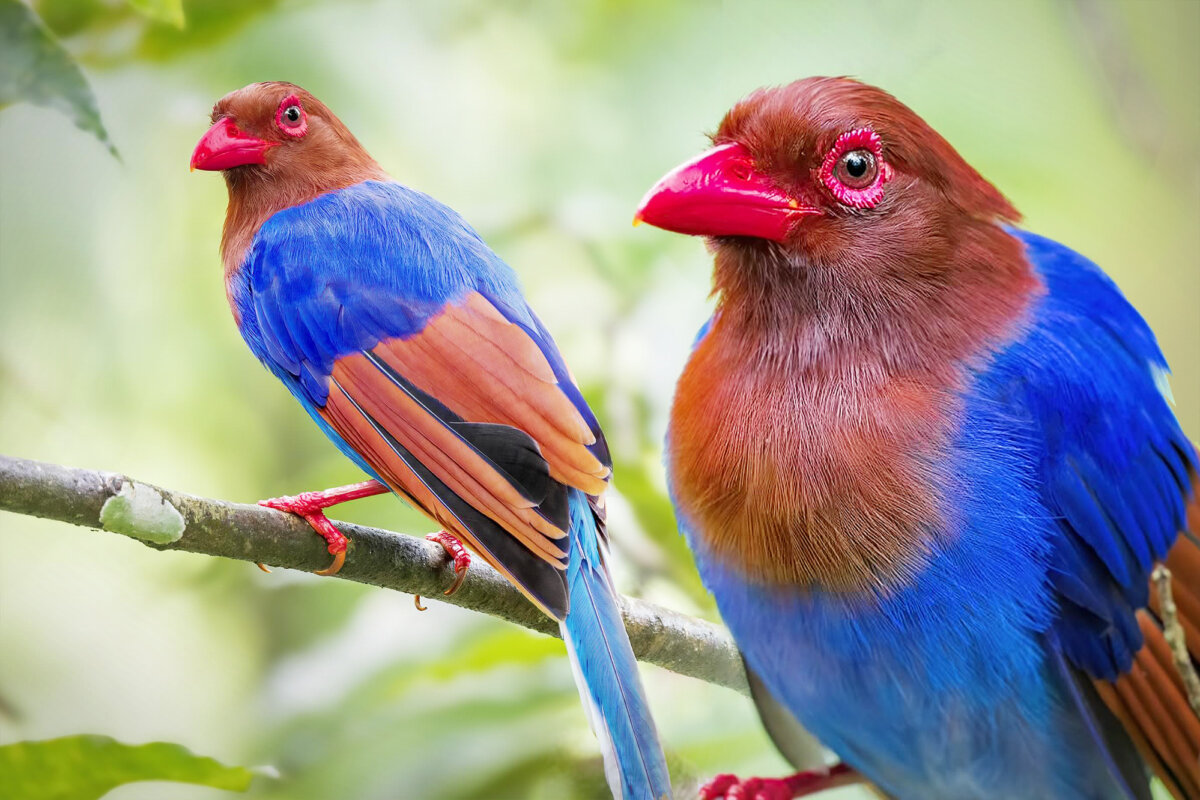
A recent visit to the Sinharaja Forest Reserve in Sri Lanka brought Dvorak face to face with the Sri Lanka blue magpie, which he calls his “grail bird” and says looks like “something a fever-dreaming toddler would scribble with tightly fisted crayons.”
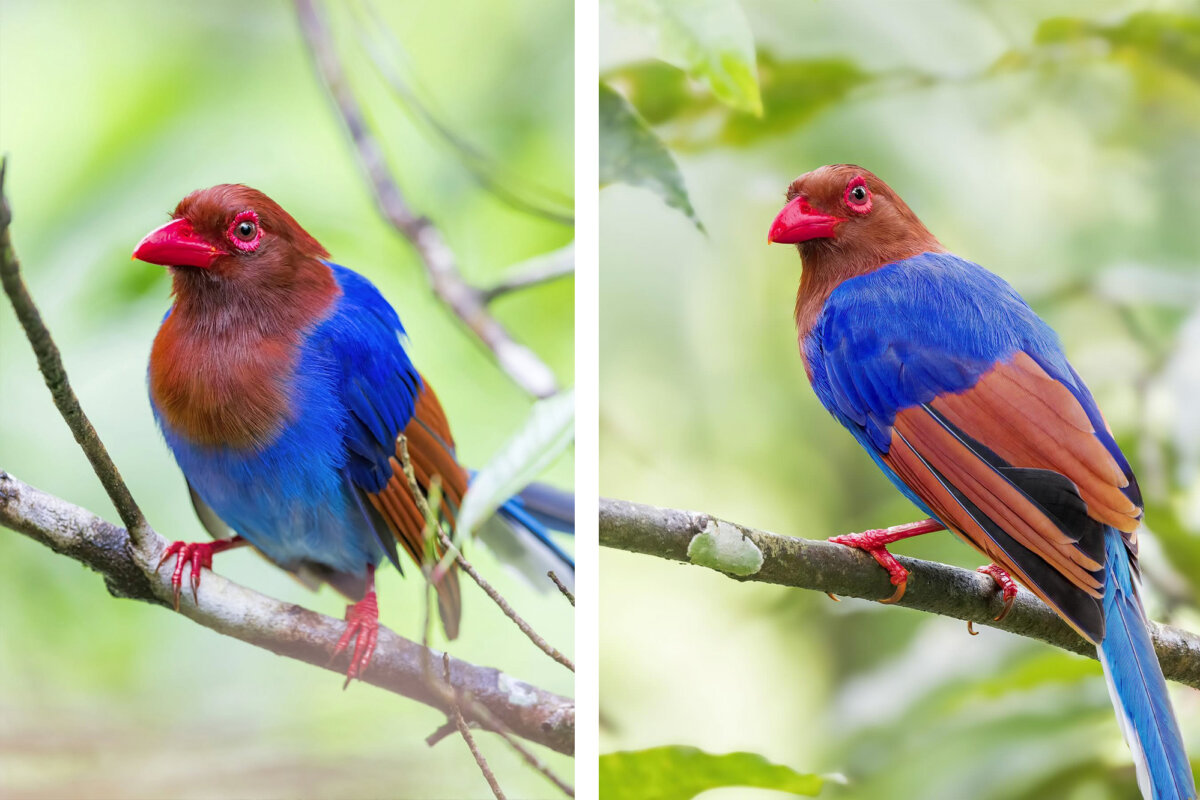
He watched their bright-blue plumage shine next to their reddish-brown heads, necks, and wings as several of the magpies arrived and swooped within feet of him. Amid sheets of intermittent rain, this was the moment Dvorak had patiently spent hours waiting for.
“The wait was so very worth it!” he said. “The show they put on couldn’t have been better scripted.”
The canopy-dwelling Sri Lanaka magpie isn’t just ultra-rare, but is also protected. Thankfully, Dvorak’s seasoned guide skillfully led the way, making the sighting possible.
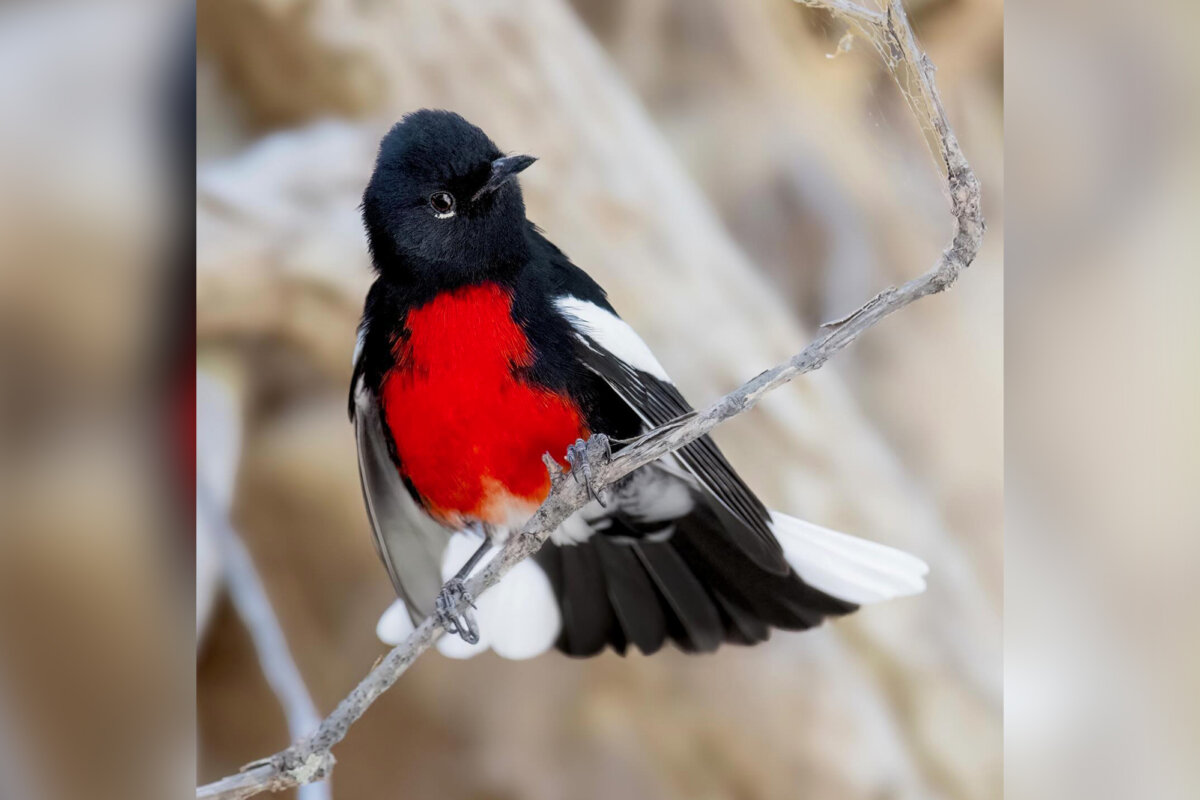
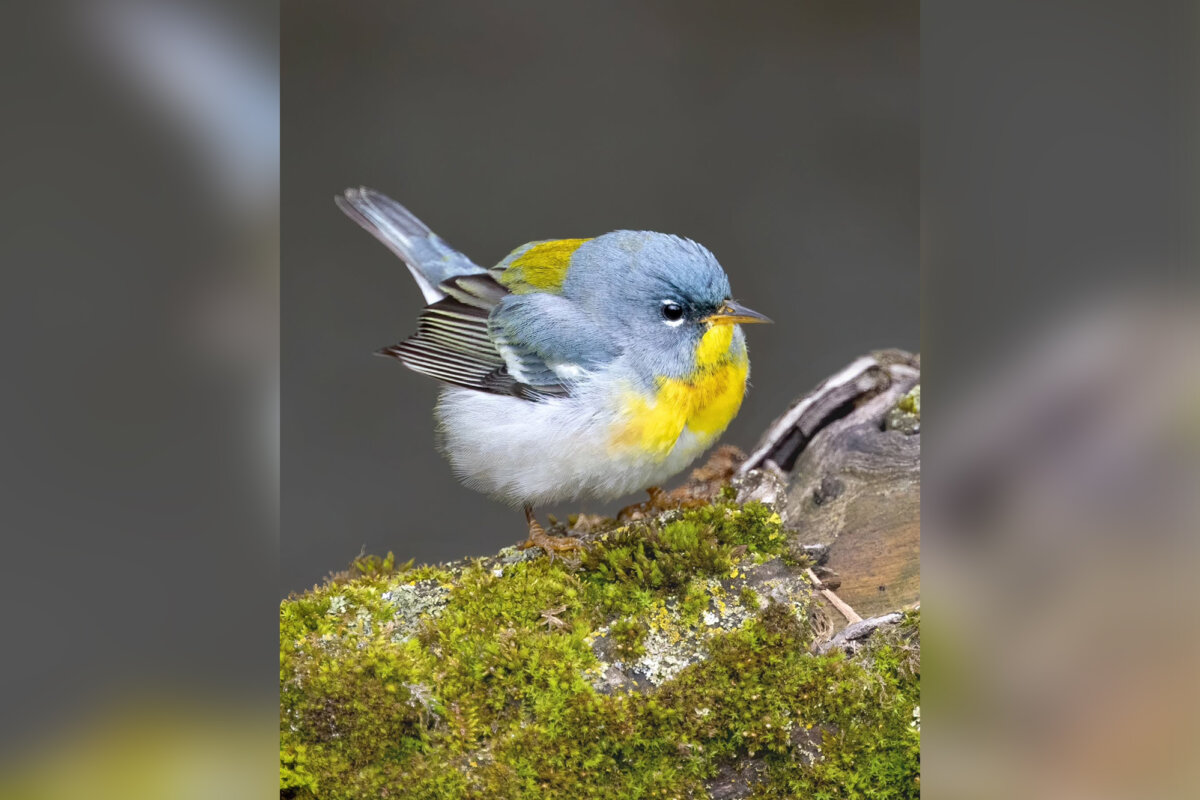
In exploring the wonderful world of warblers, Dvorak has encountered the red-face Lucy, Grace’s warbler, and the painted redstart. He’s photographed the colima warbler, golden-cheeked warbler, and tropical parula.

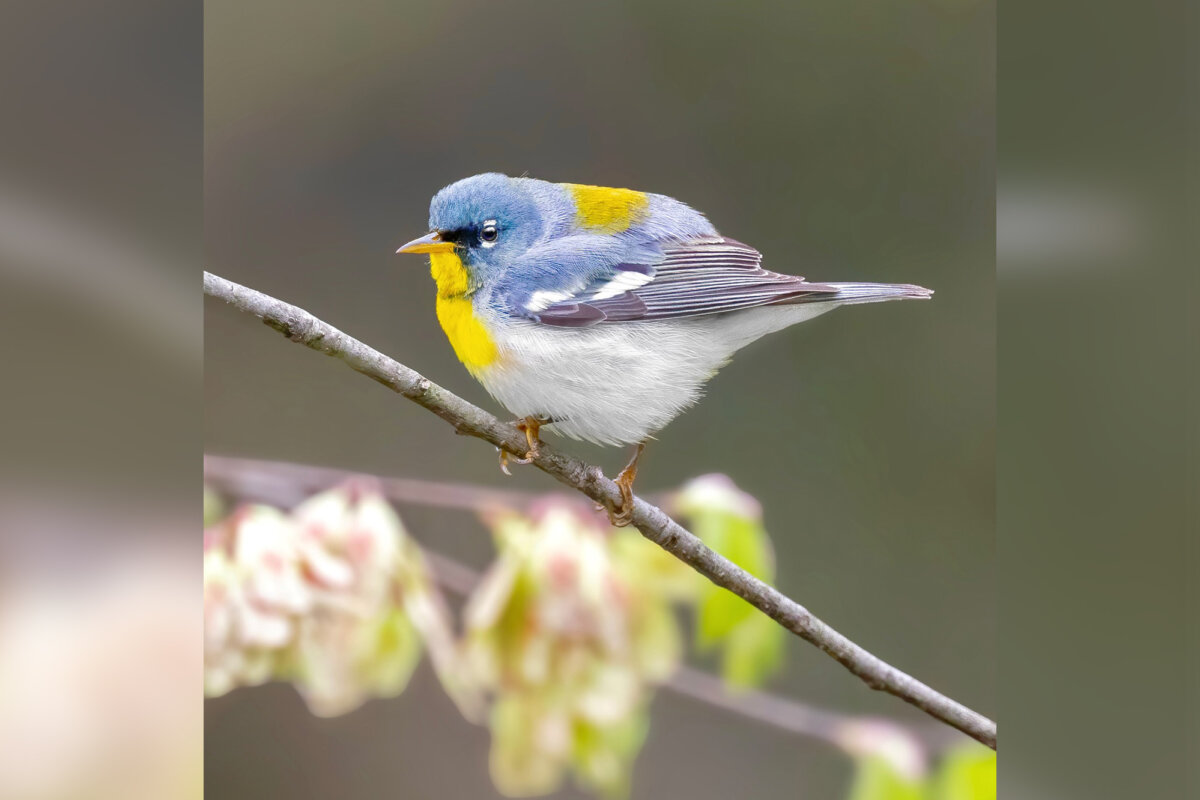
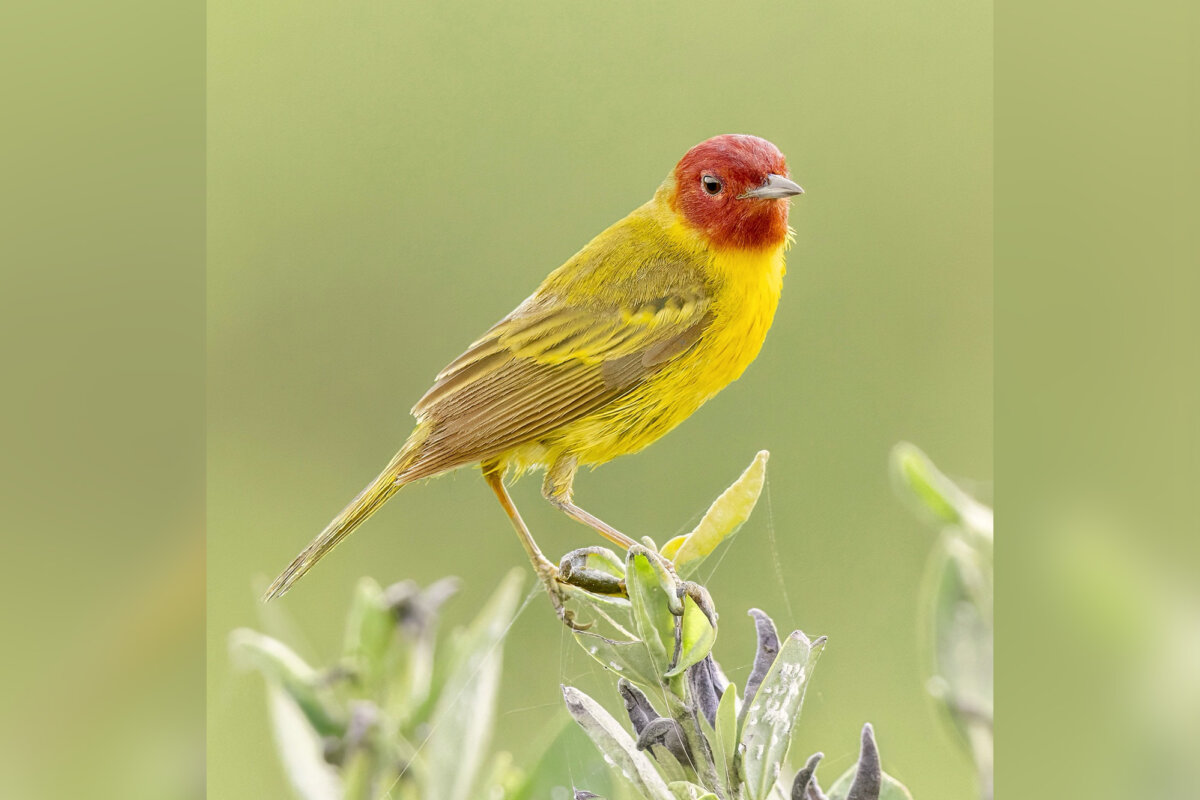
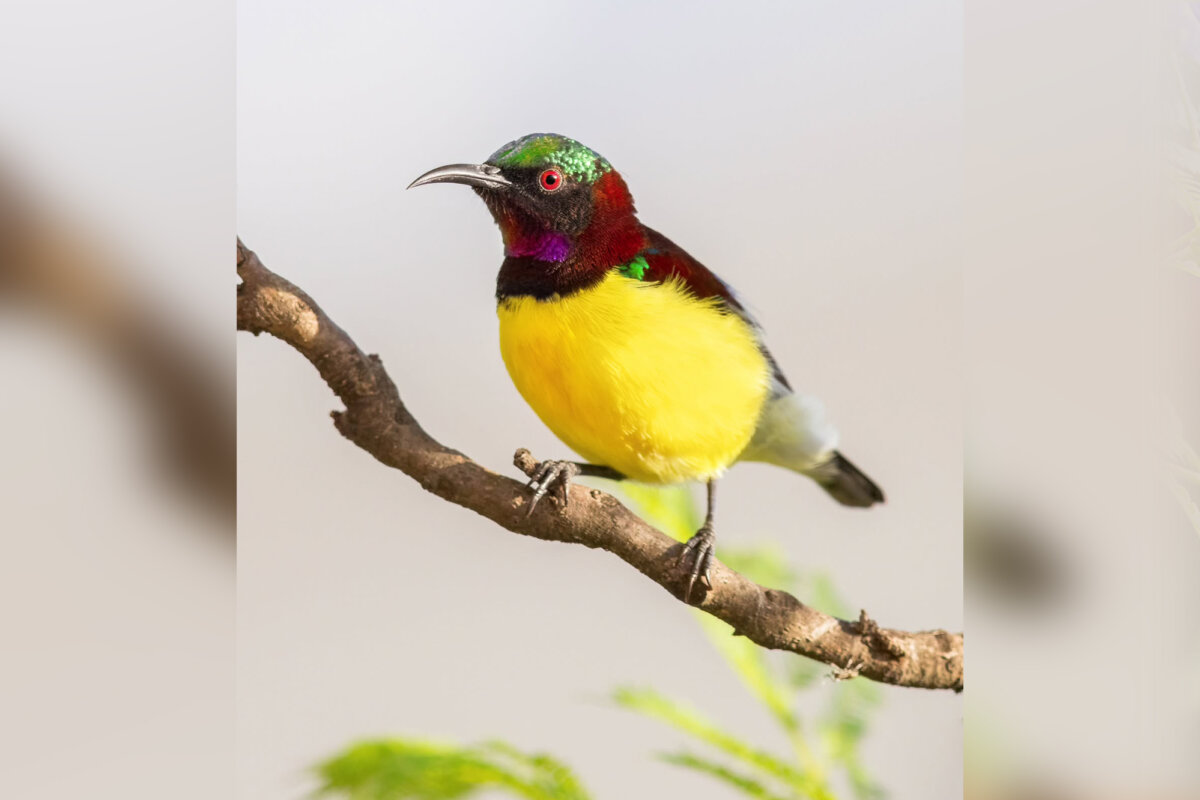
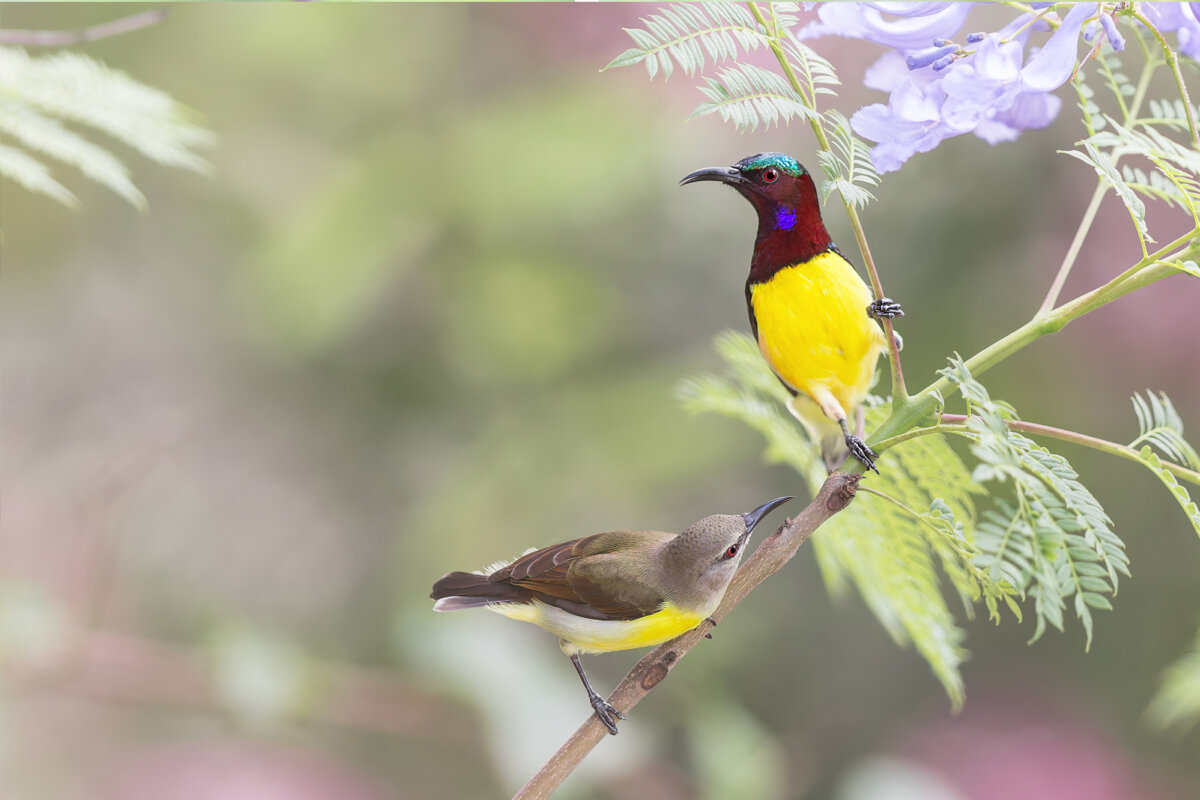
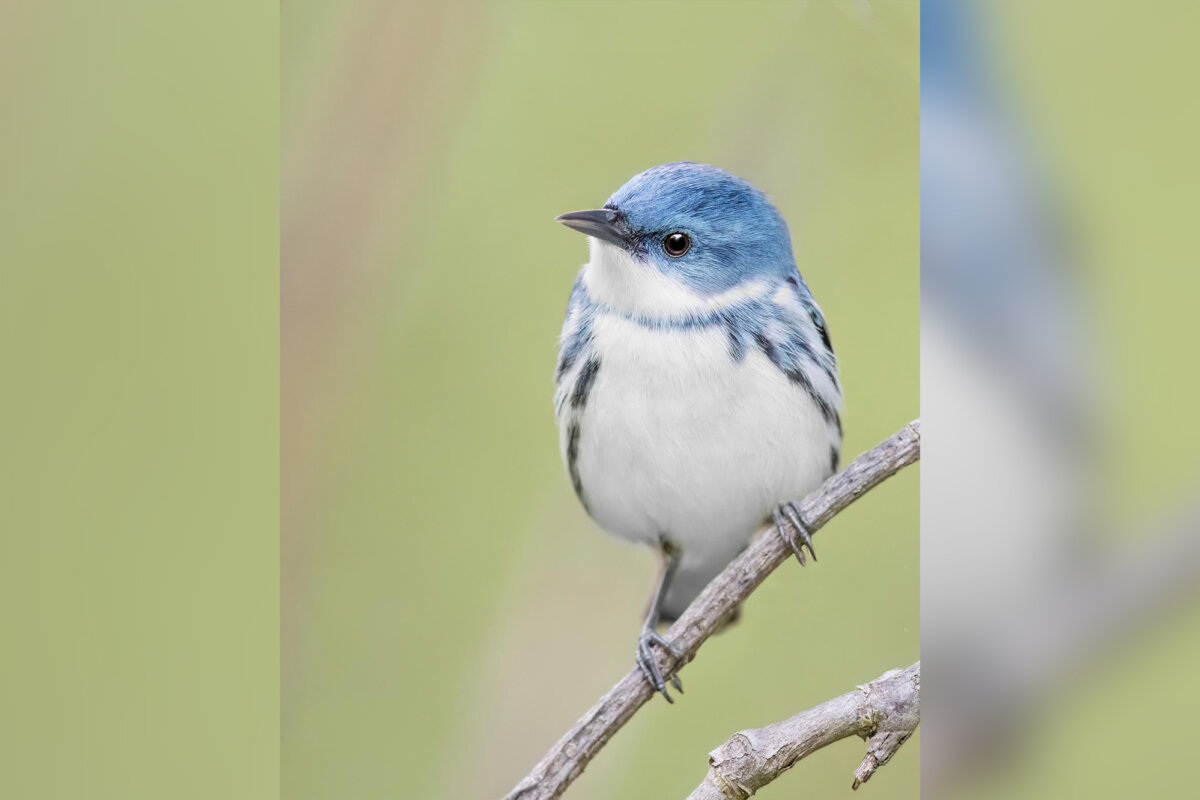
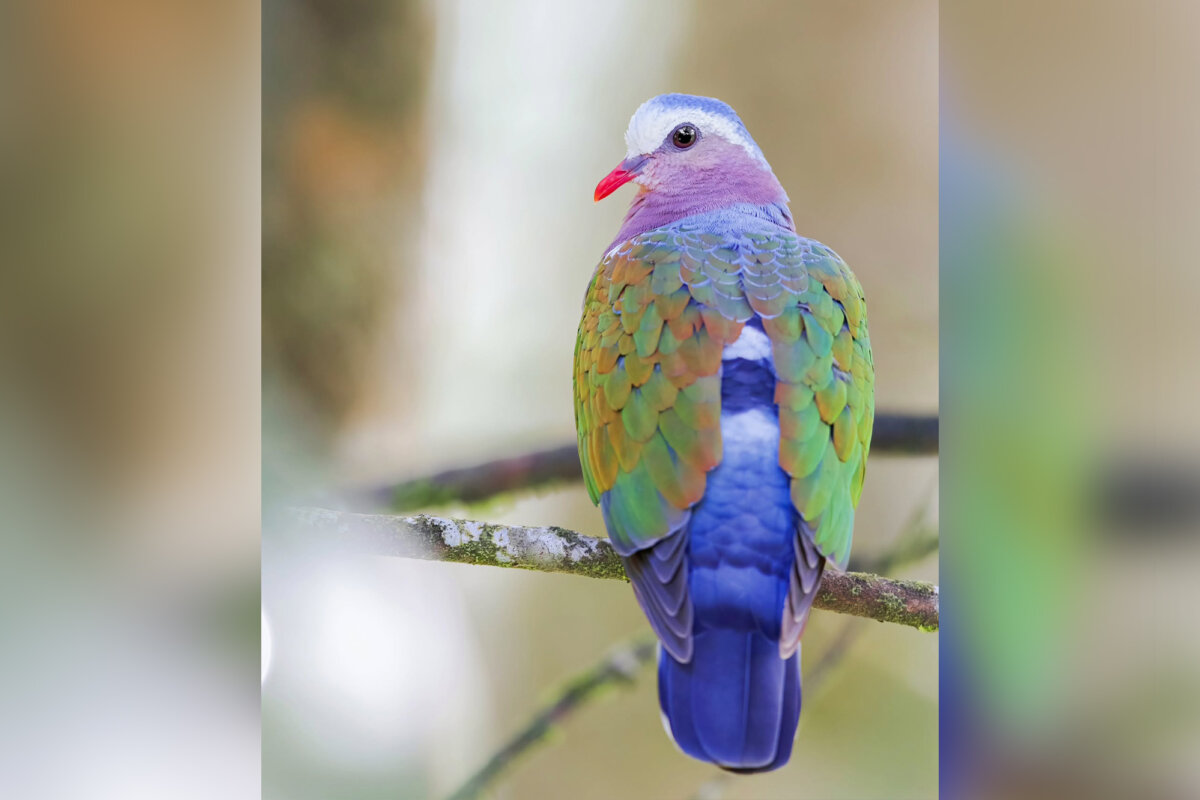
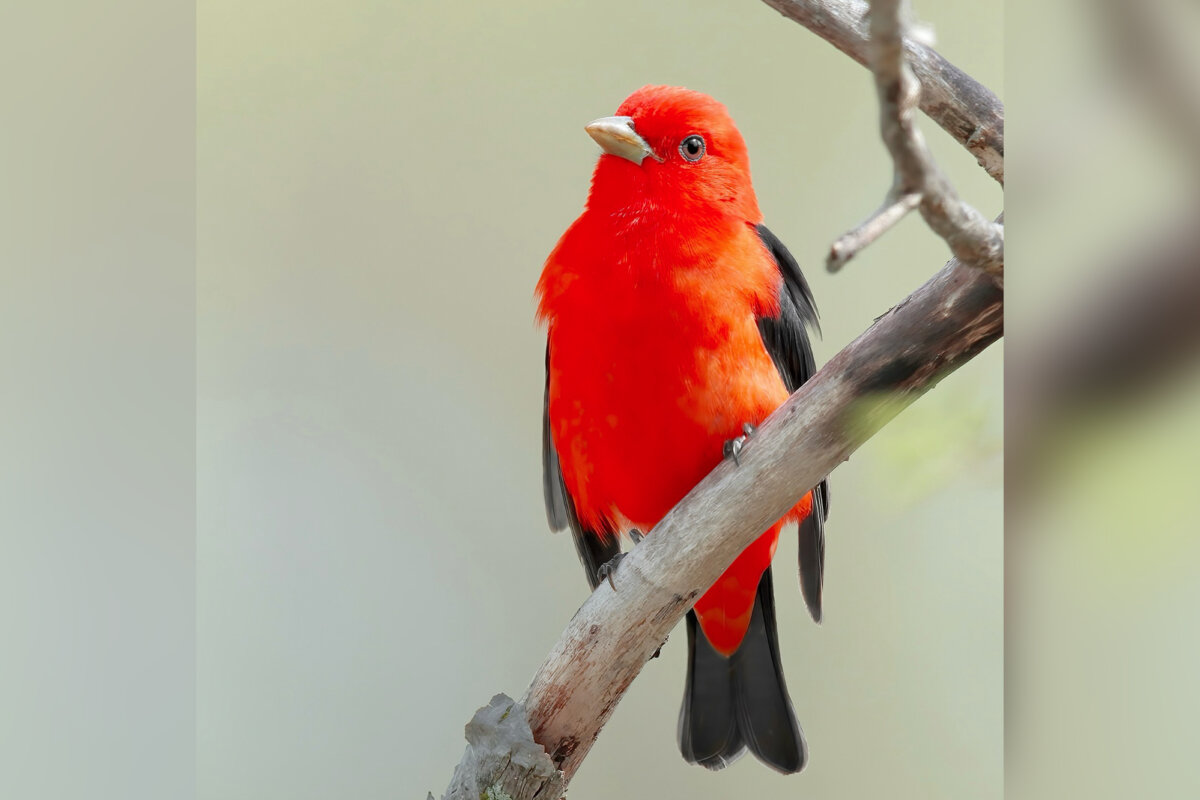
But sometimes these bright birds are found closer to home. Dvorak’s journeys led him to “a ridiculously ethereal place,” he said, namely Agonquin Provincial Park in Canada “where coniferous forests of the great north crash against the deciduous forests of the south.” He calls it “pure magic.”
“I photographed the evening and pine grosbeaks here,” he said, “as well as white-winged and red crossbills.”
He noted another bird, the Connecticut warbler, and identified it as his “nemesis bird,” which he finally photographed in a bog in Wisconsin. Driving through wetlands, he heard the Connecticut warbler’s call and hit the breaks before jumping from the car with his camera.
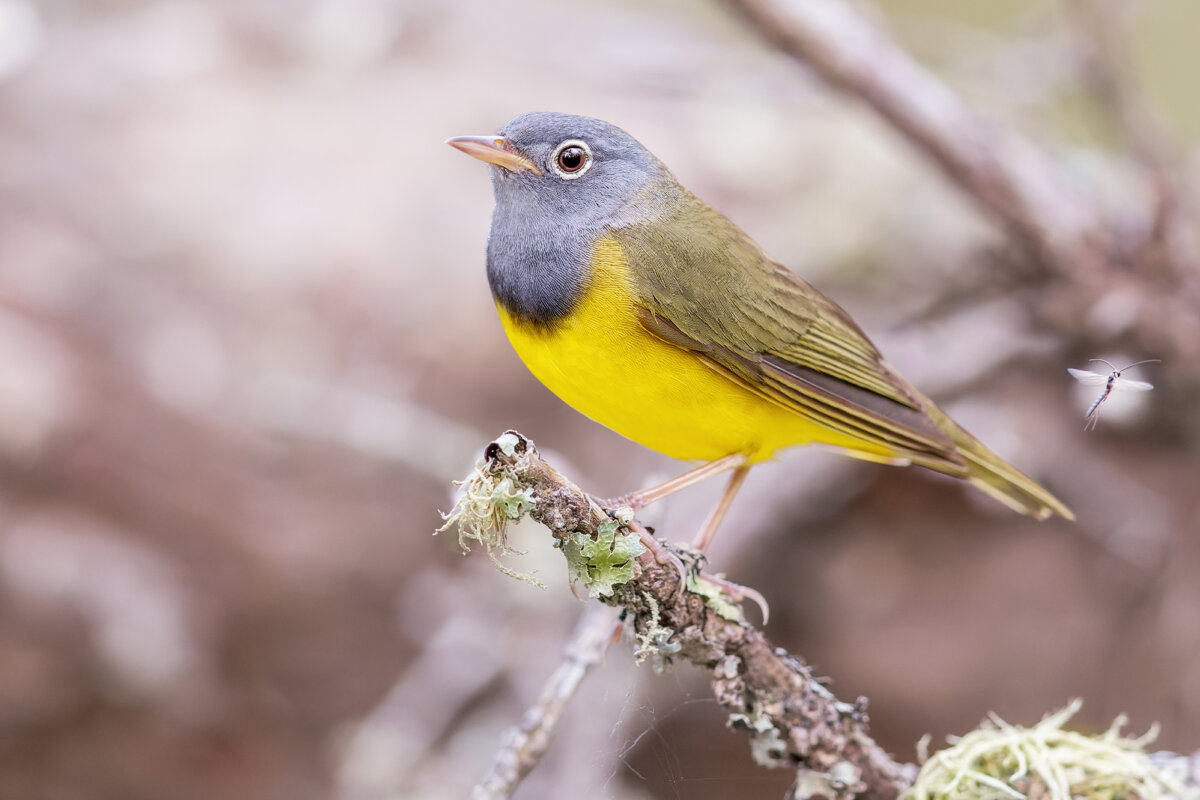
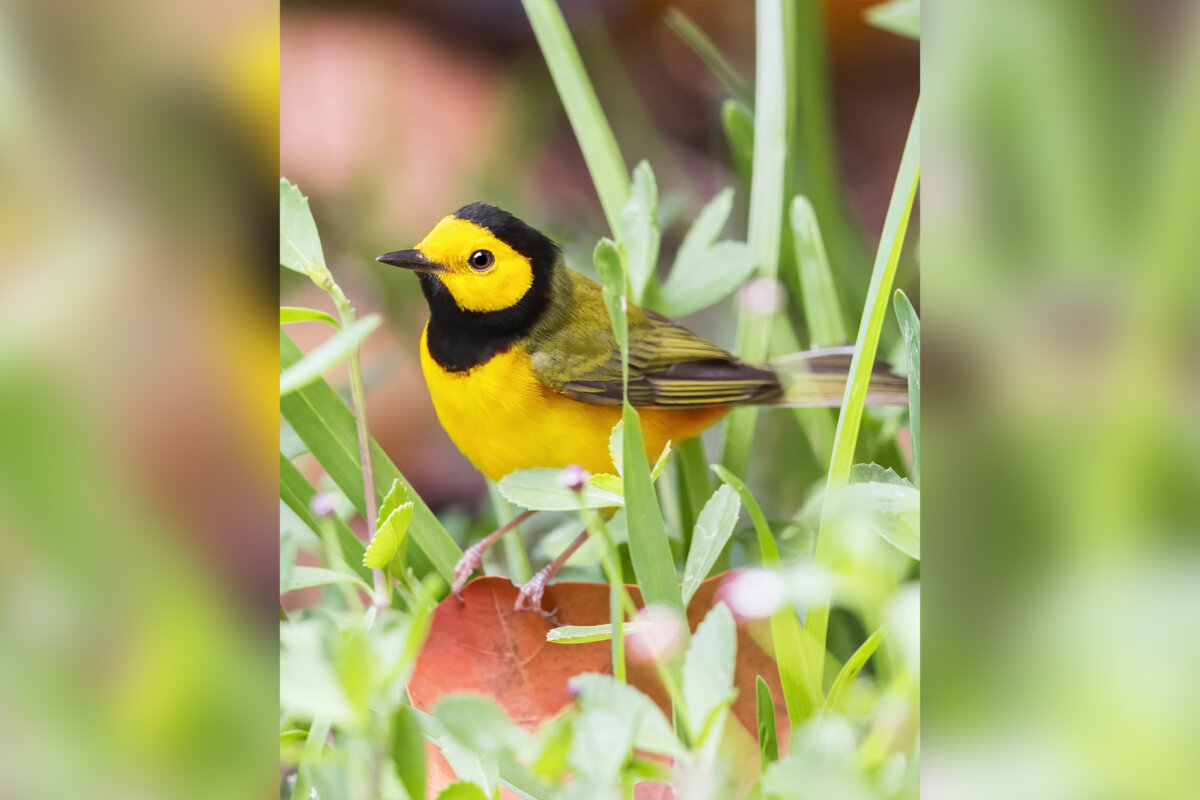
Following the warbler’s song, Dvorak found it and prepared his shot.
“In those moments, a battle erupts between a combustive adrenaline and a necessary composure,” he said. There are no quick movements. He raises the camera and slowly lowers himself to the ground. After snagging the photo, Dvorak had to find his car, which had nearly been lost in all the excitement.
The intensity of the moment can be rapturous for Dvorak, almost a transcendental experience.
When lining up his camera with a particularly rare warbler, Dvorak is laser-focused on his subject and mesmerized by the exposure triangle—the aperture settings, shutter speed, and ISO.
“When I’m behind the camera and working with an interesting bird,” he said, “all the stresses completely melt away.”