



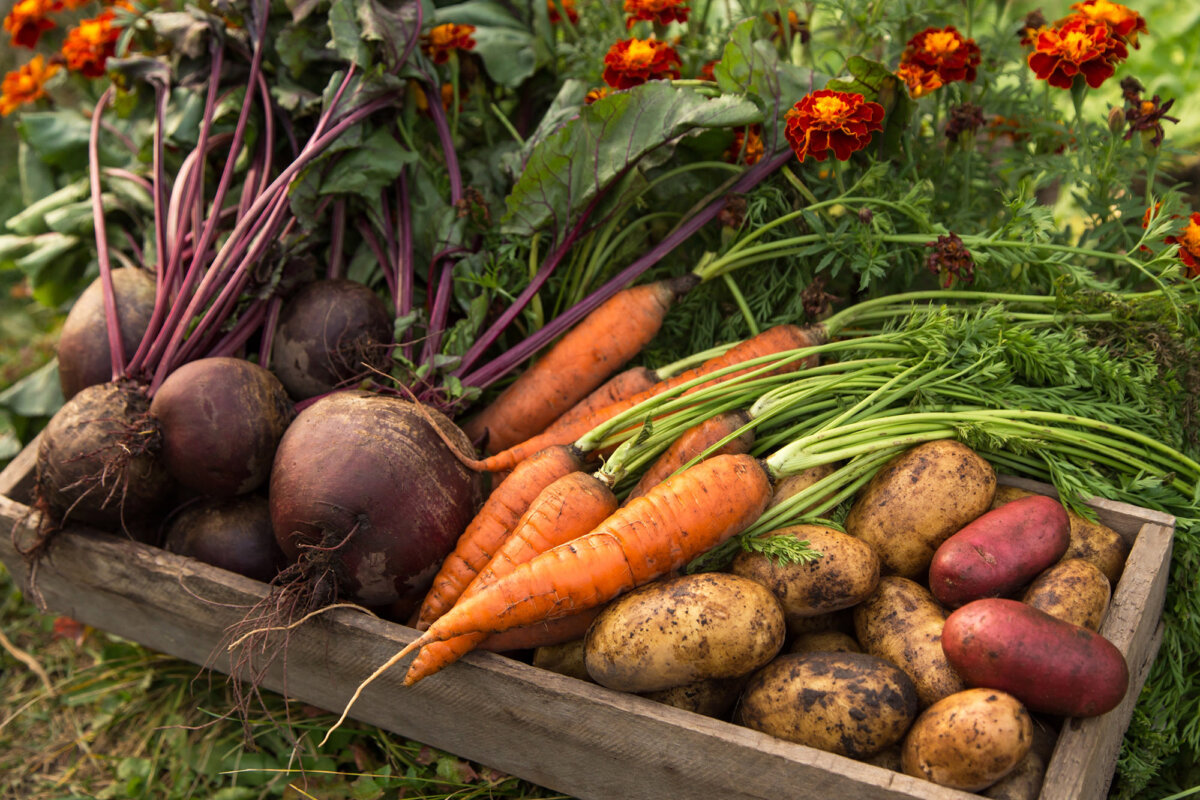
One year, I grew watermelons here at Owl Feather Farm. My wife, Nicole, loves them. They are the epitome of late summer succulence. What could be better on a hot August afternoon than to slice open a juicy 12-pound melon on the picnic table, grab a glistening crimson piece, chow down, and sluice everything off afterward with the garden hose?
The melons I grew were a yellow heirloom Polish cool-climate variety. The ones I harvested were 6 inches at best and, when sliced open, yielded about four tablespoons of melon flesh. They ripened in early October, not late August, and tasted … OK. Better than a poke in the eye with a sharp stick, as they say in Kansas. But we’re not in Kansas anymore, Toto. We’re on a small island in the Salish Sea.
At our local grocery store, melons grown in one of America’s best places for such crops, Hermiston, Oregon, begin arriving in big wooden bins at about Aug. 1. Piles of beautiful, hefty red and yellow melons are there for the taking if you must have one of these iconic, super-fussy, high-maintenance fruits.
The home garden is where dreams and expectations meet reality. In general, all three are in sync: Homegrown food tastes infinitely better than store-bought; it’s notably more healthful; and planting, preparation, and consumption are spiritually beneficial. Highly so—my garden is one of the very few places on Earth where I experience that elusive Zen objective: a still mind.
That is, except when I’m thinking about all that I’ve learned. No, home gardeners cannot easily grow decent watermelons.
Myth: You Can Fool Mother Nature
Even if you live in a warmer, longer-summer location than I, watermelons are still difficult to grow. That’s just how it is. One common mistake: People think they are desert plants and overlook the first word in the fruit’s name. But that’s not all. Aspiration, intention, and dedication go a long way in the home garden—but not all the way to Eden.
Although gardeners and growers have many gimmicks and strategies to grow challenging items and boost their results, eventually nature says, “Enough!” Consider okra, a vegetable from Africa brought to the United States by slaves. People sneer at it, but it’s a key ingredient in one of my favorite dishes, filé gumbo. Plus, pickled okra is dandy. No matter: I’ll never be able to grow it here. Even my sister, who gardens in the oven-like climate of the Texas Gulf Coast, has never really managed it.
In the end, nature is the boss. Your land will tell you what to grow. Listen to it.
Myth: Hybrid Seeds Are Best
For commercial agriculture, this may be true. Hybrids are designed for maximum yield under industrial conditions, and this almost always relies on large inputs of fuel, machine work, and chemicals.
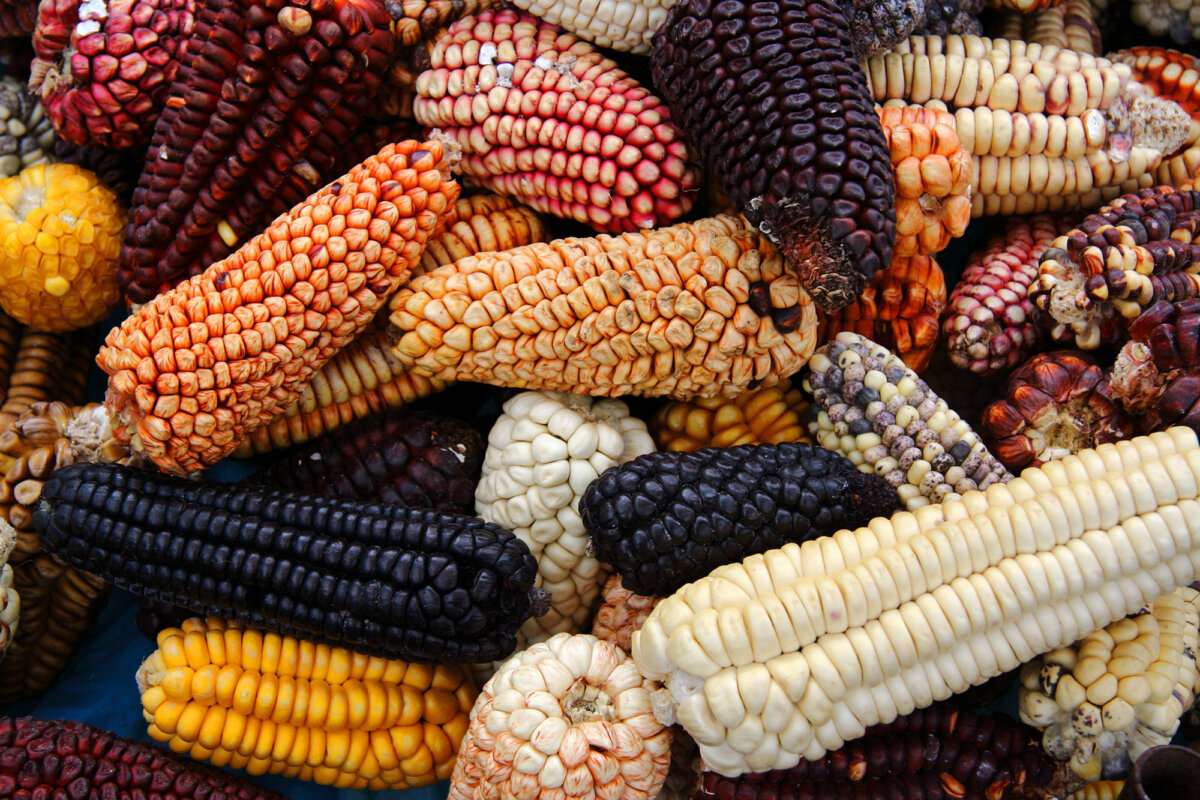
All the modern hybrid varieties I’ve ever tried in my garden were outperformed in vigor, reliability, production, and flavor by older heirloom varieties. Those are now all that I grow. My most robust corn is an ancient yellow flour corn that’s been grown in the Hopi Nation of northern Arizona for 1,300 years. I have a red bean variety given to me at Taos Pueblo that is centuries old and far more dynamic than any other bean I grow.
Agronomists talk of something called “hybrid vigor.” I guess that means agri-chemicals won’t kill it.
Myth: Seed Catalogs Tell the Truth
Consider days-to-maturity ratings—almost all seed descriptions have these, and they provide useful comparative indications of season length … but it’s only an indication. It can vary by weeks, depending on your locale, your horticultural approach, and that year’s weather.
Helpful advice is as relative as political commentary. “Best for northern gardens” is inherently framed within the universal desire to slice open large red tomatoes in August. After trying a half-dozen such types with poor results, I abandoned that mission and now grow a large, gorgeous, luscious gold heirloom (Kellogg’s Breakfast). Most years, it doesn’t ripen at my farm until mid-September.
Please remember seed catalogs are advertising circulars, not gospel.
Myth: Choose Drought-Hardy Varieties
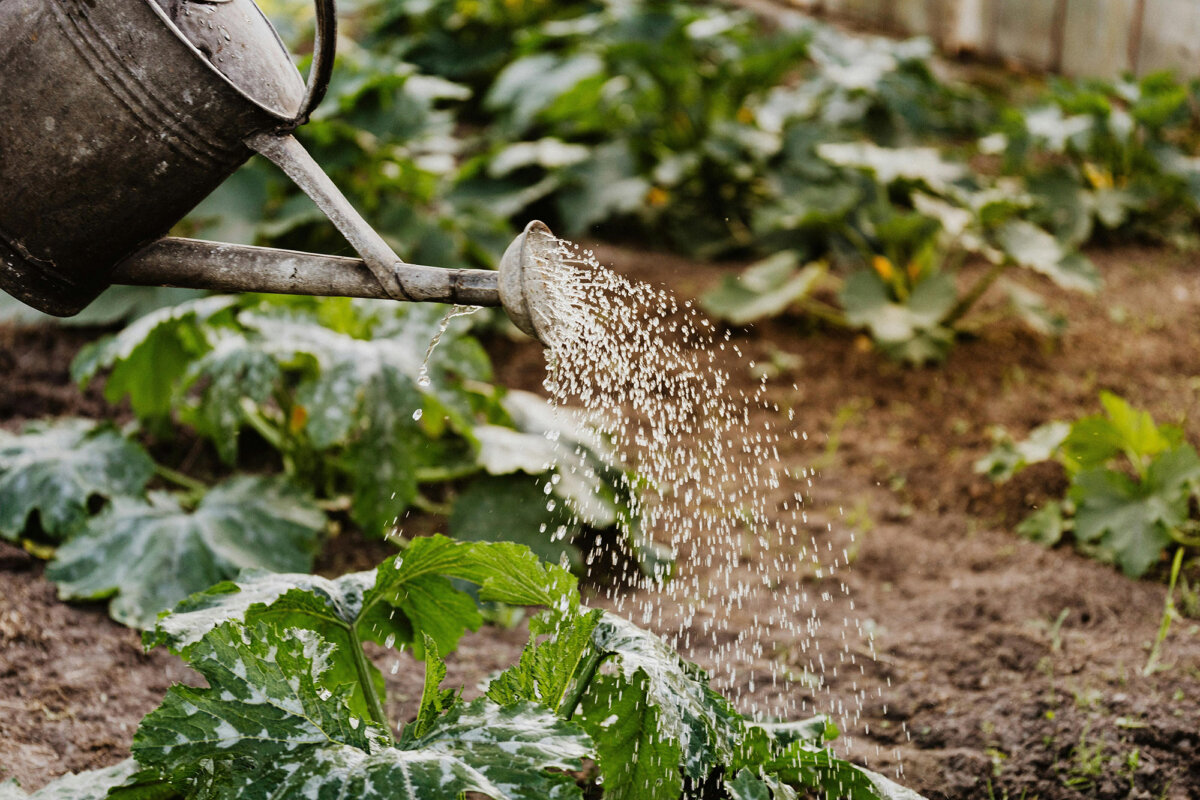
There are no drought-hardy garden plants. A few are drought-resistant, meaning that they may get by with little water, although they won’t thrive. Examples include arid-land dry beans such as pintos, maybe. Fennel. Shasta daisies. Otherwise, if you have a garden, you have to provide ample water. For almost everything, that’s an inch a week. Trees and berries, every two weeks.
You can’t slack on water if you want a thriving garden. If you have rainfall, make sure you check the ground before you put away the hose for a week. There’s only one sure way to check: Plunge your index finger into the soil as far as it can go. If you detect water at your fingertip, it’s fine. Moist, not damp. Damp won’t do.
Rain gauges are interesting but not definitive: The ground can dry out even after the rain. I was digging up one of my raised beds back at the end of April, after a reasonably wet month, and the soil was dry and hard 8 inches down. How? Cold wind and plenty of sun.
An inch a week. Pour it on. If you need to save water, let your lawn go dormant. It’ll do fine. Tomatoes won’t.
Myth: Drip Irrigation Is Best
No, it’s just more convenient. For you, not the plant.
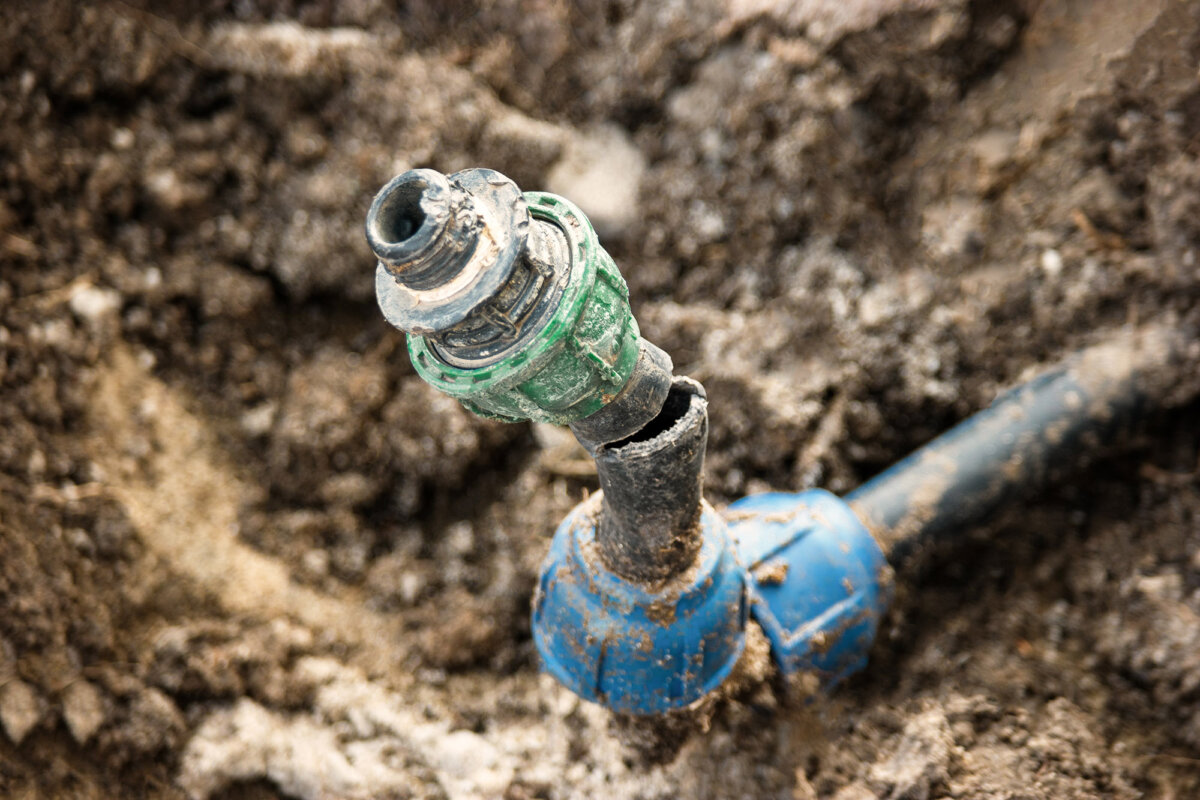
Ever hear of the “drip onion”? That’s the bulb-shaped moist zone dripping water makes below ground … beneath the drip. Roots go where water is, and if you provide a moist zone the size of an overgrown football, that’s where the plant’s root structure grows. But plants naturally want to send their roots far and wide. Every tree has roots that extend below-ground at least as far as its branches above—or should have. That’s how far out you should ideally water.
As for convenience—drip irrigation’s elaborate system of (plastic!) pipes, valves, and emitters is expensive, fragile, and fraught with trouble. You will accidentally mow it or weed-whack it. Alien invaders such as raccoons will find it a chomp-worthy squeeze fountain. Ravens will peck. Hard freezes will crack it, and high heat will warp it. Timers will get ants in their cogs and decide to water for 2 minutes only. Wow, convenient.
I water my whole garden by hand. Yes, really. It does take some time, but it’s wonderfully meditative. It gets me outside in the fresh air and sun, I can carefully apportion just as much water as a bed needs, and it turns out my TikTok fortune was a mirage. Instead, I have the best sweet corn and tomatoes on my entire island. True treasure isn’t measured in dollars.
I have invented a super low-tech drip-like system for my fruit trees: I set the hose nozzle on a wide light spray, scale back the water volume, hang the hose and nozzle in a branch high in the tree, and leave it for an hour. Meanwhile, I go chill in the lounge chair.
No, actually, I pull weeds.
Myth: Just Get a Bag of Potting Soil
Although it’s fine to mix it in with regular soil, potting soil is a poor growth medium by itself. It’s almost entirely organic matter (peat moss), dries rapidly, and is hard to rewet. There’s a reason they burn peat moss for fuel in Ireland! In high summer, if you have a planter box or pot that’s 100 percent potting soil, you may need to water it carefully twice a day or more.
But all the vegetable starts and plants sold at nurseries are in potting soil! Yes, and they are all grown in facilities with overhead misters on electronic timers that keep them constantly moist. You don’t have that in your garden, nor should you.
Myth: You Can Eradicate Weeds and Pests
This troublesome idea is a ludicrous outgrowth of the picture-perfect lawns, gardens, and orchards you see on TV. It causes tidal waves of chemical pollution just so nary a dandelion is found at a home in the Hamptons. But weeds and pests are part of nature and no more extinguishable than sunshine.
The best you can do is keep weeds and pests down to a dull roar, which is a pretty good outcome if your efforts yield healthy, tasty, nutritious fruits and vegetables in reasonable quantities. Each year, I lose 10 percent or more of my seedlings to slugs. Please don’t tell me about bowls of beer. Yes, I tried that. I tried everything except poisons, and the same is true for the weeds I battle (bindweed, anyone?). I’ve accepted peaceful coexistence.
An agronomist visiting my farm once told me that, on our island, the average square yard of ground holds 1,000 weed seeds—1,000! It would take tactical nuclear weapons to overcome that.
I keep ’em in check, that’s all, and nature grants me such a bounty that we literally have something homegrown on our supper table every night of the year.
Myth: Listen to the Experts
Once I read an alluring idea in a gardening column—potatoes are drought-hardy plants, need little irrigation, and can be grown “rather dry,” yielding better-flavor spuds. At first glance, this made sense; after all, they originated on the arid slopes of the Andes Mountains. So I tried it, silly me.
I got puny nubs that tasted like newspaper. There was no going back, either: A drought-stricken plant goes into panic reproductive mode, does its feeble best and shuts down, turning the whole matter over to the next generation next year. Let’s go back to my water rule, an inch per week. That means everybody, including potatoes.
Another time, a beautiful 15-foot pear tree in my former Seattle yard got a disease, and ugly blisters obliterated every leaf. I took a branch to the nursery where I got it, and their fruit expert told me it was a viral infection and that the only treatment was a massive drenching with powerful pesticides—and that might not even work.
“If I were you, I’d take it out and start over,” the expert said.
I couldn’t bring myself to axe the tree (it didn’t look dead) and left it in place the whole summer and following winter. Next spring, it leafed out gloriously, bloomed lavishly, and bore 50 pounds of fruit. The tree had gone dormant—yes, a whole year—to fight the infection, the virus died off, and a year later, all was well.
In your garden, you’re the expert. I made an instinctive decision based on my intrinsic values and expectations, and nature corroborated my choice. Nature can and does let me know when I’m wrong, too.
Growing things is both spiritual and intellectual. By necessity, it requires critical thinking, so it’s a good thing that natural, fresh fruits and vegetables are apparently key to long-term brain health. That’s way better than anything you can get at your local pharmacy.
Some of my myths may not apply in your yard. Here’s how to find out:
Put seeds and plants in the ground. Care for and honor them, and they’ll reward you a thousand times over. That’s not a myth.
