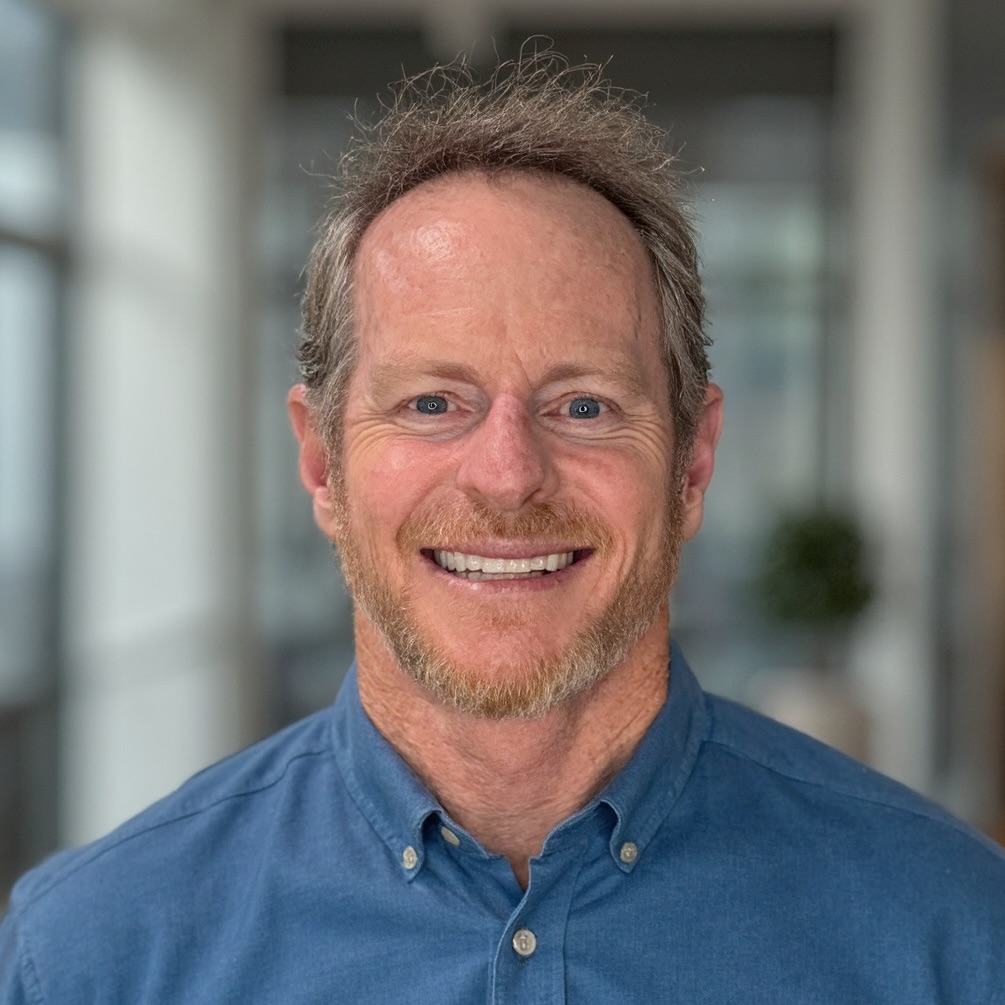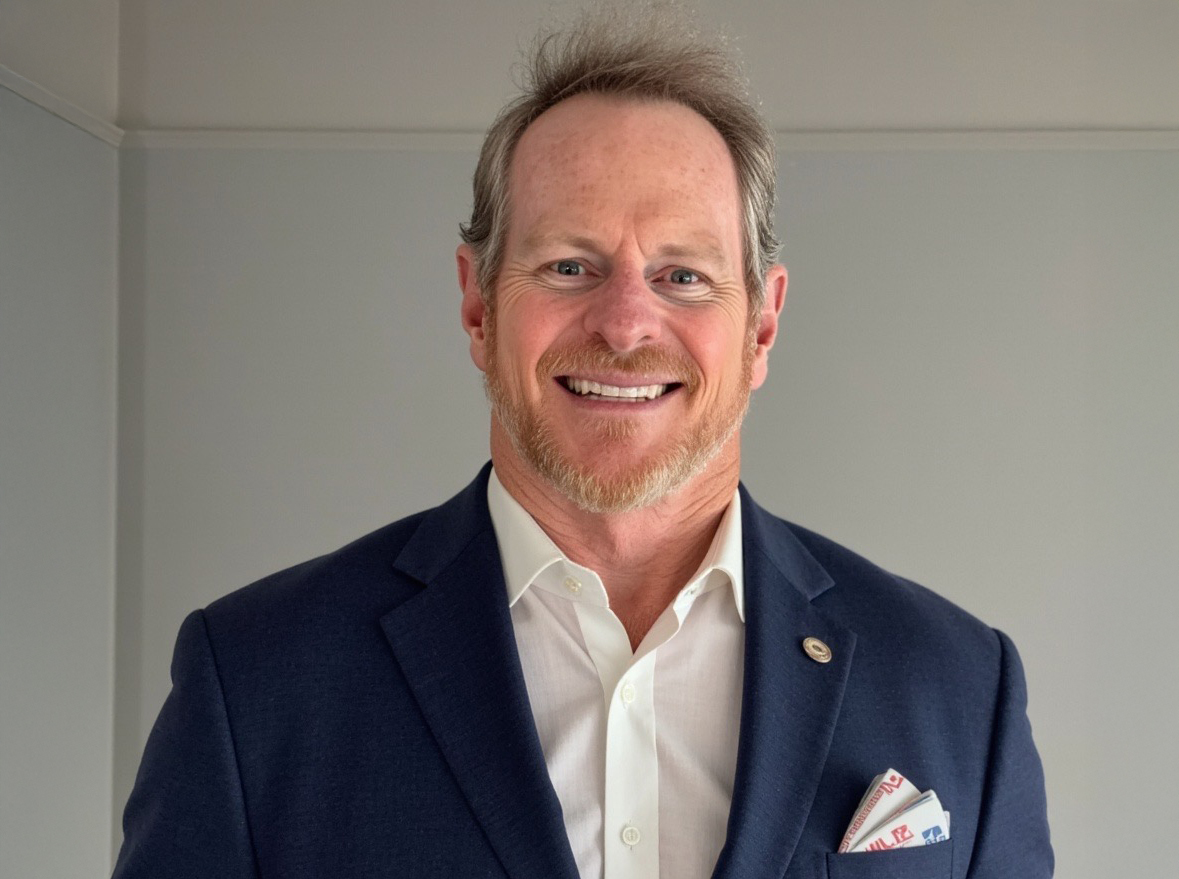
Retired Navy SEAL Capt. John Doolittle first joined the military in the late 1980s. He said a big reason for his enlistment was the movie “Top Gun.”
“All I wanted to do was fly jets and be like Tom Cruise,” Doolittle said.
Over the course of his 25-year military career, however, his motivation changed.
“I’m here to help people,” he said. “That’s the reason God put me on this earth.”
That sense of service inspired Doolittle to swim the English Channel in 2004. The purpose of his swim was both to raise money to support families of fallen soldiers and to honor Petty Officer Neil Roberts, a fellow SEAL who had been recently killed in combat.
It would take a lot of training and determination to get there. Although he swam competitively in college, the Channel brought challenges he had never faced. One factor was distance. At its shortest point, from the southern coast to England to the northern coast of France, the English Channel is 21 miles. However, swimmers can expect to paddle several additional miles due to the force of the current.
Doolittle once swam five miles as part of his SEAL training, but that was in a wetsuit and fins, and such aids are forbidden to Channel swimmers.
Another hurdle was temperature. The English Channel is a marathon swim in cold waters. Just to qualify for an attempt at swimming, candidates have to prove that they’ve spent at least six hours immersed in water 61 degrees Fahrenheit or colder.
“My first swim lasted five minutes,” Doolittle recalled. “My whole body was jackhammering, and my hands were like claws. I was so depressed.”
Once Doolittle could conquer the cold, it was time to make the swim. For the entire journey, he was accompanied by a pilot boat that carried an official who made sure rules were met, as well as friends and family to cheer him on.
“They could see me struggling,” he said. “I was having a hard time.”
Cold, tired, and having thrown up from gasoline fumes billowing from the pilot boat, Doolittle said his struggle reached a peak. That’s when his dad unfurled an American flag he had stowed aboard the pilot boat, giving his son a symbol to stir his drive.
“When I saw it, I remember this feeling washed over me,” Doolittle said. “I was like, ‘John, this isn’t about you. This is about Neil, and it’s about all the guys like Neil that we’re going to lose in these wars. You’re doing it for them.’”
Doolittle swam across in nearly 12 and a half hours.
Many of Doolittle’s stories speak of his passion for helping people. “I think some of the things I’ve actually done since the military are more in line with that, but my journey in the military absolutely shaped me,” he said.
Helping People
In December 2012, Doolittle received devastating news. A friend of his, a SEAL team commanding officer who was at the pinnacle of his career, died from a self-inflicted gunshot wound to the head.
“We both went to the Air Force Academy together. We both went into the Navy together. We both went into the SEAL teams,” Doolittle said. “It was very, very personal to me.”
His friend’s suicide wasn’t an isolated incident. Doolittle recalls that active duty members of the Special Operations Command had the highest suicide rate of any federal entity in 2012.
It inspired Doolittle to work for the U.S. Department of Defense’s Preservation of the Force and Family program, where he could help service members before they reached that breaking point. His aim was to connect servicemen with mental health resources by making them easy to access.
“Instead of a guy having a major work or life stress and having to, on their own, decide to go see a counselor across the base or out in town, or worse, we started embedding health professionals into these operational units. We hired counselors, LCSWs [social workers], clinical psychs, operational psychs, and we embedded these into the operational command units,” Doolittle said.
Doolittle eventually left the military to spend more time with family, but he maintained a strong connection with the men and women he served with, often with an eye toward improving their health.
His first job out of the service was with Kaatsu Global, a Japanese organization that develops elastic, pneumatic bands designed to accelerate recovery after an injury. Doolittle was amazed by how the product assisted him in his recovery following a second rotator cuff surgery and later helped to provide them to veterans with chronic injuries.
“I was back to full range of motion, strength, power, and agility in almost exactly half the time,” Doolittle said. “As I’m getting ready to get out of the military, I wanted to meet the founder of Kaatsu. So I go out to Tokyo and I meet Dr. Sato, and the rest is history.”
Doolittle was recently appointed as the director of the Florida Chamber Health Council, where he works to make mental health resources available to even more people. Within the Health Council, Doolittle will lead the launch of the Mental Wellness Institute, which will focus on improving behavioral health for the state’s workforce, veterans, first responders, and youth.
“No matter how tough guys think they are, everybody’s got a breaking point, and it’s so important for people to understand and recognize that, because it’s the peers, friends, teammates, and colleagues that can stand between somebody making a permanent decision to a temporary problem,” Doolittle said.
“If it’s going to help people, that’s what I’m all about.”
___
Life Lessons
Find Strength in Numbers
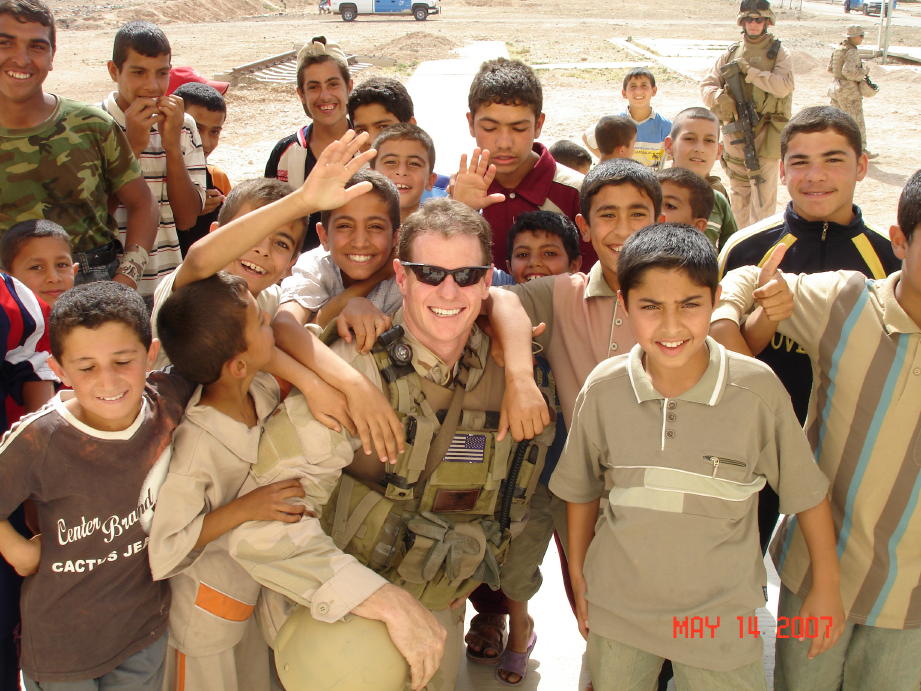
Doolittle said he draws strength from the support of others. He is very much a team player—a sense that was solidified while working with the SEALs.
“I learned that if you surround yourself with like-minded individuals, even if it’s just a small team, what you can achieve is pretty amazing,” he said.
SEALs spend the bulk of their time in training, and most of that training is team-based. Doolittle said officers are quick to weed out candidates who don’t work well with others. That’s because the bonds team training builds pays back on the battlefield.
“In a training environment, it’s super controlled. But when you’re doing stuff for real, it can be really, really difficult. And you absolutely have to have people that you love and trust. If you don’t have that, then things are going to go sideways,” Doolittle said. “There’s a reason they call it a brotherhood. And when one of your brothers is in crisis, you’ll move heaven and earth to help them.”
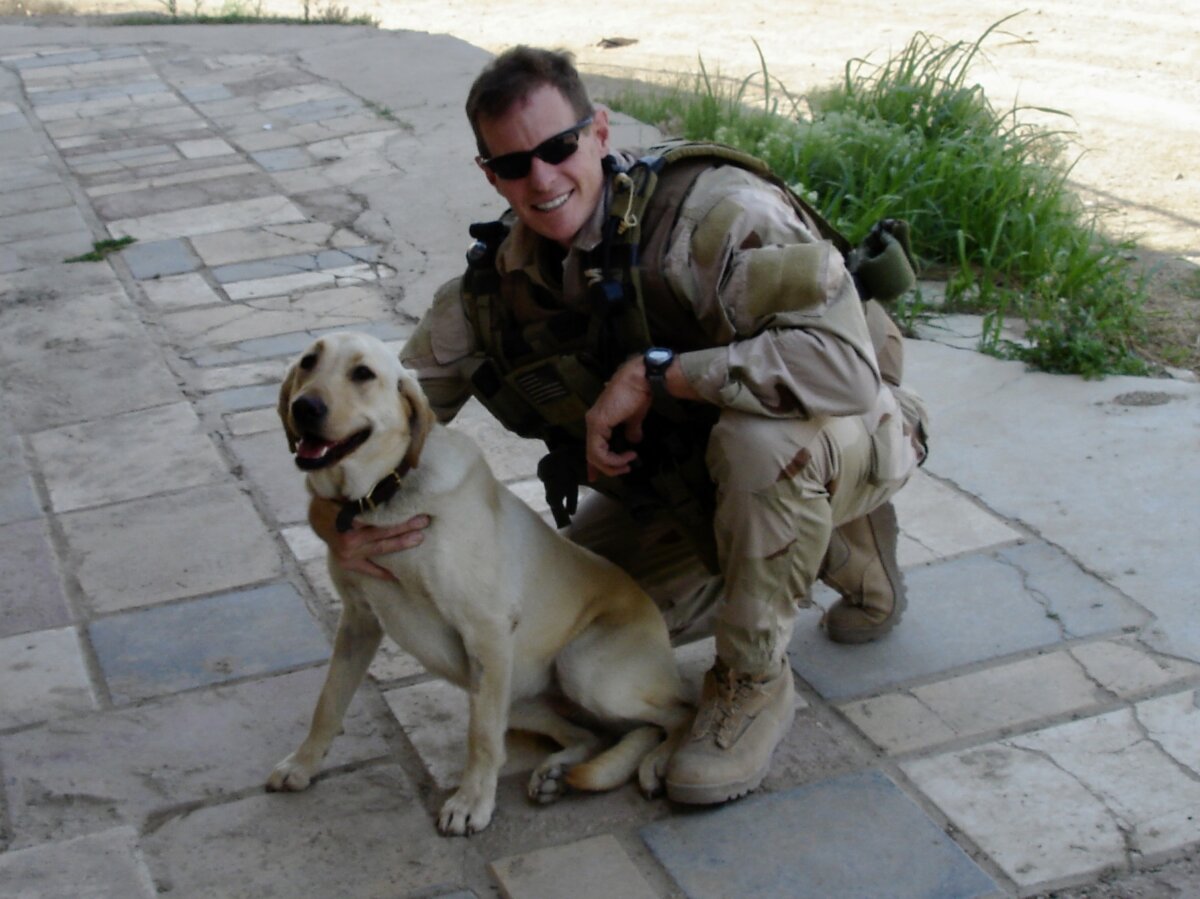
Build Strength of Mind
Navy SEALs are known for their resilience. This characteristic is forged in something called Hell Week, an event that subjects new SEAL prospects to five and a half days of the military’s most grueling regimens on less than four hours of sleep a night. On average, only about 25 percent of candidates make it through.
Doolittle said he mentally prepared himself for Hell Week by vowing that he wouldn’t quit, no matter what.
“That’s easier said than done. It’s definitely physically tough. But what I learned is that your body can always do a little more than you think it can do,” Doolittle said. “Your mind is stronger than your body.”
Seek Out Mentors
Doolittle credits his father for giving him valuable guidance throughout his life (as well as the love and support of his wife, Katie), but he said he also owes a lot to his college swim coach Mike Troy.
“He was a force of nature,” Doolittle said. “The guy had a story for everything.”
Doolittle said Troy was his mentor, and he said he believes that every young person can benefit from the influence of one.
“I think there’s huge value in somebody outside the family giving you a third-party perspective,” Doolittle said. “When somebody knows you—they know what makes you tick, they know where your passion lies—they can help guide you.”