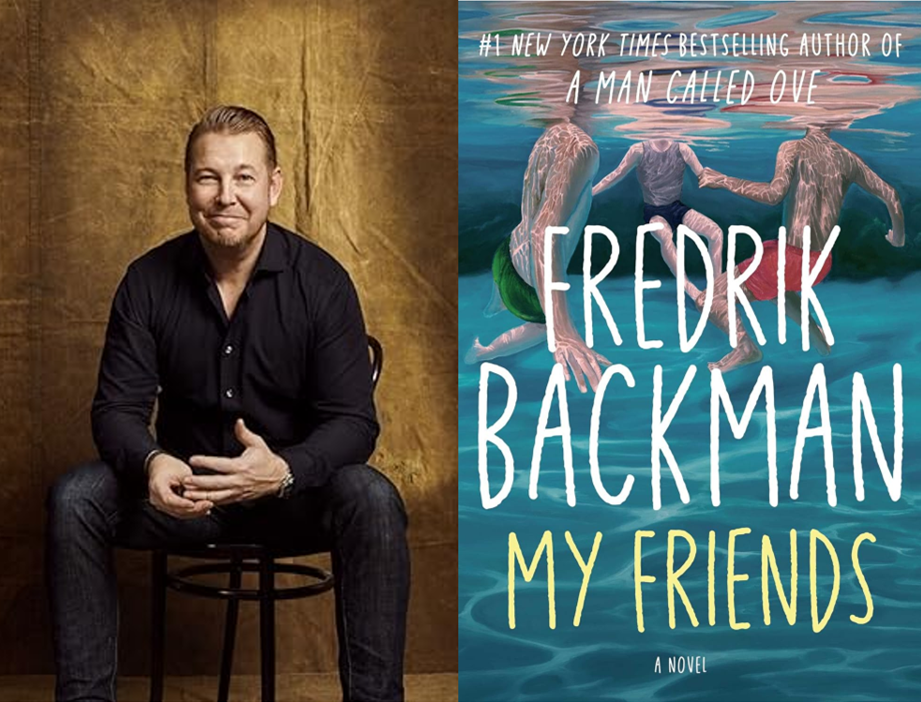
Author Fredrik Backman writes about suffering and how small moments of kindness and beauty can illuminate the way through it. His very successful novel, “A Man Called Ove,” was adapted into a film in his native Sweden, as well as into a U.S. film called “A Man Called Otto,” starring Tom Hanks.
Backman’s latest book, “My Friends,” is a hilarious and tender view into the private lives of several friends who inspired a famous painting, and the young newcomer who sparks a change in all of them. The book examines how art can motivate us, what it means to be alive, and the precious gift of laughter.
Lashing Out
Louisa is a tall, 17-year-old foster home denizen who’s about to commit an act of vandalism. “Sometimes Louisa is a genius, but sometimes she isn’t a genius,” which means sometimes she does stupid things. She’s also described as being “world-class” angry.
This interesting mix enables her to break into an exclusive art auction held at a church. Louisa intends to spray paint a famous painting that’s about to be sold.
The artist of the painting is known as C. Jat. Rumors are swirling that he’s about to die. His work of art, “The One of the Sea,” was the first work he painted when he was only 14 years old. The painting solidified his reputation as a prodigy, and it’ll likely be worth a lot more once he passes on.
To Louisa, the work holds a personal meaning. Though her motivations aren’t obvious, even to herself, she believes anyone who’d buy it couldn’t possibly appreciate it.
At the last minute, she changes her mind. Up close and personal with a painting that is mostly an ocean view, she can finally see the picture for what it really is. In one small corner of the work, three boys are sitting on a pier. The detail is a revelation that collapses her plan: “Any idiot can paint the sea. … This is a painting about laughter.”
She runs behind the church and is assisted by a supposed vagrant who hides her until the guards move on. Grateful, she thanks the man and opens up to him about the death of her best friend from the foster home, “who died of sadness,” and the fact that she’s run away and is now homeless herself.
Revelations
Louisa realizes the vagrant is very sick, possibly dying. Weakly, he asks if she wants to paint something on the wall behind them. Louisa accepts the offer and spray-paints a work that expresses her day, the guards, the buyers, and her dead friend. When it’s completed, the vagrant signs the painting, too. That’s when Louisa realizes the man is C. Jat, the artist himself. Before she can say much more, she has to run from the police.
Jat is mistakenly detained as her accomplice but is rescued by Ted, his childhood friend and one of the boys depicted in the painting. Ted takes him to a hospital but knows nothing can be done for him. Jat makes Ted promise to do one last favor for him.
Later, Louisa is shocked by the sudden appearance of Ted, who tracked her down to give her the painting. Being homeless, she has no idea what to do with a painting worth a fortune, so she pleads with Ted for help. At first, he politely refuses, but then shocks her a second time by breaking down in tears.
This moment marks the beginning of a kind of road trip for two traumatized characters; their broken spirits aggravate and nourish one another as they find their way back to some form of living and happiness.
Brilliant Writing
Backman’s writing style is very reminiscent of Kurt Vonnegut Jr. Detached, observational, and omniscient. Vonnegut’s writing enables the reader to see and know almost everything as it unfolds, viewing events from a distance in an almost clinical yet still charmingly personal way. It takes a lot of talent to get this balance right, and Backman has it in spades.
His characters don’t always make the smartest or most noble choices. But this technique—that slight detachment of viewpoint—gives the reader the breathing space needed to experience, empathize, and even laugh at what’s happening.
Almost every page contains moments of poignancy and relatability; there are small declarations of universal laws that the character knows to be absolute, yet are also incomplete in their own way.
“A teenager,” Backman writes, “is the best kind of human. … Little children think teenagers are the best humans, and teenagers think teenagers are the best humans.” The statement is both very flawed and entirely true at the same time.
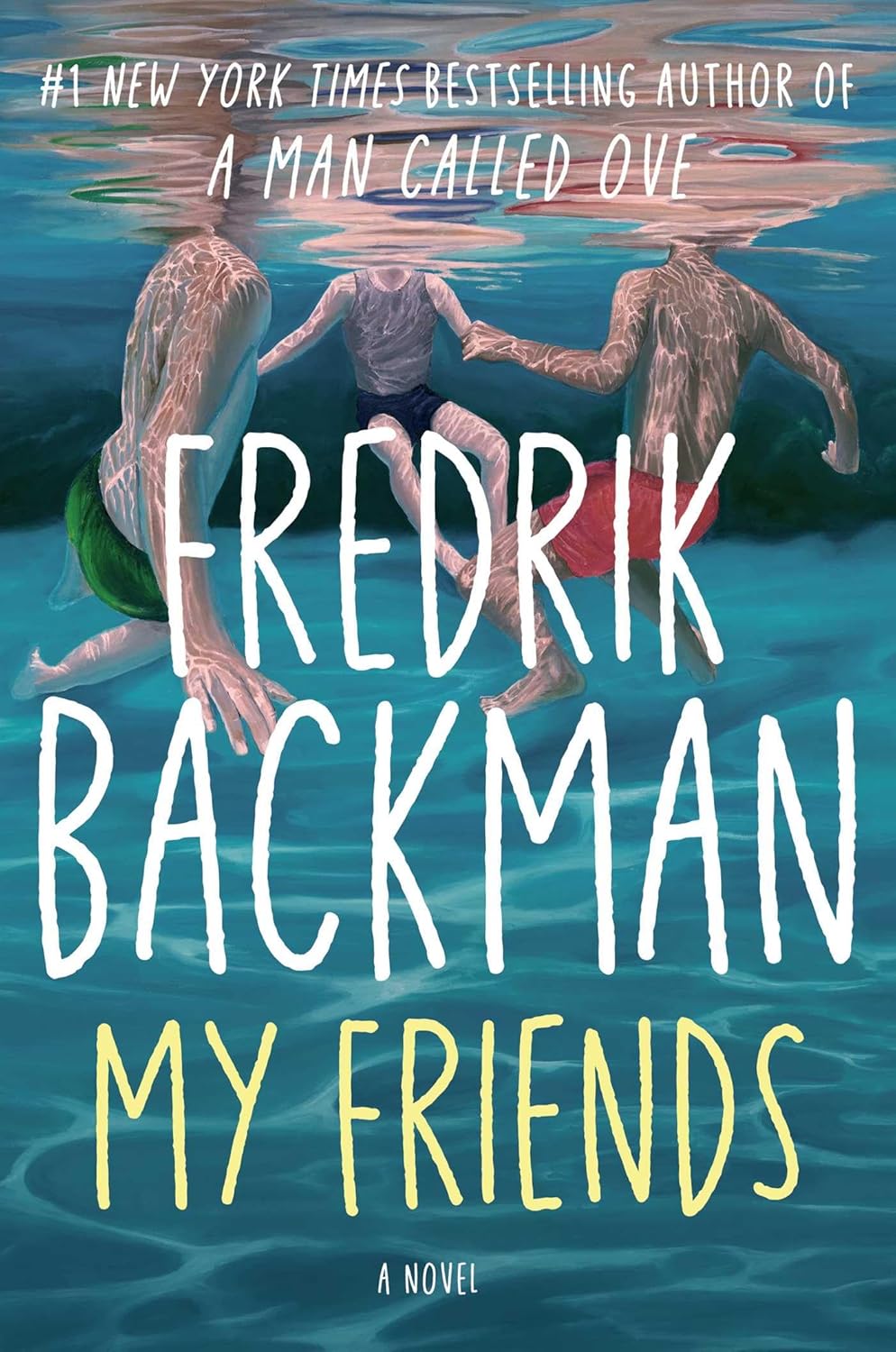
In short, “My Friends” is an uplifting, funny, and brilliantly insightful character-fueled read. Highly recommended.
‘My Friends: A Novel’
By Fredrik Backman
Atria Books, May 6, 2025
Hardcover: 448 pages
What arts and culture topics would you like us to cover? Please email ideas or feedback to features@epochtimes.nyc