



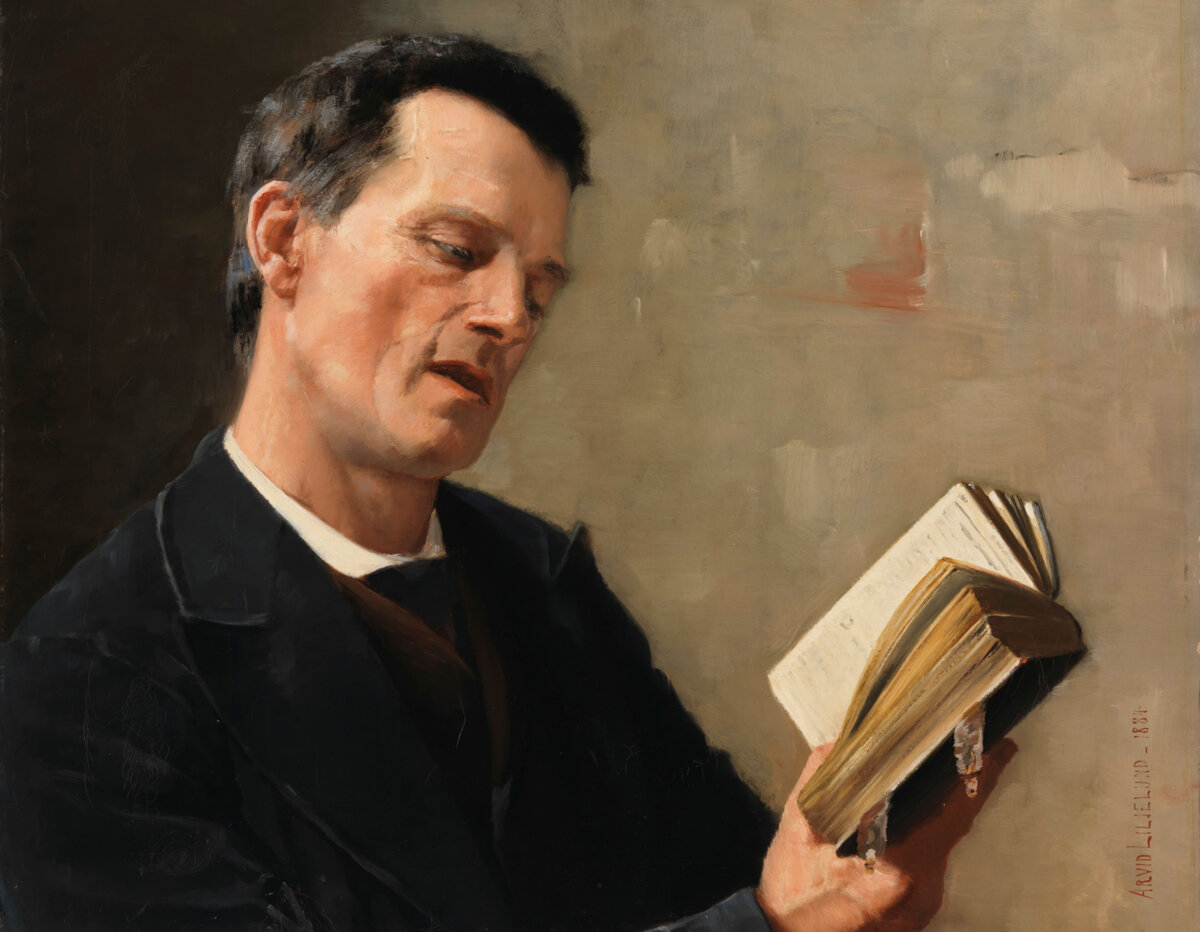
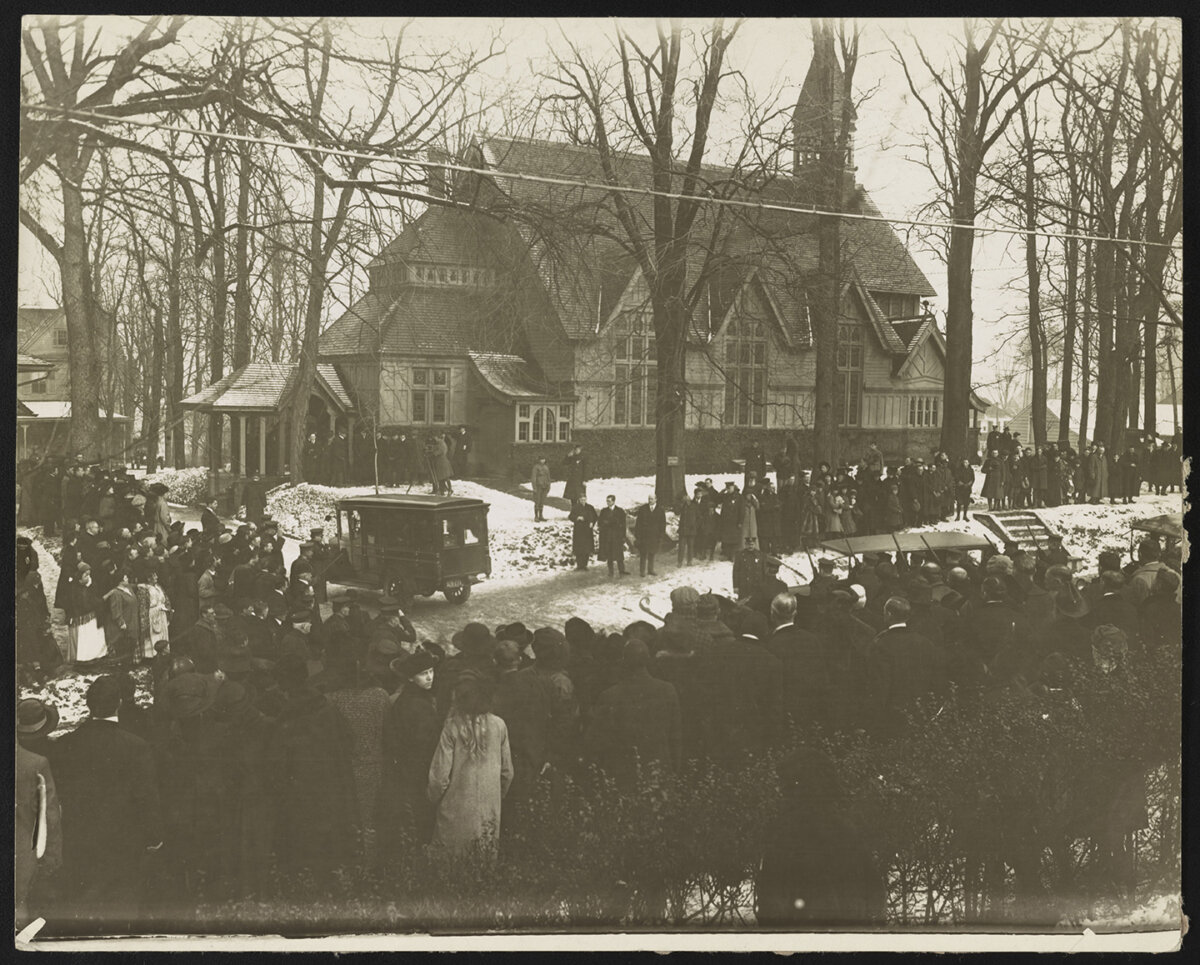
On a chilly January day in 1919, grieving friends, family members, and political confidants gathered in Oyster Bay, New York. The quaint Long Island area was the site for President Theodore Roosevelt’s funeral. Though his presidency ended 10 years earlier in 1909, Roosevelt’s impact still affected those closest to him and a country forever indebted to his accomplishments. These included overseeing the building of the Panama Canal—a key trading point—and the establishment of America’s national parks system.
A teary-eyed former President William Taft and around 500 guests gathered inside Christ Episcopal Church. Thousands of civilians gathered outside to pay their respects. Before President Roosevelt was laid to rest at Youngs Memorial Cemetery, a song was played in his honor—one the former commander-in-chief chose before his passing. It remains a beloved hymn in the states today.
First published in 1787, “How Firm a Foundation” transcended worship services, becoming a key part of historic events and a symbol of unity.
The comforting spiritual song touched Roosevelt deeply, and its influence can be traced to various corners of the world, from soldiers stationed in Cuba during the Spanish-American War to the battlefields of the Civil War.
Finding the Hearts of Men
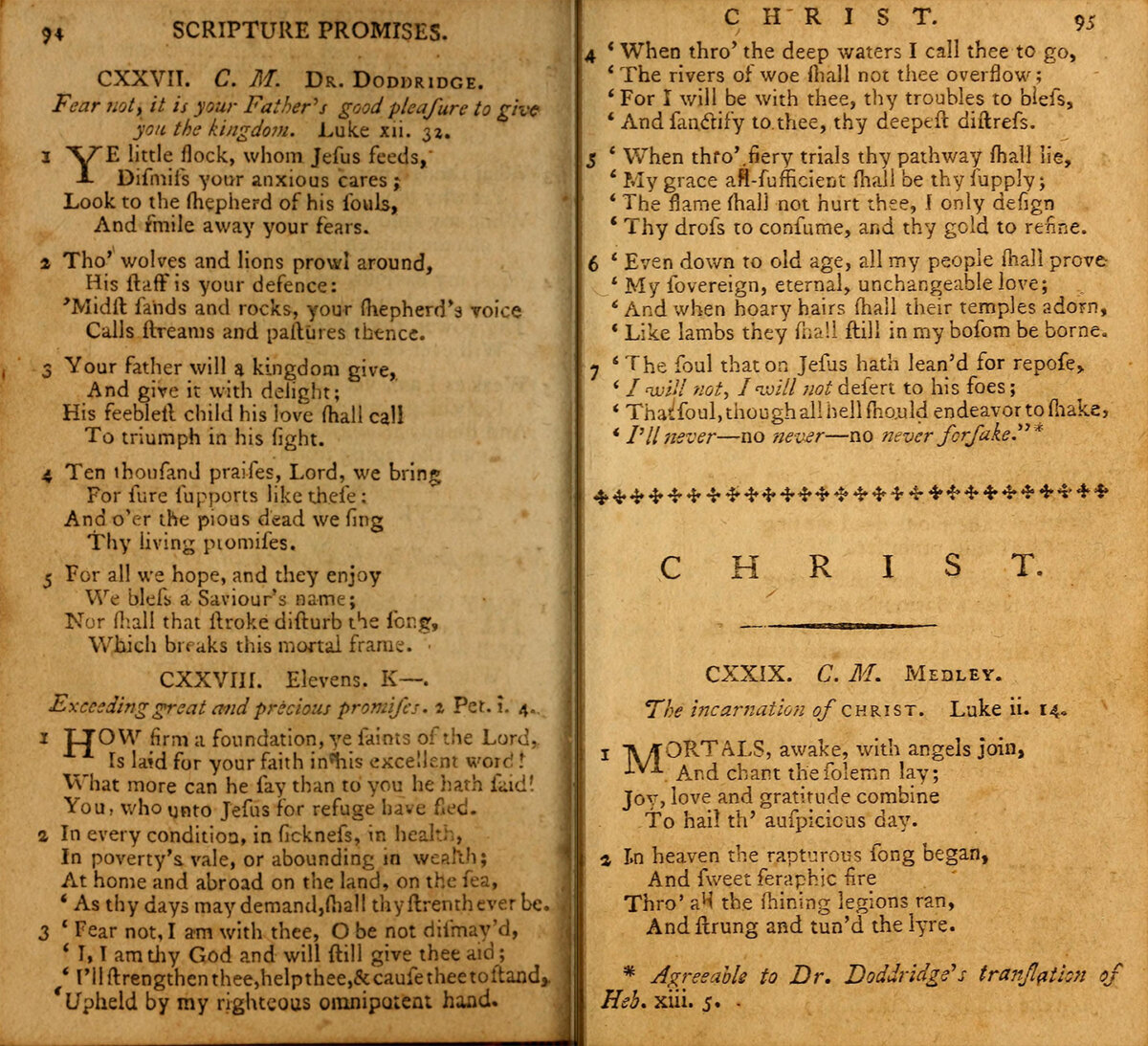
“How Firm a Foundation” first appeared in “A Selection of Hymns From the Best Authors,” a collection of songs minister John Rippon viewed as most vital and inspirational for his congregation at Carter Lane Baptist Church in London.
His dutiful song selection proved to be instrumental to his worship services, and the book grew in popularity, eventually making its way to America. Between 1787 and 1836, 11 different editions of the hymnbook were released.
Catalog site Hymn Charts notes, “As popular as the collection was in England, it was perhaps more-so in America, and even became known as the ‘unofficial hymnbook for Baptist Churches.’”
One song in particular would go beyond the walls of America’s spiritual sanctuaries, finding the hearts of men tasked with the country’s hardest assignments.
Soldiers Sing Along
In 1898,“How Firm a Foundation” acted as a unifier just outside Cuba’s capital of Havana as American soldiers looked for a way to comfort each other while serving in the Spanish-American War over the Christmas holiday. Lt. Col. Curtis Guild Jr. conveyed how the hymn brought together formerly divided servicemen of the North and South still holding grudges after the Civil War:
“From the bandsmen’s tents … there rose the music of an old, familiar hymn, and one clear baritone voice led the chorus that quickly ran along those moonlit fields: ‘How firm a foundation, ye saints of the Lord!’ Another voice joined in, and another, and another, and in a moment the whole regiment was singing, and then the Sixth Missouri joined in, with the Fourth Virginia, and all the rest, till there, on the long ridges above the great city … a whole American army corps was singing.”
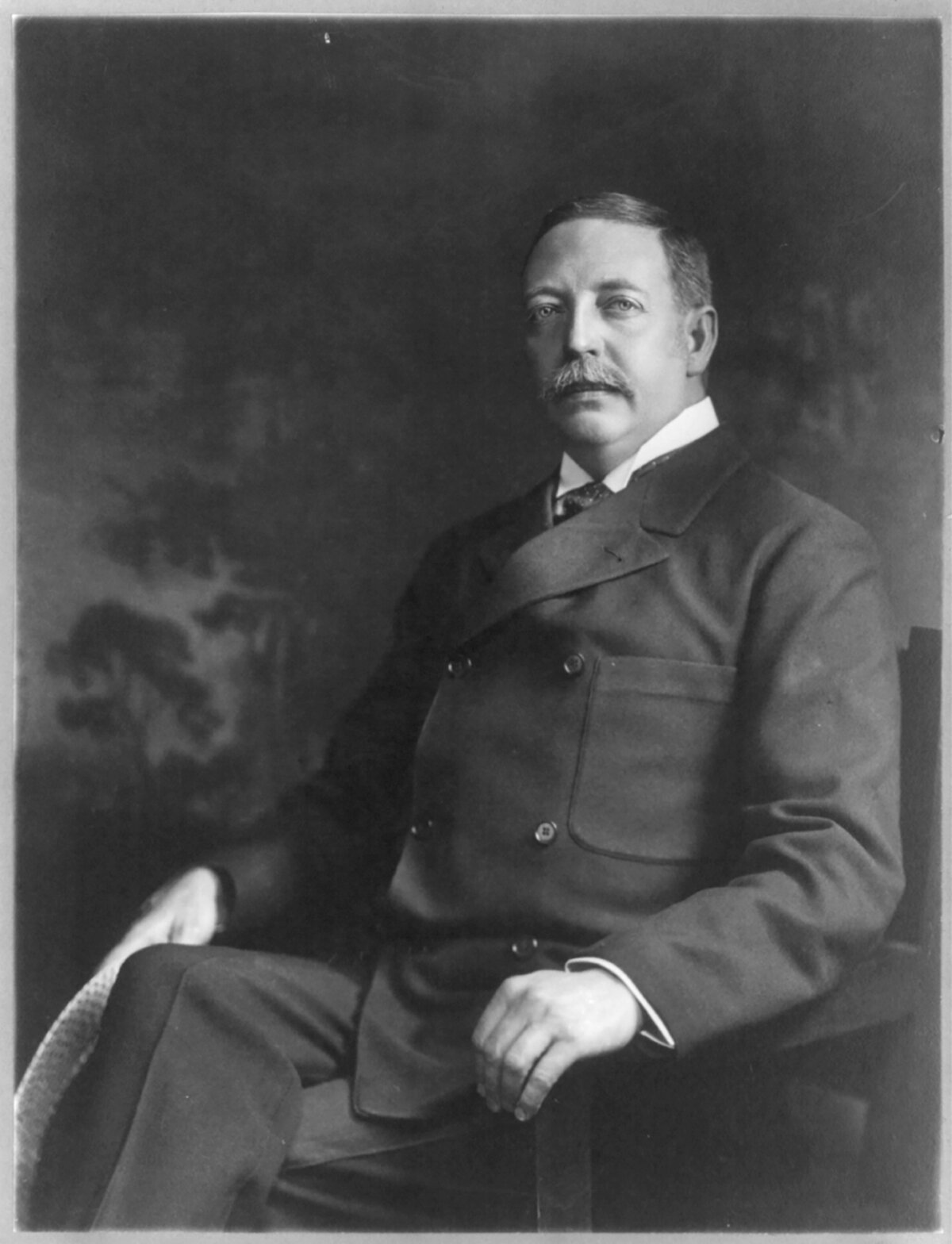
The hymn draws heavily from several uplifting Bible verses, including portions from Deuteronomy, Corinthians, and Hebrews. One of the verses sung by Lt. Col. Guild and his men speaks to God’s saving grace and power. Its lyrics closely resemble Isaiah 41:10.
Fear not, I am with thee, O be not dismayed;
For I am thy God, and will still give thee aid;
I’ll strengthen thee, help thee and cause thee to stand,
Upheld by My righteous, omnipotent hand.
‘Lasting Power’
President Roosevelt wasn’t the only leader who drew near to the song in times of trials and uncertainty. Presidents Andrew Jackson and Woodrow Wilson also asked for the song to be played at their funerals. The hymn gained prominence during the Civil War for its ability to unify, and it became a favorite of one of the conflict’s notable generals, Robert E. Lee.

Since its debut in the late 18th century, the hymn’s authorship continues to be a mystery. The original writer was simply printed as “K,” leading scholars to speculate Robert Keen penned the lyrics. Keen worked closely with Rippon at their Carter Lane church.
Over the years, the music accompanying the song has changed a few times. Early printings listed the song “Adeste Fidelis” to accompany the hymn’s words. The song contains a familiar melody found in a popular Christmastime hymn. “Adeste Fidelis” is Latin for “O Come, All Ye Faithful.”
The lyrics were later paired with another anonymous melody, a folksy number called “Protection.” The title was later changed to “Foundation” to match the song’s words.
Despite the mystery surrounding its original creator, “How Firm a Foundation” continues to be a source of reassurance for many today, as well as a vital cultural balm throughout some of America’s most historic undertakings.
Hymn Charts notes, “This sermon in song’s lasting power stems from its masterful blending of unchangeable Scriptural promises into an expression of God’s faithfulness.”
What arts and culture topics would you like us to cover? Please email ideas or feedback to features@epochtimes.nyc
