
“Mark Helprin belongs to no literary school, movement, tendency, or trend. As many have observed, and as Time Magazine has phrased it, ‘He lights his own way.’” This introduction on his website is as true of the man as it is of the writer. Born in Manhattan in 1947, Helprin grew up in the Hudson River Valley. He attended Harvard, Princeton, and Oxford.
His 20s delivered another sort of education. Between and beyond his academic studies, Helprin worked jobs that ranged from washing dishes in restaurants to his service in both the Israeli army and air force. Characters in his eight novels, bestsellers like “A Soldier of the Great War” and the recent “The Oceans and the Stars,” his short stories, and his three children’s books reflect this mix of wanderlust, adventure, and brushes with all manner of people. His books have won numerous literary prizes, been translated into more than 20 languages, and touched the lives of fans around the world.
Helprin has written about military and foreign affairs with an expertise that won the attention of diplomats and politicians. He is a senior fellow at the Claremont Institute, where he writes political commentary.
For the last three decades, Helprin and his wife Lisa have lived on a 56-acre farm, Windrow, in the rolling hills and fields just north of Charlottesville, Virginia. On a Friday, at the tag end of May, Helprin spoke with American Essence in his magnificent library. This room is a wonderland for any bibliophile with its nearly 50-foot-long wall of bookcases stretching up 16 feet high and serviced with a rolling ladder. Here, he reflected on a variety of topics and shared wisdom garnered from a lifetime of adventure and writing.
On Where He Gets His Energy
“Usually, I sleep from seven to nine hours, and I’m up at 6:30 a.m. Then, I do about two and a half to three hours of exercise, either rowing, in which I row a single shell, very strenuous at my age, or walking and running either 3 or 5 miles, and calisthenics, weights, that kind of stuff. That sets me up for the rest of the day and gives me a lot of energy.”
On Hard Times
“On really tough days—and there will be tougher ones ahead, which at my age of 78 has to be the case—I think of the most difficult things that I got through, including the death of people I loved. I think of when I was in the army, which was the most difficult thing I ever did in my life and the most dangerous, even the basic training. In the Israeli army, it’s much different than the American Army. It’s tougher, and it almost killed me.
“All over the world, people suffer immensely. So, it’s easy not to give in to depression or despair when you think of what others have to go through.”
On Doing What’s Right
“I can look back and be happy that I did what I thought was right despite the consequences. And that also is a definition of honor. The most honorable things I’ve done, I’ve done despite the fact that I knew it would hurt me, but I thought it was right.”

On Becoming a Writer
“What caused me to focus on writing was language itself, not any particular book.
“For instance, when I was in college, and even before college, I took to Shakespeare like you wouldn’t believe. When I was a freshman, the leading professor at Harvard of Shakespeare was Harry Levin. He was one of the great Shakespeare authorities of the world, because that’s what Harvard does. It collects the great professors.
“Anyway, as a freshman, I went to Harry Levin’s office, and I said, ‘I’d like to be in your course.’ And he said, ‘Well, we don’t admit freshmen.’ And I said, ‘Ask me about Shakespeare.’ He said, ‘Ask you what?’ ‘Ask me anything. See how I do.’ And he did, and I did well enough so he admitted me as a freshman to his course. I was deeply in love with Shakespeare’s language.
“It was [through] the language itself, and in making sentences and paragraphs, that from a very early age, I wanted to tell stories that were edifying and touched upon the religious, that had a deeper meaning than just a story. I wanted to make beautiful sentences and paragraphs. That’s craft. If it’s good enough craft, it becomes art. And so, you enjoy practicing the craft, and you do so with as much intensity as you can marshal, and if you’re lucky, the craft becomes art.”
Advice to Young Writers
“Make sure that you have another boat in which to put your other foot. Although I never really wanted to make use of it, I had a parallel career in journalism and politics, consulting, and the military. Whatever it is, it can’t hurt you. Chekhov was a doctor. Smollett was a doctor. William Carlos Williams was a doctor. Dante, Milton, and Hawthorne were diplomats. Wallace Stevens was an insurance executive. Melville was a teacher and a whaler, eventually a customs clerk. Most writers have had other vocations, among other things. Then you don’t have to just sit and write about your own navel. You learn things, you’re in the world, and it’s invaluable.
“Also, since the most important thing one can do is to have a family and have children and take care of them, then really that’s one’s first responsibility. They’re your first priority.”
Advice to Young Men on Growing Up
“Boys should defy fashion, not wearing backwards baseball caps or shorts that come to mid-calf. If they value themselves and their masculinity, or their incipient masculinity, they should dress with dignity. That would help right off the bat.
“The second thing is, they would stop pitying themselves. One of the essential characteristics of being male is that you don’t have self-pity. And since self-pity is taught to everyone in this society, they pick it up too. They should have a little more stiffness in their spines, more self-respect, honor, decency.
“They have to have a kind of framework. That framework is something that has evolved down through the ages, and it defines traditional concepts of masculine behavior, which are very much out of favor. My advice to them is to adopt those characteristics, even if they’re out of favor, even if you have to be defiant to do it.”
On Admirable Public Figures
“If you look around my bookshelf, you’ll see Churchill all over the place. He had the compounded qualities of literary genius, great statesmanship, strategic genius, personal courage, and spectacular wit.
“Seldom has there been a combination like that. Then, there would be Lincoln. I think of Lincoln as having almost touched upon the divine in the beauty of his language and the depth of his understanding and his suffering and martyrdom. And then Mozart—I always thought that Mozart was actually touched by God in order to make the music that he made.”

On Belief in God
“That’s been a constant in my life. I encounter people who are embarrassed if I say I believe in God, because they’ve been taught that there is no such thing. They foolishly believe, in my view, that reason is the only tool with which we can apprehend the truth, and reason is very limited, obviously.
“People are afraid to appeal to the emotions and to beauty. So many people have been educated to reject them, like faith in God, like patriotism, like respect for honor and courage and seeking beauty.”
On America’s Challenges
“Honoring and abiding [by] the Constitution and the principles of the Founding: If we get away from that, we’re lost. We’re done, and that’s happening more and more in both parties. That’s the most essential thing.
“The second thing is understanding that the world is a dangerous place, and our sovereignty and survival are not guaranteed. We’ve been so used to that because we’ve been victorious and safe for so long, protected by the oceans and by our strength and the virtues that saw us through all the difficult times, the Revolution, the Civil War, World War I and II, the Depression. We’ve lost a lot of virtues and a lot of good sense, and meanwhile, the world has become far more dangerous. In general, my point is that we have not attended to our defense sufficiently, and we may pay for that, ultimately with a loss of sovereignty and independence.
“The third thing is the question of values and virtues, if those are not restored to some semblance of decency—because I think it’s indecent now. For instance, I remember that in the ’70s, maybe the ’80s, a grant [was awarded] to an ‘artist’ whose art was piling manure about 10 or 12 feet and then jumping out of the third story of his apartment building into the manure. That’s supposedly his art, and that’s insane. If a society is insane, it’s going to pay for it. We’re paying for it now.”
On Why He Loves America
“That’s easy. First of all, despite all the nonsense and corruption, one thing all about America is Americans. We have neighbors. They’re such good people. They’re honest, strong, decent people you can rely on, and those are the people I know. I encountered this all the time, the people that I worked with in the many jobs that I’ve done all my life. So, one thing I love about America is ordinary Americans.
“Another thing is the magnificence of its origins, its miraculous origins, the Founders, their documents, the government they designed, the generosity and courage with which they did it, and the beauty of their prose. The substance and style of things like the Declaration of Independence, the Federalist Papers, all the other writings which are not as well known: Those things are really beautiful and of genius. And in some cases, there’s a touch of divine influence in them. It’s a beautiful thing as the story unwinds.
“Then the art of America, the art and literature of the 19th and early 20th centuries. It’s magnificent, and that’s America, and it’s great. And then the physical beauty of the country and the history, the suffering and the courage and the devotion and the stories of people’s lives who went through something that demands love.
“We have immense capital sunk in this country, in its history, in its basic ideas, its arts. There’s an immense weight. The sinews are still there. Now the way things are, they have degenerated, but it’s there for the taking if we have the courage to do it.”
This interview has been edited for clarity and brevity.
Select Works
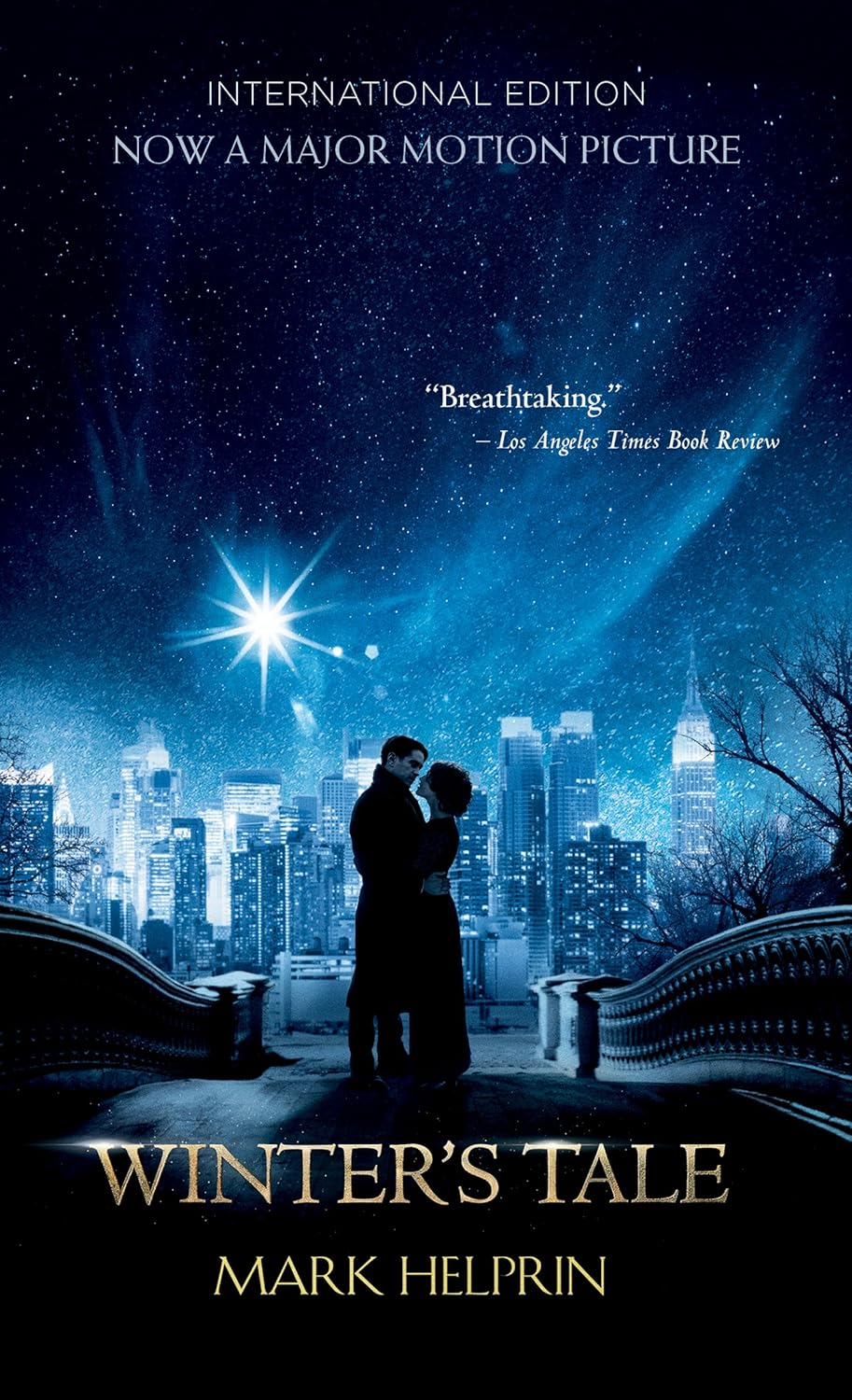
Winter’s Tale (1983)
Set in a mythic version of New York, this sweeping novel follows Peter Lake, a fugitive thief who is saved by a mysterious white horse, as he falls in love with a dying heiress. Their story spans decades and explores the mystery of time itself.
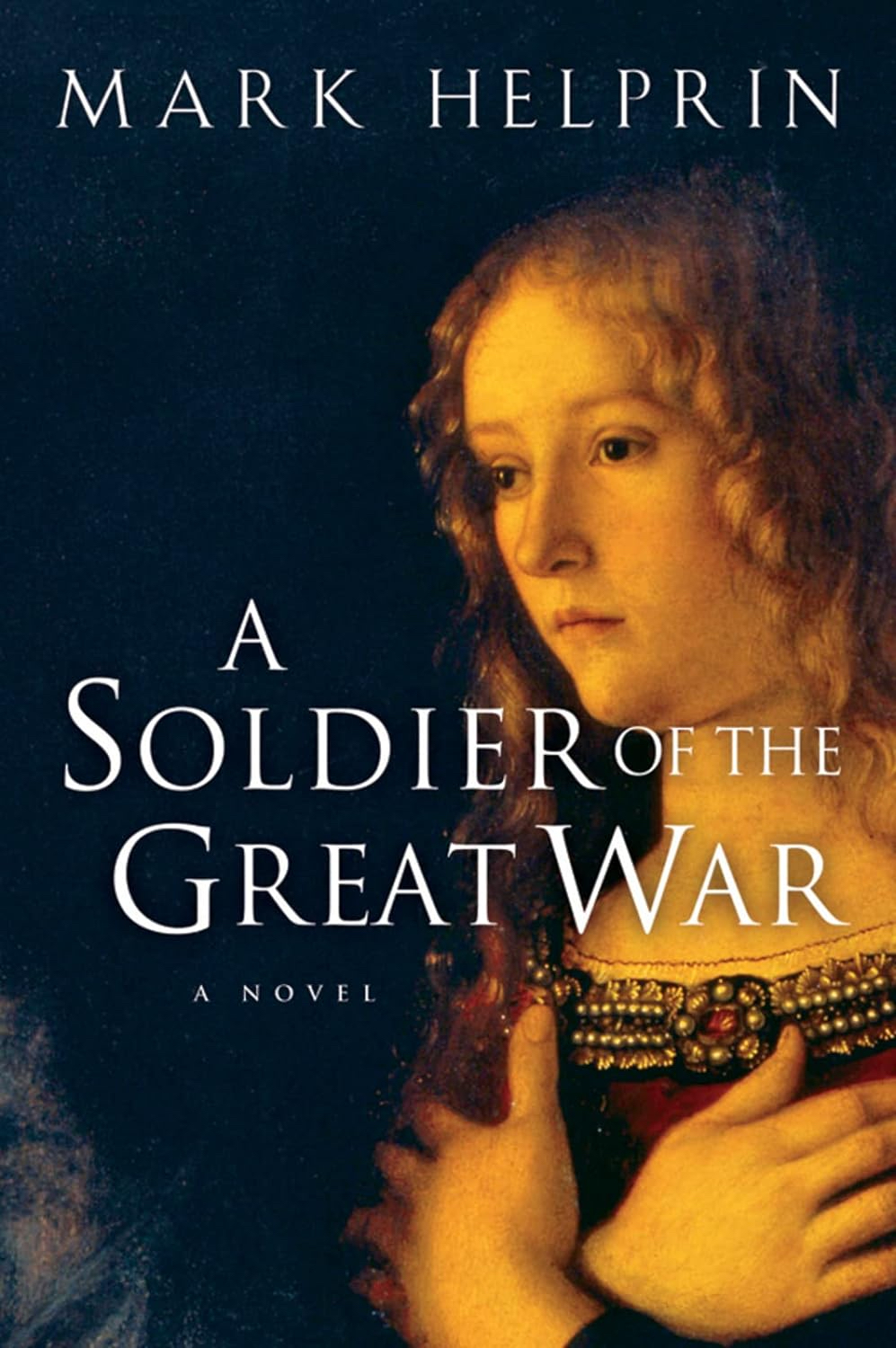
A Soldier of the Great War (1991)
Alessandro Giuliani, a Roman professor of aesthetics, recounts his experiences in World War I to a young stranger as they walk the Italian countryside together. As he recalls brutal combat, lost love, and moral dilemmas, the novel examines how beauty and meaning persist even amid the horrors of trench warfare and personal loss.
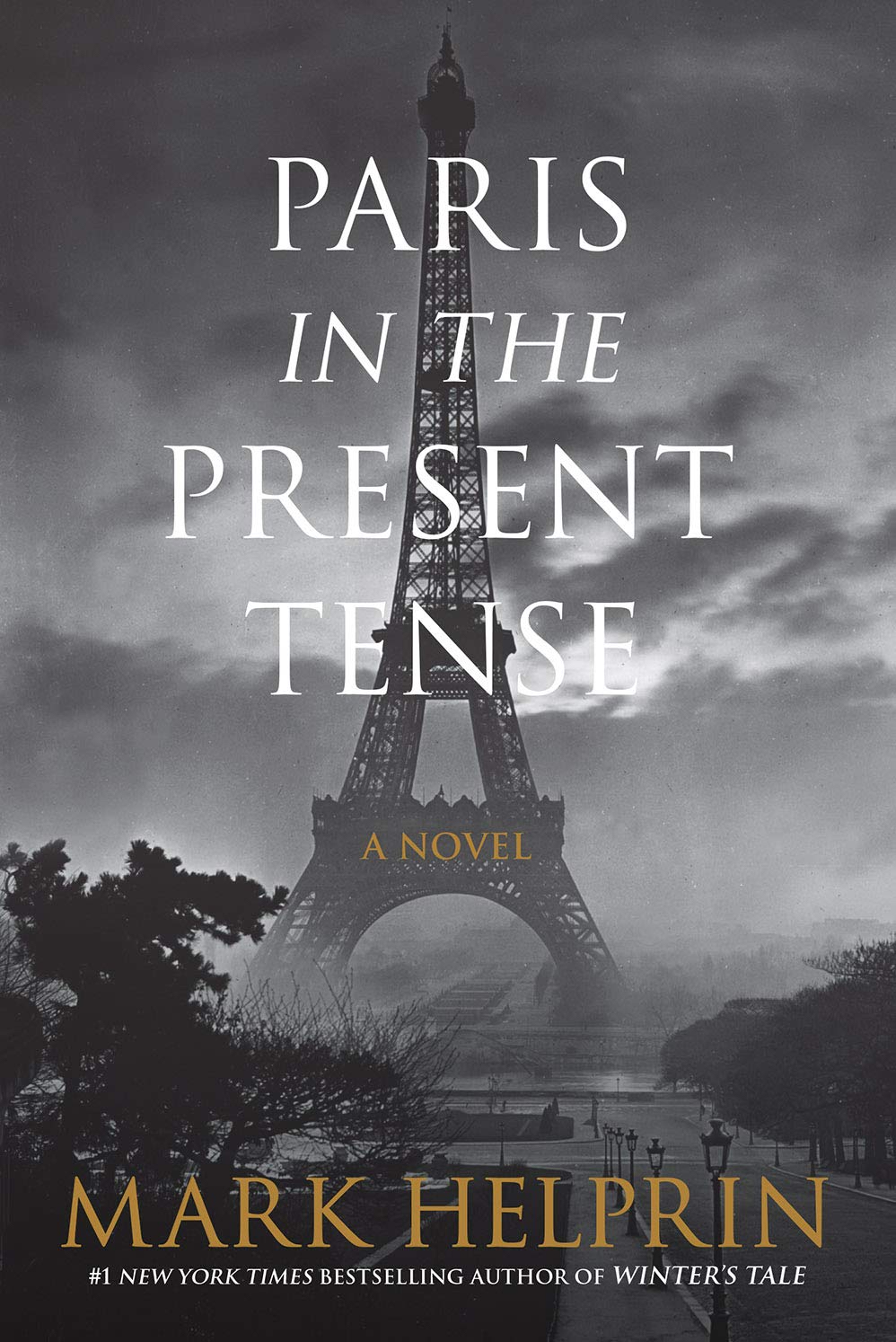
Paris in the Present Tense (2017)
Elderly Jules Lacour, a Holocaust survivor and cellist, grapples with aging, financial strain, and his grandson’s illness in modern-day Paris. When he takes drastic action to help his family, past and present collide. “People picks” book by People magazine.
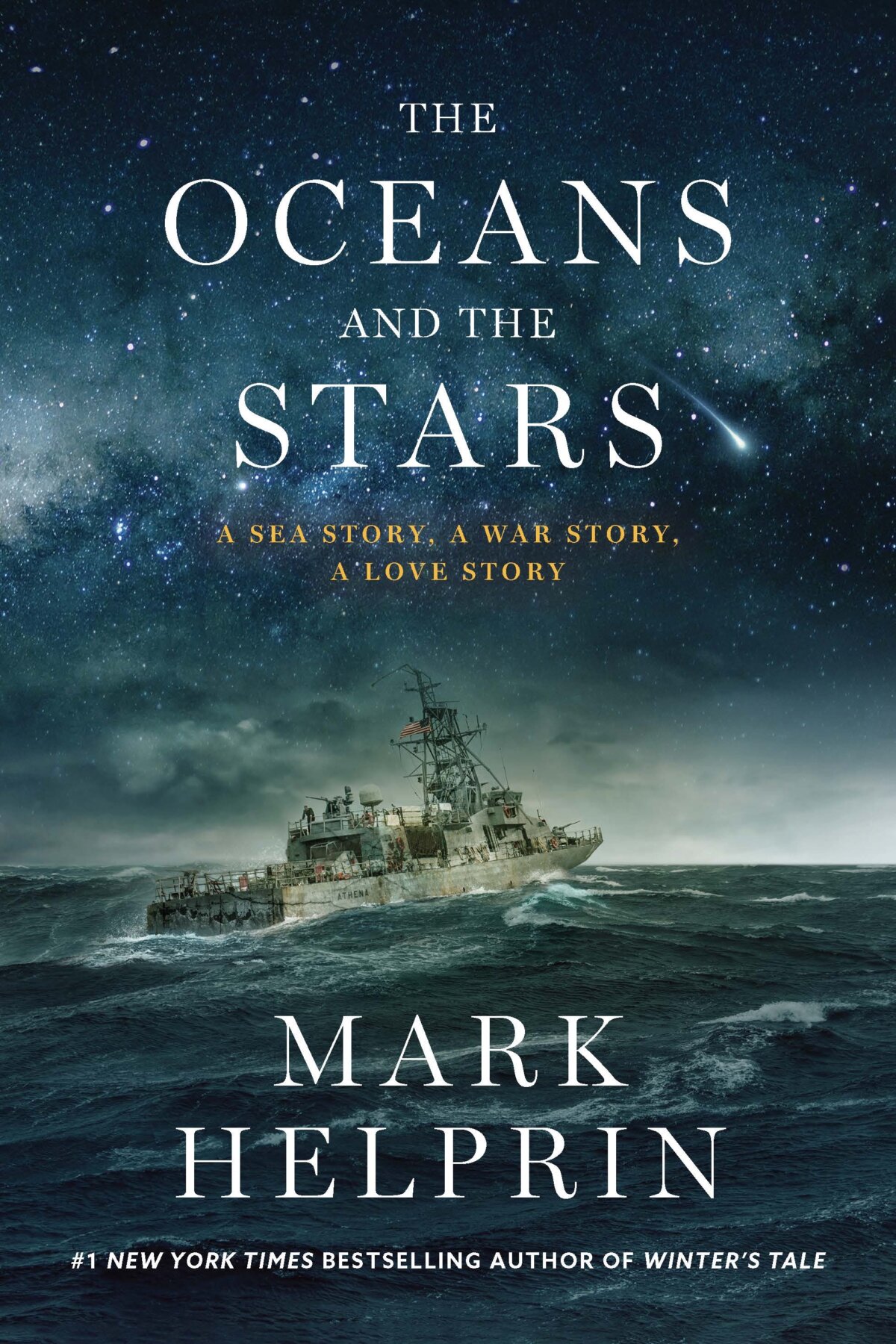
The Oceans and the Stars: A Sea Story, A War Story, A Love Story (2023)
Navy Capt. Stephen Rensselaer is unjustly removed from command after a principled act of mercy. As he returns to sea in the shadow of war, he wrestles with duty and an unexpected love for lawyer Katy Farrar.
This article was originally published in American Essence magazine.