



“Do you mean Mallorca?” a traveler asked me, chuckling at my evident mispronunciation.
“No,” I assured him: “Menorca.”
I explained the names came from the words “big” and “small” and that Menorca was the smaller of the two main islands of the Balearic archipelago off the Spanish coast from Barcelona. He had likely heard of another sister island: Ibiza. Although Menorca may be under the radar for many, it shouldn’t be.
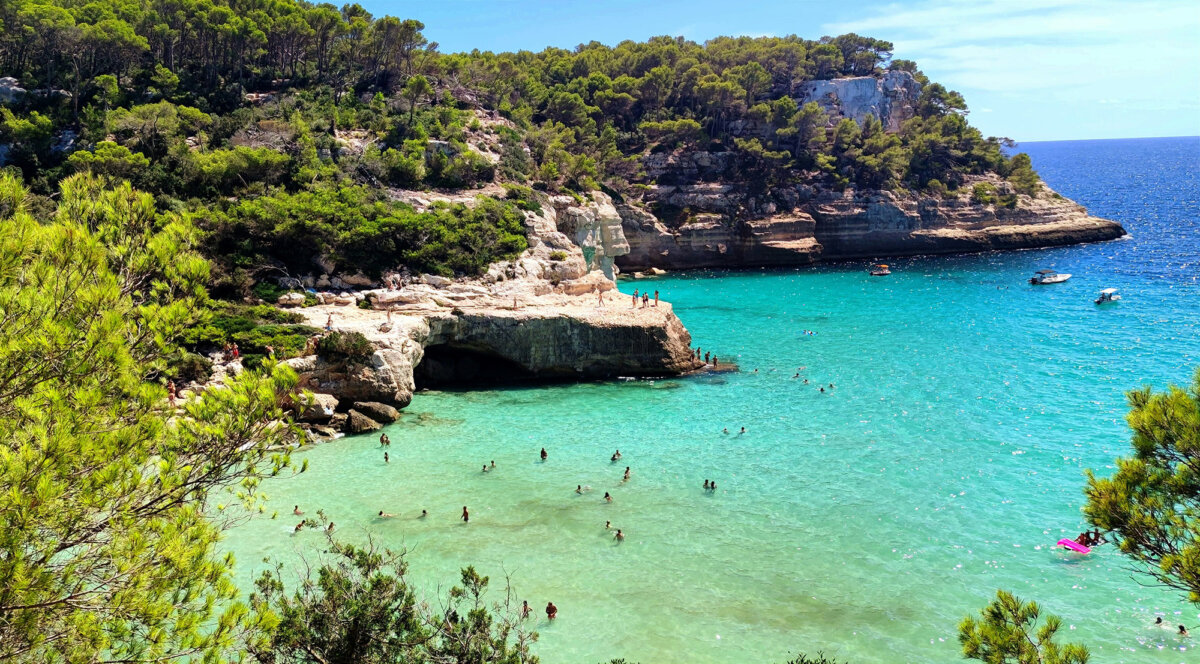
As my connecting flight from Barcelona approached Mahón Menorca Airport, I could see a wild rocky coastline with short scattered stretches of sand, thick patches of trees and brush over rolling hills and, oddly, lighter green patches with stone borders in curving shapes, almost like the varied patterns of a golf course but spread out farther—human-made for sure: agriculture? In short order, I collected my bag, picked up my reserved rental car in the lot right outside the terminal, and sped off toward my hotel in Es Mercadal, a town at the heart of the island that put me less than 30 minutes from nearly every point along the coast. Time to explore.
The Heart of the Island
The first thing I did was get the lay of the land: Two miles outside town is El Toro—the highest point on the island, at 1,175 feet above the sea—where the Sanctuary of the Virgin of Monte Toro, a 1670 Gothic church, still stood. From there, the views ran all the way to the sea and even farther west, more than 40 miles to the peaks of Mallorca when the visibility is good.
My morning activity was a visit to Binillubet, a dairy farm and creamery. (You can take the boy out of Wisconsin, but …) I booked the tour through Sa Cooperativa del Camp de Menorca, which has a partnership with a variety of local producers, including wineries, beekeepers and, in this case, a cheesemaker. Menorca has its own cheese, a PDO (Protected Designation of Origin) variety named simply after the capital city: Mahón (Maó in Menorquí, the local Catalan dialect). The semi-firm cheese is made with unpasteurized cow’s milk and possesses a salty, buttery flavor. Walking along the meandering “paret seca”—the traditional mortarless stone walls I had seen from the air—I looked out over small pastures at the classic milking cow: Holsteins.
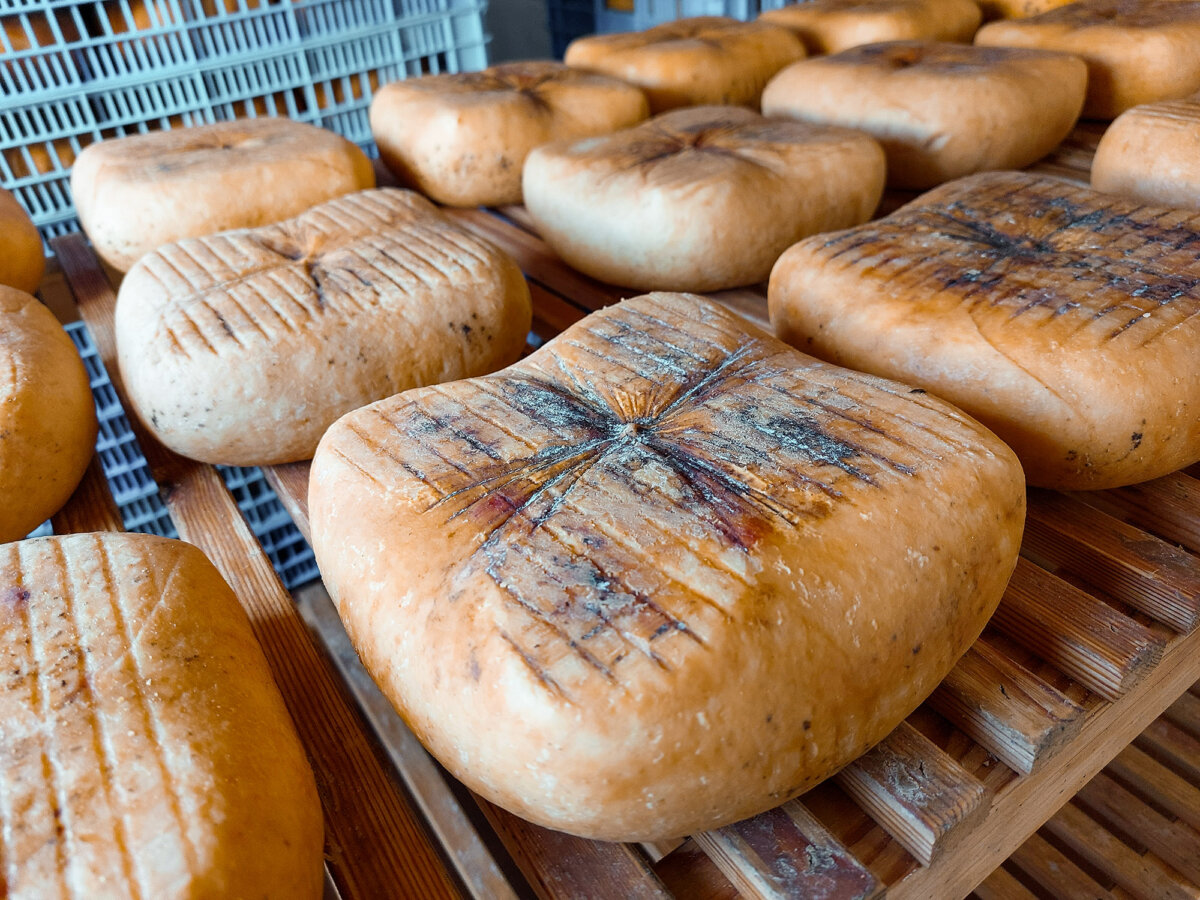
The cows’ genetics hailed from modern breeders in Switzerland and the United States, quite possibly right down the highway from my home. The cheesemakers wrapped the fine curds in a cloth and then tied it shut, hanging it to drain the whey. The fabric leaves its imprint on the final product, which is pillow-like with rounded corners, rather than a wheel.
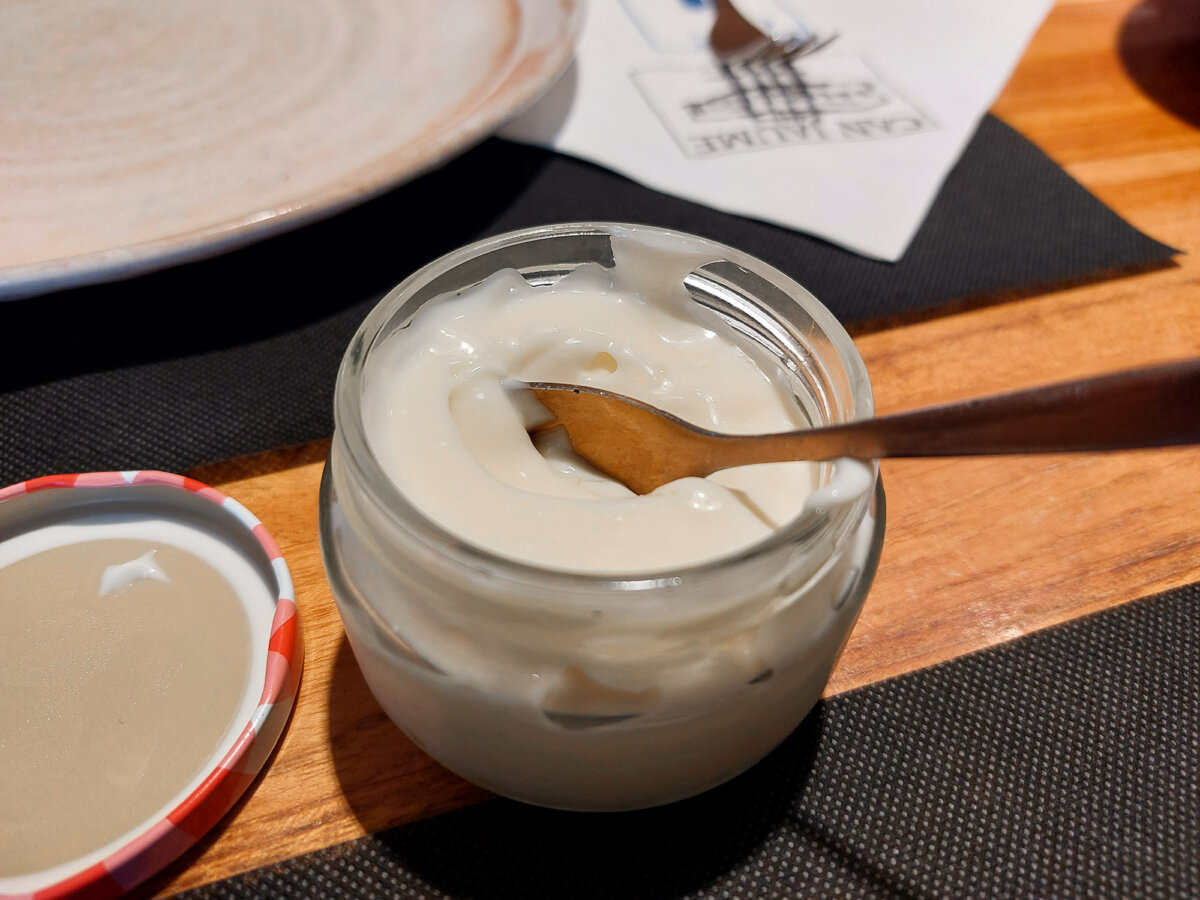
My host served me fresh and aged samples along with charcuterie, including local sobrasada, a spreadable pork sausage native to the islands. Looking out over the farm to low-lying hills, I dined al fresco and tried local wines while my host made the next item from scratch at the table. It was another traditional item that was born here but conquered much of the world: fresh mayonnaise. Evolving from aioli—just olive oil and garlic whipped into a paste—mayonnaise consists of mixed egg yolks, oil, salt, and vinegar or lemon juice. When the French invaded Mahón in 1756, this aioli alternative impressed them, and the recipe traveled to France, where they called it “mahonnaise.”
Walking Menorca
Tourism here seems gentler. While cruises do visit Mahón (Maó), one of the largest natural harbors in the world, and some smaller ships stop in Ciutadella de Menorca, nothing seems overdeveloped, carved out, or paved over. The coastline has a number of popular beaches that might fill up in the height of summer, but all in all, no place is overwhelmed with tourists.
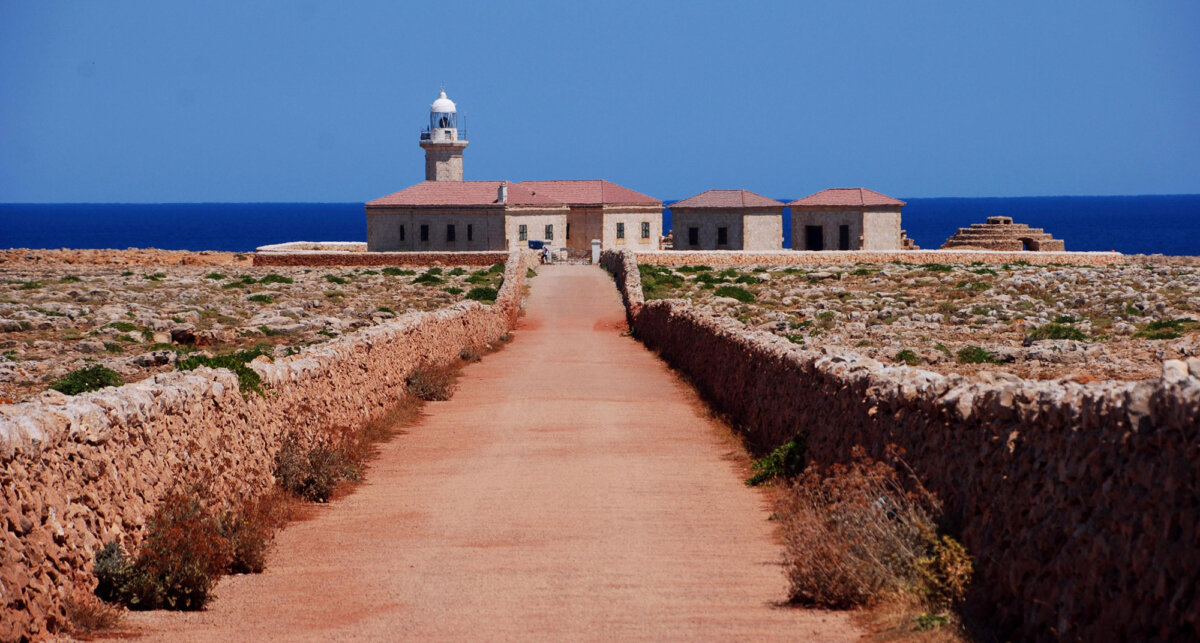
This is intentional. Decades ago, a proposed coastline highway met strong and organized public opposition and didn’t happen, thus setting the tone for development. Menorca still had agriculture and other industries and so didn’t have to go all in on tourism. Rather than carving out a highway, the Menorcans preserved the 14th-century shoreline Camí de Cavalls, or Path of Horses, once patrolled by the military on horseback, guarding the island from invasion. Now it is a 115-mile hiking and equestrian route also known as the GR223. (GR footpaths are a network of long-distance walking trails in Europe.) Fresco Tours, which specializes in walking tours of the Camino de Santiago, recently expanded its offerings to include this multiday trek. I spent a half-day on it, spotting birds, crossing bridges over brackish wetlands, and climbing a short ridge with views of the sea, a sheltered bay, and a distant lighthouse.
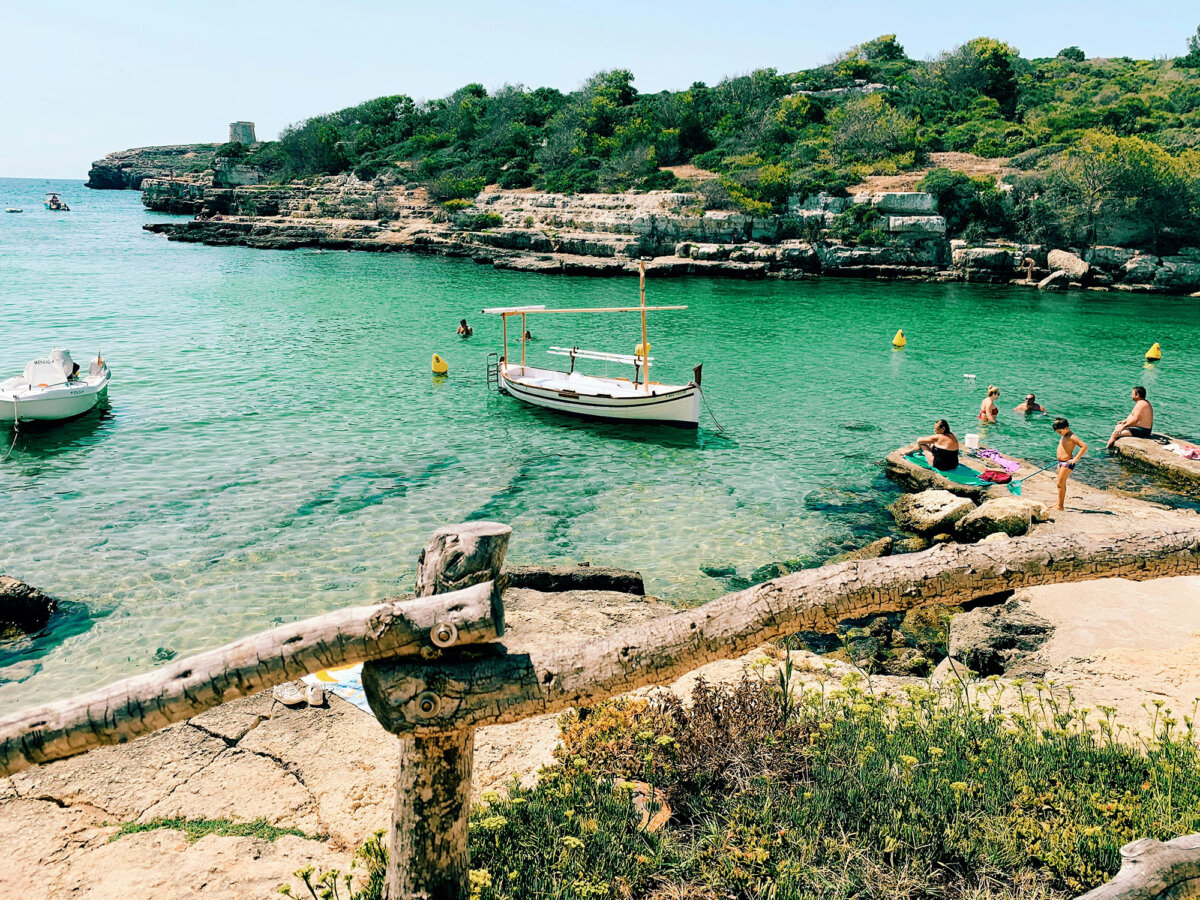
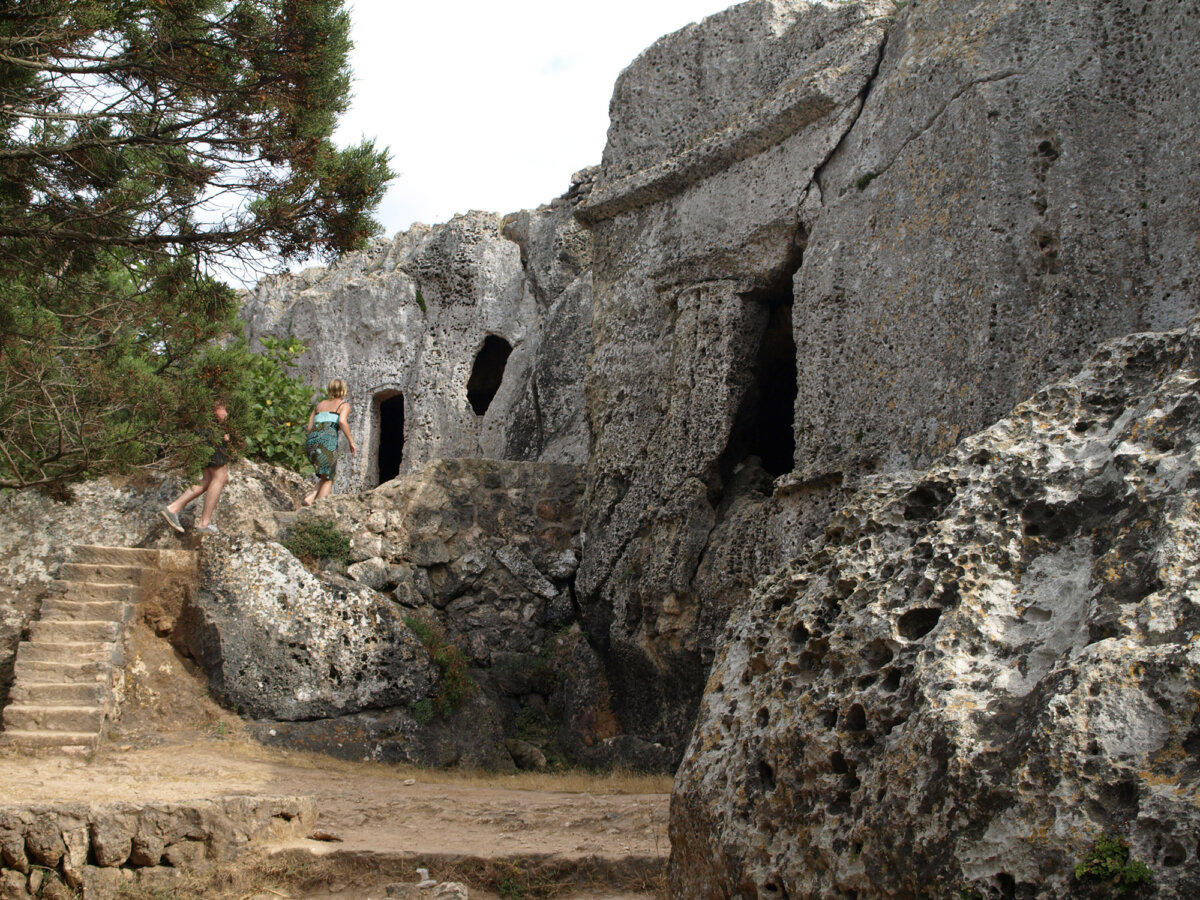
The next day, I parked at a trailhead that descended gently through the woods to the sea, crossing the Camí de Cavalls before coming into a long, narrow cove. Along the high cliffs, I could see dark holes in the rock—tombs, my guide told me. This was Cala Morell Necrópolis, with 14 burial chambers dating as far back as the Bronze Age. Roman ships once dropped anchor in the crystalline waters below. Today, kayakers on a group tour pulled ashore for a picnic. A lone sailboat swayed gently in the turquoise sea, an idyllic spot for a swim.
A Story in Stones
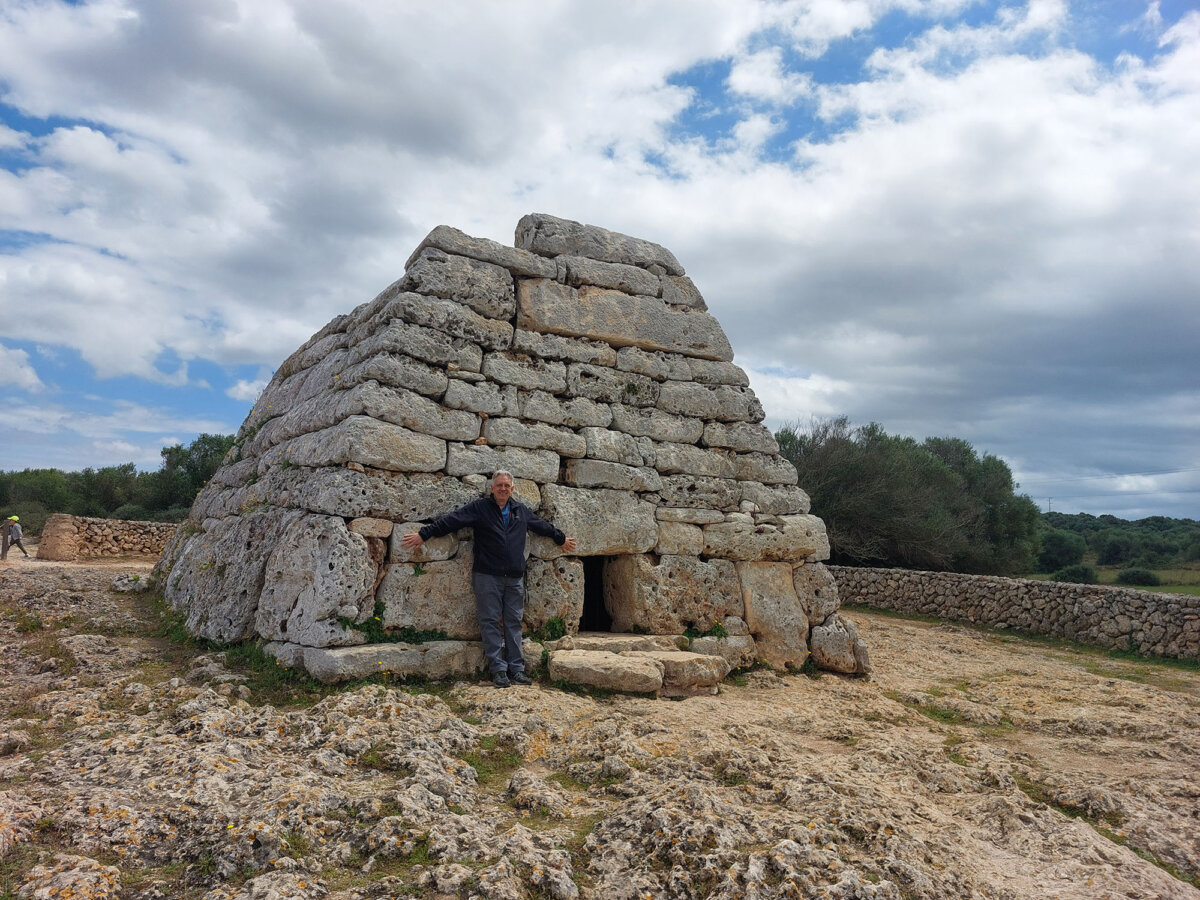
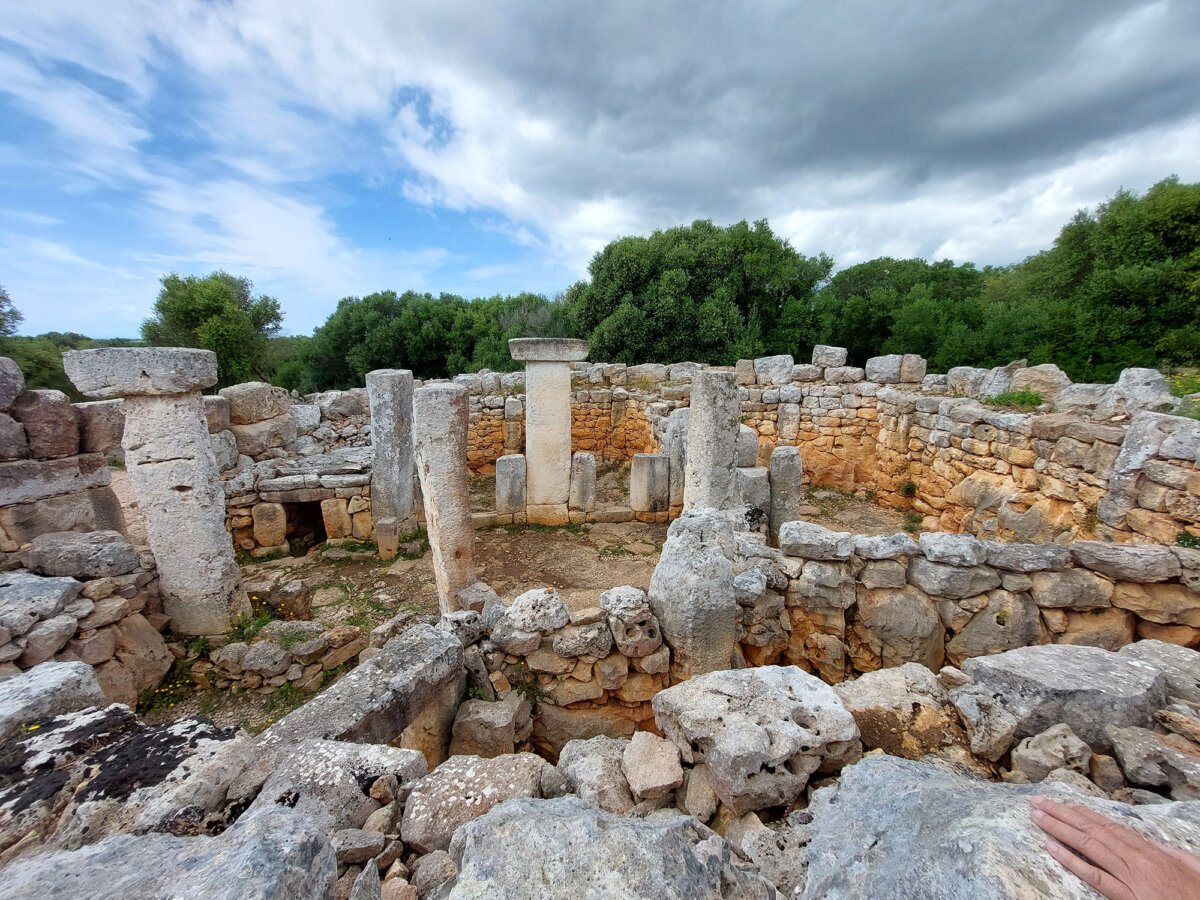
Like the necropolis, the earliest evidence of human occupation on Menorca dates back to the Bronze Age, about 2000 B.C. Various archaeological sites around the island—some of which are inscribed on UNESCO’s World Heritage List—show navetas, large stone tombs shaped like overturned boats. They built large, T-shaped pillars in their settlements; each was constructed with an upright stone as tall as 15 feet, and a single horizontal stone across the top. Archaeologists referred to these as taula (from “table” in Catalan).
One of the largest of these Talayotic settlements is Torre d’en Galmés, and a guide took me up the hill for a clear view of the sea. I tried to imagine the Romans showing up on the horizon, as, of course, they eventually did, claiming another island for the empire while leaving no evidence of resistance. A trip to the Museum de Menorca in Mahón, with its collection of Talayotic artifacts, was great for more historical, cultural, and ecological background.
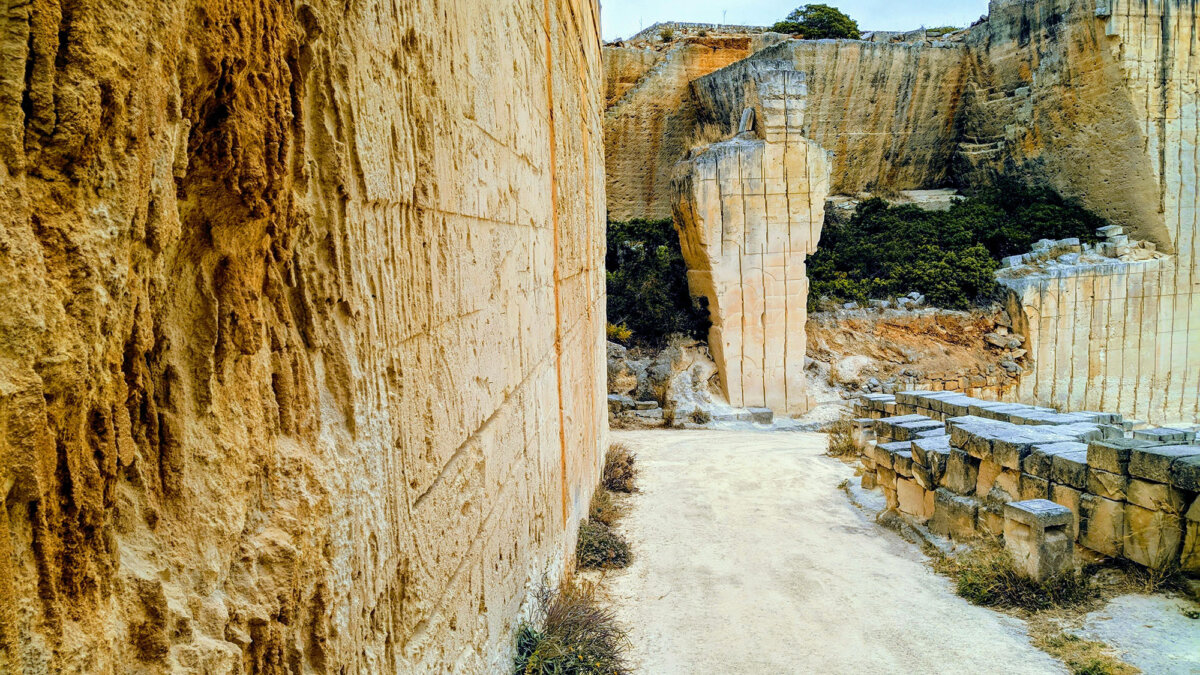
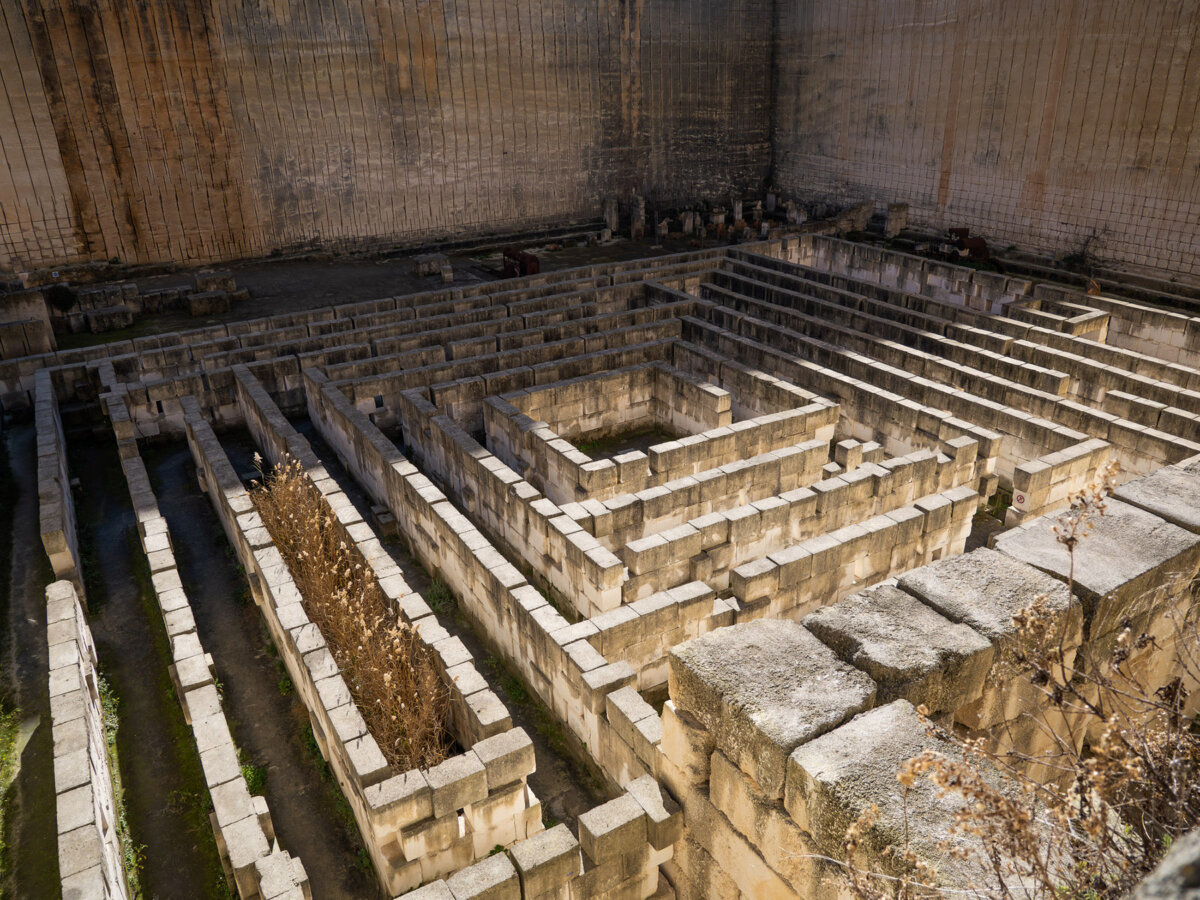
And then there was Lithica Quarry of s’Hostal. The building blocks of many of the island’s historic buildings were cut from here. After it was abandoned in 1994, some spaces were neglected, even being used as a garbage dump. Laetitia Sauleau Lara, a French architecture student, founded the Lithica Foundation and spearheaded a mission to restore the quarry and open it to visitors. Today, walking paths and stone steps create a delightful labyrinth (including an actual maze in one quarry) with surprising hidden gardens and an outdoor music venue at the bottom of the oldest and largest quarry.
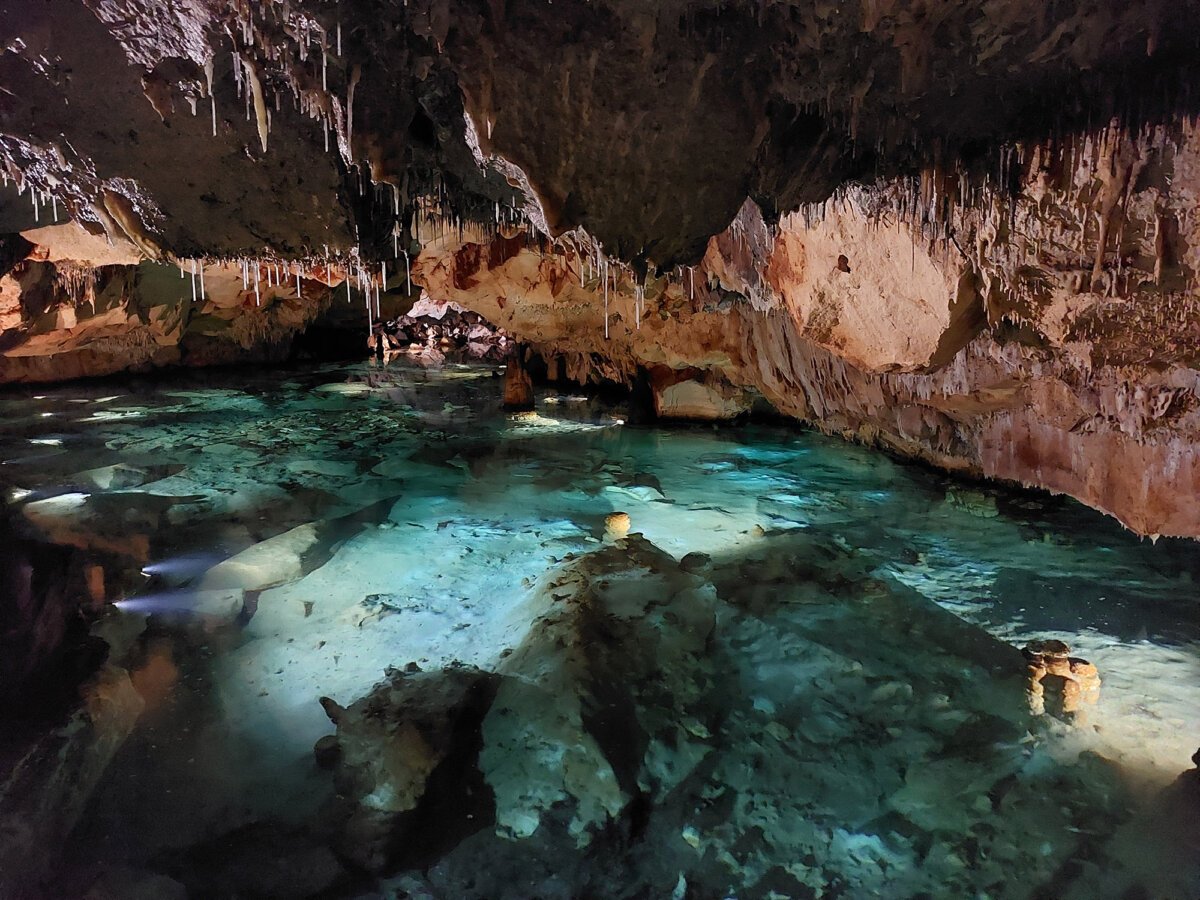
On the west coast, I visited the “underground lake” at Cova de s’Aigua, a partly flooded cave system right in Ciutadella, a town with charming medieval streets, a cathedral, and a public market. While the cave didn’t go very deep, it was hauntingly beautiful, and I could see human bones in the water, lit by strategically placed lights. Caves are generally cold—generally 50 to 55 degrees Fahrenheit—but thanks to the latitude and proximity to the surface, it’s a bit warm and muggy, around 70 degrees F. The guide had a penchant for comedy and smoothly worked the crowd, playing off random moments and firing little witticisms so fast in English that I wasn’t sure everyone was catching them. Was I the only one to laugh at his Elton John “I’m Still Standing” reference?
A Taste of Menorca
The only salt production company on the island, Salinas de la Concepción, floods salt pans and uses the power of the sun to extract salt from seawater. You can still see the low rock structures that were used to do the same years ago, as far back as 1853. Wading birds come to feed and nest in this beautiful place along the sea, and I left with a bag of Flor de Sal (light flakes of salt).
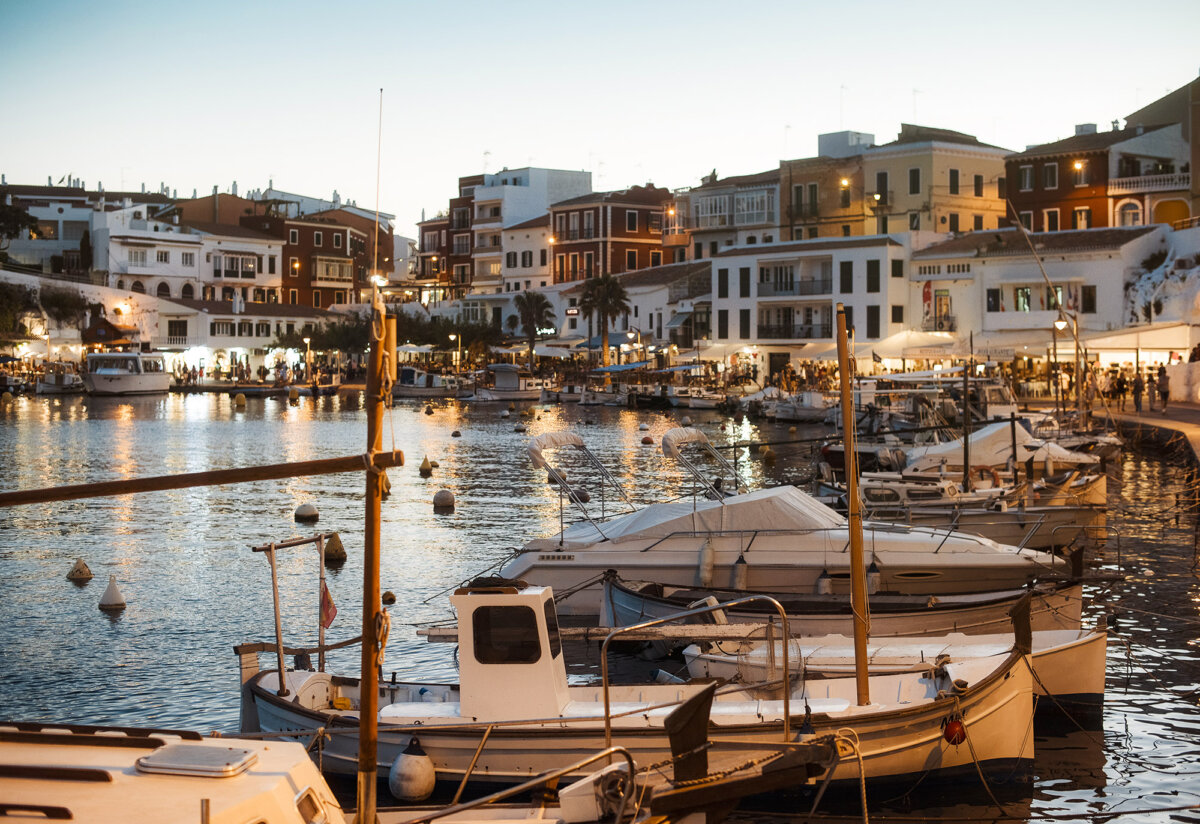
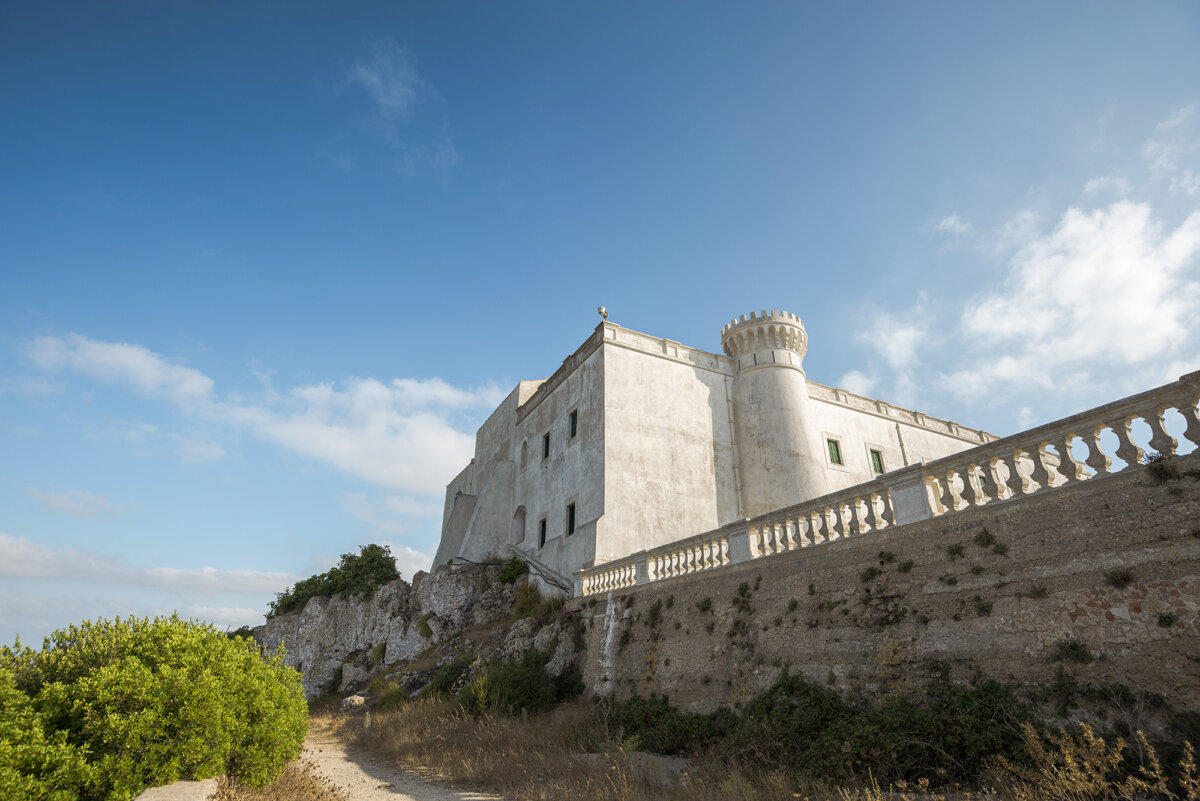
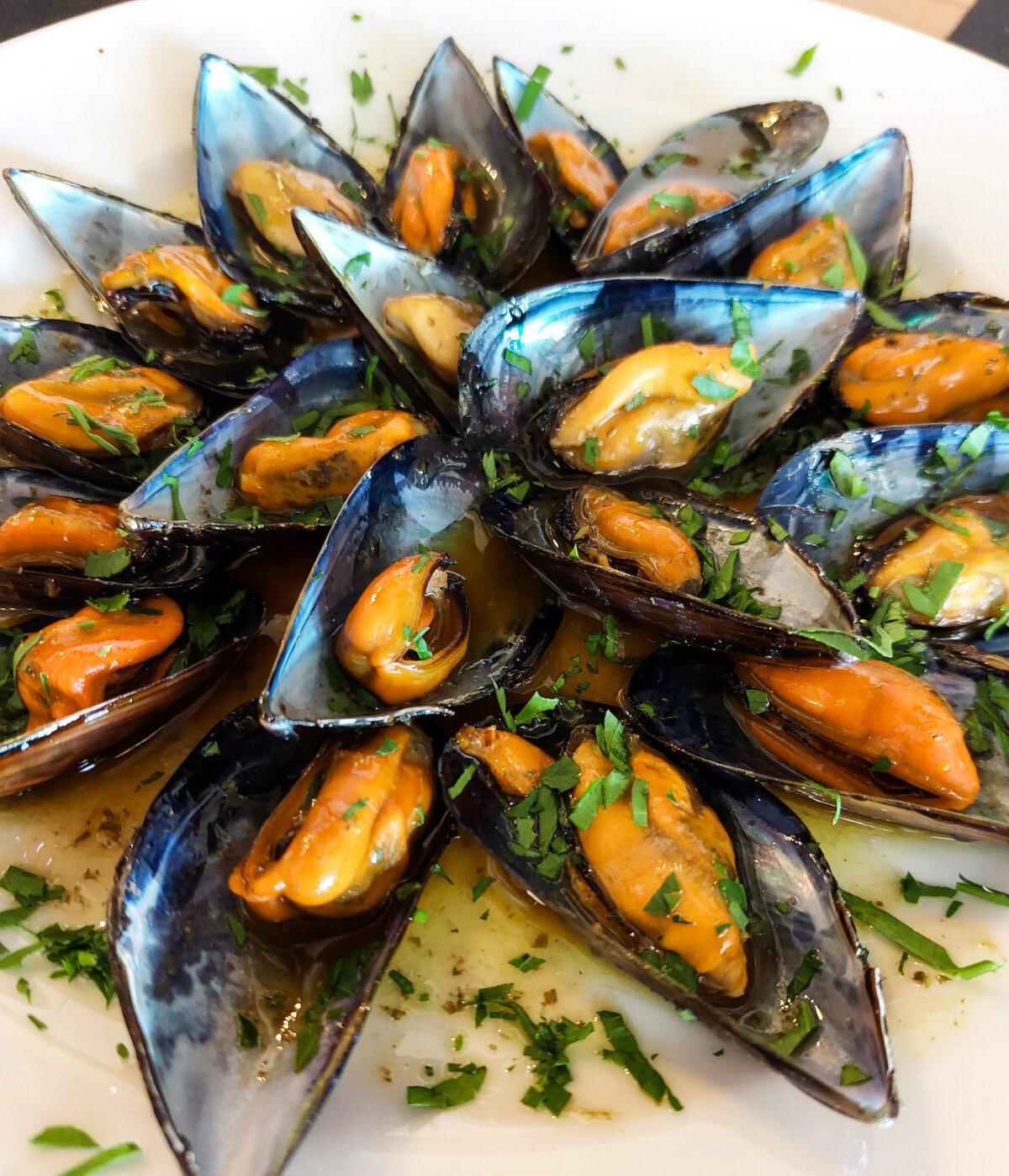
I sat down to a plate of mussels along a fishing marina in Es Castell, a sort of cozy side pocket to Mahón’s sweeping harbor, with the fortress-like Llatzeret, a 19th-century quarantine sanatorium, across the water. While I enjoyed the wines at Bodegas Binifadet, a family vineyard, the tasting menu at their dining patio betrayed the presence of a talented and creative chef, with food items as beautiful as they were delicious, including a salmorejo (gazpacho’s cousin), with a scoop of merlot-vinegar ice cream in it, and creamy Basque-style cheesecake made with Mahón cheese. Lunch at the gastronomically inclined boutique hotel Sant Joan De Binissaida found me overlooking the gardens that informed the day’s menu. Even a casual and affordable baked chicken set menu lunch at Es Festuc in Alayor came out as if I had stumbled into a Michelin-starred restaurant.
I brought home a bottle of Xoriguer gin, direct from the distillery, some fine extra-virgin olive oil, and a local vermouth. These may tide me over till my return. I have barely scratched the surface in Menorca and haven’t even gotten into the water for kayaking, snorkeling, or a catamaran cruise. But Menorca is on my radar now, and I look forward to returning and perhaps taking on that undeveloped coastline for a week-long hike.
If You Go
When to Go: Shoulder seasons—April and May, and late September through October—are ideal if you want to avoid crowds, but some travelers even enjoy the peace of the mild winters, and in any season, the tourist traffic does not rise to Mallorca’s levels. Water temperatures suit swimmers and snorkelers best toward the end of summer.
Getting There: The final segment of my flight to Mahón Airport on Menorca departed from Barcelona, but there are many other European cities with nonstop flights to Menorca, including London, Paris, Frankfurt, and Amsterdam. A car ferry connects from Barcelona, stopping first in Mallorca. The trip is at least 3 1/2 hours but can take up to nine, depending on the ship and port of arrival.
Getting Around: A rental car is recommended; be sure to purchase an international driver’s license before your trip. AAA processes them.
Accommodations: I stayed at Hotel S’Antiga in the town of Es Mercadal, close to the center of the island. One certainly could choose a port city to be by the sea, but I liked the sense of being among locals, and the boutique hotel is a charmer, from its breakfasts laid out by the lovely couple that owns it to the chatty manager Tomeu, a fount of island intel and enthusiasm. Parking is always a consideration as the streets rarely afford space. I used a free public lot a block from the hotel.
Portions of this trip were sponsored by Fundació Foment del Turisme de Menorca and Turespaña.
