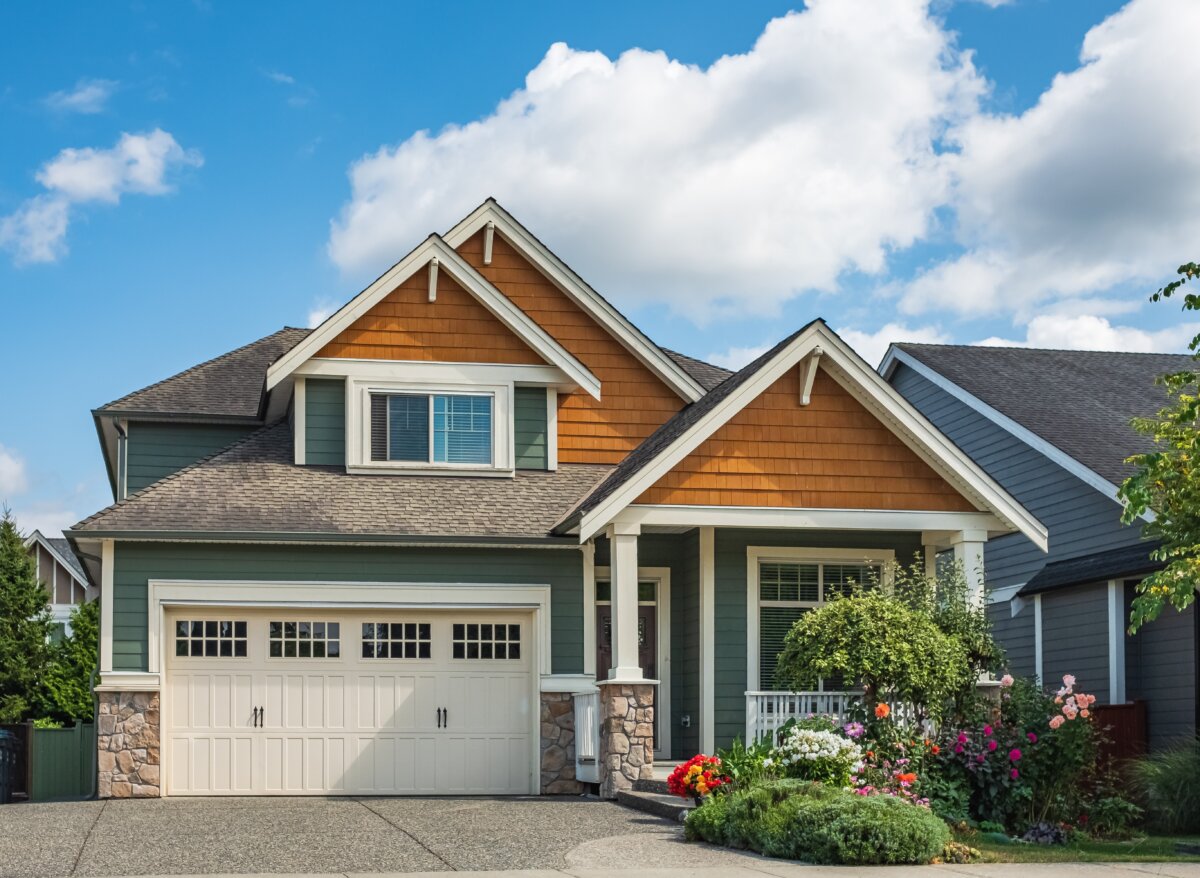
It’s becoming increasingly difficult to achieve the “American Dream” of homeownership. Millions of potential homebuyers have been priced out of the market, according to the Joint Center for Housing Studies of Harvard University. Those who can buy are looking for ways to save every dollar they can during the home-buying process.
Although it requires planning and negotiation, there are ways to shave off a few dollars when buying a home. Here are some tips to help you save when purchasing a new home.
Save by Purchasing a Home During Offseason
Most people want to move in the spring and summer. Timing your home purchase during low-demand months could mean lower prices.
According to HomeLight, the best time to buy nationally is in January and February, while the worst time to buy is around the first two weeks of May.
Every market has an offseason for selling a house, which is good for you. Here are some offseason times to buy a house in a few major cities:
- Los Angeles: save an estimated 3.47 percent in January
- Chicago: save an estimated 7.64 percent in January
- Houston: save an estimated 6.52 percent in January
- Seattle: save an estimated 8.89 percent in January
If you’re flexible and want to save, find the offseason in your area.
Bundle Home Inspections
Lenders require home inspections, but they add to the buying costs.
According to Liberty Homeguard, the cost of a home inspection varies. In 2025, the average cost of a standard home inspection is $400–$600 in markets with a moderate cost of living. With low to moderate living costs are approximately $200. But those in pricier areas can expect to pay $1,000 or more.
There are ways to limit the amount of money you pay for an inspection. One is to compare prices. There are usually several home inspectors in your area, so request quotes from different providers. However, be sure to check reviews and not just focus on the lowest price.
Besides a standard home inspection, you may need additional inspections like pest or radon. Having a different inspector for each one adds up quickly. Bundling these inspections could save you money.
For example, according to HomeAdvisor, the average price for a radon inspection in 2025 ranges from $146 to $713. But bundling a radon inspection onto a standard inspection will range between $75 and $300, according to Home Guide.
Shop for the Best Mortgage
No list would be complete without discussing mortgages. Shopping for a mortgage requires additional communication and paperwork. It could feel like a full-time job. But if it gives you a better mortgage rate and reduces what you pay in fees, it’s worth it.
Even a few tenths of a point lower could save you thousands over the course of your mortgages.
You can save $600–$1,200 annually by applying to multiple lenders for a mortgage, according to Freddie Mac.
Compare Lender Fees and Closing Costs
You may receive a lower interest rate, but if the lender has extra charges, it could eat up your savings. For example, many have fees for loan origination, loan application, and credit report. These are optional fees that aren’t required by law and vary among lenders.
If a lender has fewer charges but seems easier to work with, you may be able to use competing loan estimates as a negotiation tool.
However, ensure that all of this is done within the same 45-day window to avoid harming your credit. Timing is of the essence.
Discuss all closing costs with lenders and compare prices for third-party services like home appraisal, home inspection, title insurance, and homeowners insurance (inspection has already been discussed). Lenders have their preferred companies, but that doesn’t mean you must use them. Ask which ones are optional.
Compare prices from different providers for services such as surveys, title insurance, lenders’ title policies, and settlement/closing agents.
Settlement services and title insurance are two of the most significant expenses associated with purchasing a home. They are also negotiable.
No-Closing Costs Mortgage
Negotiating a mortgage with no closing costs is another option. This is when you negotiate with the lender to offset the closing costs by raising the interest rate. You could also bundle the closing costs with the mortgage’s total cost.
But while you save money upfront, you’ll be paying more for your mortgage in the long run. You’ll want to carefully consider the trade-offs, since this could make your monthly payment higher.
Close at the End of the Month
When you purchase a home, interest accrues on a per diem basis between the closing date and your first full payment’s due date. By closing later in the month, you’ll have fewer days in the interim period. This will allow you to manage your cash flow better in the initial stages of homeownership.
Every Dollar Counts
Today’s real estate market is challenging. It’s essential to make every dollar count and save as much as possible when buying a house.
By negotiating, comparing, and exploring your options, you can potentially save thousands of dollars both upfront and in the long run.
The Epoch Times copyright © 2025. The views and opinions expressed are those of the authors. They are meant for general informational purposes only and should not be construed or interpreted as a recommendation or solicitation. The Epoch Times does not provide investment, tax, legal, financial planning, estate planning, or any other personal finance advice. The Epoch Times holds no liability for the accuracy or timeliness of the information provided.