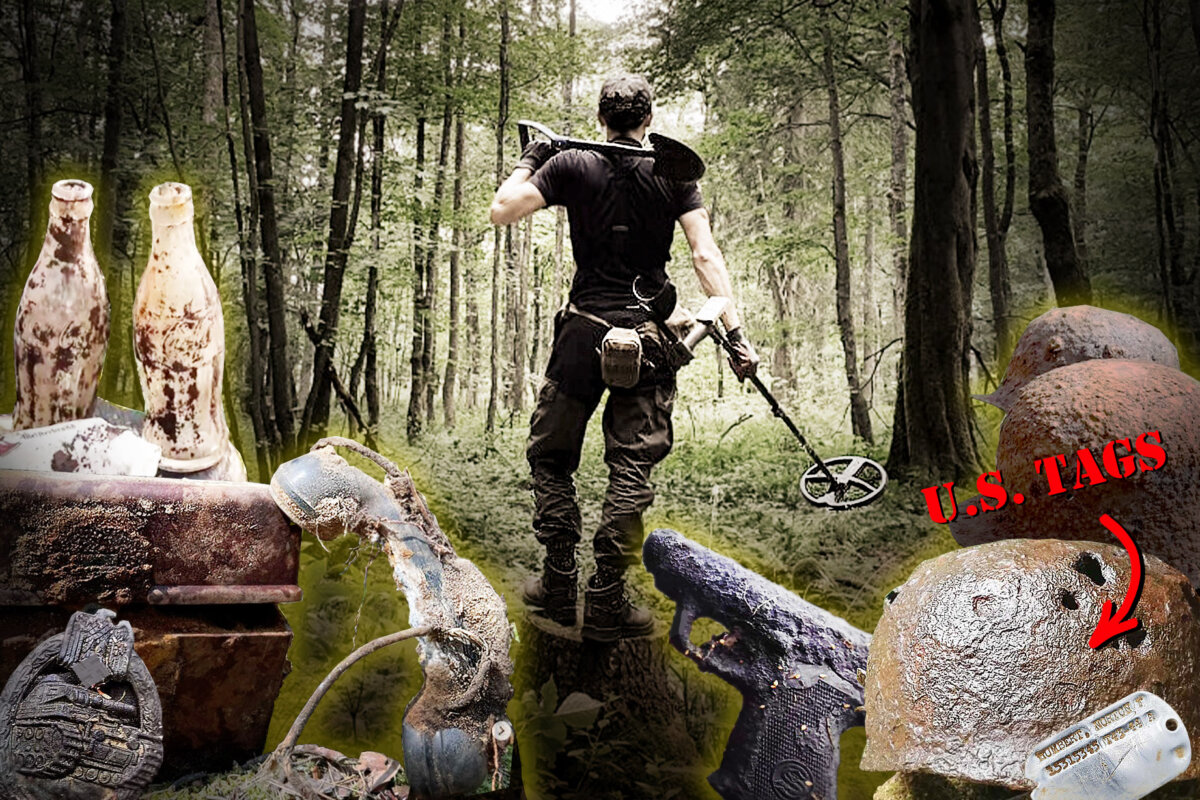
To follow the journeys of Chris De Jong on his visits to old and overgrown battlefields scattered across Europe is to dig up epic war stories behind the corroded relics he finds with his metal detector—including a pair of dog tags that he traced back to a U.S. soldier who had fought in World War II.
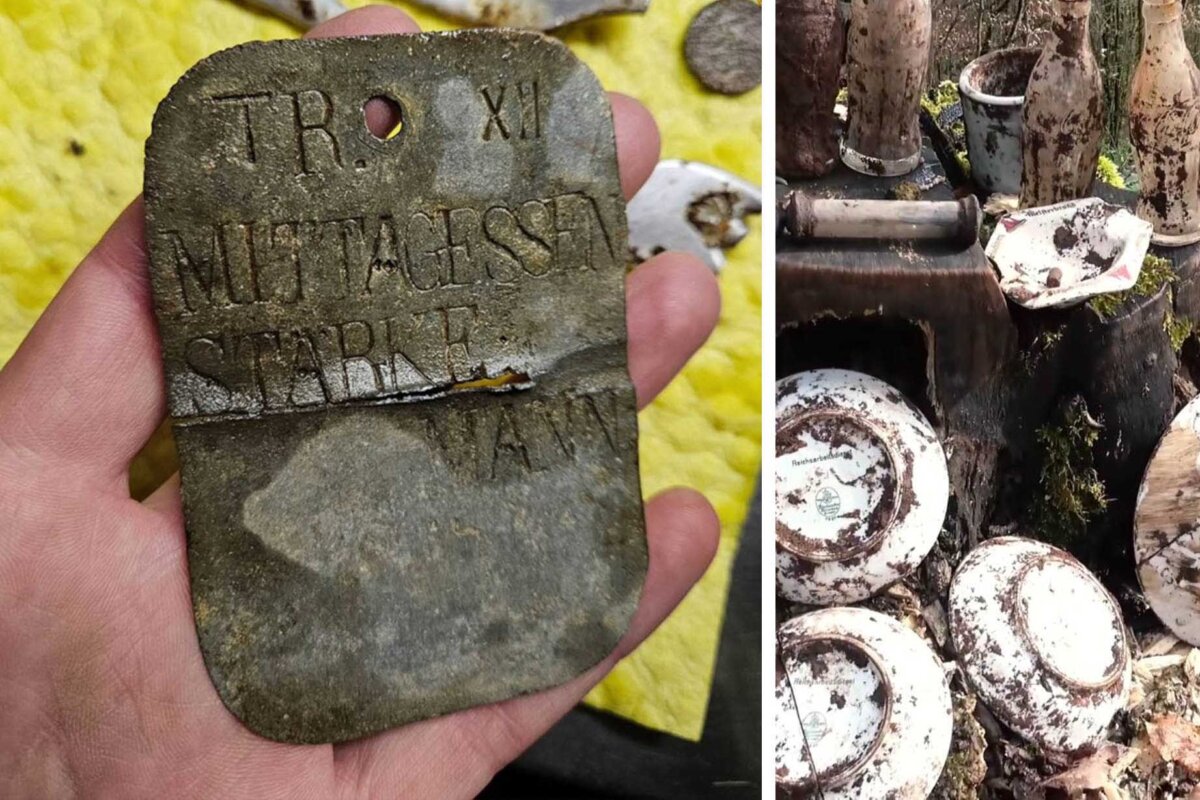
Rummaging through the bones of an old Wehrmacht (German army) base with his detectorist friends in mid-September last year, De Jong, 31, found intact furniture in the barracks as well as military badges and porcelain dishes with Nazi eagles emblazoned on them.
Built on the top of a hill, the former base looked as if its occupants had fled in a hurry as the Allied onslaught drew near so many decades ago. Interestingly, De Jong also unearthed a rare metal plate called an essensmarke that served a token for soldiers to hand in at canteens to receive a meal. This one was used for lunch—or “mittagessen”—as the imprinted letters read, he said.
“That was quite a successful trip,” De Jong tells The Epoch Times, adding that he’s now planning an excursion to Latvia later this month where they’ll meet up with local detectorists to explore one of the last major German holdouts during the war.
“The roughly 200,000 German troops held out in six major Soviet offensives, supported by naval supply lines across the Baltic Sea,” De Jong said, speaking of the spot where German soldiers made their last stand. “The pocket only surrendered after Germany’s overall capitulation on May 8, 1945.”
He hopes to bring a few war badges home on the plane.
Since he began his metal-detecting 15 years ago, De Jong has journeyed to Belgium, Luxemburg, France, Germany, and Poland—as well as his home country, the Netherlands.
“World War II history is literally everywhere,” he says. “There are battlefields from the early war period when Germany invaded other countries. Then there are also battlefields from later in the war, which splits up in the Western Front and Eastern Front.”
De Jong, who at age 10 started seeking war relics with his older brother and his friends near their home in Bergen op Zoom, bought his first metal detector at age 16. They’ve been scouring the landscape for war loot and investigating their intriguing backstories ever since.
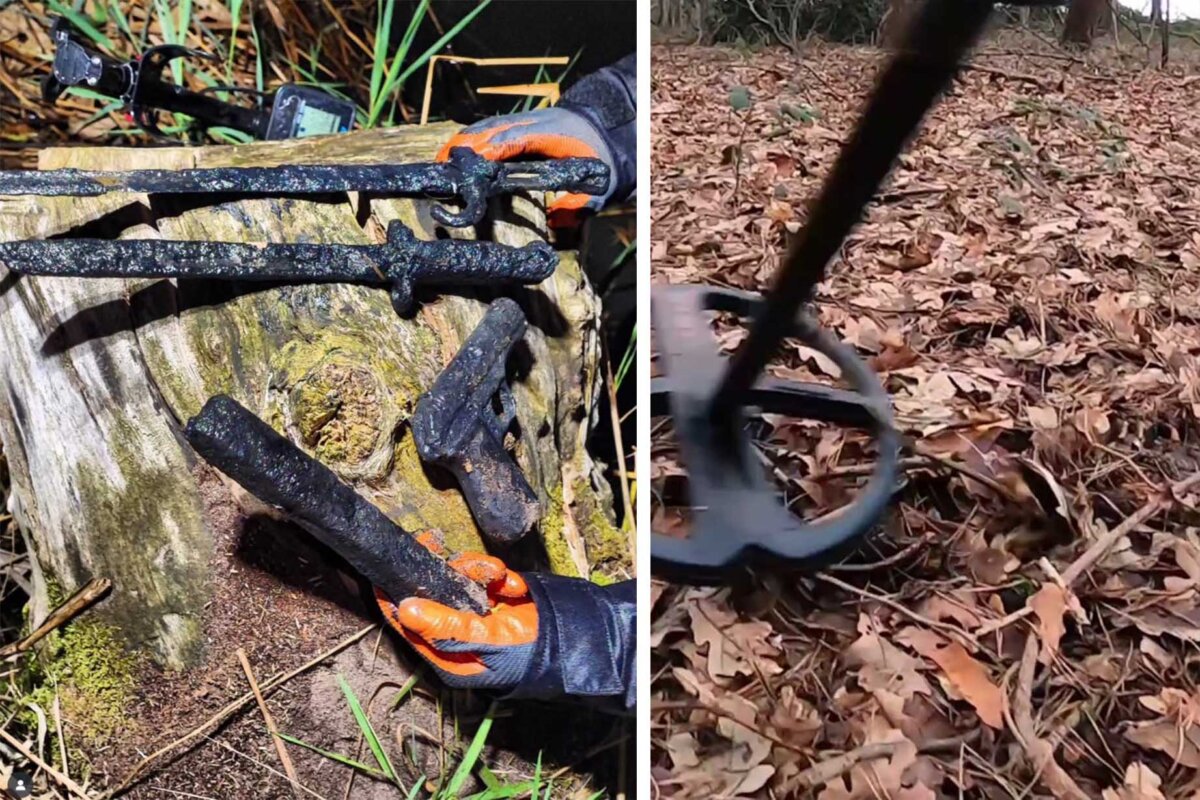
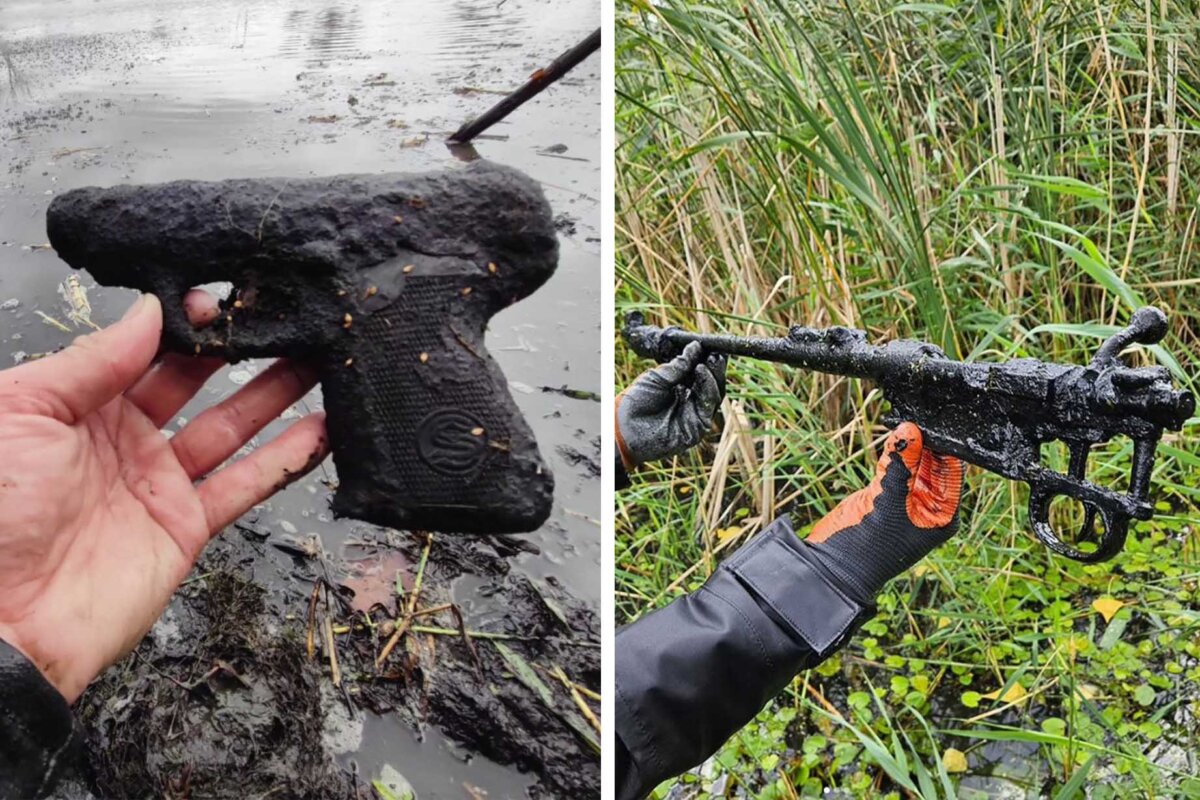
“We visit locations on the Western Front the most, as this is simply closest to home,” De Jong said. “Fortification lines like the Atlantic Wall or West Wall are really interesting for metal detecting. Also, on the Eastern Front, we often travel towards Berlin.”
As an IT project manager most days, he finds time for his travels about eight times a year.
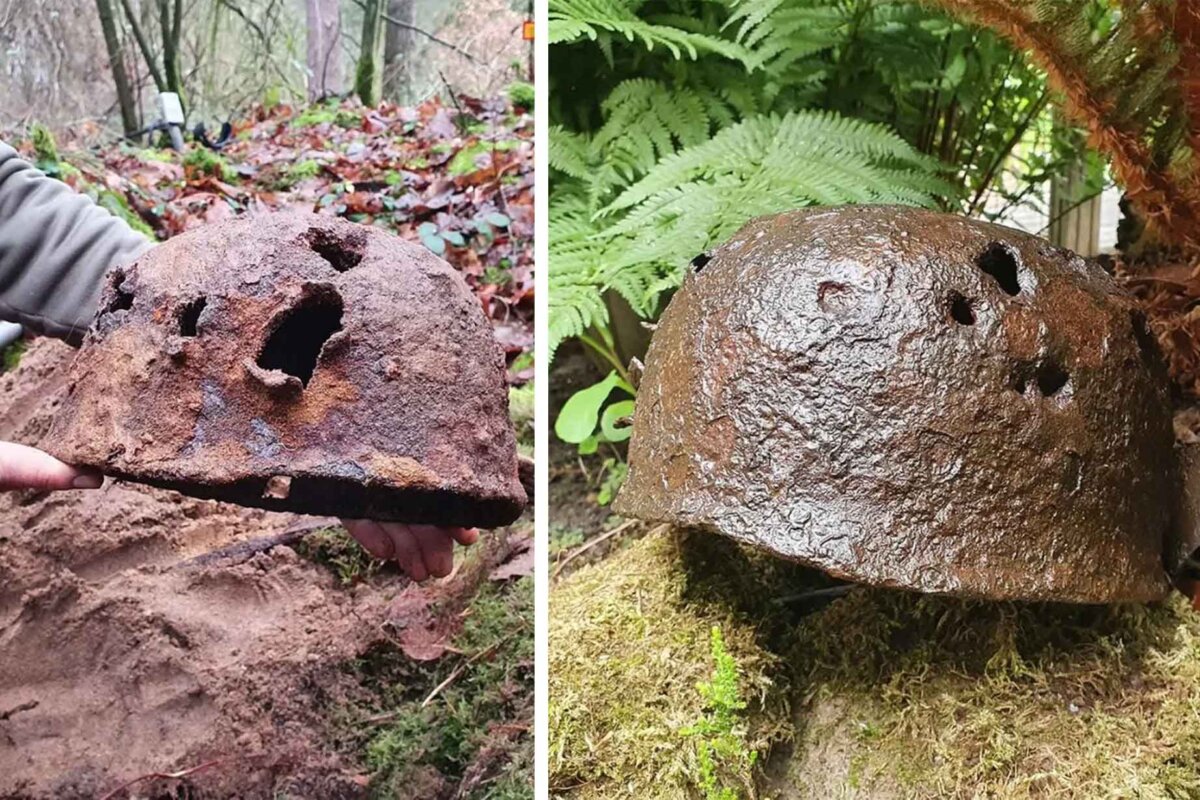
One of the “craziest hotspots” for war relics De Jong’s come across was on Germany’s Eastern Front. Metal detectors twerking away, they spent days sweating in a forest one sweltering summer, locating parts of a German Enigma machine (for sending secret coded messages) and Mauser K98k bolt-action rifles. De Jong nearly tripped over two World War I-era German helmets—very strange considering no battles of that older era were fought here.
“Close by I even found two World War I uniform buttons,” he said. “These artifacts must have been from the Volkssturm.”
In the last days of World War II, the Wehrmacht was low in men and equipment and so drafted old fighters from the previous world war. They dusted off their old uniforms and geared up to became the Volkssturm.
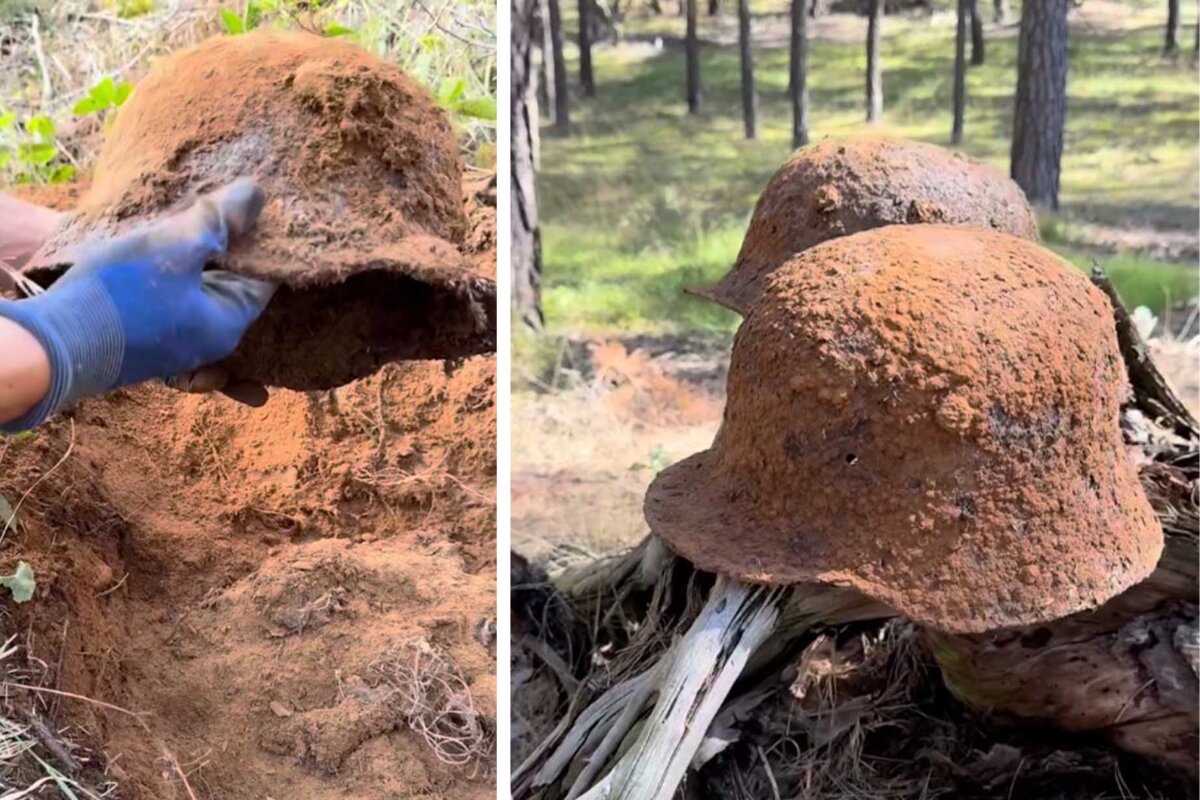
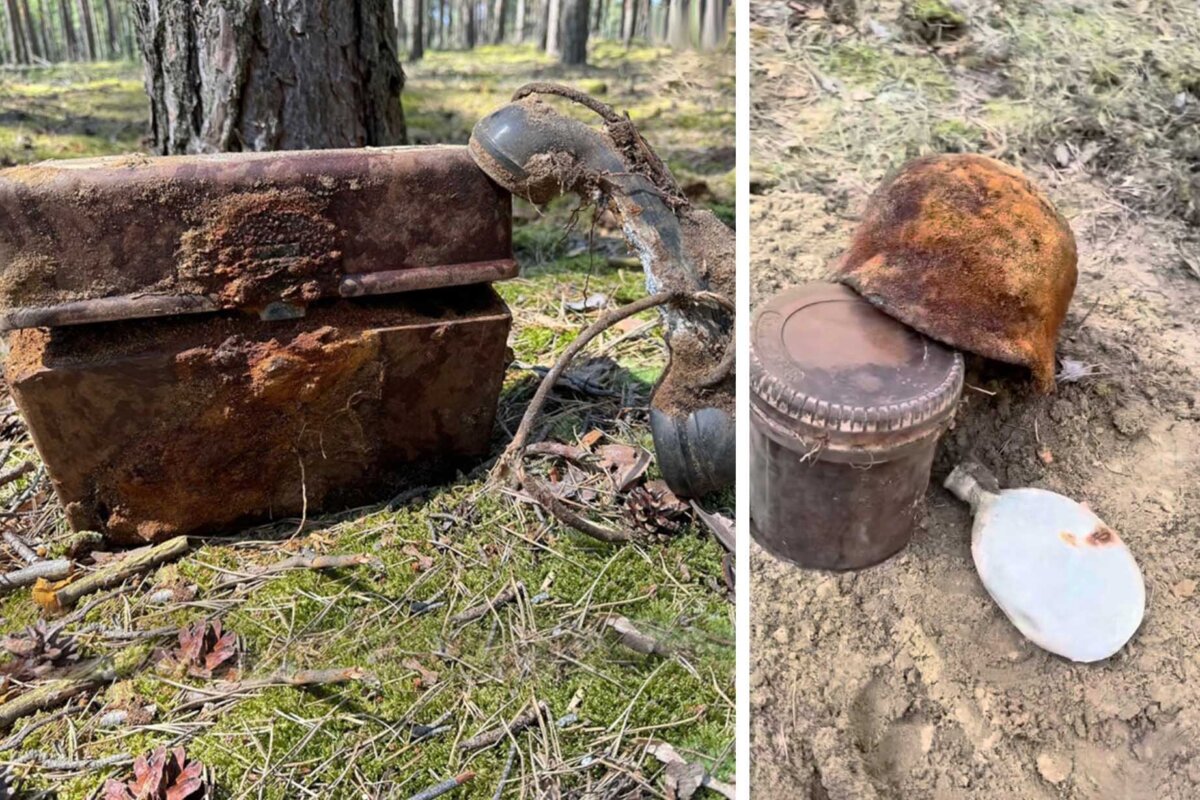
De Jong theorizes this was where the SS made contact with the Volkssturm and then sent their final coded messages before discarding all their equipment and military insignia—probably because “they didn’t want to be recognized as SS by the Soviets, as they feared being killed or being sent to the Gulag.”
In addition to the stories, sometimes the war artifacts De Jong finds have monetary value, though he says their historical value outweighs any amount of money. “Many of these artifacts I could never sell,” he says. “They will stay in my personal collection.”
He’s willing to part with items he’s found before, though, and has set up an online shop.
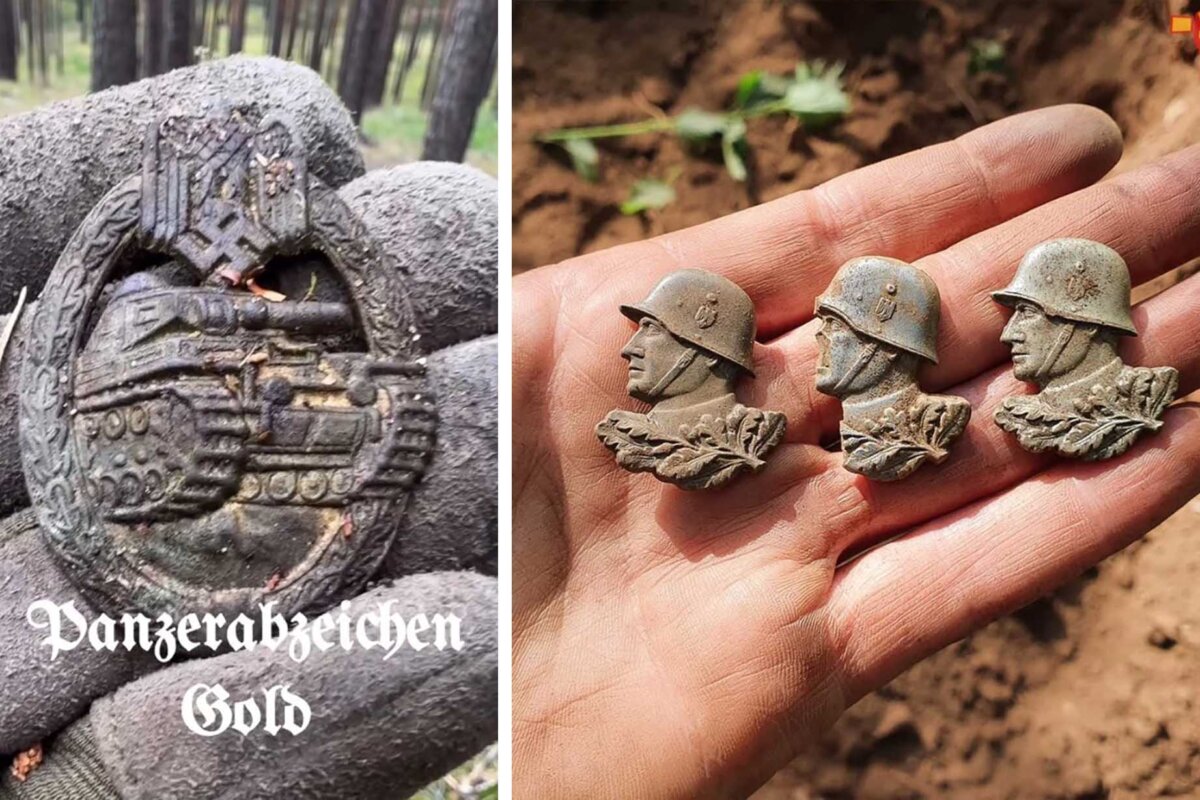
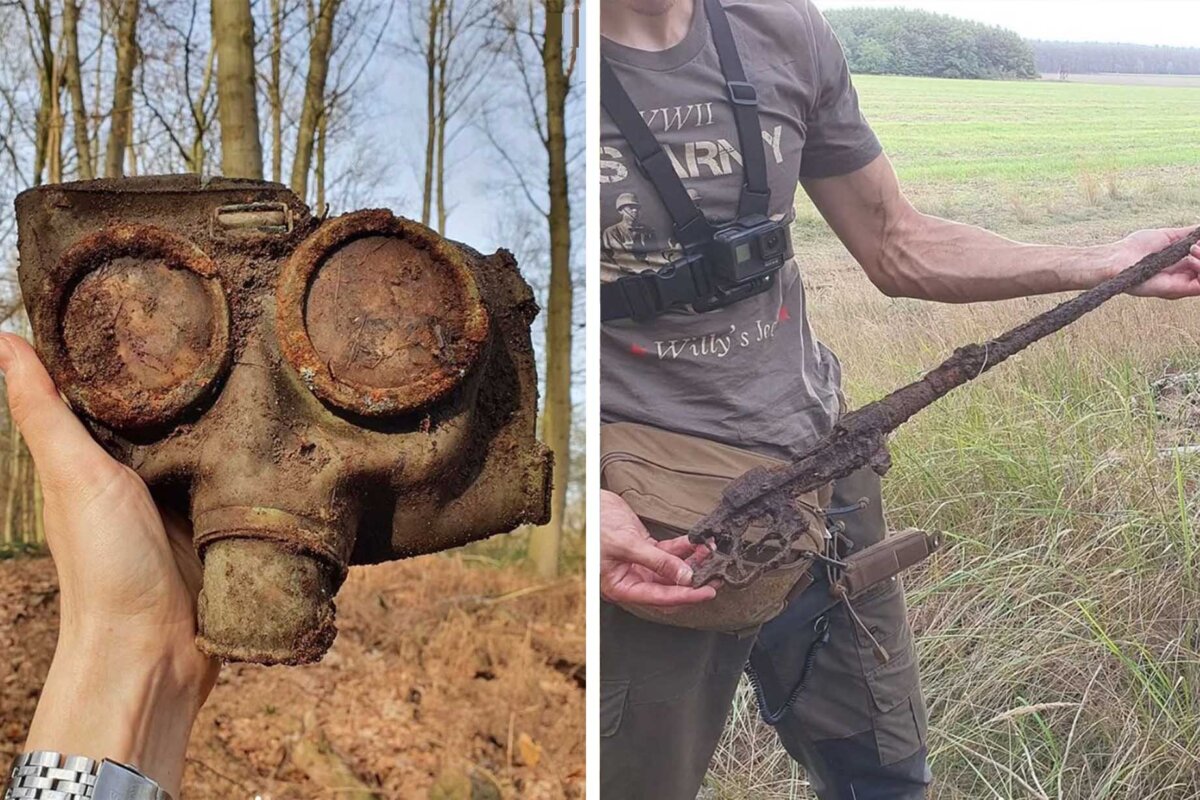
The historic value of his war relics can even turn into living history; De Jong has traced some objects back to living relatives of deceased owners.
“At one occasion, I was metal detecting on a former POW camp in France with some friends,” he said. “American soldiers held thousands of German soldiers captive here.”
With his metal detector, De Jong stumbled on a pair of 80-year-old U.S. dog tags. It wasn’t even buried but was lying on the surface. That’s a common sight in farmers’ fields where soil is regularly turned and plowed.
The soldier’s first name, De Jong revealed, was Norton.
“First thing I did was Google search that name and boom, I found him right away, as it seems a family business was connected to his name,” he said.
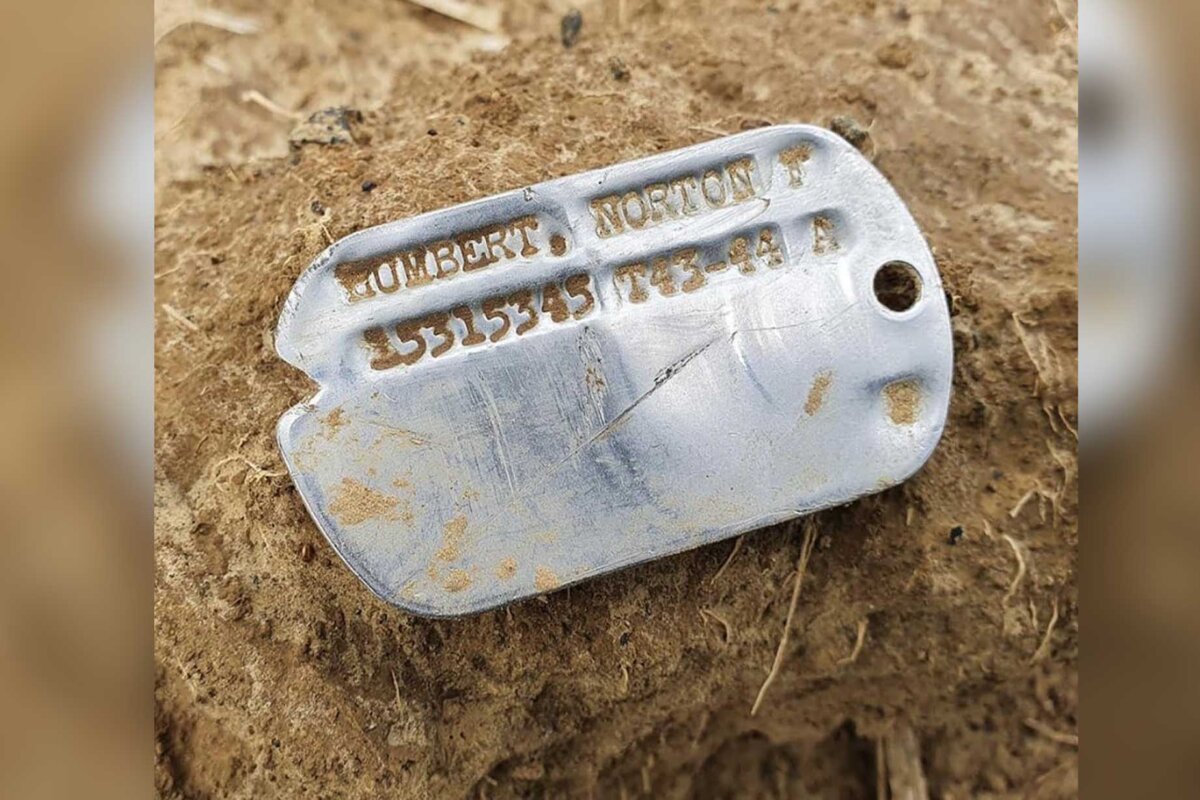
He learned this soldier was born in 1924 and enlisted in the Army at age 18 in 1942. Norton fought in the Battle of the Bulge, the Battle of the Rhineland, and the Battle of Central Germany. Then he probably became a guard and this POW camp, according to De Jong.
“Anyhow, Norton survived all these campaigns and went home after the war where he took over the family business shortly after,” the detectorist said. “He passed away at the age of 68 in 1993.”
And the family?
They were “really surprised” when De Jong delivered news of the found tags via email, he said, but a follow-up email offering to return the tags to the family “never got a response.”
De Jong surmises they meant little to the relatives now, since Norton not only survived but lived a full life before passing three decades ago.
“I guess for the family this chapter was already closed,” he says. “In any case, Norton’s story still got a happy end, because he made it home safely. That is all that matters!”