



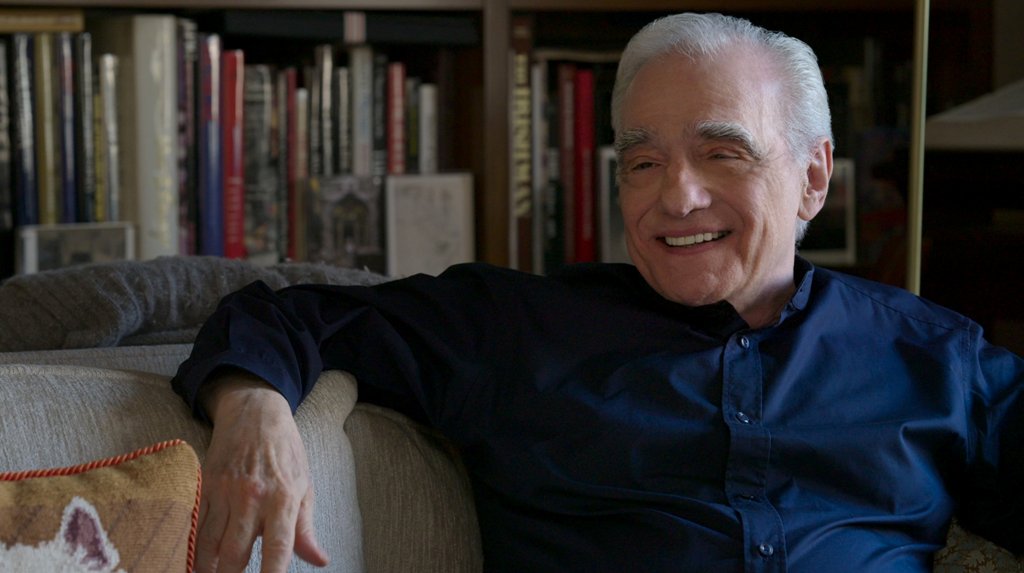
TV-MA | 5 episodes | Documentary, Biography, Film History | 2025
In about five hours, director Rebecca Miller’s sprawling biographical documentary about filmmaker Martin Scorsese does something that productions of this sort never achieve: It leaves us wanting more. In show business terms, it’s better to leave an audience wanting more than to give them too much.
Originally conceived as a standard feature, Miller quickly recognized that it needed to be expanded to a five-part series. All in, “Mr. Scorsese” has a running time of 306 minutes and feels like only half as long. There isn’t an ounce of fat or filler to be found here.
Miller (the daughter of playwright Arthur Miller) approaches the project with both unbiased objectivity and the enthusiasm of a fan given unfettered and unlimited access to her subject.
No Losers
During his half-century-plus career, Scorsese has directed over 25 live-action features. At least half of them are timeless and close to perfect. The others are above average at worst. Scorsese has never made a bad movie. Lesser known are his 17 full-length documentaries, TV shows, music videos, short films, and TV commercials.
The first episode, “Stranger in a Strange Land,” covers Scorsese’s childhood through college at New York University. Both sets of his grandparents emigrated from Sicily around 1910 and settled in the working-class Nolita section of Manhattan. His parents (Charles and Catherine) grew up opposite each other on Elizabeth Street, which is where many of his aunts, uncles, and cousins lived.
The A.C. Treatment
Scorsese’s introduction to movies was, by all accounts, accidental. Charles soon discovered that his son’s asthma symptoms could be temporarily quelled by air conditioning. At the time (the mid 1940s), few homes had air conditioning, but it was a big drawing card for movie audiences and most theaters had it. Rather than playing in the streets, Scorsese became a student of the film medium as a young child.
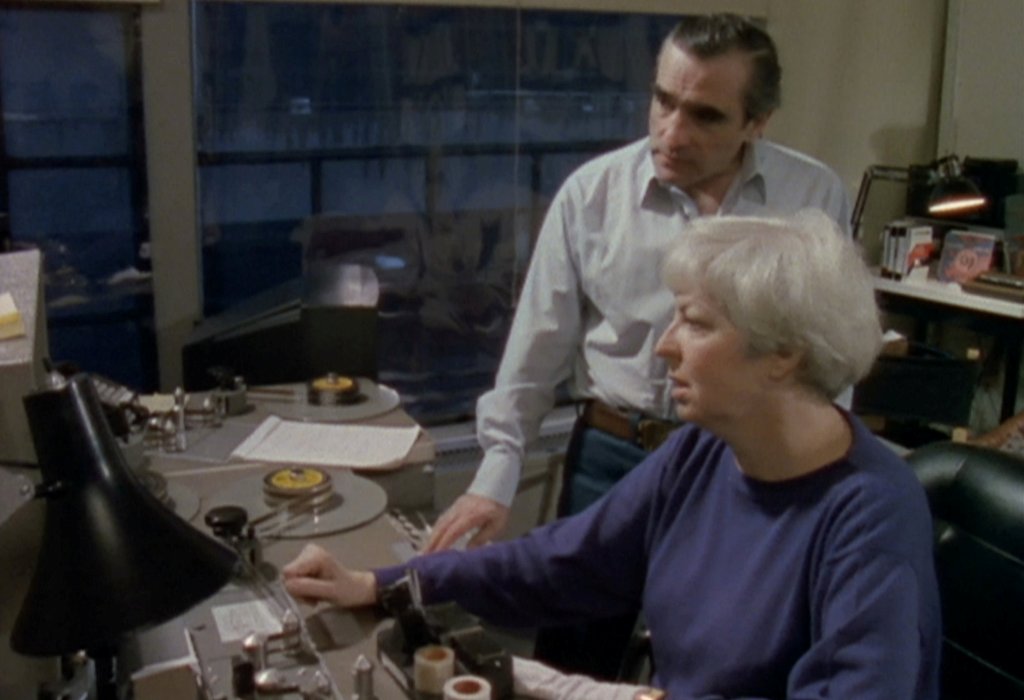
After three well-received short films, Scorsese was offered the opportunity to codirect a documentary chronicling a 1969 music festival taking place in Bethel, New York. That documentary film, “Woodstock” (1970), won an Oscar. Scorsese received only a coediting credit shared with five others, including Thelma Schoonmaker. Ten years later, Schoonmaker would edit “Raging Bull,” the first of 26 projects on which they collaborated.
“Boxcar Bertha” impressed just enough people for Scorsese to secure funds to make “Mean Streets” (1973), which caught the eye of rising star Ellen Burstyn. Although it bore no resemblance content-wise to “Mean Streets,” “Alice Doesn’t Live Here Anymore” (1974) became Scorsese’s next feature. Burstyn won an Oscar for her performance and signaled the official arrival of Scorsese as an A-list director.
Next up was “Taxi Driver” (1976) which, despite seedy subject matter and graphic violence, thrust Scorsese into “auteur” territory and almost became his undoing. The fawning accolades, positive critical response, and trappings of the celebrity lifestyle fueled Scorsese’s increasing ego. This led him to believe he was infallible and figuratively bulletproof.
Even-Keel
Produced with Scorsese’s full cooperation and participation, “Mr. Scorsese” isn’t a hagiographical project. It’s as even-keel as one could hope for. Neither he nor Miller shy away when addressing his professional missteps, personal shortcomings, and imbroglios.
Supplementing the copious amount of interviews and sound bites from Scorsese are those from his three daughters, Schoonmaker, multiple directors, and actors from his films.
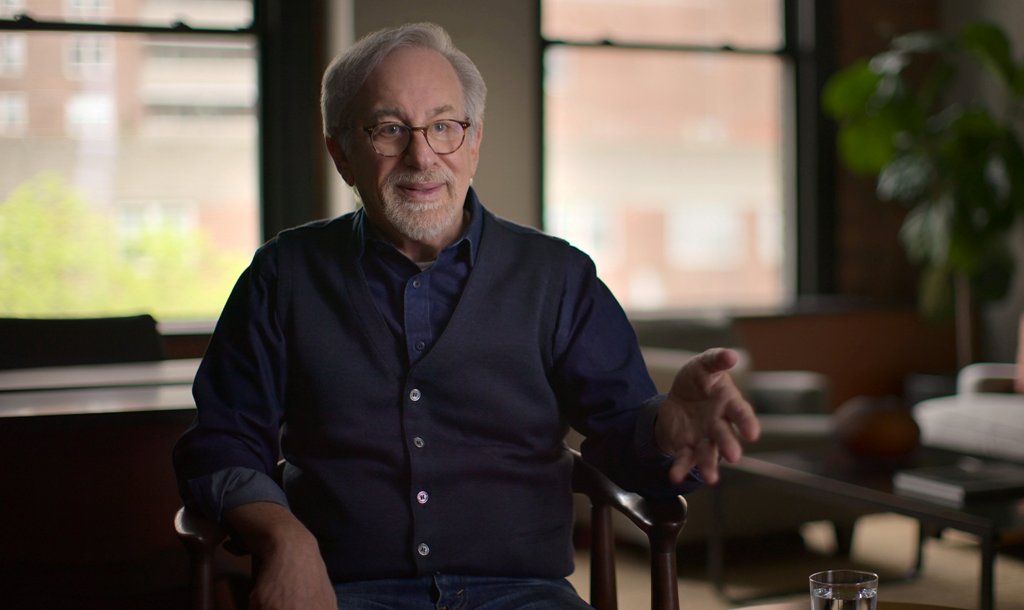
Filmmakers Brian De Palma and Steven Spielberg, whose careers began at about the same time as Scorsese’s, offer superb “inside baseball”-flavored anecdotes. The same can be said for Nicholas Pileggi, who cowrote the “GoodFellas” and “Casino” screenplays with Scorsese.
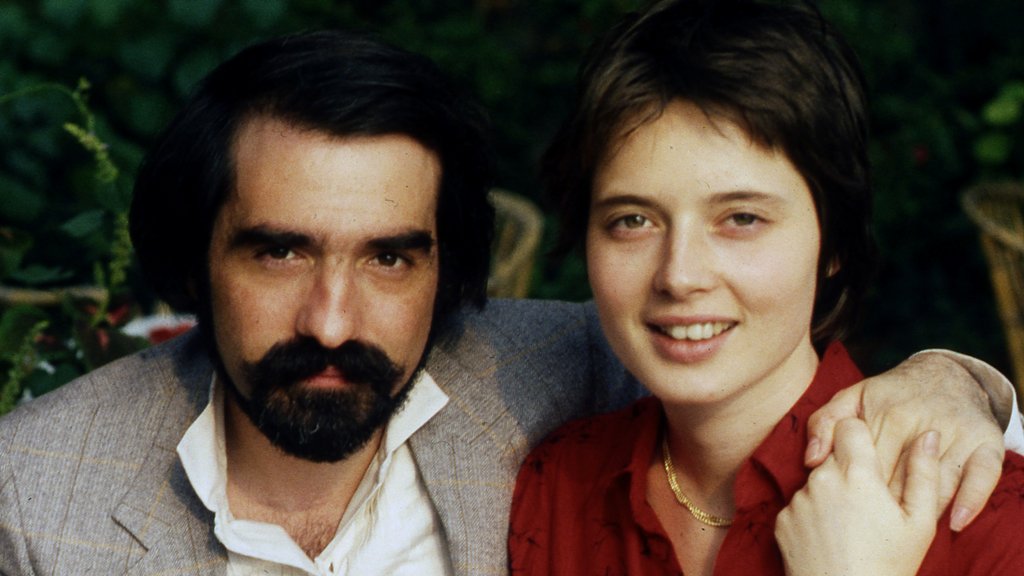
Among the many interviewed performers are Harvey Keitel, Sharon Stone, Daniel Day-Lewis (Miller’s husband), Foster, Isabella Rossellini, Leonardo DiCaprio, and musicians Mick Jagger and Robbie Robertson.
Enter DiCaprio
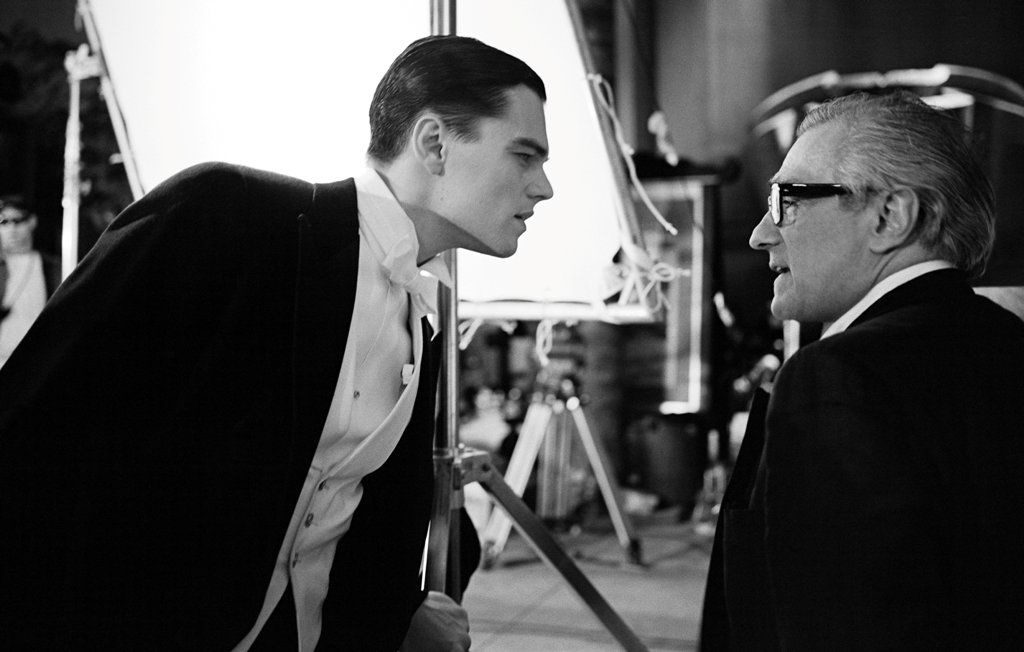
After the windfall success of “Titanic,” DiCaprio was in a position to not only pick and choose all of his future projects as an actor; he also had the leverage to produce and approve directors. But after four complete flops in the wake of “Titanic,” DiCaprio partnered with Scorsese on “Gangs of New York,” the first of seven movies (thus far) they worked on together.
What Miller doesn’t address (and she really didn’t need to) is the misconception that Scorsese only makes violent movies about organized crime. Of Scorsese’s 26 features, just five fit that description. If there is any constant theme in most of Scorsese’s works, it’s the theme of good versus evil.
In none of Scorsese’s movies does evil ever win, but in a few it’s a close call. He never fails to challenge moviegoers’ positions on right and wrong and never provides easy answers. He makes us think. He makes us call on our own core beliefs. For those and many other reasons, he deserves praise because he never wavered from his righteous core beliefs.
The series is now streaming on Apple TV+.
‘Mr. Scorsese’
Documentary
Director: Rebecca Miller
Episodes: 5
TV Parental Guidance: TV-MA
Release Date: Oct. 17, 2025
Rating: 5 stars out of 5
What arts and culture topics would you like us to cover? Please email ideas or feedback to features@epochtimes.nyc
