



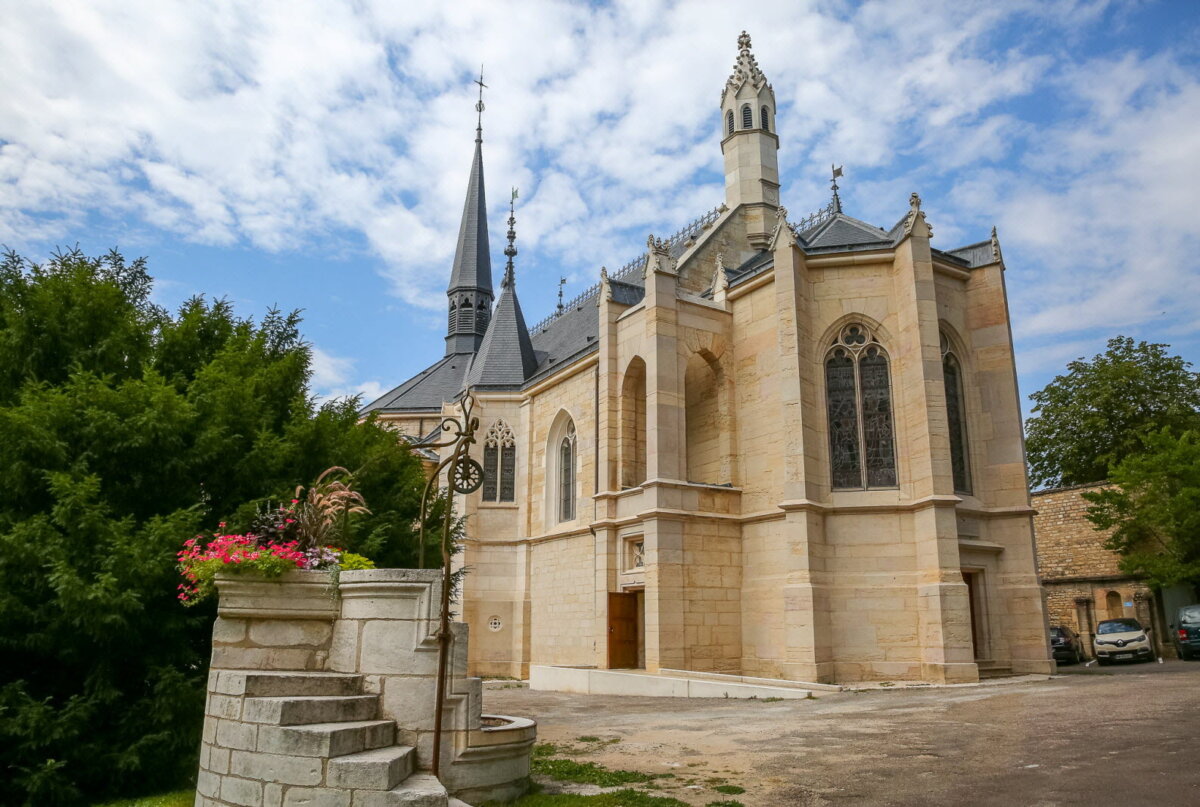
Located on the outskirts of Dijon, France, formerly the capital of the Duchy of Burgundy, the Chartreuse de Champmol was a monument to the Valois dukes. In the 15th century, the monastery became a pilgrimage site displaying the era’s finest French and Burgundian art and architecture.
In 1377, Duke Philip the Bold (1342–1404) purchased the plot of land to provide a burial place for the ducal family, which was meant to rival France’s dynastic burial sites. In medieval times, dukes built monasteries on such sites so that monks could pray daily for the buried souls to be released from purgatory. Philip housed 24 (later 26) Carthusian monks. The Carthusians, an enclosed religious order of the Catholic Church, lived a semi-hermitic life. The name of their monasteries—“Chartreuses” or “Charterhouses”—was derived from the Chartreuse Mountains near Grenoble, France, where the Carthusian order was founded.
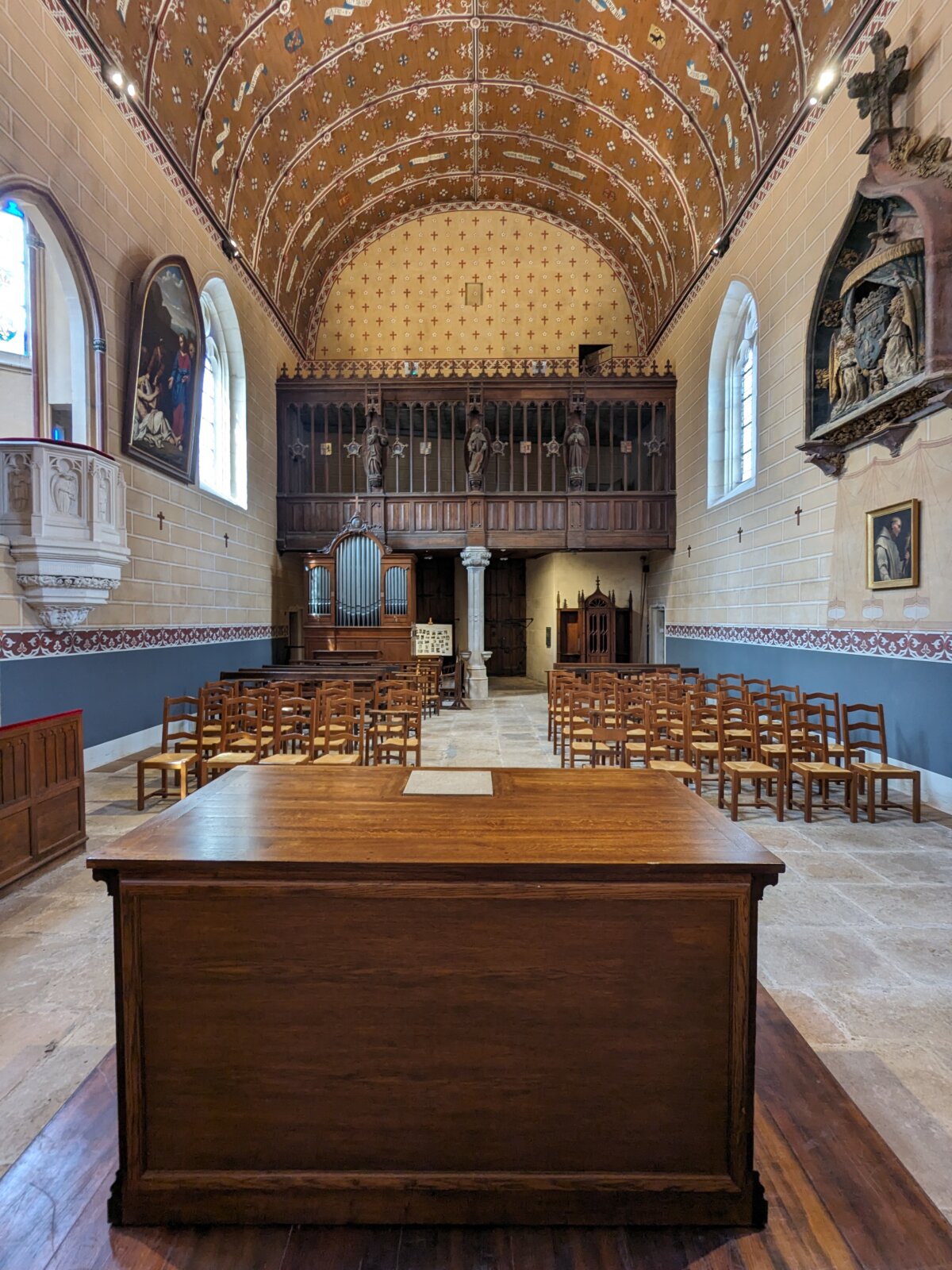
Upon its completion in about 1388, the complex featured two cloisters, a church, small cottages, and private oratories (prayer rooms) for the duke and duchess. The French architect Drouet de Dammartin oversaw Champmol’s construction, while Flemish sculptor Jean de Marville directed its designs and decorations in the International Gothic style, which combined rich colors and gold decoration. After Marville’s death in 1389, his assistant Claus Sluter (1340s–circa 1405) succeeded him. Sluter became the bridge between Gothic and proto-Renaissance styles and was posthumously coined “the Michelangelo of the north.”
Champmol was lavishly decorated with works of art, including Jan van Eyck’s “The Annunciation” and two sculpted tombs. During the French Revolution, the complex was dismantled and many of its artworks were dispersed; most of them are now housed at the Musée des Beaux Arts in Dijon, France.
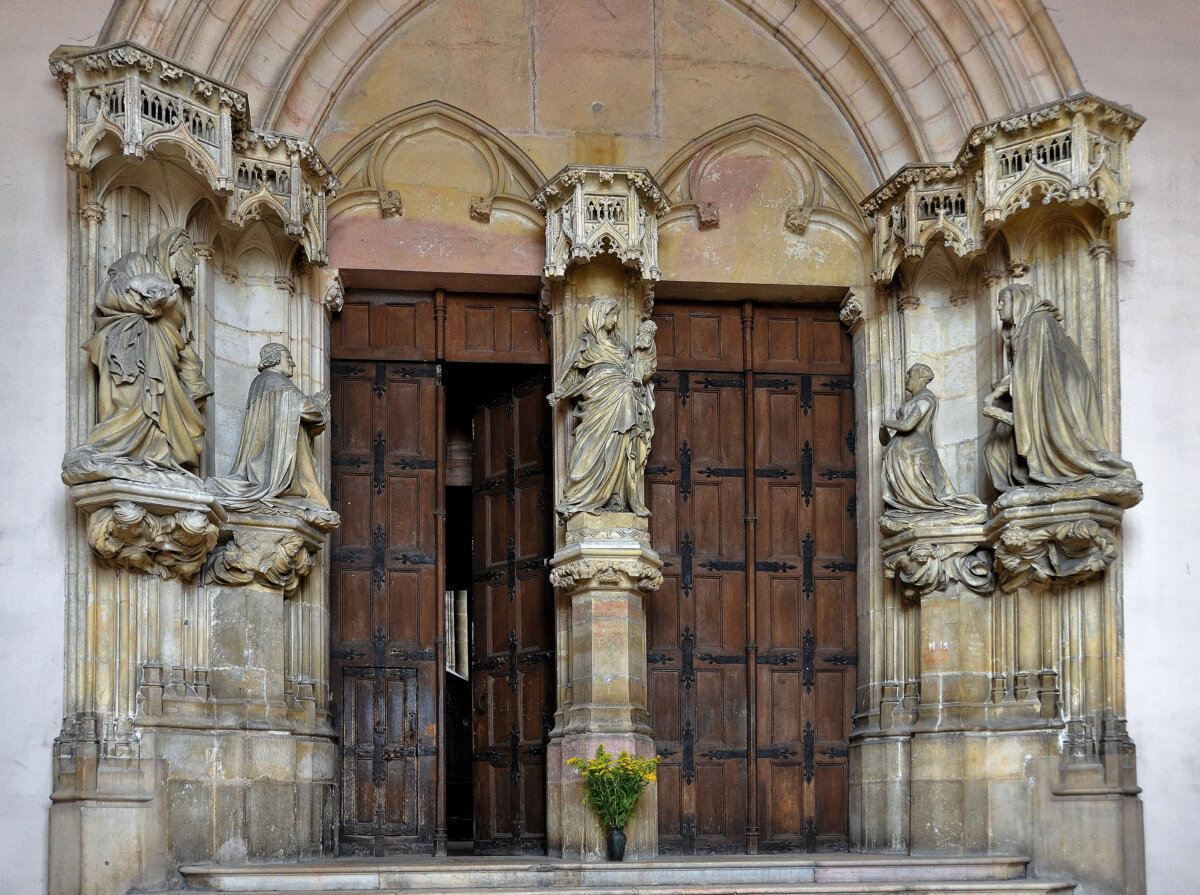
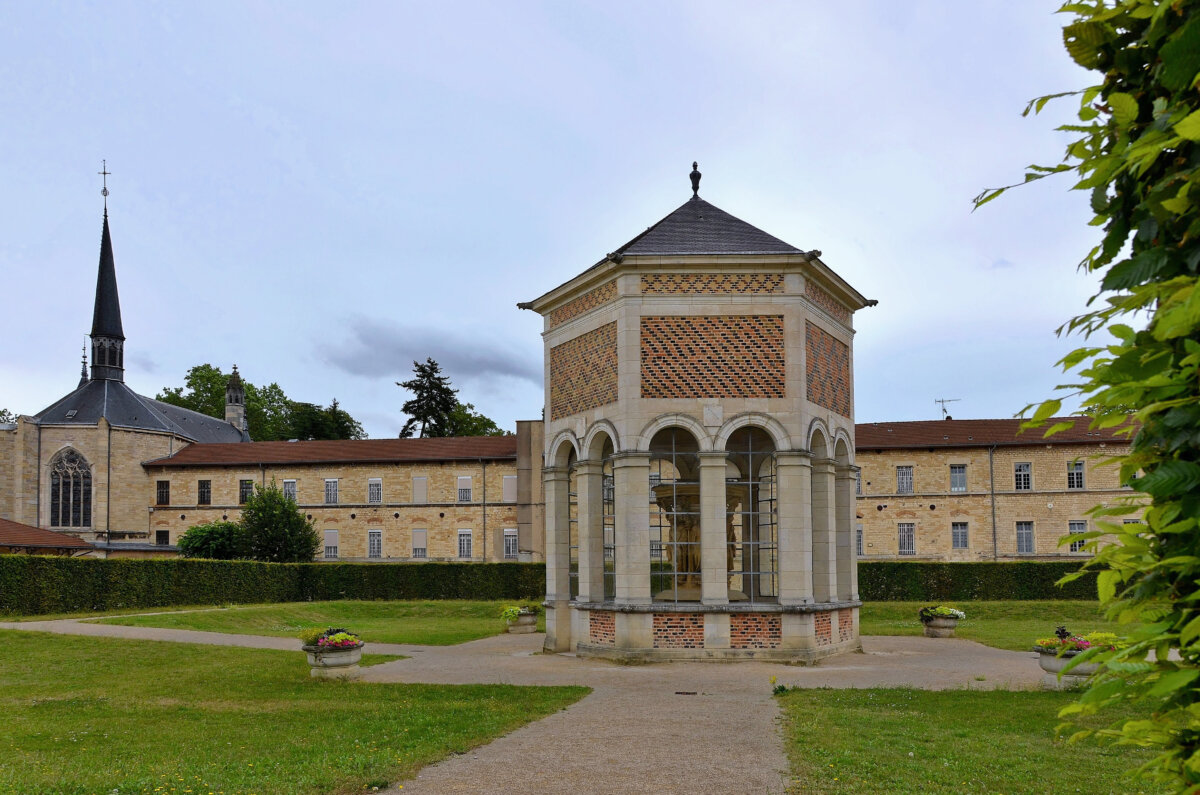
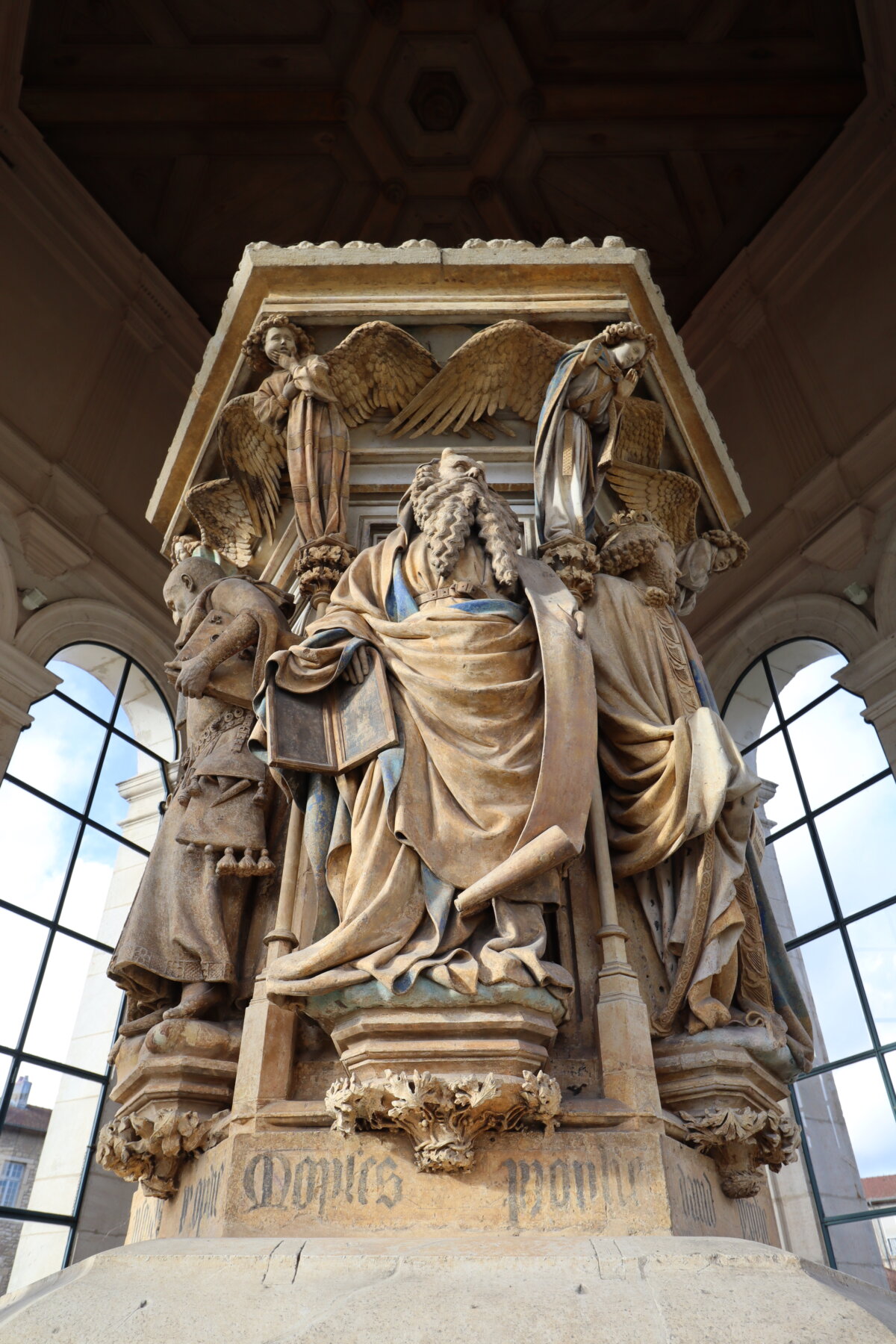
Two major works by Sluter, still in situ, have been preserved: the “Well of Moses,” which was formerly called “The Great Cross,” and the church’s portal. Constructed as a large crucifixion scene above a hexagonal base, the “Well of Moses” features six Old Testament prophets carved from stone quarried in Asnières, France. Only fragments of the Calvary composition from the “Well of Moses” survived and are currently housed in the Musée Archéologique in Dijon. However, the hexagonal base with its sculptures can be visited at Champmol today.

What arts and culture topics would you like us to cover? Please email ideas or feedback to features@epochtimes.nyc
