Veterans Day likely sparks in most Americans thoughts of battlefields and heroism, like D-Day’s “boys of Pointe du Hoc,” the Marines in Korea at the Chosin Reservoir, Vietnam’s chopper pilots, or the Special Forces in Afghanistan. Reinforcing this image of veterans are the hundreds of war movies Hollywood has produced over the last century, nearly all of which are focused on combat. Films like “Sands of Iwo Jima,” “The Bridges at Toko-Ri,” “Saving Private Ryan,” and “The Hurt Locker” have painted our picture of the veteran.
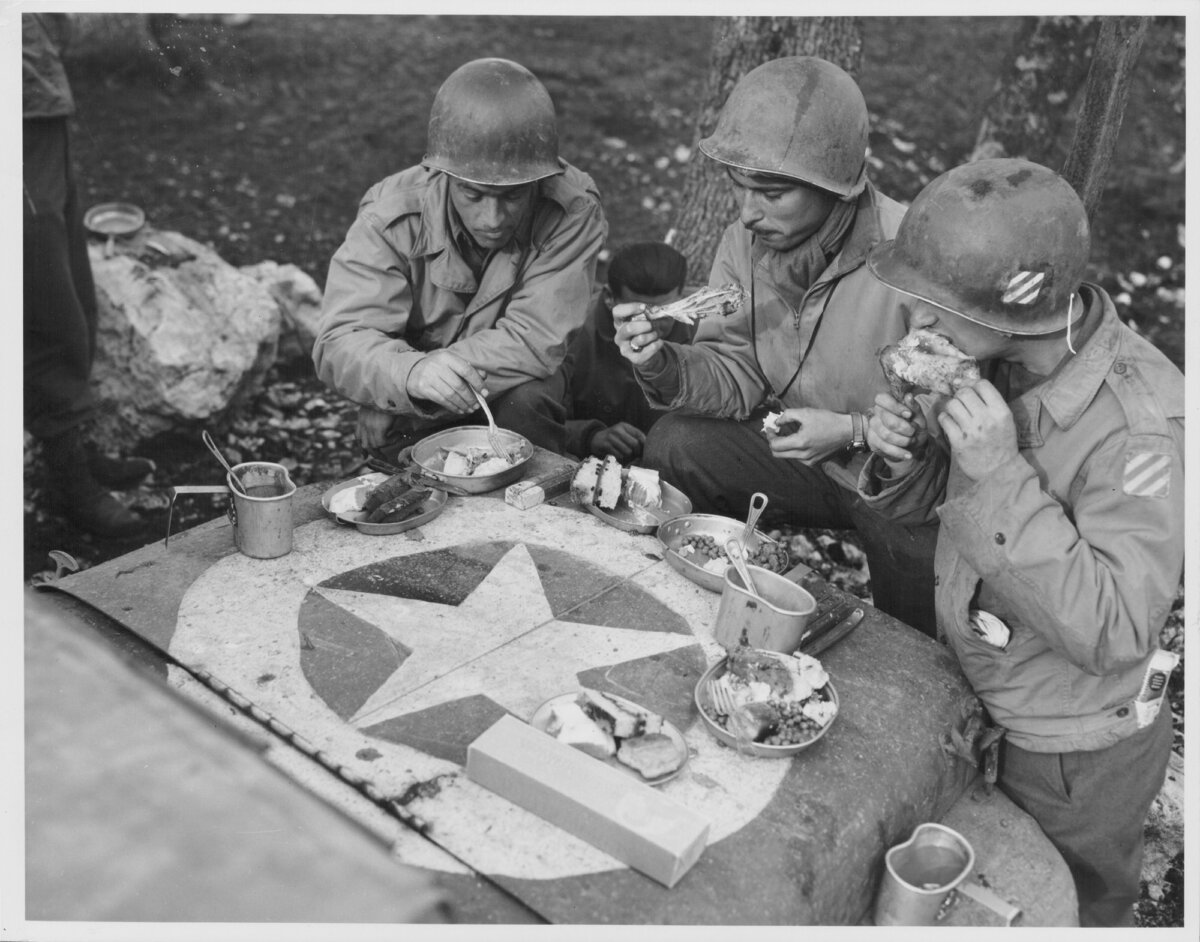
And so, on Veterans Day, we remember the warriors whose courage and sacrifices preserved our freedoms and our way of life. Yet the intent of this federal holiday is to celebrate and honor all who have served or are serving in the military, both the living and the dead, whether equipped with a rifle or a spatula.
Tooth-to-Tail
“Tooth-to-tail” is an informal term expressing the ratio of combat troops to noncombat troops in the military. When writing of World War II, for example, historians cite different tooth-to-tail statistics, with the generally accepted figure of 4.3 men and women serving off the battlefield for every soldier on it. Because of the more fluid combat zones and situations in Vietnam and, again, depending on your source, the percentages of military personnel who saw battle fluctuate more wildly, with estimates ranging from 10 percent to 60 percent of all military personnel stationed there.
The uncertainty about all these figures can be attributed in part to the definitions of combat itself. A sudden enemy advance or aerial bombardment can quickly change a rear echelon encampment into a killing ground. In Afghanistan, IEDs (Improvised Explosive Devices) could as easily kill a truck driver as a Special Forces sergeant.
Yet the fact remains that most veterans did not serve directly in combat. On the other hand, without the quartermasters, planners, suppliers of food and ammunition, medical personnel, and more—the troops with the guns and tanks would have struggled to win any battle at all.
This is the essence of a quote attributed to Napoleon: “An army marches on its stomach.”
Behind the Scenes
All wise military commanders are acutely aware of the vital importance of support troops who keep the frontline forces fueled and fed.
“You will not find it difficult to prove that battles, campaigns, and even wars have been won or lost primarily because of logistics” is a quote attributed to Dwight Eisenhower during WWII. The website for the North Atlantic Treaty Organization reinforces this assertion: “Logistics serves as the backbone of a military’s power, providing an integrated system of supporting activities—including the supply, movement and maintenance of equipment, personnel and services—that support the full spectrum of operations.”
Logistics, in short, is planning battles and campaigns, all with an eye toward supply and maintenance of the troops involved. When logistics is ignored or disrupted, disaster ensues. Cut off from escape—that is, movement—and faced with a shortage of supplies and ammunition, Cornwallis surrendered at Yorktown. The American Confederacy lost its war against the North in no small part because of logistics—the lack of factories to supply weapons and, at the end, the absence of enough food to feed its armies. A modern tank can go 45 mph on a paved road, but it’s not going anywhere without fuel.
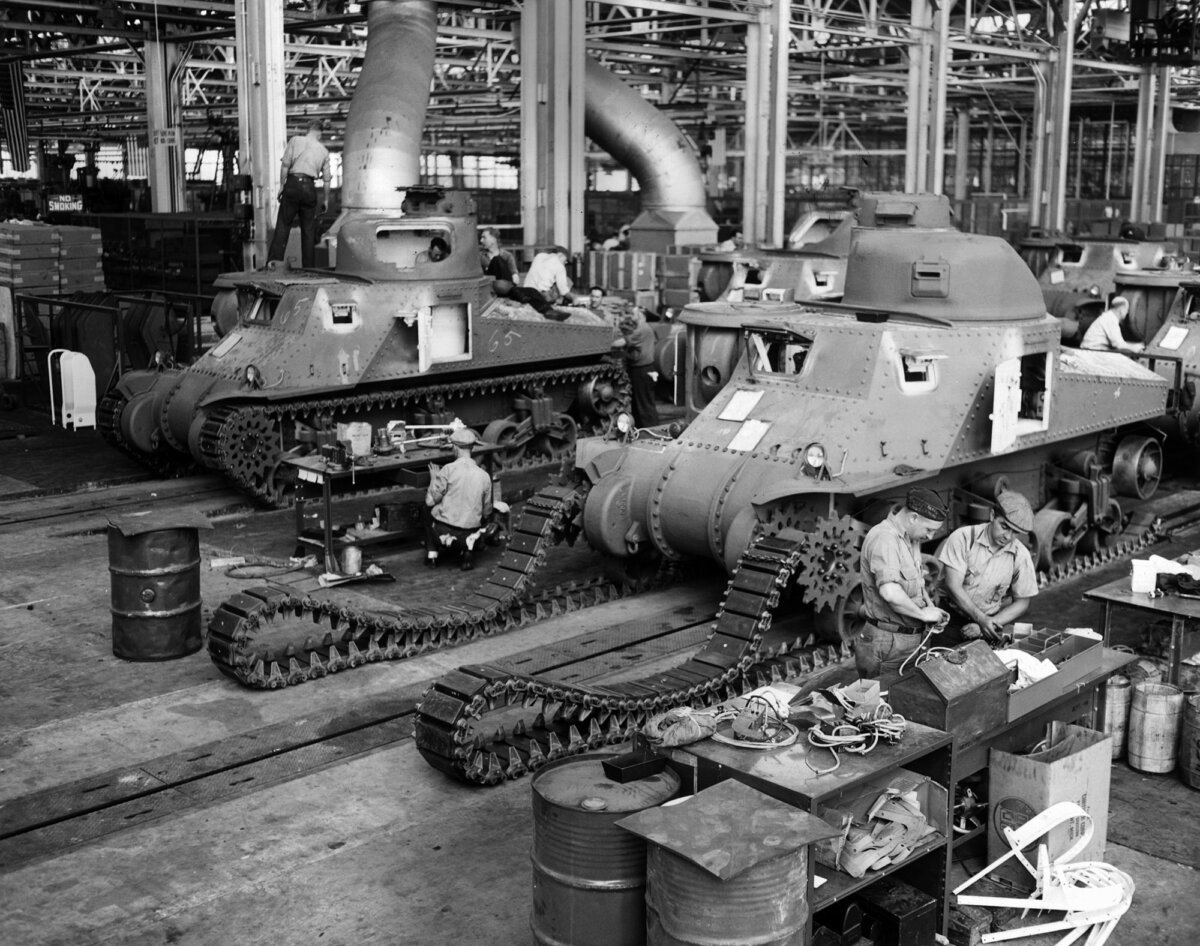
Consequently, behind every combatant are mechanics, cooks, doctors and nurses, quartermasters, truck drivers, drone operators, clerks, planners, MPs (military police), and all sorts of other staff. They are the men and women essential to winning in war, and so deserve a Veterans Day thank you from the American people for their service.
Into Action
We must also bear in mind that throughout the history of the American military, support troops have accepted danger and hardship when duty called. When rapidly advancing American forces in France began outrunning their supply lines in the summer of 1944, the Army formed the Red Ball Express. Here, noncombatants, the majority of them African American, loaded and drove convoys of trucks, and for 82 days delivered an average of 12,000 tons of supplies a day to troops in the field. That effort kept the Army on the attack against the Germans and contributed greatly to the Allied victory.
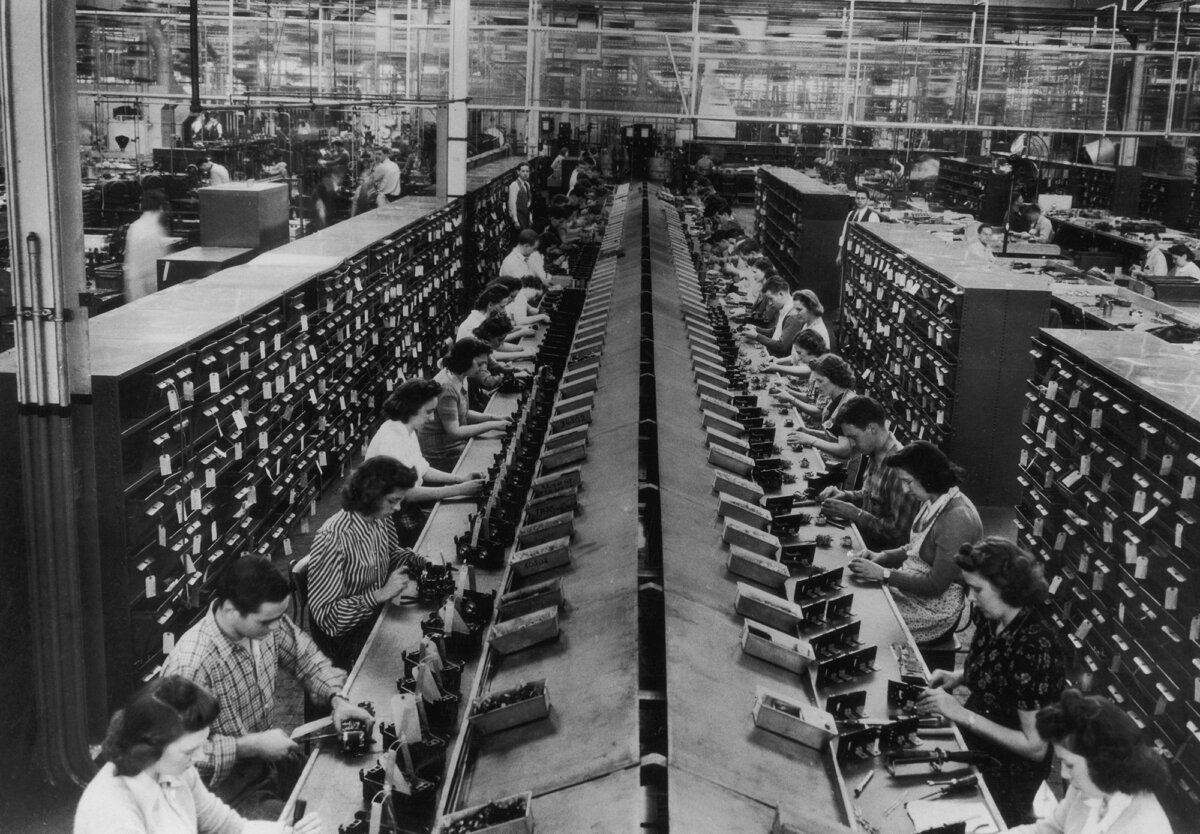
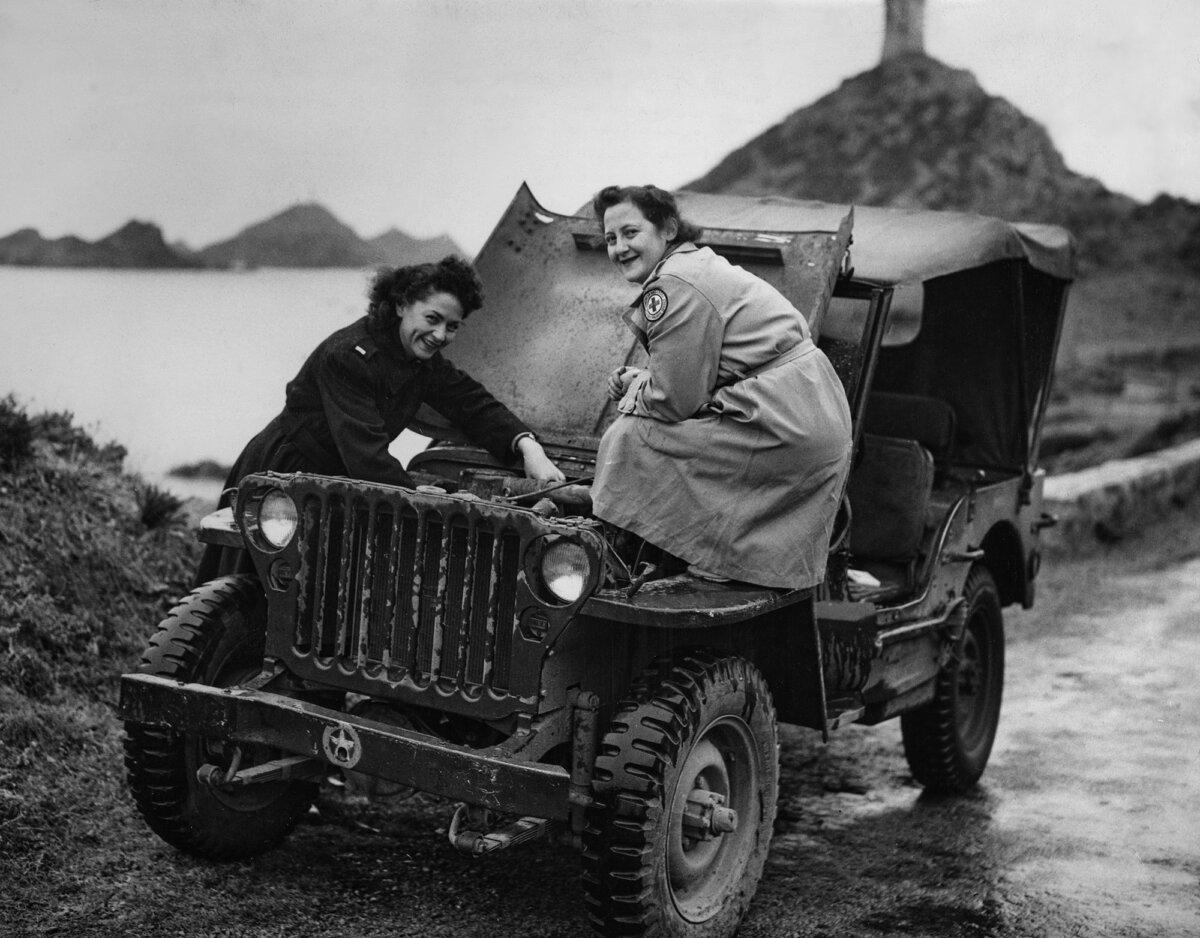
In that same war, 350,000 women served in the U.S. armed forces as nurses, clerks, mechanics, drivers, and more, which made more men available for combat. Though noncombatants, some of these women came under fire from the enemy or faced the rigors of war. When Corregidor in the Philippines fell to the Japanese in 1942, 77 nurses were among the American military personnel taken captive. For more than three years, these women remained disciplined and provided medical care for both military and civilian prisoners, saving lives and overseeing the general health of the prisoners.
Washington’s Vietnam Veterans Memorial includes a sculpture to the 11,000 women who served in that country during the war. 90 percent of them were military nurses who volunteered for that duty, which is why the sculpture depicts three nurses tending to a wounded soldier. During these war years, more than 250,000 other women helped maintain the strength and capabilities of our armed forces by volunteering for service in the military.
The Families
Often overlooked in our Veterans Day appreciation are those on the very end of the “tooth-to-tail” ratio, the mothers, fathers, husbands, wives, and children left behind when their loved ones are deployed overseas. A 2022 Veterans of Foreign Wars article “Leaving Afghanistan—One Year Later” notes that approximately 800,000 American men and women served in that country at one time or another during the longest war in American history. Back at home, millions more awaited their safe return. YouTube clips of veterans returning home and surprising loved ones are joy-filled, but also implicitly reflect the sacrifices demanded by these long and difficult months of separation.
This time apart is particularly tough on wives, husbands, and children. While their spouses are overseas, mothers and fathers essentially become single parents, responsible for the running of the household and the raising of their children. In “They Also Serve…,” Gerald Skolnik writes of his son’s six-to-eight-month shipboard deployment as a Navy chaplain and of his daughter-in-law and grandchildren who live with Skolnik and his wife while her husband is away. She “has been transformed into a single parent with two very young children and an active dog, moving from the place where she and her children were comfortable and at home, and missing the loving presence of her husband.”
Skolnik takes the title for his article from the end line of John Milton’s poem “On His Blindness”: “They also serve who only stand and wait.” Those waiting for the return of loved ones on this Veterans Day of 2025 deserve our gratitude for this act of national service.
On Dec. 2, 1863, less than three weeks after he had delivered the Gettysburg Address, Abraham Lincoln wrote, “Honor to the Soldier, and Sailor everywhere, who bravely bears his country’s cause. Honor also to the citizen who cares for his brother in the field, and serves, as he best can, the same cause.”
This Veterans Day, let’s pause from our busy schedules and salute by means of heartfelt appreciation all our veterans, living and dead, those on the battlefield and those who have cared for them as brothers, and may we remember as well those who, in the absence of these loved ones, maintained homes and families worthy of their return.