



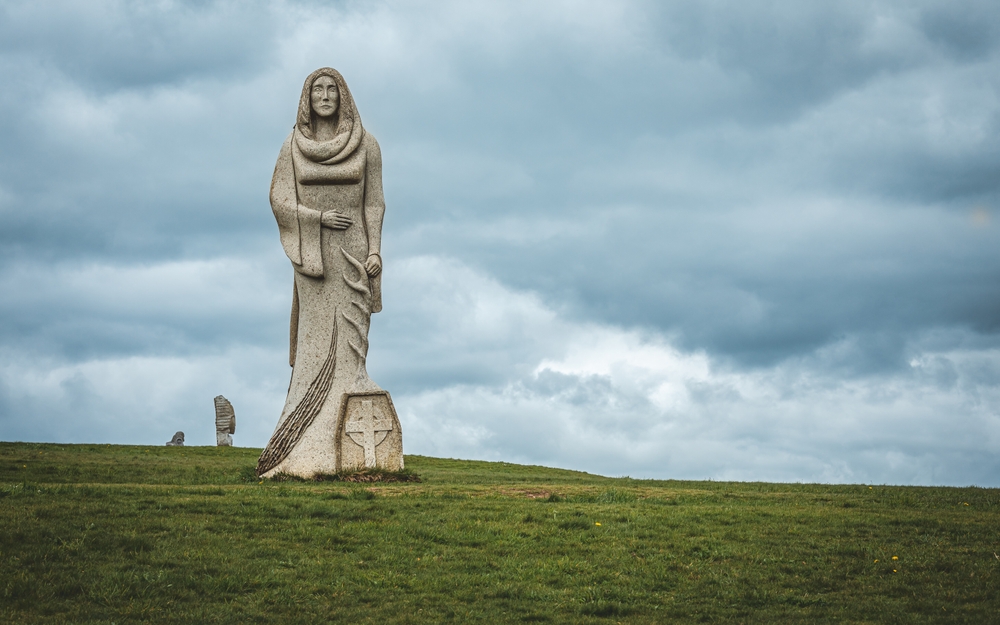
The feast of All Saints’ Day on Nov. 1 calls to mind the sheer variety of holy people throughout the centuries. The broad range of personalities, vocations, and professions testifies to the fact that holiness is attainable by anyone, regardless of their circumstances.
Some were married, single, or in religious life; some died a martyr or died a natural death. In all cases, the saints are united in their primary goal to get to heaven, and their lives are ordered by this desire.
Many of the saints, in addition to witnessing to the faith with their lives, also wrote extensively. They often turned to poetry as a fit means to express their love of God. For example, in 1225, Francis of Assisi wrote “The Canticle of the Creatures,” which is one of the earliest examples of Italian poetry by a known author.
While his is perhaps one of the most famous poems written by a saint, there have been numerous others throughout the centuries, written in ways as varied as the lives of the saints themselves.
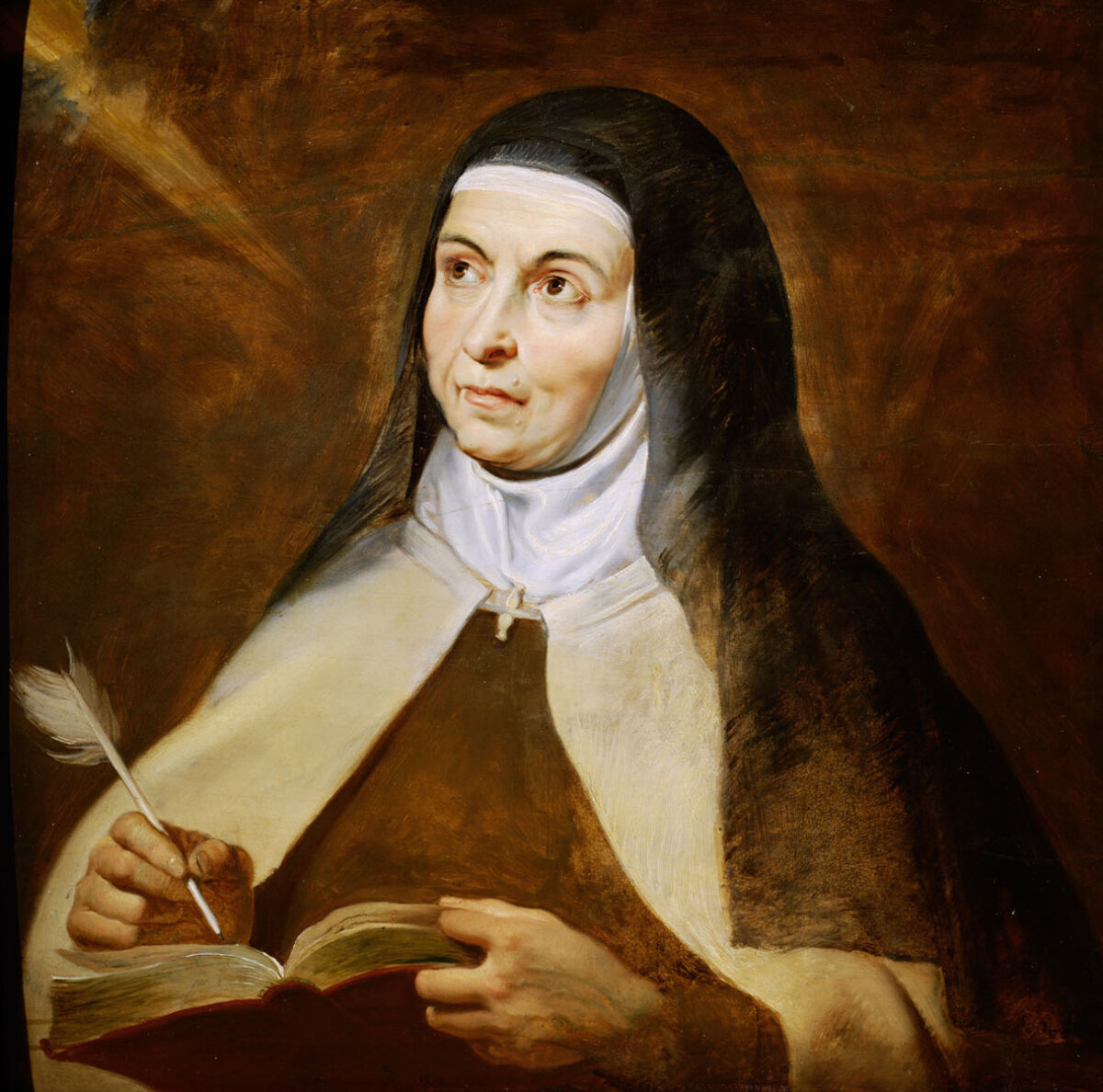
St. Teresa of Avila
St. Teresa of Avila wrote another famous poem, “Let nothing disturb you.” She was a 16th-century Spanish nun and mystic, famous for her efforts to reform the Carmelite order.
Gian Lorenzo Bernini’s sculpture, “Ecstasy of Saint Teresa,” depicts a vision St. Teresa had in which an angel pierced her heart with a spear and left her on fire with love for God. In this translation by Adrian J. Cooney, her poem “On Those Words ‘Dilectus Meus Mihi’” brings the sculpture to mind and depicts Christ as a hunter who pursues her heart.
The Latin “dilectus meus mihi” is part of a line from the biblical poem “Song of Songs” that says, “My beloved is mine, and I am his,” reflecting a mutual exchange of love and the fact that her sense of identity stems from her belonging to God.
Myself surrendered and given,
The exchange is this:
My Beloved is for me,
And I am for my Beloved.
When the Gentle hunter
Wounded and subdued me,
In love’s arms,
My soul fallen;
New life receiving,
Thus did I exchange
My Beloved is for me,
And I am for my Beloved.
The arrow he drew
Full of love,
My soul was oned
With her Creator.
Other love I want not,
Surrendered now to my God,
That my Beloved is for me,
And I am for my Beloved.
St. John of the Cross
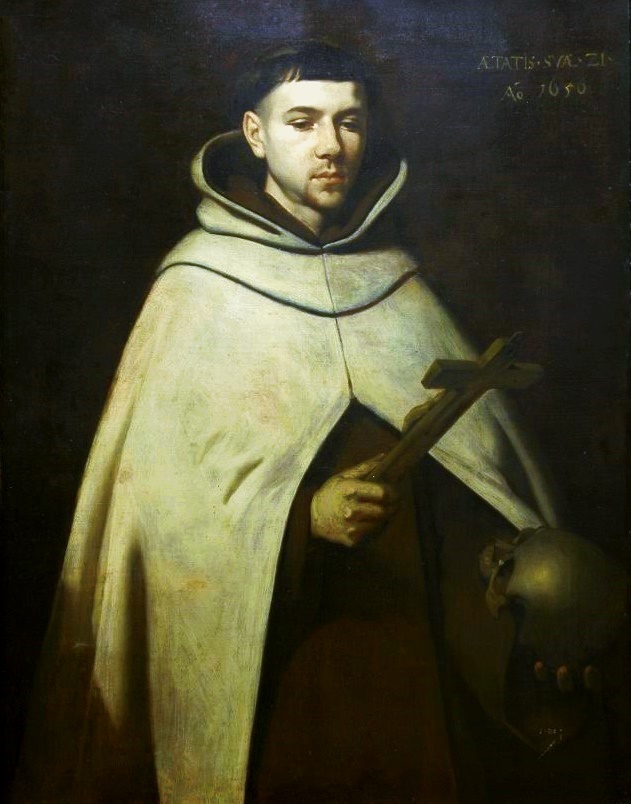
St. John of the Cross, a 16th-century Carmelite friar, helped St. Teresa of Avila reform their order and was also a mystic. His work “Dark Night of the Soul” describes a phase of purification on the soul’s journey to God, and many of his poems reflect on this stage of the spiritual journey.
Rather than ordinary times of aridity or feeling like God is far from us, the dark night of the soul follows the dark night of the senses, a specific way in which God begins to draw the soul closer by withdrawing emotional consolations in prayer. The soul then learns to depend on Him rather than on these pleasant feelings.
While this night purifies the lower faculties (senses, imagination, and emotions), the dark night of the soul purifies the higher faculties (intellect, memory, and will); this darkness is due to the closeness of God, not His absence. His light is so overwhelmingly bright that the soul feels set afire, like when the eyes are suddenly exposed to a bright light and have to adjust.
St. John’s poem “Song of the Soul Whose Pleasure is in Knowing God by Faith” (sometimes also called “The Fountain”) reflects on God’s love as a stream of life-giving water. The water seems to wind its way through the dark described in the stanzas, each of which concludes with the chorus “in dark of night.”
The following are the first few stanzas from John Frederick Nims’s translation:
The spring that brims and ripples oh I know
in dark of night.
Waters that flow forever and a day
through a lost country—oh I know the way
in dark of night.
Its origin no knowing, for there’s none.
But well l know, from here all sources run
in dark of night.
No other thing has such delight to give.
Here earth and the wide heavens drink to live
in dark of night.
Though some would wade, the wave’s unforded still.
Nowhere a bottom, measure as you will
in dark of night.
A stream so clear, and never clouded? Never.
The wellspring of all splendor whatsoever
in dark of night.
Bounty of waters flooding from this well
invigorates all earth, high heaven, and hell
in dark of night.
St. Thérèse of Lisieux
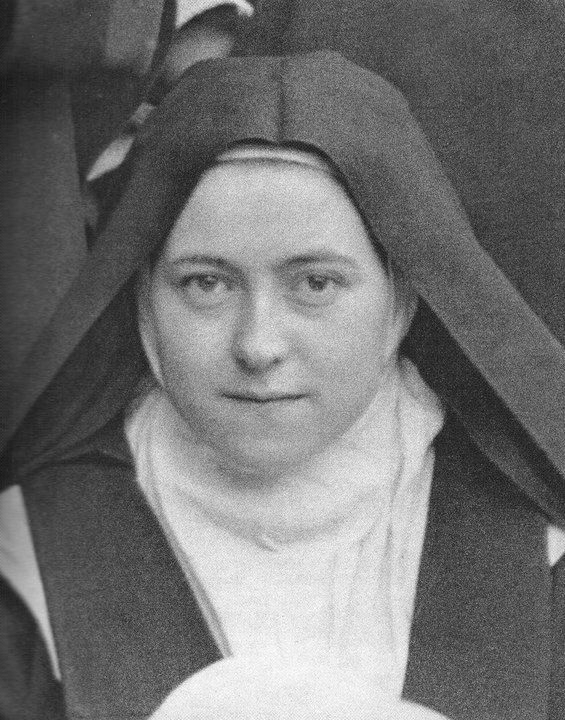
St. Thérèse of Lisieux was a French Carmelite nun who died at the age of 24 in 1897. The outward circumstances of her life were quiet, unassuming, and, by all appearances, unremarkable. She wasn’t imprisoned like St. John of the Cross, and she didn’t travel extensively as St. Teresa of Avila did establishing convents and monasteries.
But her interior life was extraordinary to such a degree that she ended up being named a Doctor of the Catholic Church, someone who not just lives a life of outward holiness but also whose writings profoundly illuminate church teaching.
St. Thérèse became well known for her “Little Way” of doing little things with great love. She lived like a child: small, humble, and entirely dependent on God. She wanted to spend her time in heaven doing good on earth and interceding for others. She said, “After my death I will let fall a shower of roses.” She also used the image of flowers to describe how her sacrifices and prayers could console the heart of Christ and be given to Him like flowers, as she says in the poem “To Scatter Flowers”:
O Jesus! O my Love! each eve I come to fling
My springtide roses sweet before Thy Cross divine;
By their plucked petals fair, my hands so gladly bring,
I long to dry Thine every tear!
To scatter flowers!—that means each sacrifice:
My lightest sighs and pains, my heaviest, saddest hours,
My hopes, my joys, my prayers—I will not count the price—
Behold my flowers!
With deep untold delight Thy beauty fills my soul,
Would I might light this love in hearts of all who live!
For this, my fairest flowers, all things in my control,
How fondly, gladly would I give!
To scatter flowers!—behold my chosen sword
For saving sinners’ souls and filling Heaven’s bowers:
The victory is mine—yea, I disarm Thee, Lord,
With these my flowers!
The petals in their flight caress Thy Holy Face;
They tell Thee that my heart is Thine, and Thine alone.
Thou knowest what these leaves are saying in my place:
On me Thou smilest from Thy Throne.
To scatter flowers!—that means, to speak of Thee—
My only pleasure here, where tears fill all the hours;
But soon, with Angel Hosts, my spirit shall be free
To scatter flowers.
St. John Henry Newman
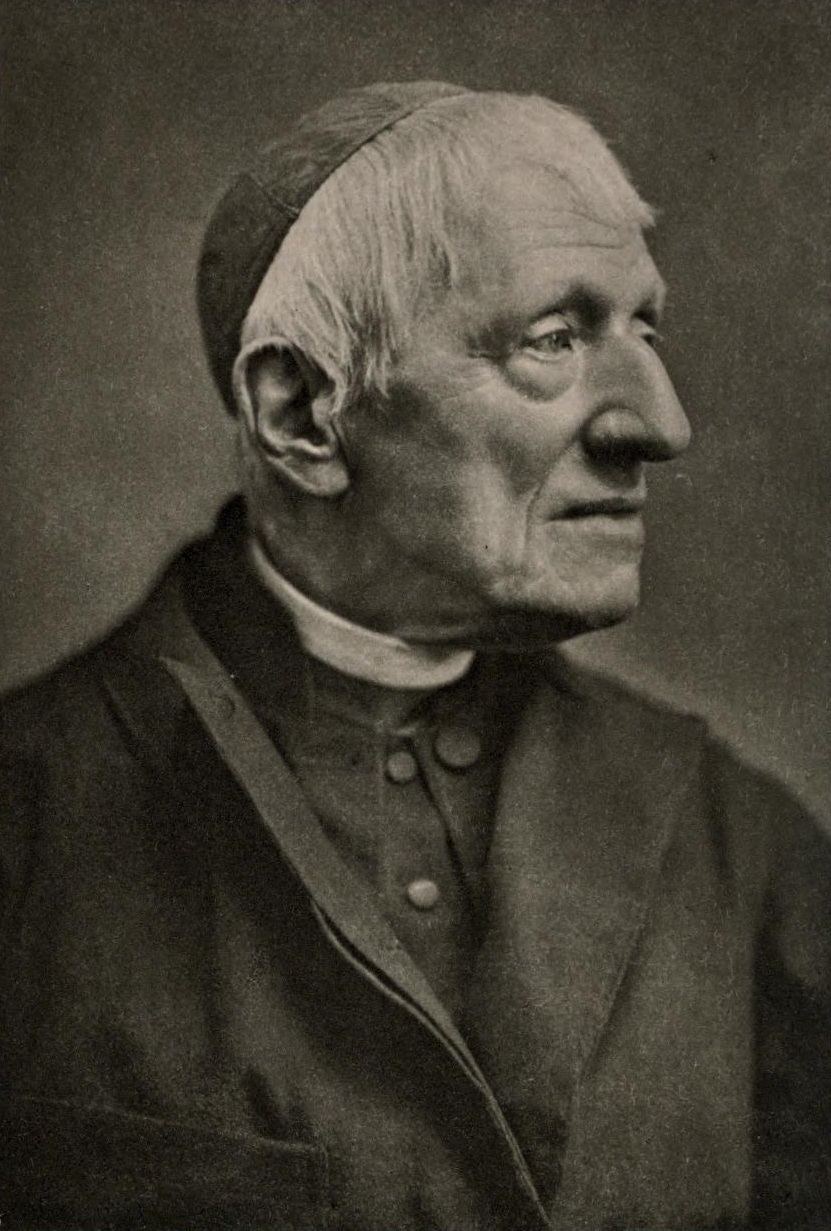
Only recently canonized by the Catholic Church in 2019, St. John Henry Newman was a priest of the Church of England who converted to Catholicism in 1845. He was a theologian, scholar, and poet.
Among the most famous of his poems is “Lead, Kindly Light.” After having held a prestigious fellowship at Oriel College at Oxford, he became a Catholic priest, founded an English branch of the Oratory of St. Philip Neri at Birmingham, and was later made a cardinal by Pope Leo XIII.
He wrote extensively and eventually received an honorary fellowship from Oxford’s Trinity College. I close with his poem, “Rest,” as it is a fitting depiction of the lives of the saints for All Saints’ Day.
The first line, “They are at rest,” is a definitive statement that creates an unusual pause for the reader at the end of a short first line, creating rest within the poem to mirror the eternal rest of the saints.
They are at rest.
We may not stir the heaven of their repose
By rude invoking voice, or prayer addrest
In waywardness to those
Who in the mountain grots of Eden lie,
And hear the fourfold river as it murmurs by.
They hear it sweep
In distance down the dark and savage vale;
But they at rocky bed or current deep
Shall never more grow pale.
They hear, and meekly muse, as fain to know
How long untired, unspent, that giant stream shall flow
And soothing sounds
Blend with the neighb’ring waters as they glide;
Posted along the haunted garden’s bounds,
Angelic forms abide,
Echoing, as words of watch, o’er lawn and grove,
The verses of that hymn which seraphs chant above.
What arts and culture topics would you like us to cover? Please email ideas or feedback to features@epochtimes.nyc

