



The tragedies of the Civil War extended far beyond the battlefield. One of these ripple effects was the cost to fallen soldiers’ families. The children of dead and disabled veterans, left with no one to provide for them, often ended up living in prisons, infirmaries, and mental asylums when they were not on the street.
The government collected taxes to care for these dependents at first. After it misappropriated the money, though, soldiers from Ohio began to urge their officials to do something. Eventually, a fraternal organization of Union soldiers who served in the Civil War, calling themselves the Grand Army of the Republic (GAR), took up the cause.
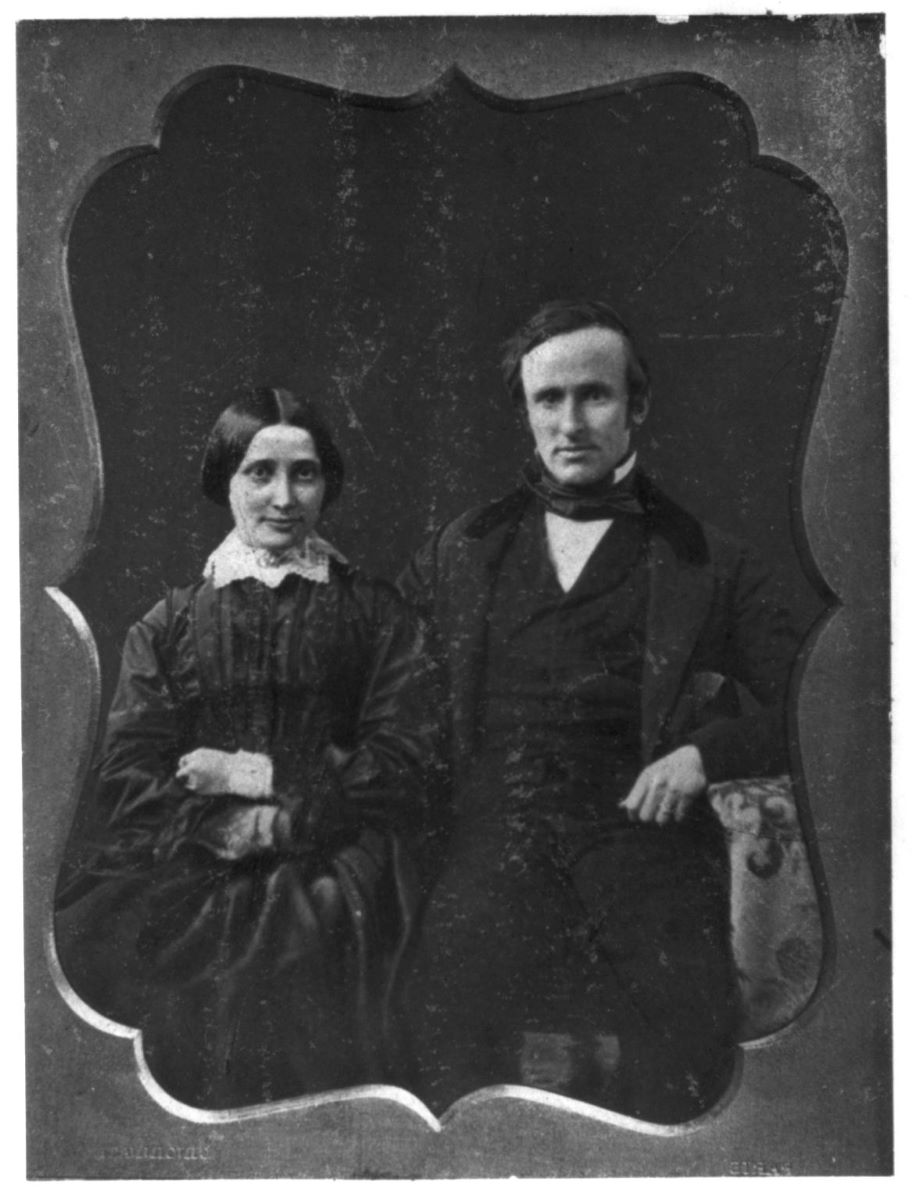
The GAR’s massive influence on late 19th-century politics cannot be overstated. The group was a major lobbyist on behalf of veterans, and five of its members became U.S. presidents. One of these was Rutherford B. Hayes. While still Ohio’s governor, he happened to be present at a local GAR meeting where the plight of orphans was discussed. He and his wife, Lucy Webb Hayes, a woman interested in social reform, supported opening a home to care for orphans.
Thus, the permanent Ohio Orphans Soldiers’ and Sailors’ Home opened in 1870. Shortening this mouthful, the children who lived there just called it “the Home.” It became one of the most successful social experiments in the state’s history, admitting 13,500 children to its care during its 125 years of existence, and establishing a highly successful vocational school.
A Grim Record
An online database keeps a listing of the children who applied to the Ohio Orphans’ Home in the early part of its history. The application records shed light on the grim circumstances of the young struggling in a harsh world where, if not for this institution, there would be no second chances at life. The basic information lists the parents’ status and whether a mother or father was alive at the time of application. If deceased, the date, location, and cause of death were listed when known. Often though, these categories were left blank.
The records also bear witness to the unrewarded destinies of those who sacrificed everything for their country. Many of the deceased veterans listed from this period (1877–1919) lived through their military experiences, lingering on in manual labor work until succumbing to infirmities or accidents. Anderson Lackey of Jackson County survived his time in the Civil War serving with the 1st Ohio Heavy Artillery, only to be murdered in 1882. His three children Almarintha, James, and Myrta (born two months after his death), were admitted to the Home four years later. Jessie Rall of Cincinnati, applying in 1882, had a father who died of uremia (a condition where the kidney fails to remove waste products from the blood).
In cases where the father was living but unable to care for his offspring, it lists his specific disability. Benjamin Ackerman of Bowerston had a father with rheumatism and heart disease. Franklin Gardner of Osgood lists a father with a “gunshot wound in left shoulder.” Reuben Bacon’s father suffered from “deafness, throat, and lung disease.”
Who would expect that children coming from such circumstances would find security, stability, and success?
Seeds of Hope
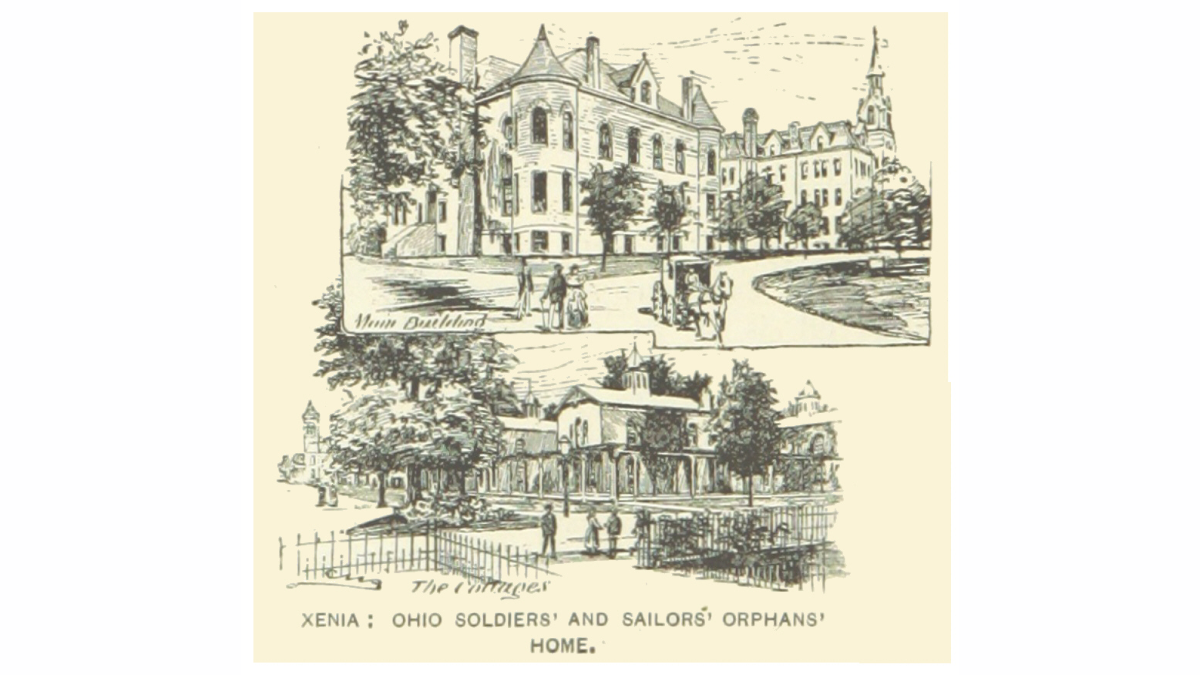
As Edward R. Lentz describes in “A Home of Their Own: The Story of Ohio’s Greatest Orphanage,” it all began at a place called Poverty Knoll. A local reverend in Greene County, named P.C. Prugh, championed the plight of veterans and raised funds for the project. When Governor Hayes and the GAR stepped in with their support, 100 acres were purchased on top of a hill in the town of Xenia.
In 1870, around 120 children moved into a two-story frame building there. One of these boarders, E. Howard Gilkey, later recalled the structure with its kitchen, laundry, and storeroom in the rear as like “an enormous hen with three or four small chickens in her wake.”
From a house on a hill, the Home eventually grew to encompass 500 acres. In essence, it was a little town unto itself, boasting a power plant, water tower, greenhouse, hospital, butcher shop, and other necessary buildings. In the decades to come, it would house the children of veterans from all branches and conflicts.
The Home’s first superintendent, Luther Griswold, set eight rules for the children to follow that stressed order, timeliness, and good behavior. “No child can use the filthy weed, tobacco, and remain in the Institution,” reads the second rule. While strict discipline was maintained, Griswold emphasized kindness in administering correction, stating that no child should “be struck about the head.”
Learning Sportsmanship
The Home came to have a respected reputation in several areas of sports. The first of these was baseball, when a generous patron donated a full set of uniforms—but no shoes.
Speaking of his time on the baseball team in 1887 to 1888, William Thrasher wrote, “We … went on the field to win, and I wish to state that we were very seldom defeated.” The Home not only trounced other local high school teams, but even sometimes defeated college ones.
Graduate Robert Carter described the team as still going strong 70 years after Thrasher left, and his own contribution to excellence. He made up for the lack of weight-training equipment by pouring concrete into No. 10 cans and lifting them daily. “I developed bigger arms and chest and became one of the best batters we had.”
No White-Collar Fluff
Kids at the Home not only found a place to belong, but learned real skills to succeed in life. It pioneered the development of the trade school, being one of the earliest institutions to offer vocational programs. By 1900, it had grown to encompass a wide offering of trades, providing residents with real-life skills they could use after they graduated. Occupations taught included printing, engineering, blacksmithing, woodworking, carpentry, shoemaking, and many others.
The children took to their training with great enthusiasm. One teenager described his duties in the power plant with uncommon zeal:
“When we unloaded coal from the cars and wheeled it into the boilers, how the flames leaped out with ferocity. How thrilled we were to actually shovel coal on Sunday, thereby missing church where the other fires of intensity were mentioned but without any particular effect on us.”
All Good Things
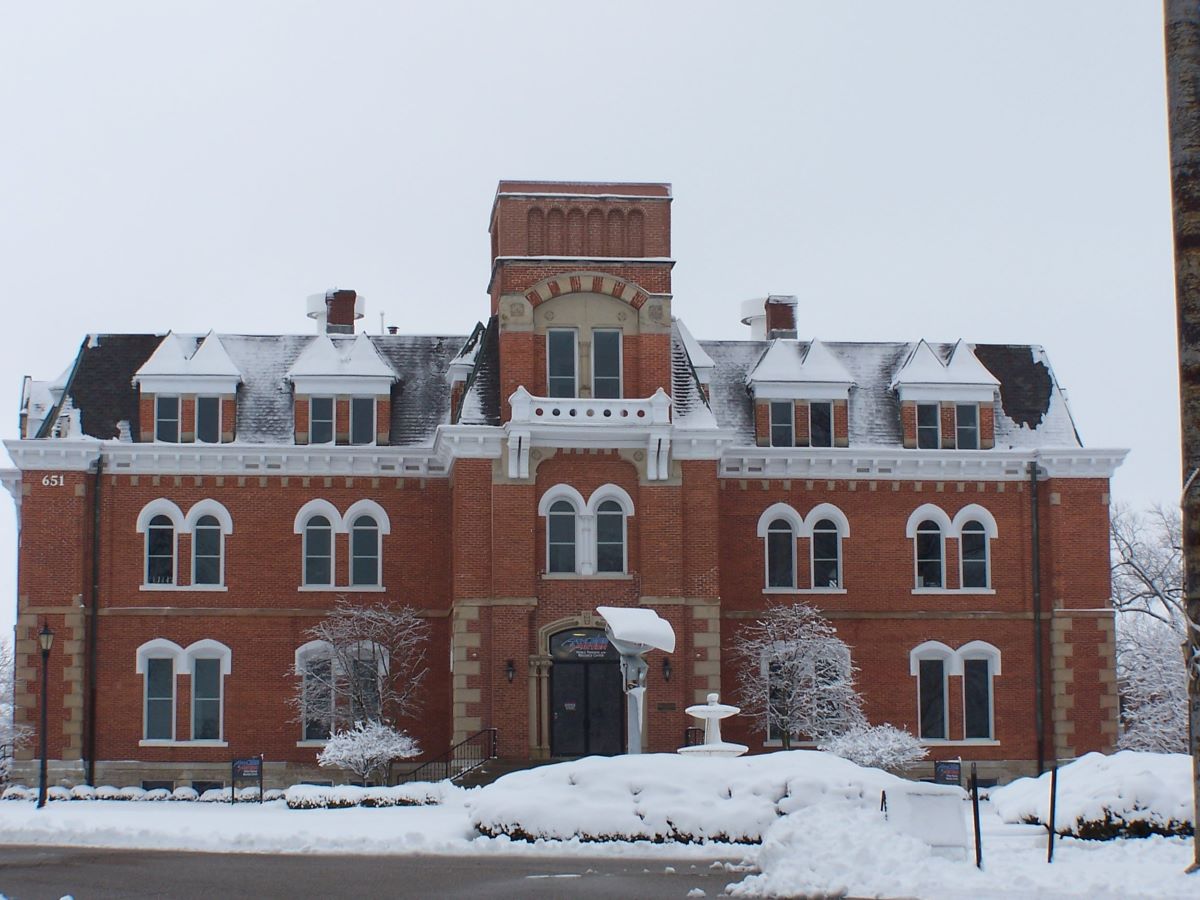
In 1978, the Home’s name changed to the Ohio Veterans’ Children’s Home. Admission standards changed and the institution began to take on children with behavioral problems. The population declined as part of a larger shift away from institutions and towards smaller foster care and group home settings. It closed its doors in 1997. Today, the grounds are home to the Legacy Christian Academy.
A museum on its former campus preserves the Home’s rich heritage, containing many artifacts from the thousands of lives it steadied, shaped, and set back on the path to purpose.
What arts and culture topics would you like us to cover? Please email ideas or feedback to features@epochtimes.nyc
