



There is an eerie beauty in the grim November chill that shakes the final vestiges of autumn from the trees. It evokes a sense of “saudade,” a Portuguese word for deep nostalgia and longing for what used to be. But in the midst of that longing, the barren scene acts as a foil that brings into sharp relief the last traces of color that do remain.
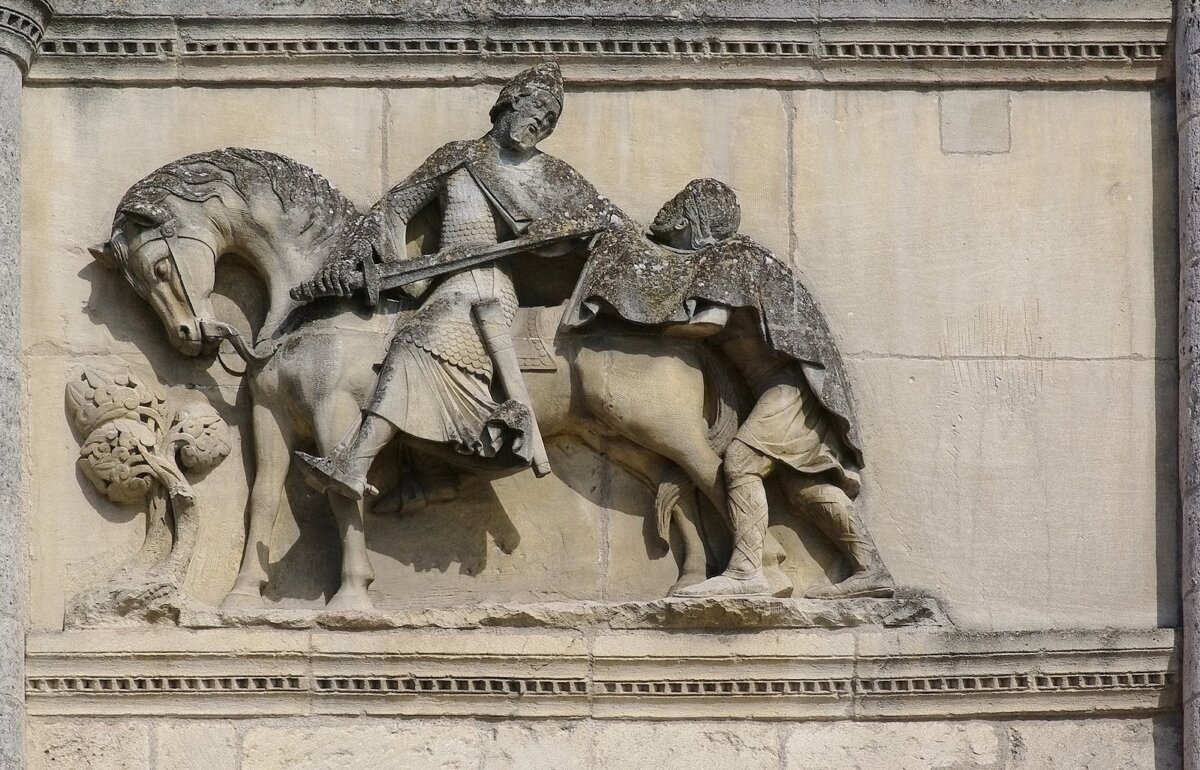
Then suddenly, mid-November, we are reminded of what we long for with the arrival of what the Italians call “l’estate di San Martino” (St. Martin’s summer). St. Martin of Tours was born around A.D. 336 in what is now Hungary and was brought up in northern Italy. He served as a soldier until he became a conscientious objector and was eventually named bishop of Tours.
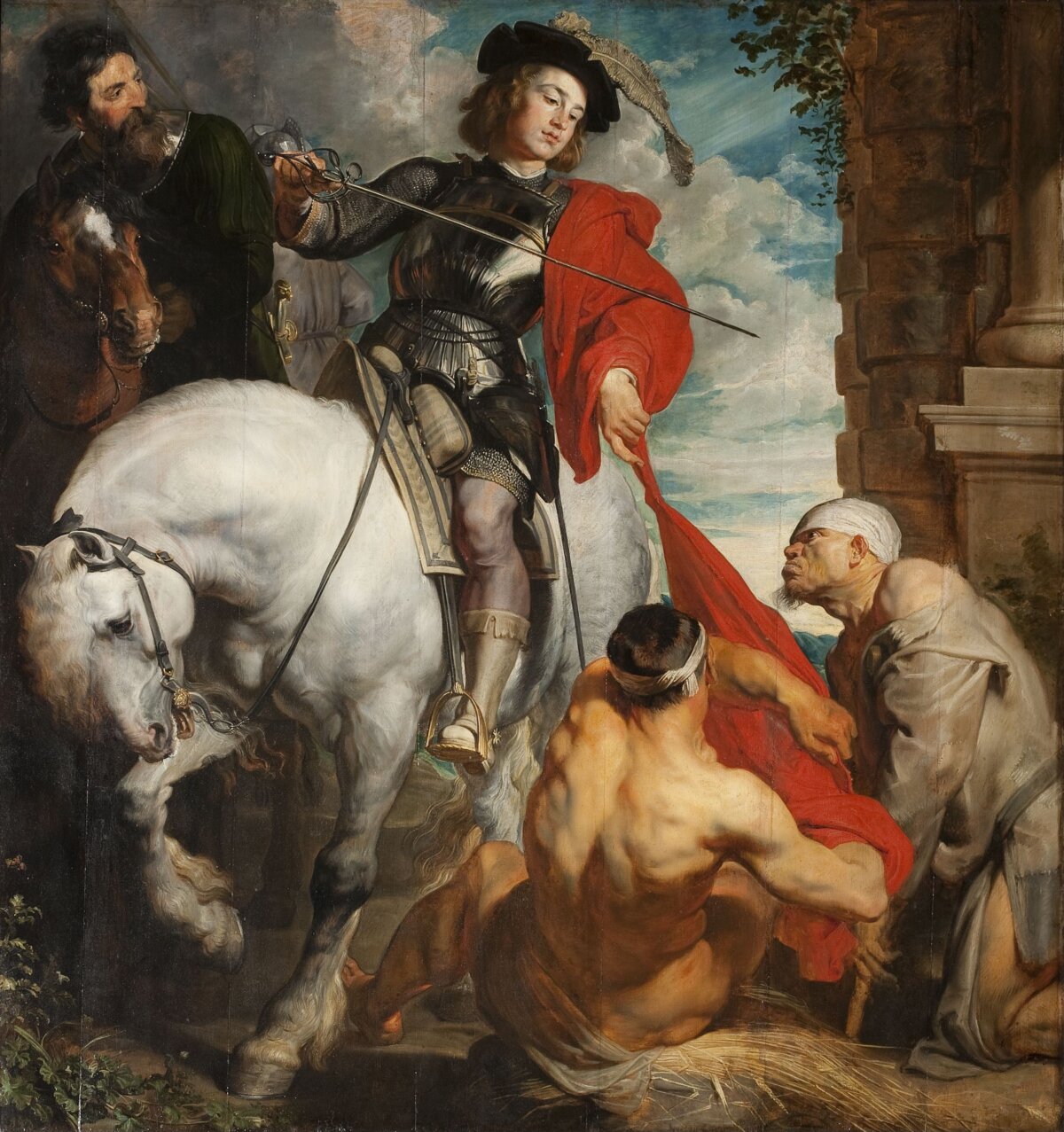
While he was still a soldier, he came across a beggar by the side of the road, and he cut his military cloak in half to share it with the poor man. According to legend, this event took place on Nov. 11 (St. Martin’s feast day). For a few days, the warmth of summer returned in response to St. Martin’s act of charity.
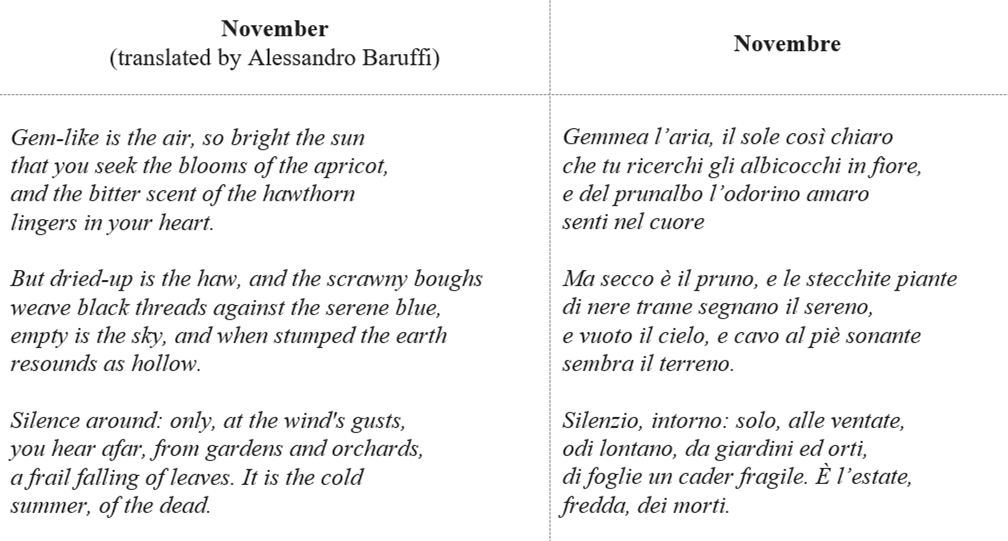
This unusually warm couple of days every year mid-November is called l’estate di San Martino and served as inspiration for Giovanni Pascoli’s poem “November” (“Novembre”), published in 1891.
A Life of Sorrow
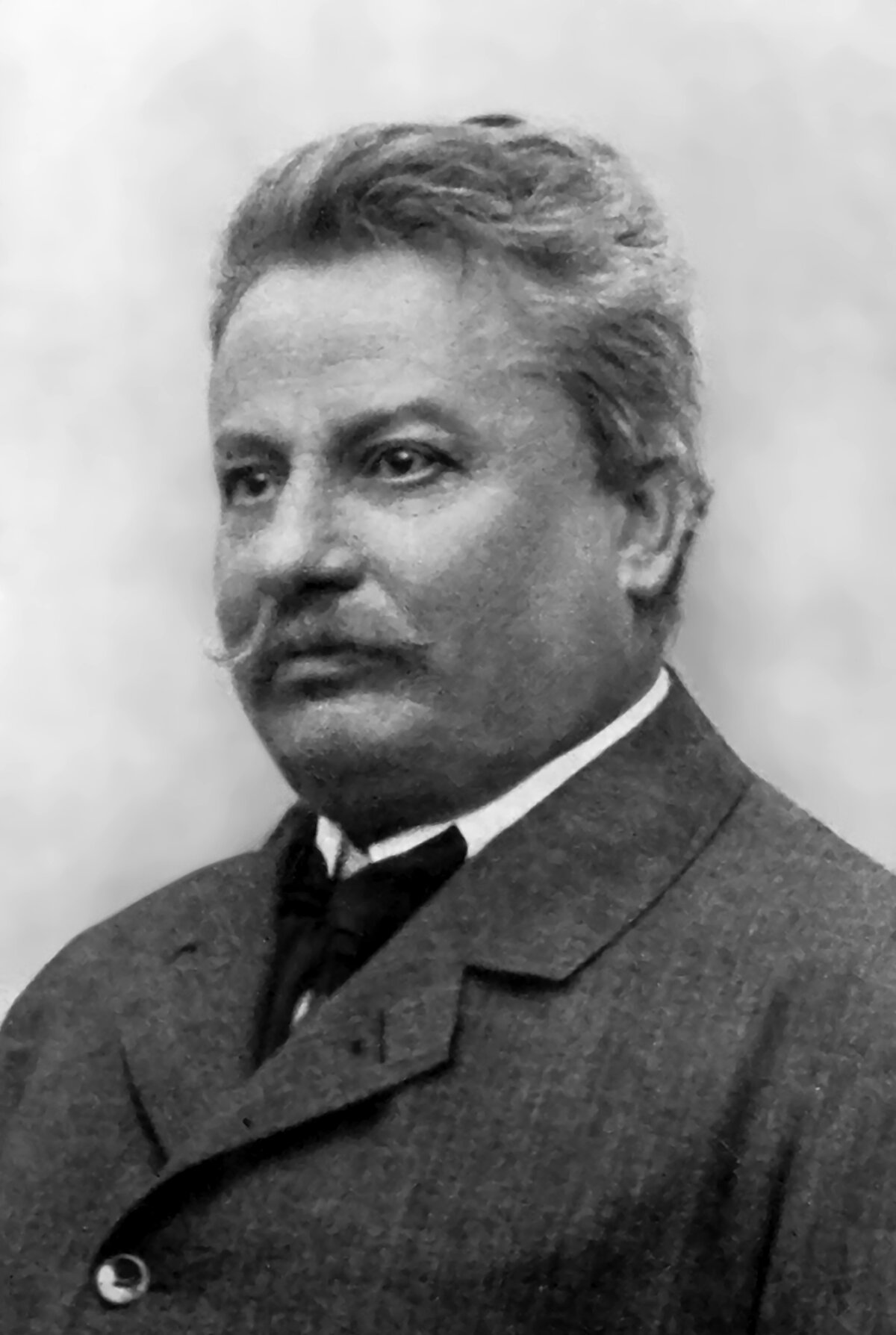
Pascoli was an Italian poet born in San Mauro di Romagna. He lived from 1855 to 1912, and his life was marked by sorrow. At the age of 12 his father was shot and killed by unknown assailants. In the following seven years, he also lost his mother, a sister, and two brothers.
Much of his poetry dwells on nature, family, and mortality. It’s known for its symbolism, often using ordinary, natural images to communicate hidden, profound emotions and ideas.
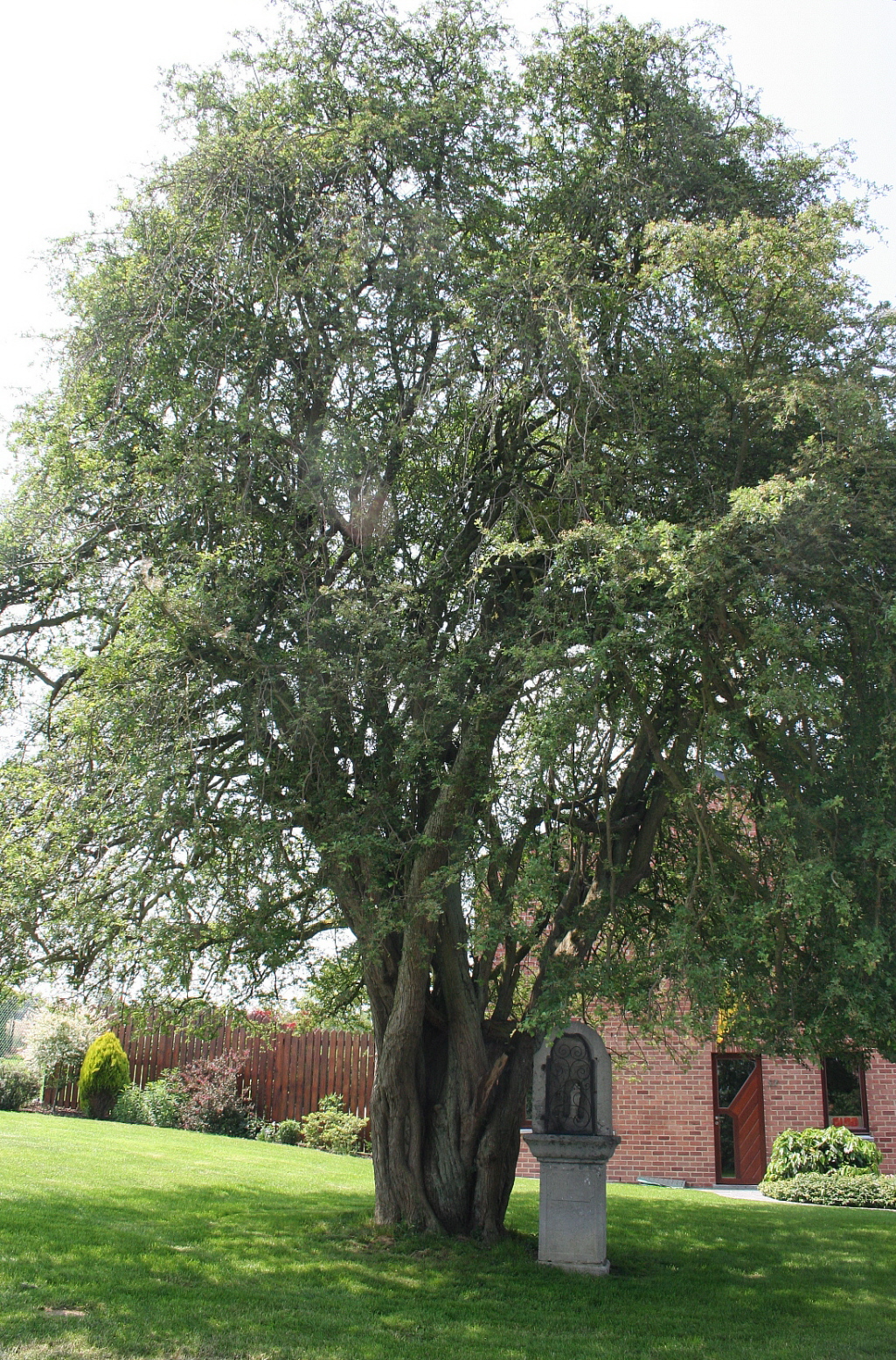
Pascoli opens his poem “November” with the splendor of these summer-seeming days. However, the beauty in the opening stanza is tinged with the bitterness from the scent of the hawthorn tree.
The hawthorn traditionally symbolized love, hope, and fertility; but it was also associated with the plague. Its blossoms produce a foul-smelling odor that contains trimethylamine, the same chemical that dead animals’ bodies produce.
The first stanza then shows death and life intertwined: This small burst of summer within a winter chill evokes the memory of a tree that symbolizes love and new life, even while it smells like death.
Both sky and earth seem empty; neither the hawthorn nor apricot is actually in bloom at all. In summer everything is in bloom and the bitterness of the hawthorn is a faint reminder of death. Now there is nothing but the reminder of life in the warmth and sunlight. The hollowness of the earth calls to mind the dead who lie buried there.
Silence and solitude pervade the final stanza. The gardens and orchards, once teeming with life, now contain only a falling of leaves. While motion would ordinarily make the scene more dynamic and alive, this motion only serves as a reminder of mortality because of how frail and faint the season is.
‘Cold Summer’
The poem concludes with an oxymoron (words with opposite meanings) in “cold summer.” This once again points to death and life being tangled up in one another. The shock of the final line after the more delicate beauty of the beginning of the poem mirrors the surprise of these few warm days between cold and colder weather.
Perhaps more so than at any other point in the year, November gives us a visible reminder of our own mortality. It seems fitting then that November, beginning with All Saints’ Day and All Souls’ Day, is traditionally the month devoted to praying for the souls of those who have died and remembering loved ones we have lost.
In the awareness of his own mortality, man is always looking forward to the next summer. He anticipates the seasons in this life and has the hope of eternal joy in the life to come.
Pascoli’s poem illustrates how beauty haunts us. Memories of previous “summers” (beauty and love in the past) remain with us such so that, when new forms of beauty trigger the memories, we look for those things and almost expect to see them before us.
Beauty lingers. We hold it even when it isn’t beheld, and sometimes the cold calls it all the more sharply to mind.
What arts and culture topics would you like us to cover? Please email ideas or feedback to features@epochtimes.nyc
