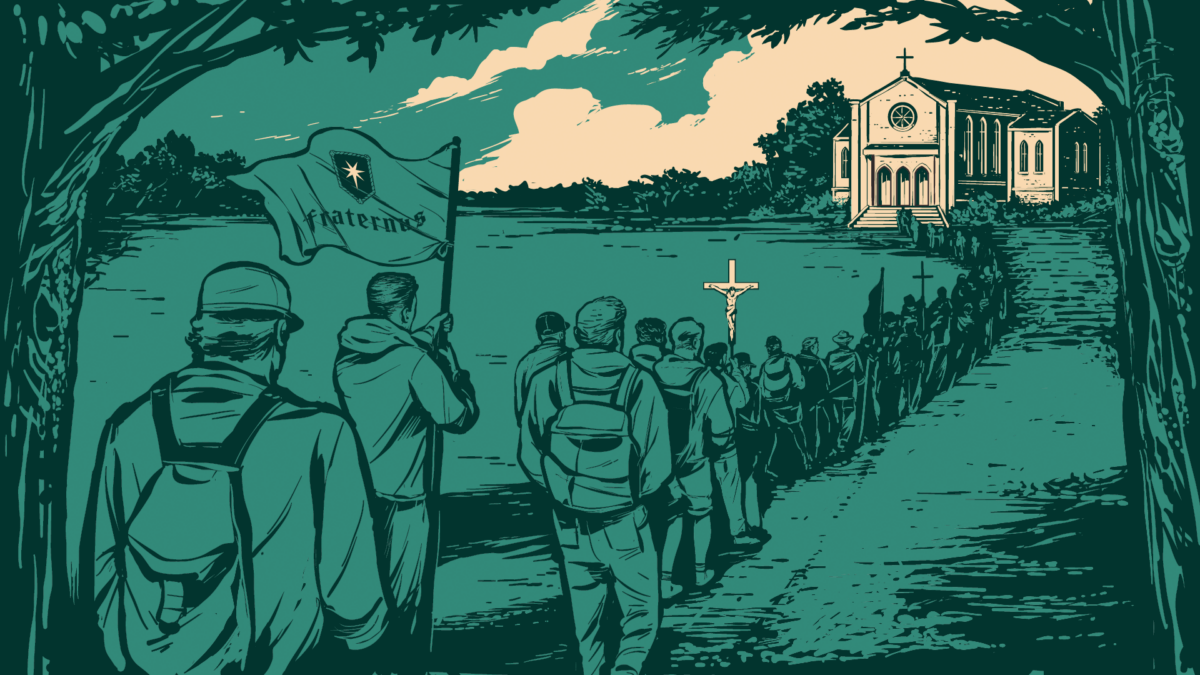
“Boys Adrift.” “The Boy Crisis.” “The War Against Boys.” This is a sampling of book titles released in recent decades about the crisis of masculinity in the modern world. Something has gone wrong in the formation of men. In the aftermath of tectonic civilizational shifts—from industrialism to the sexual revolution to cultural secularization—men of all ages have struggled to find their true identities. Without a strong and healthy masculine presence, many families and communities have suffered.
A nationwide Catholic men’s group, Fraternus, cofounded by Jason Craig, wants to address this crisis by helping men and boys rediscover their identities, grow into mature fathers, and thereby renew society.
Fraternus’s approach begins with a firm grasp of the problem. What is causing the dearth of strong, virtuous men who can serve as the bulwarks of society? According to Craig, the problem lies in American culture’s encouragement of “perpetual adolescence.” In other words, men today aren’t being taught how to grow up and take responsibility.
“I know a lot of people have their problems with ‘men today’ or ‘boys today,’ but we’ve really honed in on identifying the problem as immaturity,” Craig told The Epoch Times. “Man is born with the potential for maturity, but he has to grow.”
Terry Rumore, Fraternus’s new chapter development officer, explained how modern culture discourages that growth.
“Too many men remain in that comfort far too long, unwilling to take responsibility for their actions and unable to care for their proper well-being or the well-being of others,” he said. “Social media, industrial and technological comforts, the welfare state, and the cancel culture all work in tandem to keep men in perpetual adolescence.”
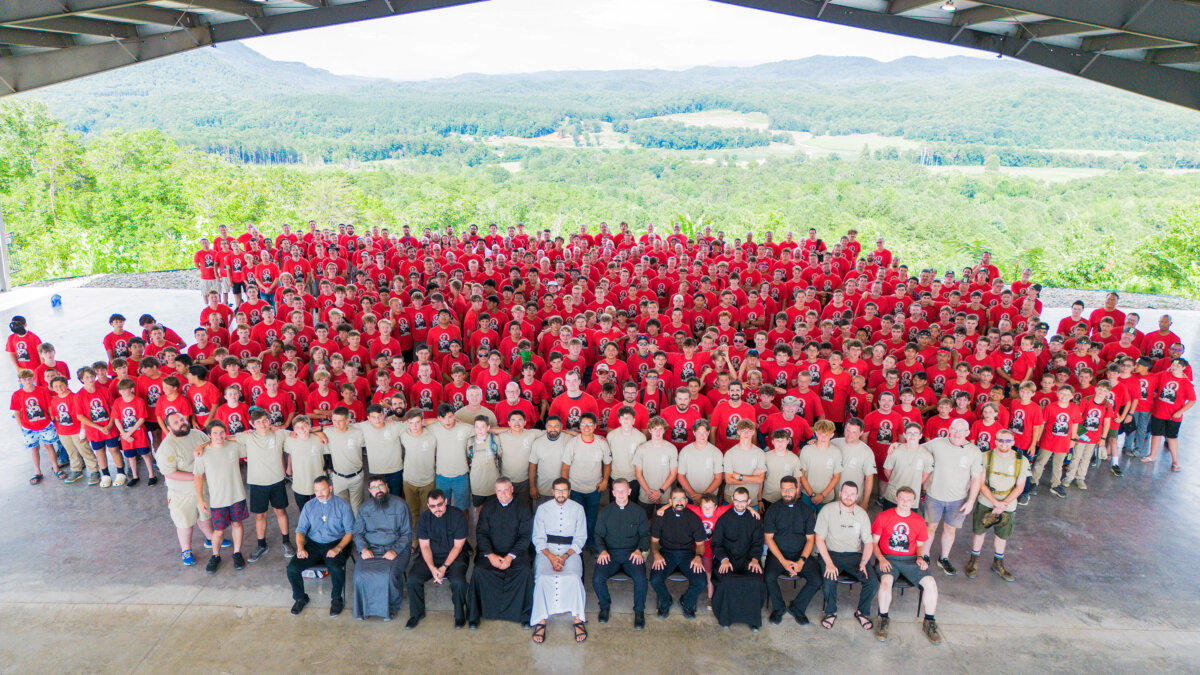
The process of emerging from adolescence used to occur within the context of organic, local communities of men in which fathers mentored sons and brothers strengthened one another’s commitment to responsibility and virtue. Over the past century, however, those types of communities—built around parishes, schools, neighborhoods, and local economies—have eroded. Along with them, we’ve lost critical components needed for the making of a man. Craig’s group, Fraternus, seeks to recreate those traditional male fraternal and paternal relationships through mentorship, brotherhood, educational programs, challenges, ceremonies, activities, and acts of service.
“We had clear rites of passage to manhood and thresholds that clearly communicated how to mature,” Craig said. “And that was the ideal, the goal—to mature. But now we’ve idealized and enshrined youthfulness as the sole virtue.”
According to Craig, this cultural attitude emerged prominently in the 1960s and 1970s, when youthful obsessions with pride, consumerism, fashion, self-expression, and self-interest displaced older, more mature notions of responsibility, self-sacrifice, honor, self-control, and dedication to something bigger than oneself.
“We’re all kids now, and everything from the obsession with self-esteem to the endless invention of new identities is a complete reversal of the human need for maturity,” he said.
One thing that the contemporary cult of youth has erased is initiation into manhood through the challenges and guidance presented by older men.
Trae Bailey, the group’s content editor, said: “For many young men, their fathers are still trying to learn how to be men, and perhaps their grandfathers are, too. You can’t give what you don’t have, so most men have to grow up without being initiated into true manhood.”
Rites of initiation used to be traced out by older generations of men, but increasingly, these father figures are hard for boys and younger men to find. The lack of encouragement to mature, the absence of rites of passage, and the missing father make it hard for men to embrace the call to be authentic male servants and leaders.
Fraternus aims to change all that. It brings men together so that fathers can connect with sons and with fellow fathers. Fraternus offers men three main levels of engagement. At the introductory level, men can experience Fraternus’s six-part curriculum called “The Ways of the Fathers.” At the second level, men can create “squads” with other men in their homes or workplaces using supporting material provided by Fraternus.
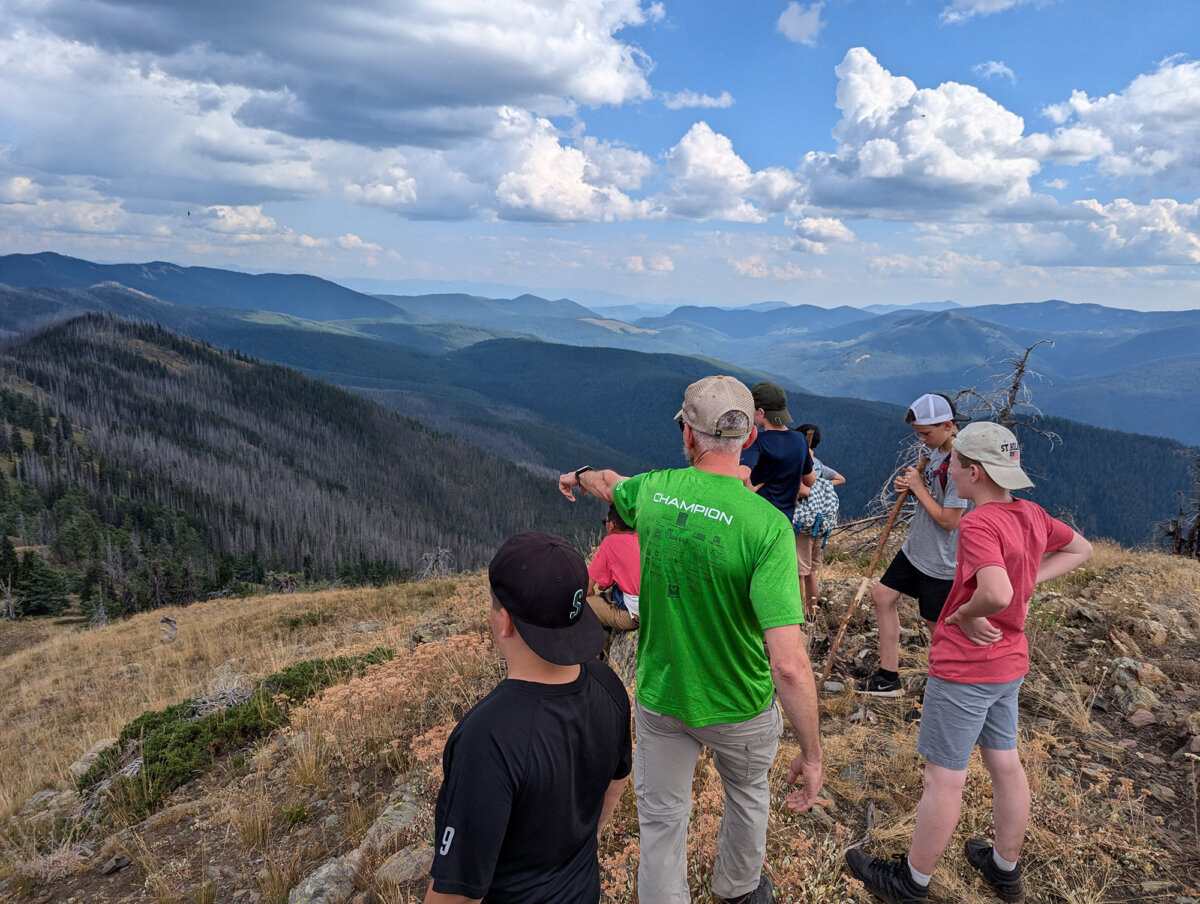
At the highest level, men can form chapters within their parishes that consist of structured educational resources, weekly Frat Nights, ceremonies, group excursions, and an annual retreat called Ranch. When a new chapter is established, the members receive a welcome kit including books, branded apparel, weekly emails and lessons, access to the group’s full website and its training modules, and a subscription to the quarterly magazine Sword&Spade.
According to Fraternus, to attract men, it’s important to offer meaningful challenges. Thus, joining or starting a chapter involves serious commitment and strenuous activities. While some groups try to appeal to men by downplaying commitment, Fraternus does the opposite.
“If [men] can see it has value, calls for sacrifice, and needs to get done—they’ll do it and they’ll commit,” Craig said. “We’re not going to repackage responsibility and magnanimity for you and make it feel good. We tell men they already are brothers, fathers, and sons. Fraternus is just challenging them to embrace those identities practically.”
Making a Difference
One young man who was attracted by Fraternus’s call to greater commitment to faith and responsibility is 25-year-old Jonathan Zaleski.
“With Fraternus, I saw an opportunity to join a brotherhood that would challenge me to be a better Christian and a better man,” he told The Epoch Times.
Within the group’s ranks, he found the mentorship, camaraderie, and connection that he’d been lacking. He highlighted the importance of the father–son bond in forming good men, and he explained how Fraternus filled that gap in his life.
“The transfer of knowledge from a father to a son through conversations about lessons learned is paramount to the growth of communities and households,” he said. “That is why I value Fraternus so much as a young man that did not have a father present day to day growing up. I am able to seek guidance from men who are fathers and hear of their success stories as well as the times that were difficult for them.”
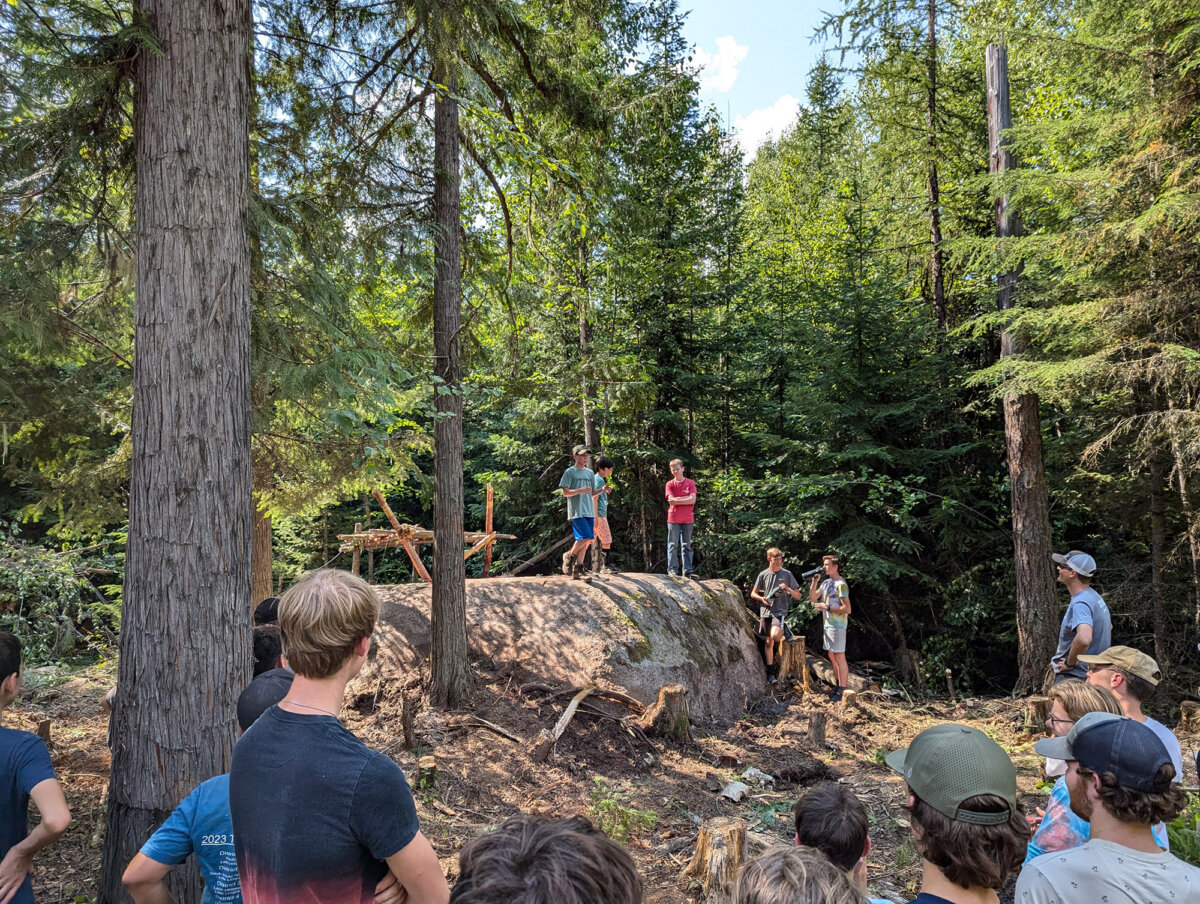
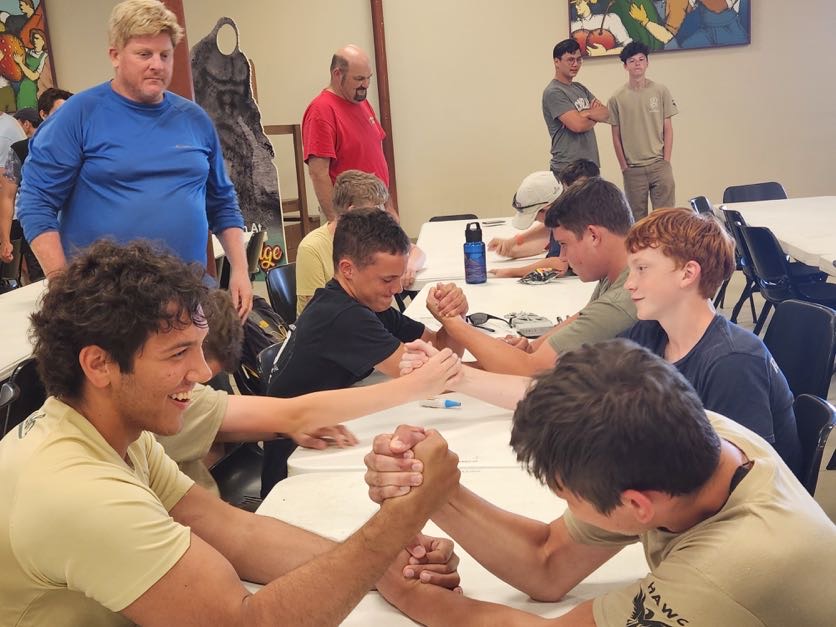
Zaleski said he particularly appreciates the way that Fraternus affords men opportunities to get active, whether through sports at his local chapter meetings or at outdoor events such as the annual retreat. The outdoors offer a respite from the noise, bustle, and distraction hammering at modern men all the time.
“For me, the outdoors are crucial because you are separated from any potential noise that could impede on the weekend,” Zaleski said. “As a guy that struggles to stay away from technology, there is a beauty to not having service on your phone or consistent pings from your email or ESPN.”
Craig concurred: “At events like Ranch or what local chapters call excursions, young men are challenged to get out of modern comforts and convenience and get out into adventure, danger, service, and a little discomfort. … Of course, one can’t help enjoying these things, since eventually most of us don’t want to be tame and realize how much we need to get out in the wild. … So much of our life is artificial now that the outdoors really are a tonic for so many things.”
Older men who join the group to do something with their sons are often transformed as much as their boys. They realize their need for brotherhood in order to stay strong in the pursuit of a life of virtue, faith, and paternity. Rumore said that he sees many positive changes in the lives of men who join, but three in particular stand out: Men discover their identity through baptism as adopted sons of God, they bond with other men in authentic brotherhood that promotes service and accountability, and through the brotherhood, they’re better able to achieve the virtuous life they want to live.
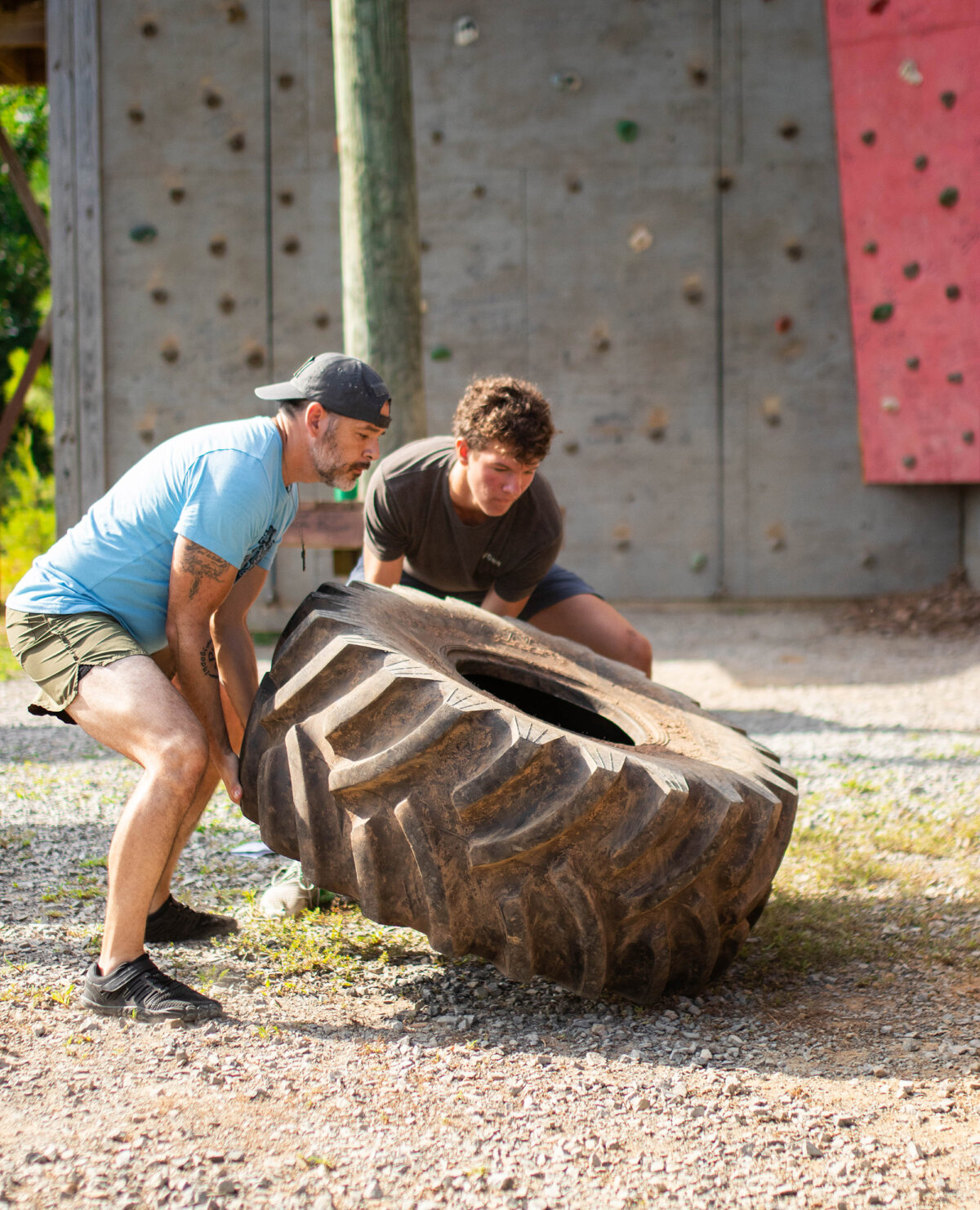
In conversations with Fraternus personnel, one word appears especially frequently: confidence. The fruit of fraternal and paternal connection is confidence. As Zaleski put it, “Fraternus helps young men by giving them the resources through a strong brotherhood to have the confidence to answer God’s call and allow Him to develop us as men of God.”
When asked where he hopes Fraternus will go in the coming decades, Rumore had a surprising answer. He said he hopes the group will disappear because it’s no longer needed.
“Imagine a world where men lived out their true identity as virtuous sons, brothers, husbands, fathers, etc.,” he said.
“The world would be a different place, and the need for Fraternus would be nonexistent.”
In the meantime, Fraternus continues to fill a serious breach in the structures of healthy human society.
Bailey’s ambitions for Fraternus’s future, on the other hand, are a bit more modest but equally striking: “I want Vice President Vance and Pope Leo to be active subscribers and readers of Sword&Spade magazine. Lord willing, it could happen!”